VI
VI


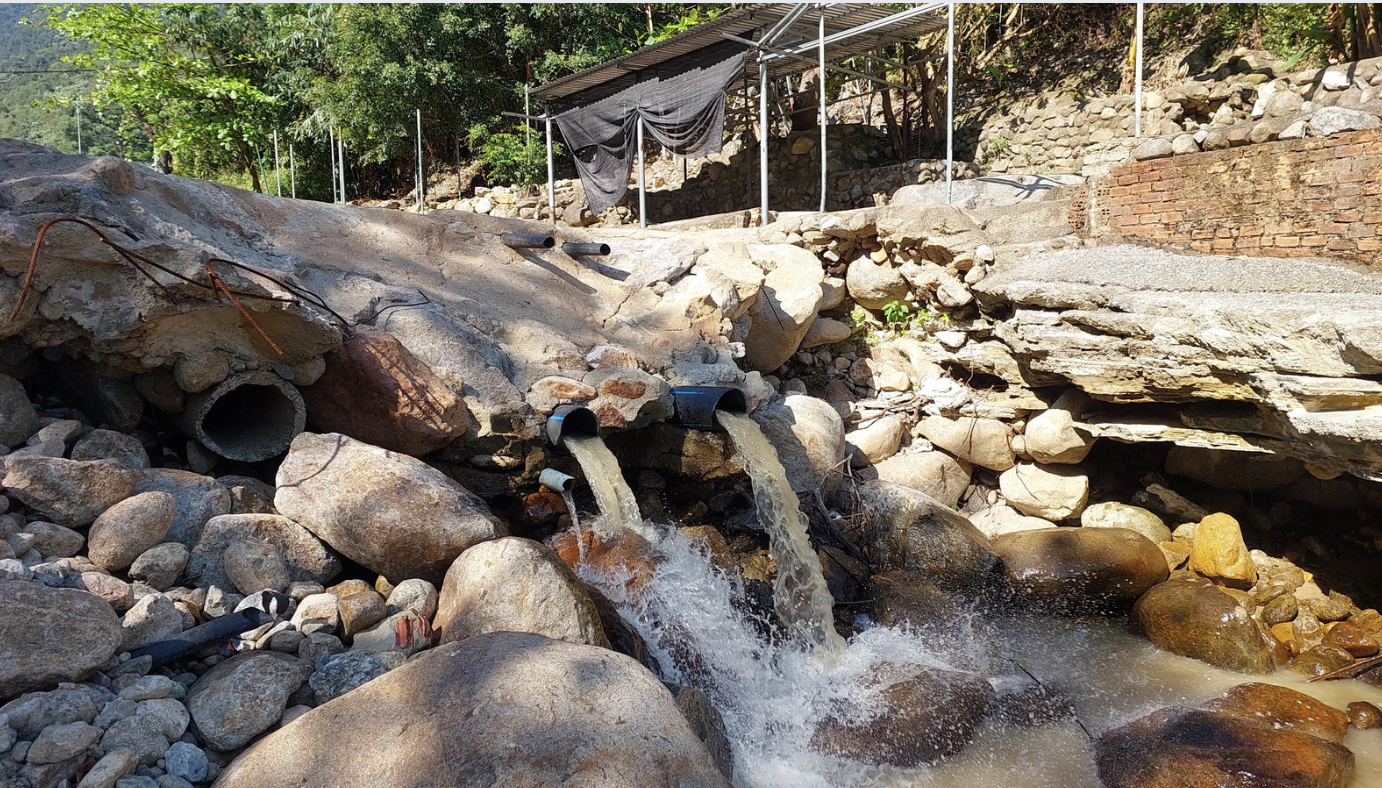
From upstream, where the stream borders Thua Thien-Hue province, the water, which used to flow abundantly, is now just a small, weak stream, winding its way through massive rocks weighing tons. This change is not only a clear manifestation of drought and water loss, but also evidence of the powerful impact of climate change on the environment.

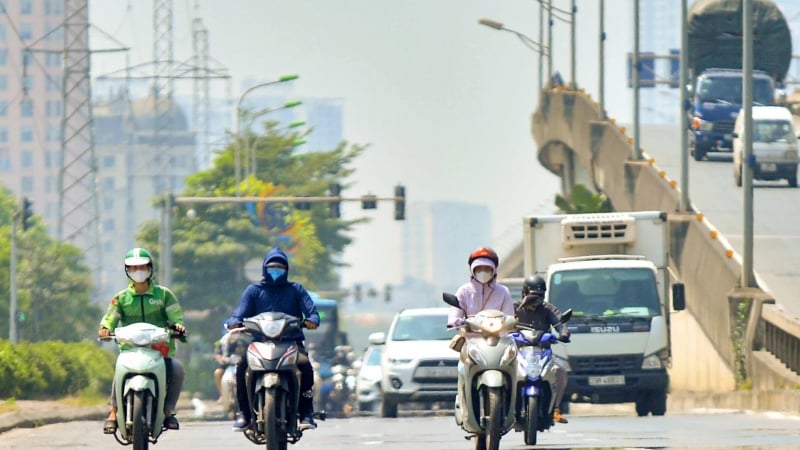
The massive rocks now bear witness to the harshness of the weather, and Luong Stream is facing significant challenges in sustaining its life and growth. The weakness of the water flow also reflects the vulnerability of the ecosystem and the vitality of the organisms living in the stream.
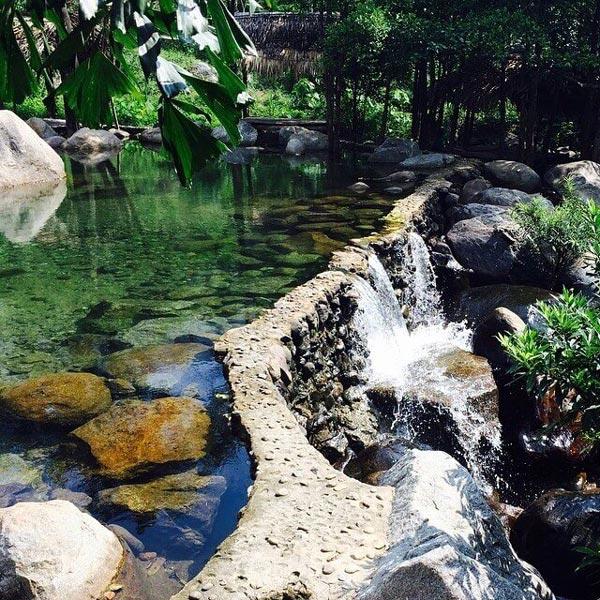
Suoi Luong was once a "dreamlike" destination.
The water flow into the Luong stream has become very scarce. Many acacia trees have been planted along both banks, but after many years, they have suffered serious erosion. Soil and rocks from the banks have spilled into the streambed, endangering the trees and causing them to collapse.

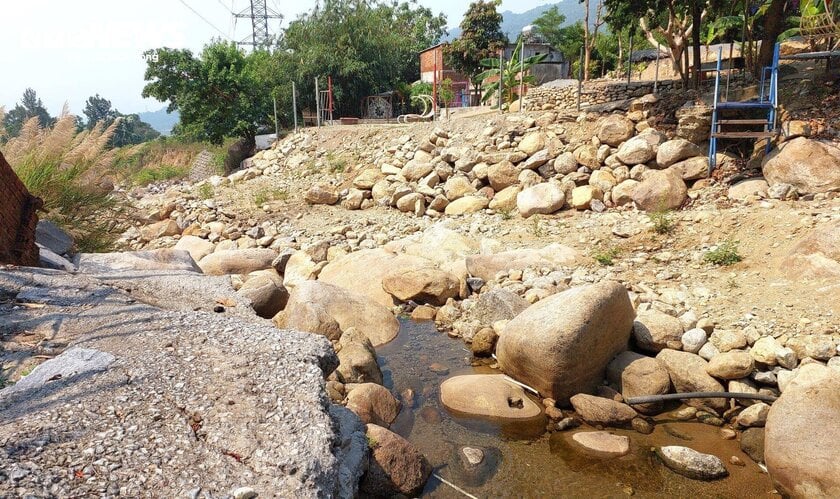
Luong Stream in Da Nang has completely dried up.
In particular, after the historic floods in October 2022 in Da Nang city, a large amount of soil and rocks were eroded, covering the waterway and destroying natural water-collecting points on the stream surface.
The drought along Luong stream is causing a water shortage, seriously affecting the daily lives of the Hoa Hiep Bac community. Furthermore, the water shortage deprives the community of the essential water source for irrigating over 10 hectares of rice paddies downstream of the stream.
The Luong stream also plays a crucial role in regulating the climate of the Nam Hai Van forest, ensuring a habitat for natural flora and fauna, and maintaining the ecological balance of the area. Protecting and restoring the Luong stream has become more urgent than ever, not only for the local community but also for the sustainability of the environment and life in the wider area.
Luong Stream, with a total length of over 15km, originates from Hai Van Pass, flows down to the central area of Hoa Hiep Bac ward, and then empties into the sea. Annually, Luong Stream provides millions of cubic meters of water to downstream residents for daily life and production, contributing to climate regulation in Sub-area 4A of the South Hai Van forest, ensuring a suitable habitat for animals and plants. However, the stream bed has narrowed considerably, with some sections less than 1 meter wide, and its ecosystem has been disrupted.