VI
VI


To mitigate overcrowding at popular destinations along the "Golden Route," Japan is implementing a new strategy to expand the range of experiences available to Vietnamese tourists. Through close collaboration with reputable travel companies, the Japanese government is developing unique travel itineraries, offering fresh and insightful discoveries about Japanese culture and nature.
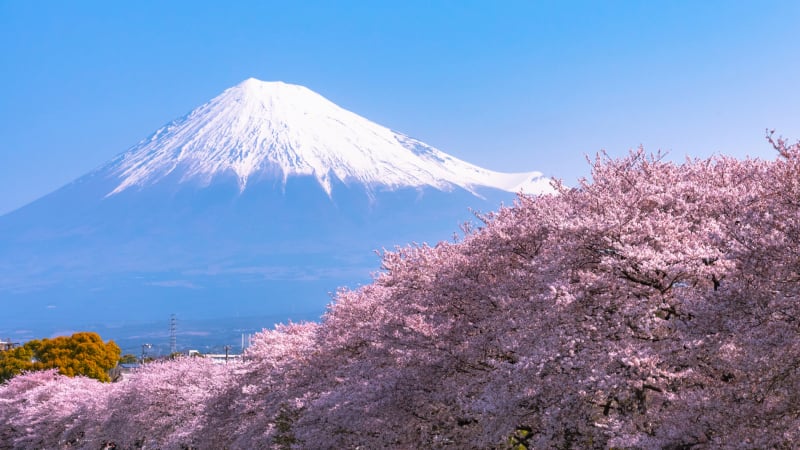
Recently, the remarkable growth in the number of Vietnamese tourists visiting Japan is a welcome sign; however, it also presents a significant challenge: up to 80% of these tourists are first-time visitors to Japan. This inevitably leads to an over-reliance on the "Golden Route"—a classic and well-known tourist route. Consequently, current tourism products mainly revolve around this familiar itinerary, raising serious concerns about tourist overcrowding in major cities and popular tourist attractions.
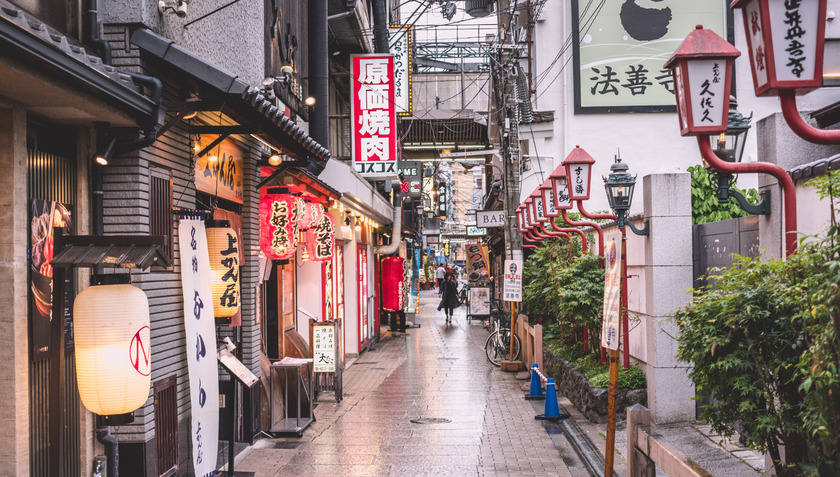
Japan is a popular destination in East Asia.
This excessive concentration not only puts pressure on tourism infrastructure but also diminishes the visitor experience due to crowded conditions. Recognizing this problem, Japan is striving to diversify its destinations, actively exploring and promoting "hidden gems" outside the bustling "Golden Route." The goal is to offer visitors new and unique experiences while reducing pressure on traditional destinations.
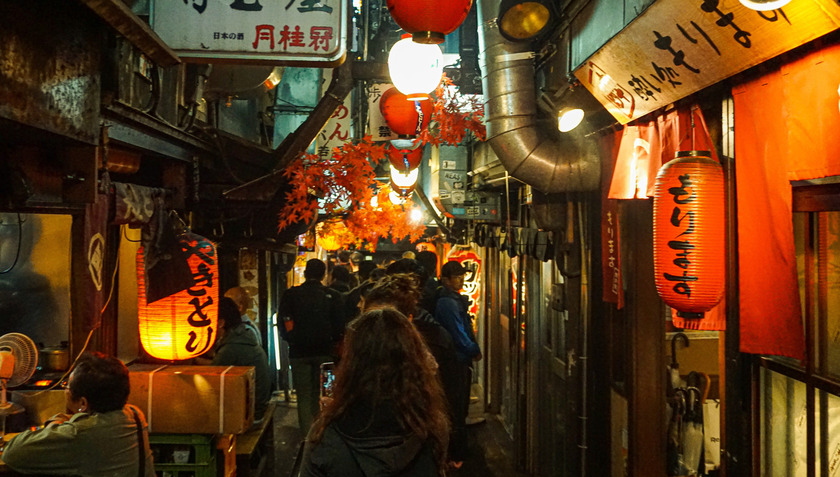
The locations along Japan's "Golden Route" are becoming overwhelmed with tourists.
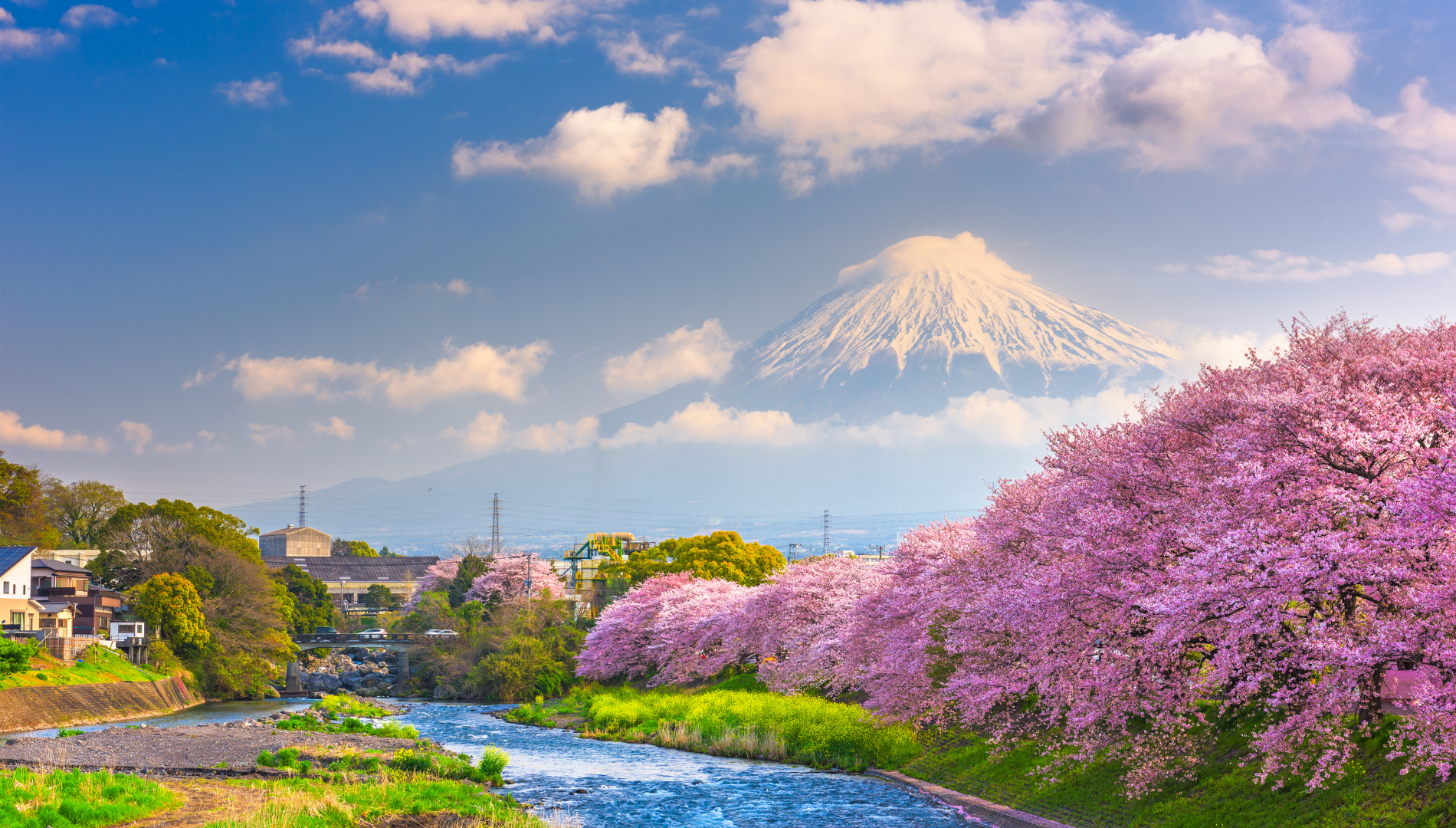
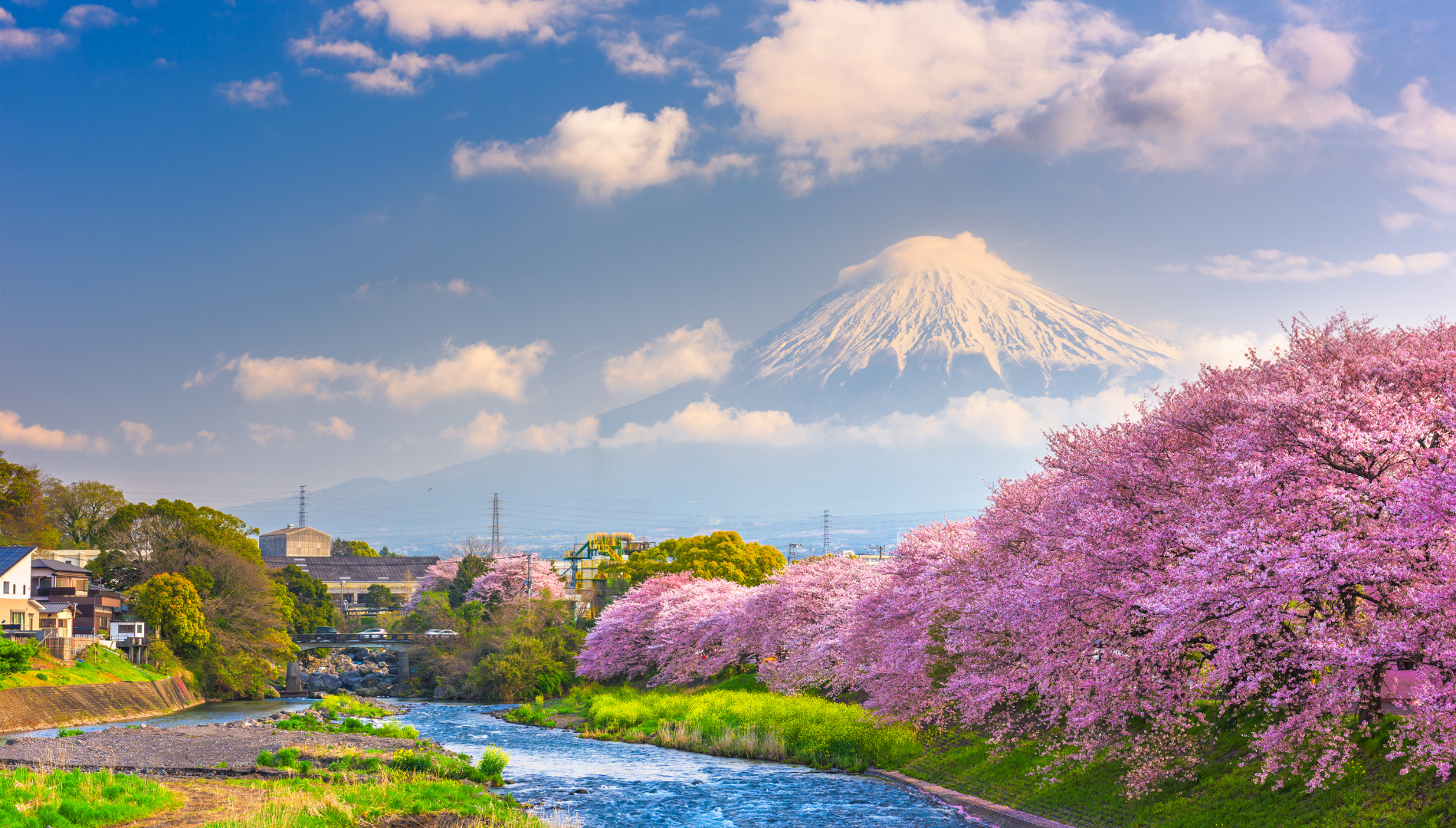
The "Golden Route" has long been an icon of Japanese tourism, an unmissable journey for those wishing to fully explore the quintessential beauty of the country's culture, history, and nature. From bustling and modern Tokyo, travelers will admire the majestic beauty of Mount Fuji, the sacred symbol of the nation. Next is the ancient capital of Kyoto, preserving the imprints of time through its ancient temples and shrines, steeped in traditional cultural identity. Finally, the journey will take travelers to Osaka, a youthful and dynamic city, a hub of unique culinary and entertainment culture. However, the beauty of Japan is not limited to the "Golden Route." There are still many other wonderful places waiting for travelers to discover.

Japan has long been a dream destination, ranking at the top of Vietnamese travelers' lists when considering East Asian tourism. However, it's noteworthy that almost 99% of first-time Vietnamese visitors to Japan choose the familiar "Golden Route" with its already well-known destinations. Only after these initial experiences do these returning travelers begin to seek out and explore new and unfamiliar areas outside of this traditional route.
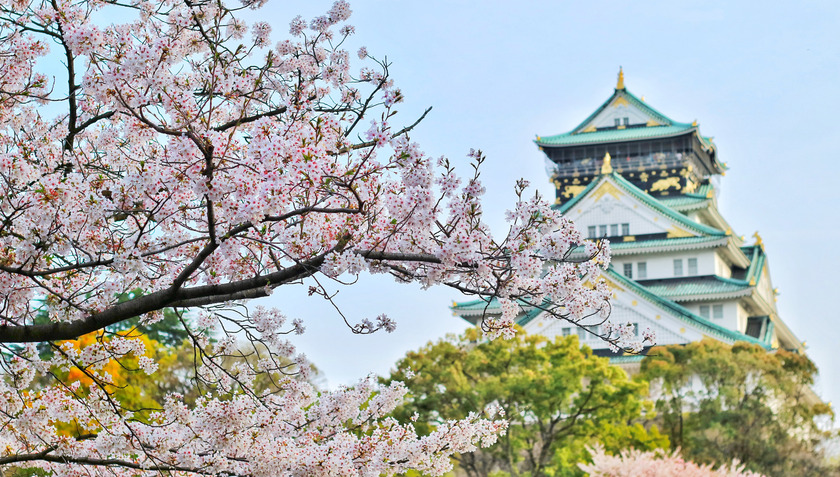
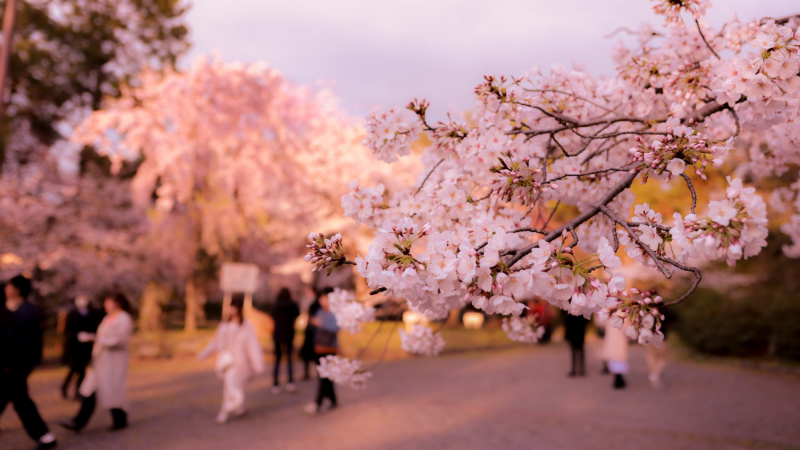
Japanese spring is highlighted by the blooming cherry blossoms, attracting Vietnamese tourists to Japan.
Recognizing this issue, Mr. Uchida Shusuke, Deputy Chief Representative of the Japan National Tourism Organization (JNTO), shared the new directions for 2025. Accordingly, Japan aims to promote sustainable tourism, increase tourism spending, and especially attract tourists to neighboring regions and areas with untapped potential.
To realize this goal, JNTO has been implementing a series of synchronized and effective measures. First, the agency is strengthening the promotion of unique tours, introducing accommodations that reflect local identity, thereby attracting tourists to new destinations. In particular, the Osaka Kansai Expo 2025 is expected to be a key event, creating a strong attraction for international tourists, including Vietnamese visitors. In addition, JNTO is also promoting tourism stimulus programs in Japan during the off-season, aiming to alleviate pressure during the peak season and provide tourists with more relaxing experiences.
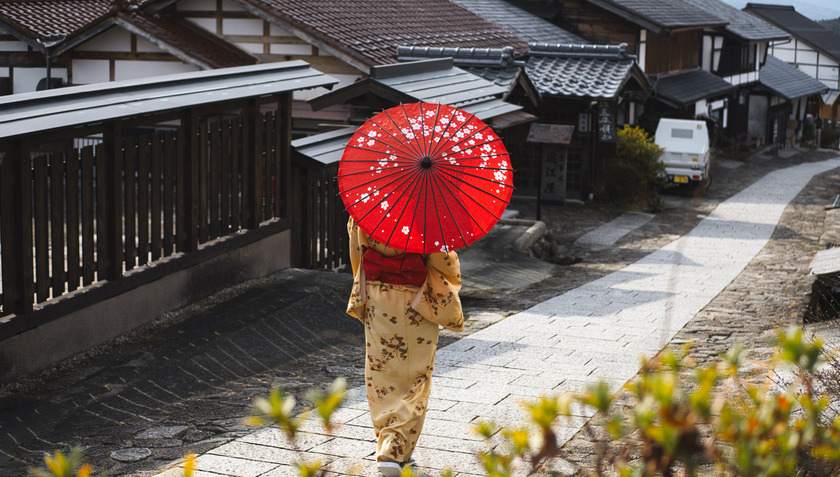
Japan is striving to diversify the travel experiences for Vietnamese tourists, avoiding over-reliance on the already overcrowded "Golden Route."
Beyond the well-known "Golden Route," Japan boasts countless other attractive destinations, promising unique and unforgettable experiences for Vietnamese tourists. Regions like Chugoku, Kyushu, and Hokkaido, with their majestic natural beauty, rich cultural heritage, and vibrant festivals, are ideal choices for those seeking a completely different Japan.
For example, the Setouchi Art Festival 2025 will be an impressive feast of visual arts, the historically rich Takehara Old Town, the Hiroshima Peace Memorial Park evoking painful yet meaningful memories, the Adachi Art Museum celebrating the beauty of Japanese art, and the sacred spiritual destinations of Matsue Castle and Izumo Taisha Shinto Shrine. All these locations promise to offer visitors memorable, profound experiences, and are, importantly, not overly crowded.
At the "Japan Tourism Conference 2025 in Ho Chi Minh City," recently held, Ms. Matsumoto, Chief Representative of the Japan National Tourism Organization (JNTO) in Vietnam, shared impressive statistics on the strong growth of the Vietnamese tourism market to Japan. According to her, in 2024, Japan welcomed 621,100 Vietnamese tourists, marking a spectacular 8.2% increase compared to the previous year and breaking the record set in 2023. This growth momentum continued strongly in January 2025, with the number of Vietnamese visitors to Japan increasing by 13% year-on-year, reaching 50,400.
These impressive figures have propelled Vietnam to the 10th position on the global tourism map and the 4th position in Southeast Asia in terms of the number of tourists visiting Japan. However, Ms. Matsumoto also pointed out a concerning issue: the excessive concentration of Vietnamese tourists during peak seasons, especially cherry blossom season (March-April) and summer holidays (July-August). Furthermore, the majority of tourists still opt for traditional tours, exploring familiar destinations, leading to overcrowding at some popular locations.