VI
VI


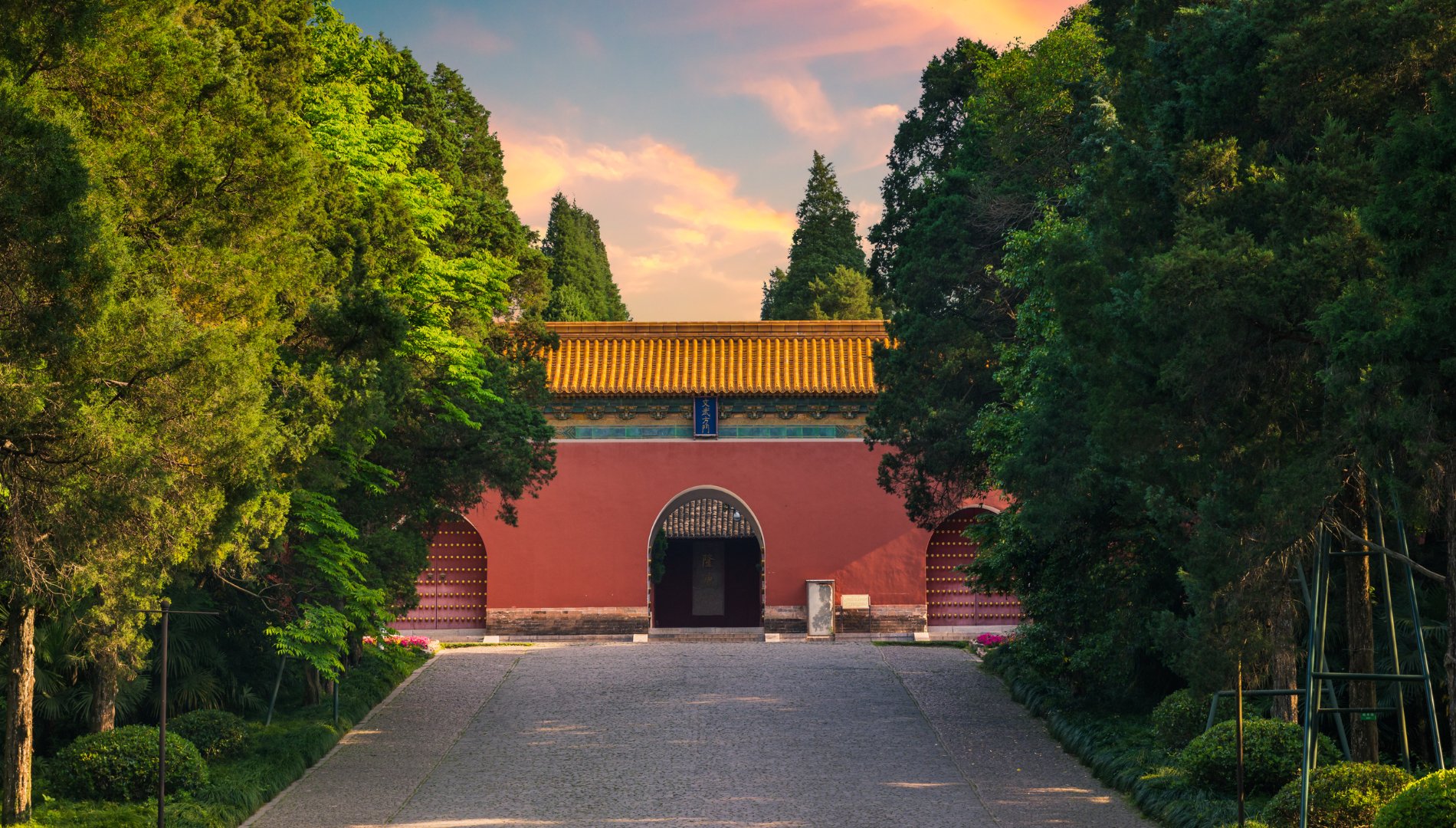
Visiting Nanjing is like stepping into an ancient, tranquil space where time seems to stand still amidst the centuries-old tombs, temples, and pagodas. To fully appreciate the city's multifaceted beauty, visitors should depart around September or October, when Nanjing is just beginning to enter autumn. If you're still unsure where to start, the suggestions below will be an ideal guide for your fascinating exploration of Nanjing.
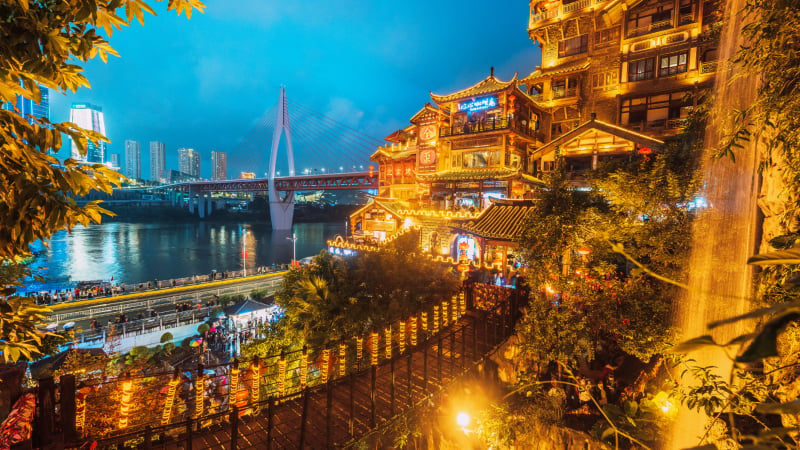
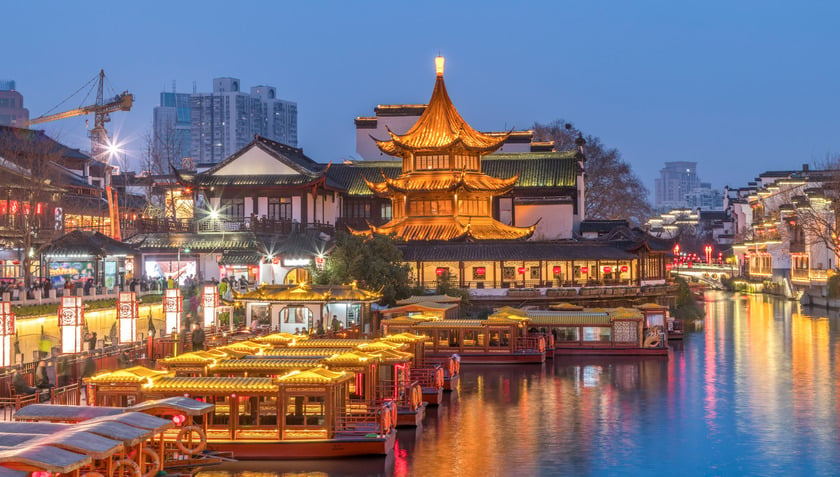
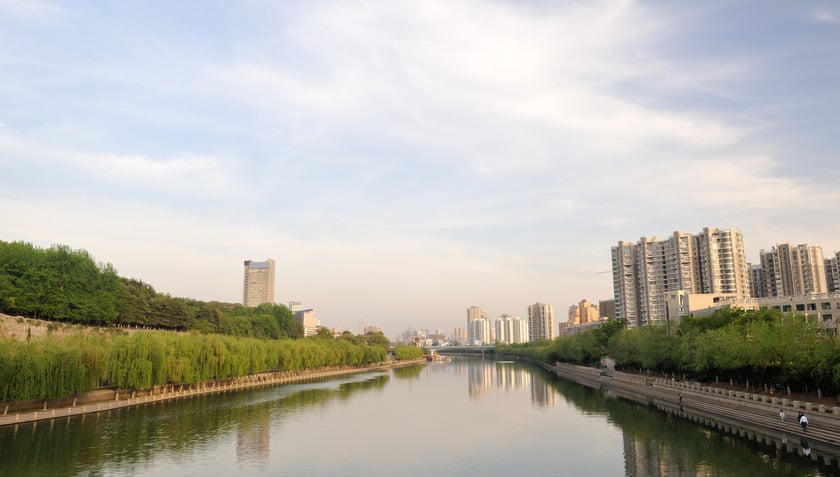
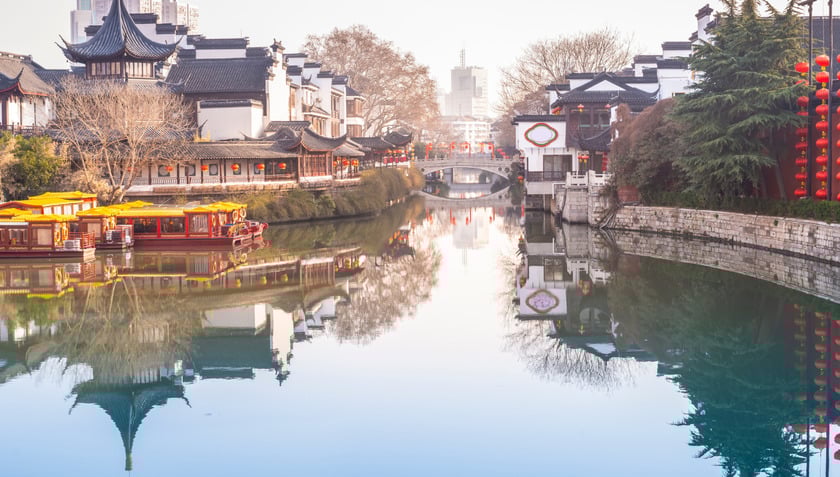
The Qinhuai River, the cultural "lifeline" of the ancient capital.
Stretching over 110km, the Qinhuai River is considered the lifeblood and inseparable cultural and historical symbol of Nanjing. This river is as beautiful as a vibrant ink painting, where painted boats glide peacefully, reflecting the shimmering lights from bustling shops and ancient relics along its banks. As night falls, the Qinhuai becomes even more enchanting with its magical lights and echoing traditional music, transporting visitors to a romantic and nostalgic atmosphere.
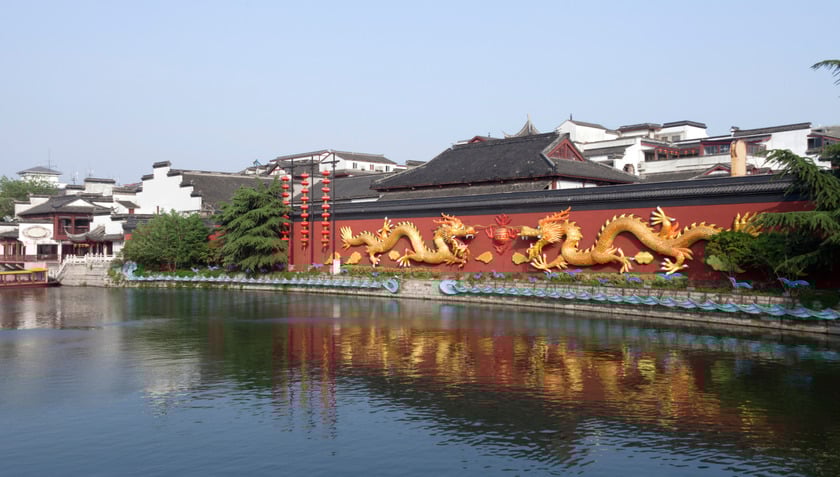
The Qinhuai River, stretching over 110km, is considered the lifeblood and cultural-historical symbol of Nanjing.
If you want to fully appreciate the charm of the river, a leisurely boat trip is the ideal choice. This journey not only takes you past impressive architectural landmarks but also allows you to immerse yourself in the daily life of the locals while admiring the stunning panoramic views of the ancient capital.
Mount Zijin: A "Dragon" winding amidst the clouds.
Located east of Xuanwu County in Nanjing City, Zijin Mountain rises majestically like a dragon winding against the azure sky. This mountain boasts a rich ecosystem of flora and fauna, along with three uniquely shaped peaks, creating a magnificent natural landscape. Especially at sunrise and sunset, the mountain peaks are often shrouded in mystical purple and golden clouds, creating a breathtaking scene reminiscent of a celestial realm on earth. Furthermore, surrounding Zijin Mountain are over 200 historical sites and scenic spots of varying sizes, forming a diverse and unique cultural and historical complex that invites visitors to explore.

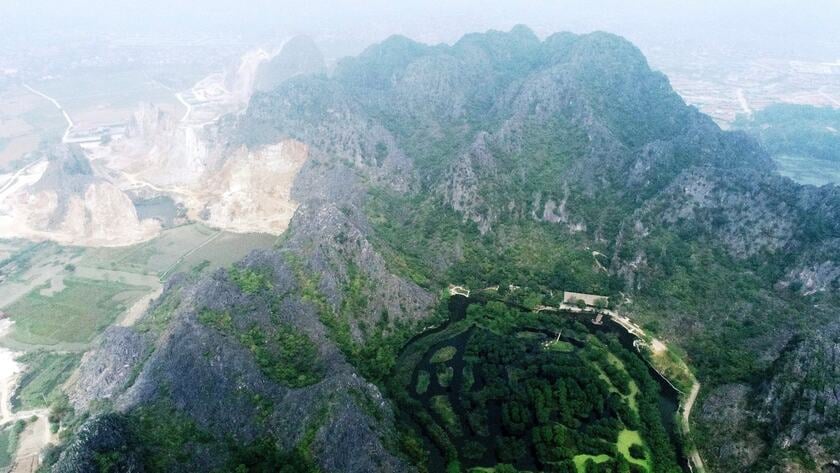
Mount Zijin with its ancient beauty
Minh Hieu Mausoleum, the resting place of the founding emperor.
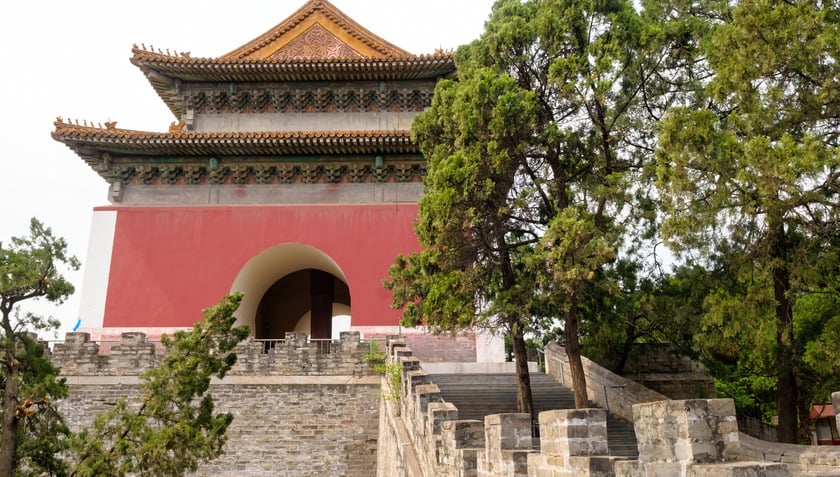
Ming Xiaoling Mausoleum is the resting place of the founding emperor of the Ming Dynasty, Zhu Yuanzhang, and his empress, Ma Shi. Construction of the mausoleum began in 1381 and was completed in 1405. It is considered one of the largest imperial mausoleums in Chinese history, covering a total area of 1.7 million square meters.
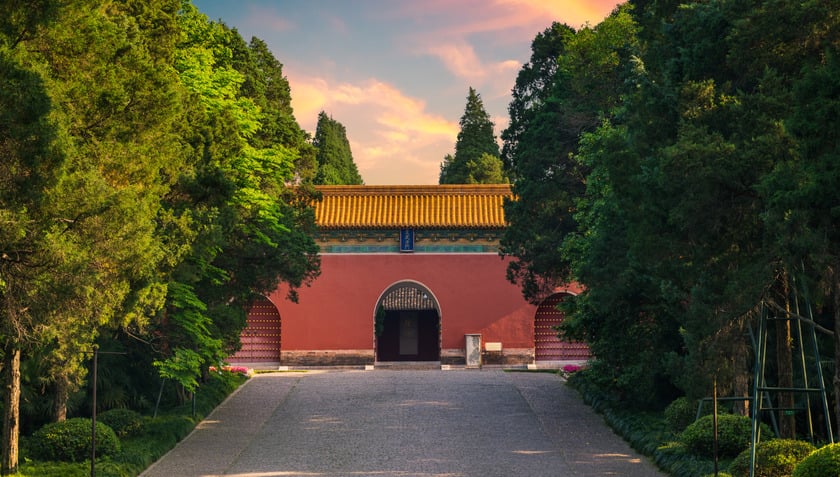
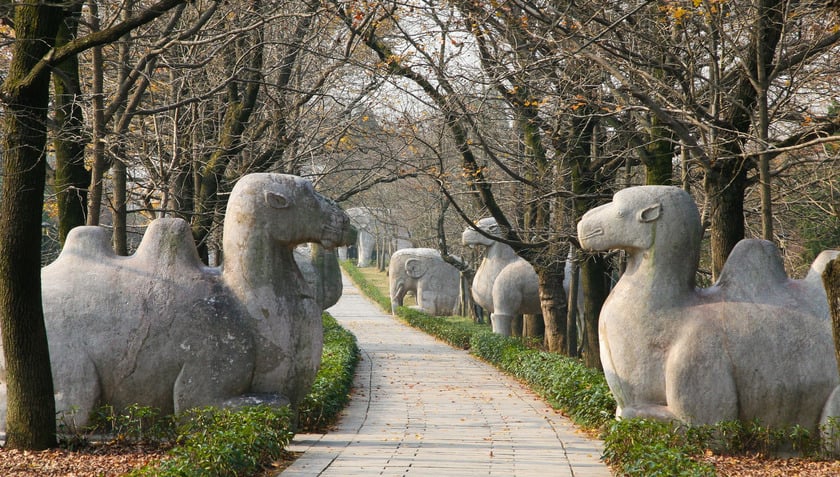
This is considered one of the greatest imperial tombs in China.
The overall architecture of Minh Hieu Mausoleum is divided into two distinct parts. The first is the Sacred Path, extending from the entrance gate to the Ha Ma Phuong archway, highlighted by a row of stone statues of lions, elephants, horses, and camels – symbolizing the guardianship and protection of the imperial family's eternal resting place. The second part consists of the main buildings, which also house the tombs of the emperor and empress. In autumn, besides its inherent solemnity and tranquility, the site takes on a poetic and romantic charm with the gentle blooming of osmanthus flowers and the golden hues of the leaves covering a corner of the sky, creating a scene that is both dignified and romantic.
Sun Yat-sen Mausoleum: A symbol of the democratic revolution.
The Sun Yat-sen Mausoleum is the final resting place of Sun Yat-sen, a pioneering leader of China's democratic revolutionary movement in the early 20th century. Spanning over 80,000 square meters, the complex is impressive for its unique symmetrical architecture and includes various elements such as a plaza, stone gate, tomb pathways, mausoleum entrance, stele pavilion, sacrificial hall, and burial chamber.
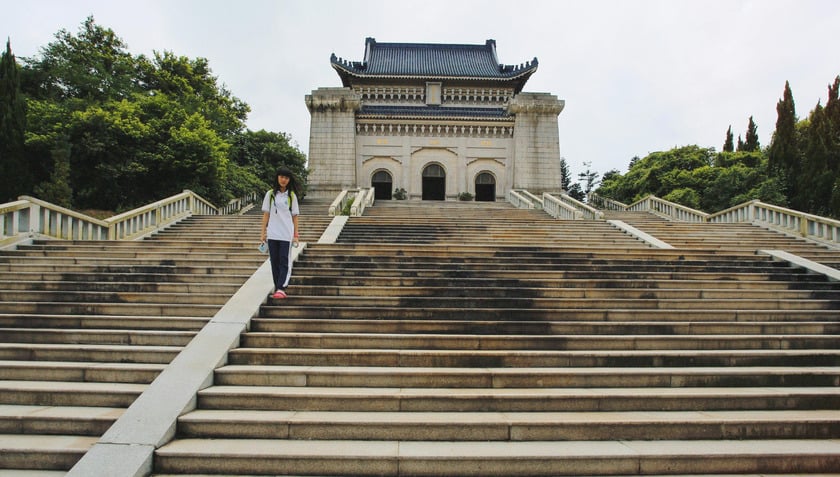
For those who love Chinese history, the Mausoleum of Sun Yat-sen is a must-see stop on any trip to Nanjing.
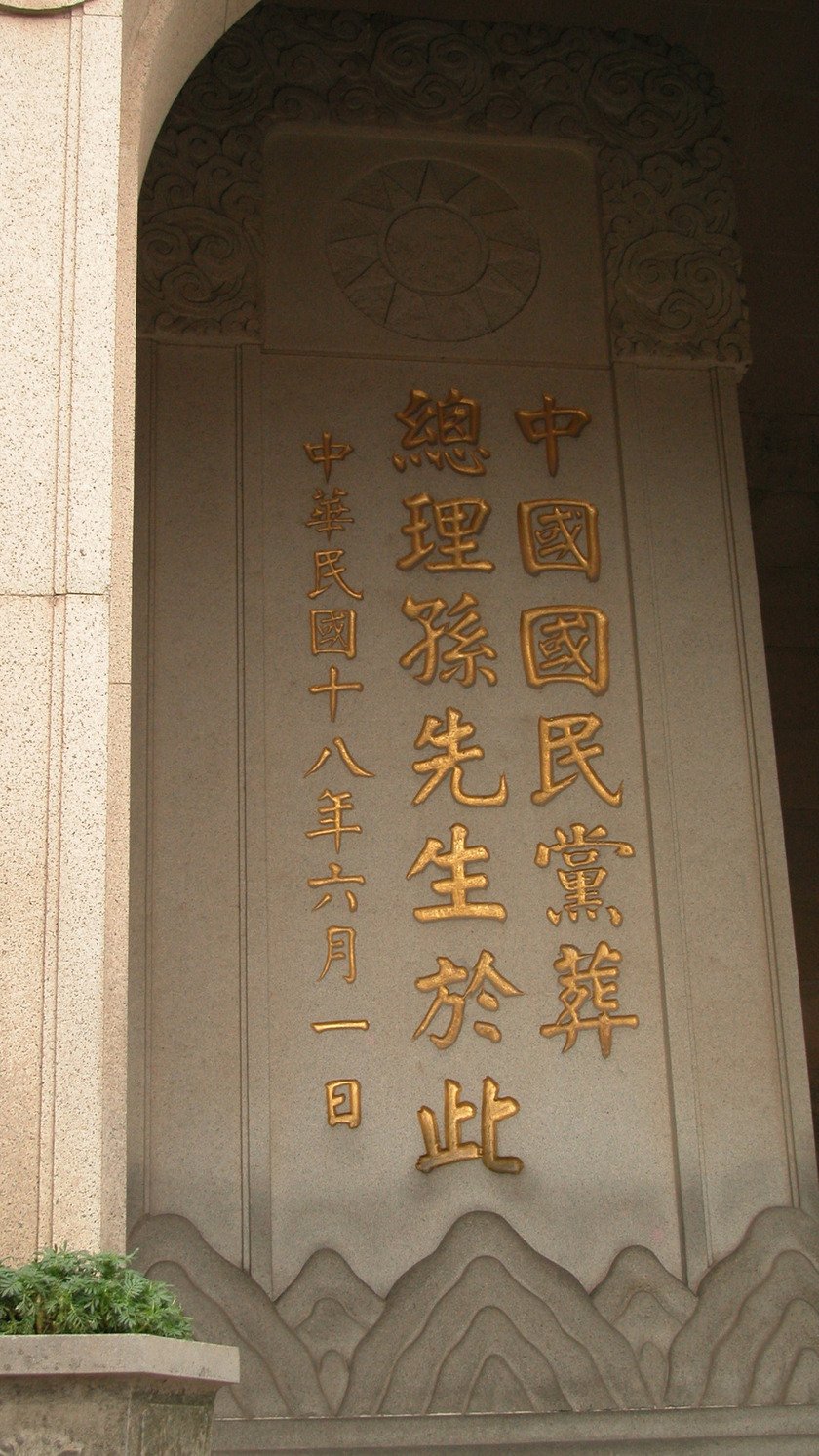
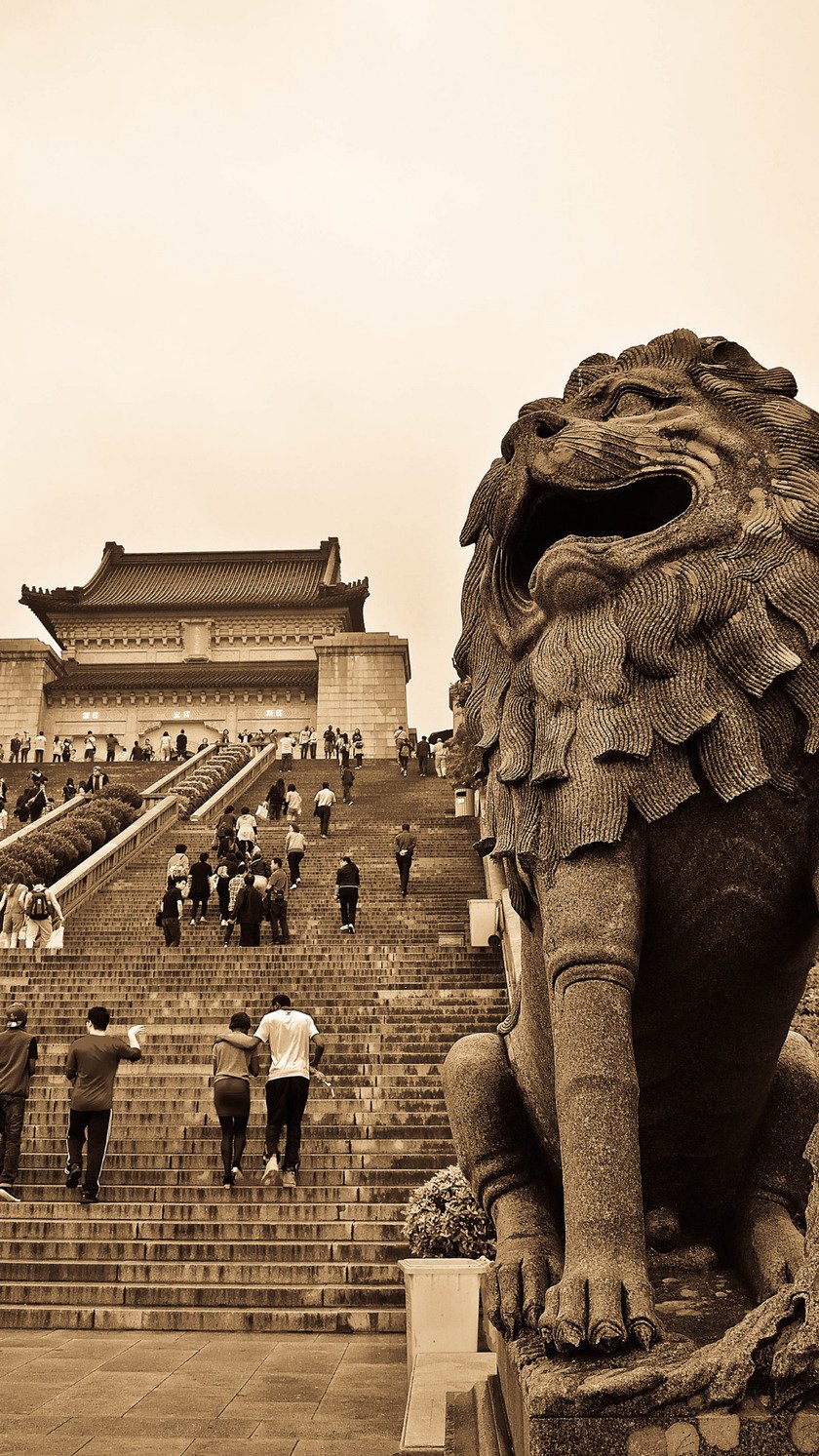
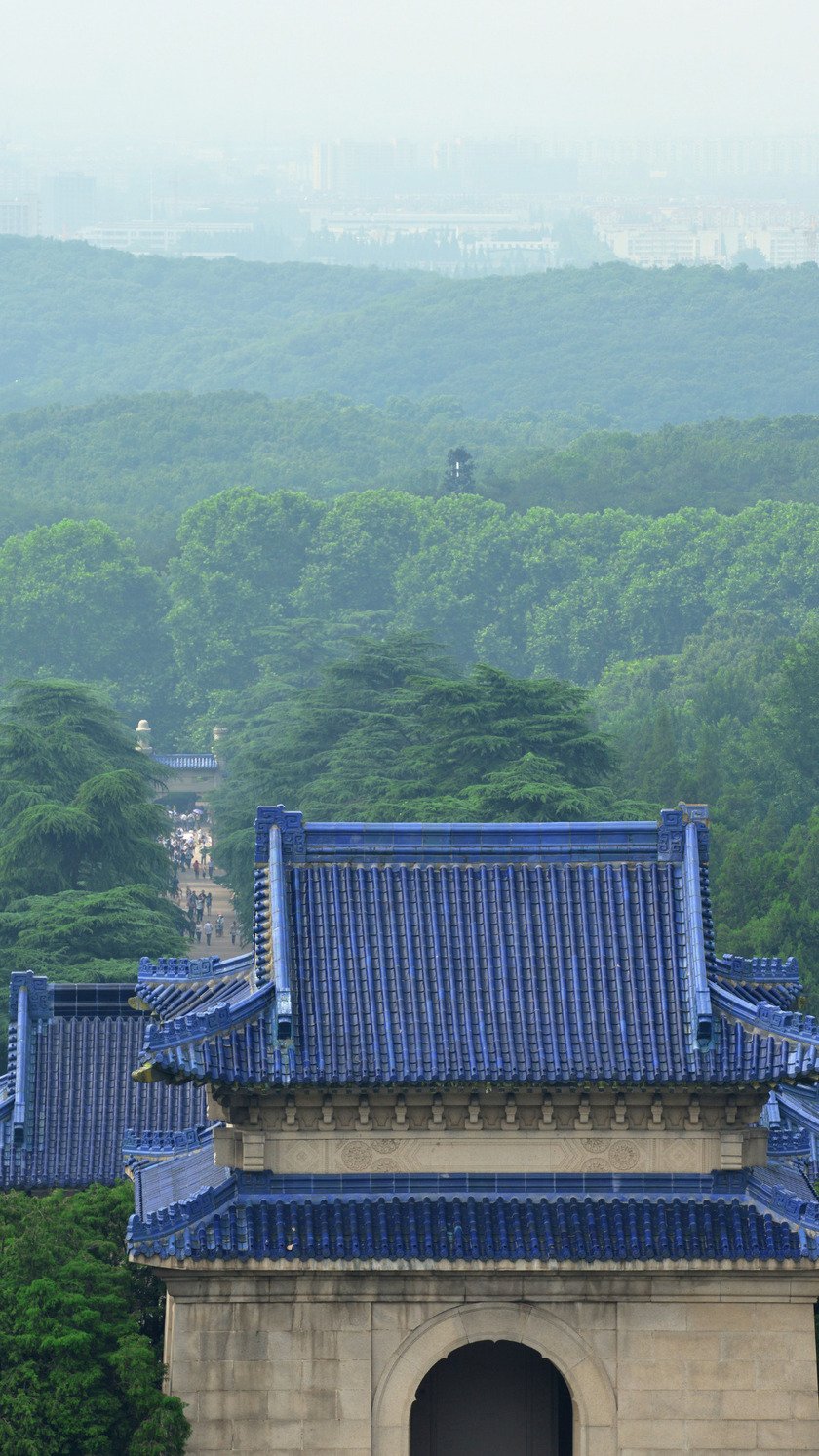
For those who love Chinese history, Sun Yat-sen's mausoleum is a must-see stop on a trip to Nanjing. Surrounding the mausoleum are many other famous historical sites such as the former residence of Chiang Kai-shek and his wife, Meiling Palace, and the former presidential palace of the Republic of China, all contributing to a better understanding of important figures and key periods in China's modernization process.
Nanjing Yangtze River Bridge: A testament to modern architecture.
The Nanjing Yangtze River Bridge, measuring 6,772 meters in length, is notable for its dual-tiered design, serving both as a highway and a railway bridge. It is the third bridge built across the Yangtze River and also the first double-tiered railway bridge designed and constructed entirely by the Chinese, without any foreign technical assistance.
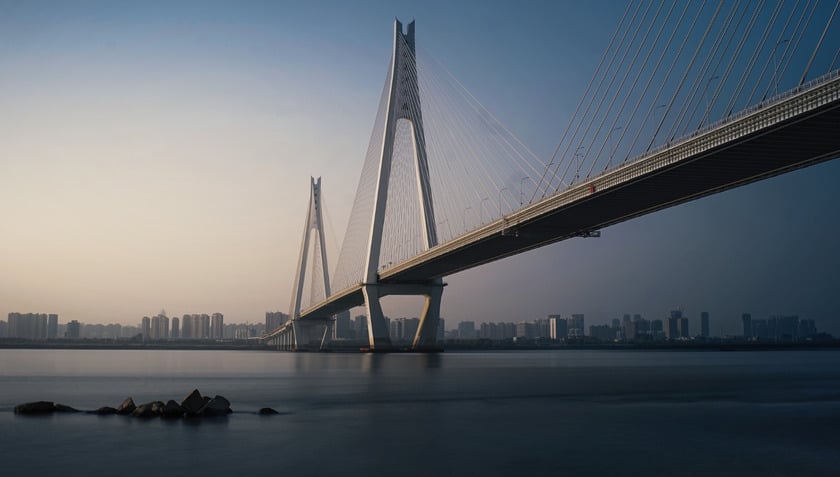
Icons of modern architecture
Stopping at this iconic bridge, you'll have the opportunity to admire the beauty of the legendary Yangtze River as it flows through Nanjing, and also clearly feel the daily urban life of the people here, a perfect connection between history and modernity.