VI
VI


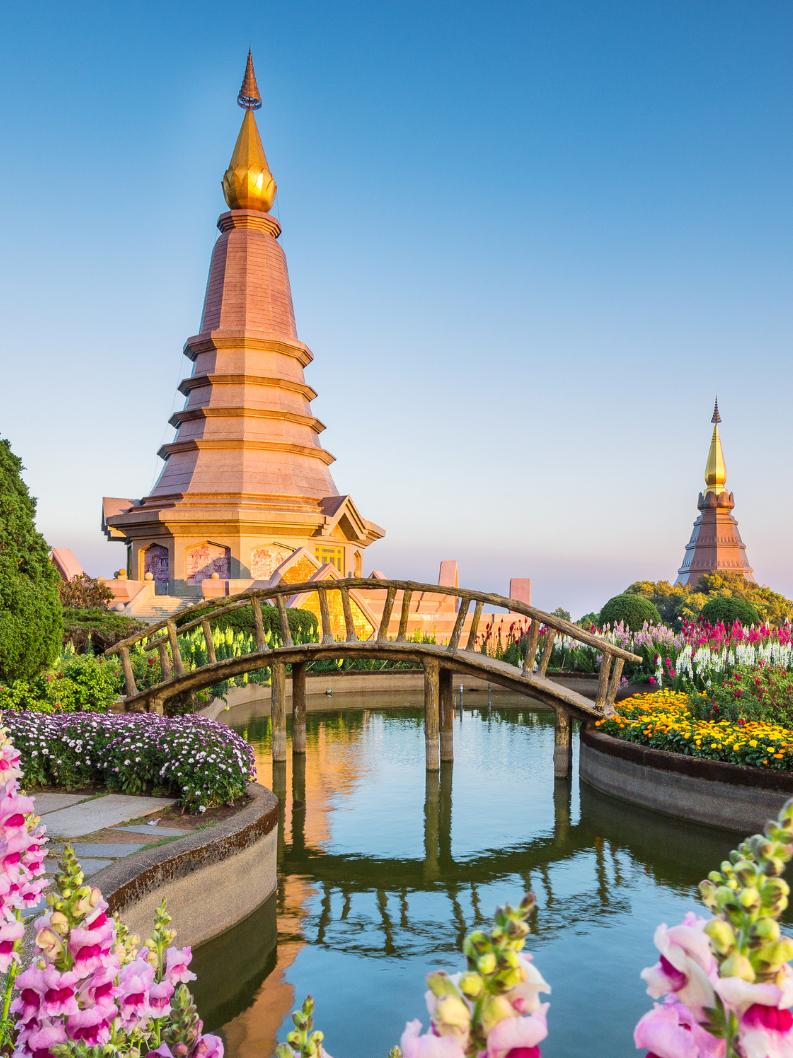
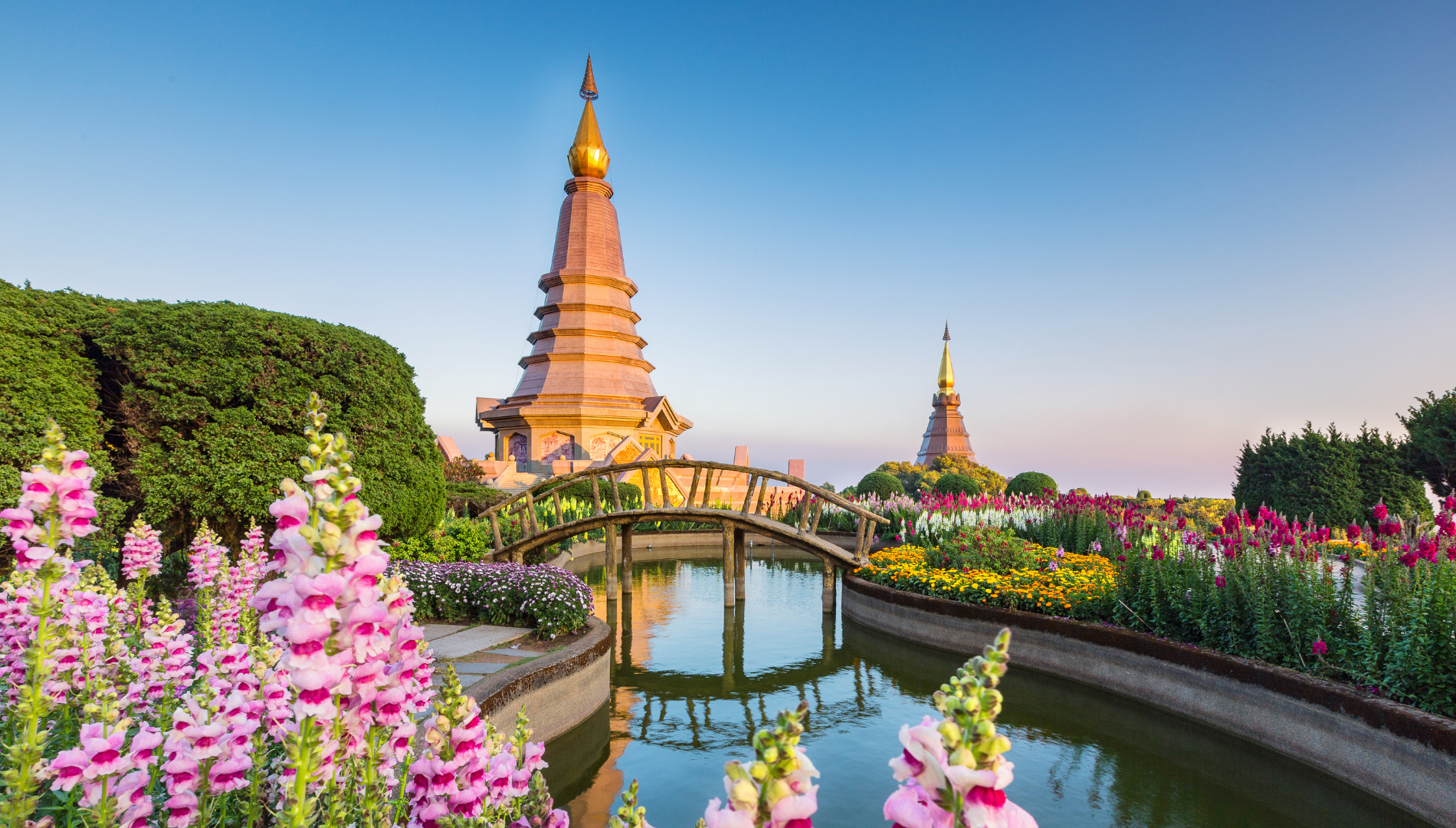
Thailand is undoubtedly a very familiar tourist destination for Vietnamese people. Not only is transportation simple and time-saving, but Thailand also boasts many beautiful landscapes, architecture, and unique cultural features. However, the "homeland of Muay Thai" also has distinct and very strict rules, so it's important to be aware of these before visiting the country.
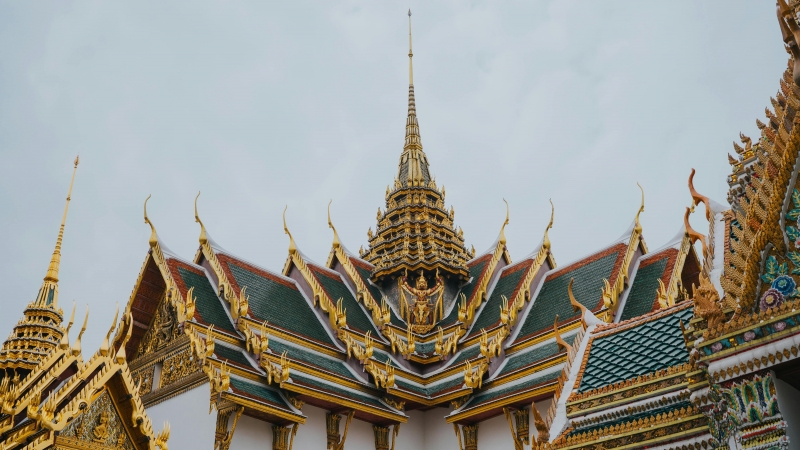

Do not speak ill of the Thai Royal Family - it is taboo in cultural communication.
Did you know that one of the biggest taboos when communicating with Thais is mentioning the Royal Family? Thais hold the King in immense reverence and view them as a symbol of the nation. Disrespecting the Royal Family can have serious consequences, even violating the law.
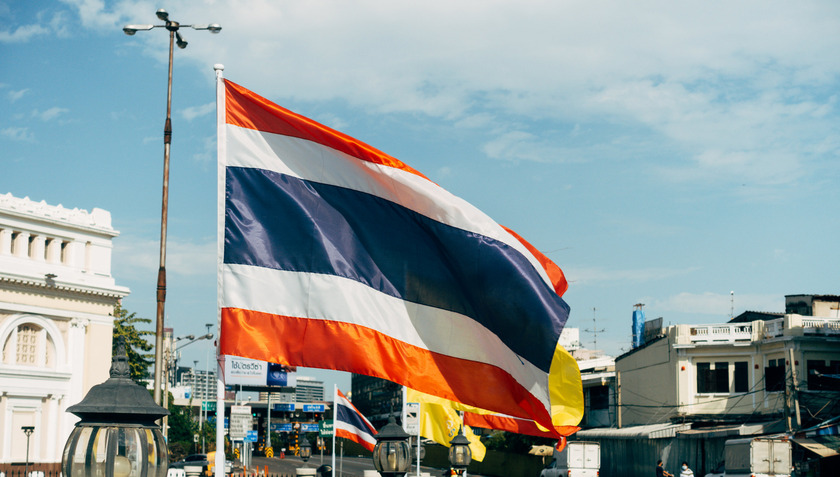
Thai people hold the king in immense reverence and view him as a symbol of the nation.
Thai culture is a vibrant tapestry where reverence for the royal family is a cherished tradition. Images of the King and Queen are ubiquitous throughout the country. Tourists should absolutely refrain from mocking or making fun of the King or members of the royal family. Failure to do so will result in severe penalties.
Use your feet in some activities.
Pointing your toes or placing your feet on people or objects is considered impolite in Thailand. Raising your feet toward temples, Buddha statues, or monks is particularly rude and unacceptable. You will also be judged if you use your feet to close doors, step over things, or kick something.
Do not whistle at night.
Have you ever wondered why Thais avoid whistling at night? According to folklore, whistling at midnight is believed to summon spirits. Therefore, whistling in the evening is thought to bring bad luck.

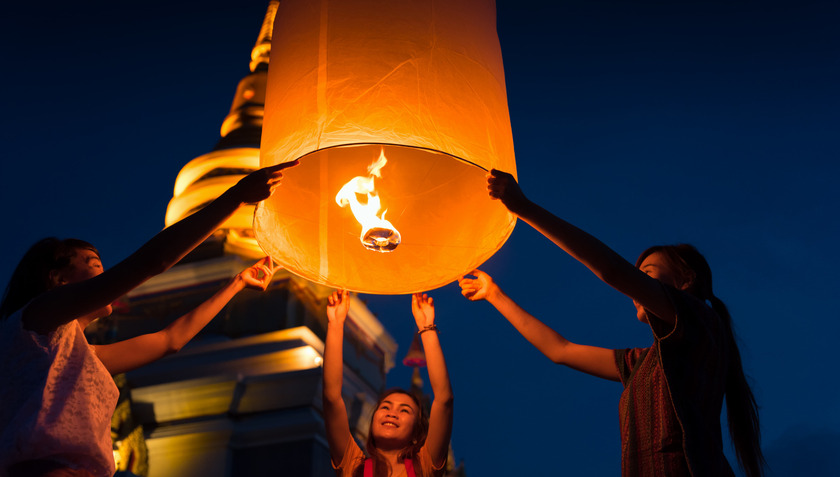
According to folklore, whistling at midnight is believed to be the sound that summons spirits.
Therefore, if you do this, you will offend the local people, and you may also bring misfortune upon yourself.
Although this custom is no longer as common as it once was, to avoid misunderstandings and show respect for the local culture, you should refrain from doing this while in Thailand.
Taboos in eating and drinking
When visiting Thailand, enjoying the local cuisine is a must, but there are also rules that everyone needs to follow. When eating, food is served on a table with a plate of rice in the center for everyone. Each person must share a spoon with everyone else and not use their own spoon. Furthermore, diners are not allowed to leave knives on the table or sample food from other people's plates.
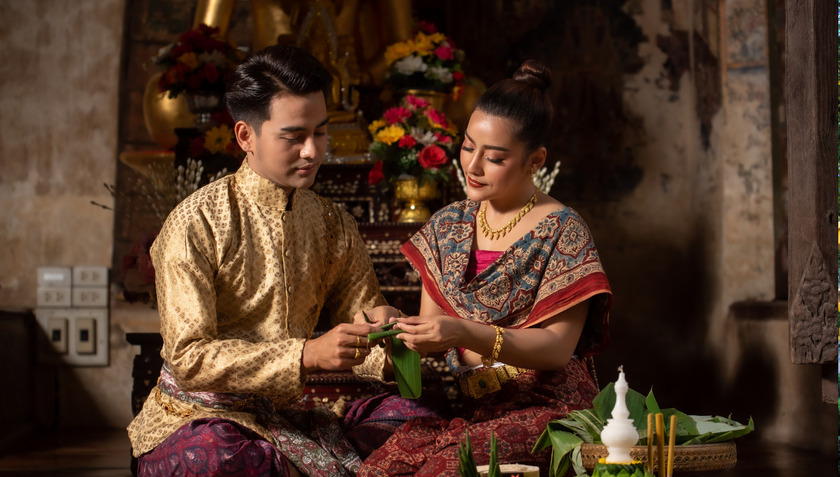
Thais have strict rules when it comes to food.
Do not act disrespectfully towards monks.
Over 90% of Thailand's population follows Buddhism. Every man is expected to undergo two periods of monastic life in his lifetime. Therefore, tourists visiting Thailand will frequently see monks walking around in public.
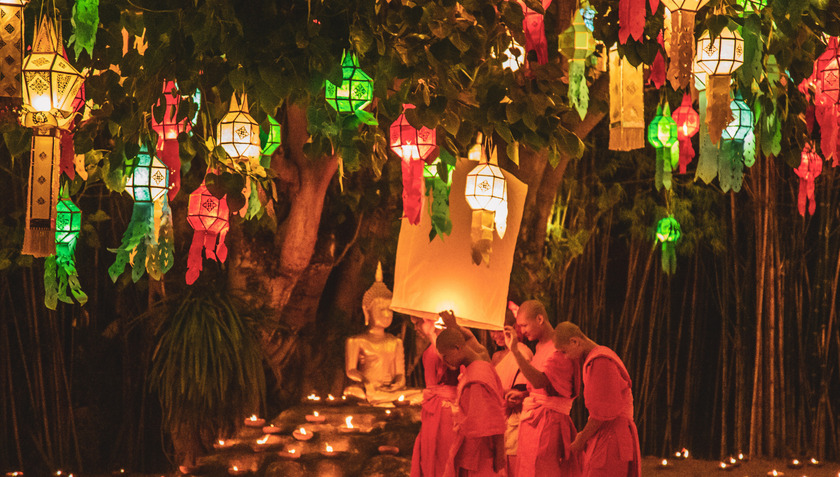
Thai people believe that those who lived virtuous lives and practiced good deeds in their previous lives will enjoy wealth and prosperity in this life.
On sunny days, if visitors have to walk in front of a monk, they should avoid stepping on his shadow. According to Buddhist teachings, the monk's shadow is essentially the monk himself. Stepping over the shadow is like stepping on his body. This is considered disrespectful and should be avoided.
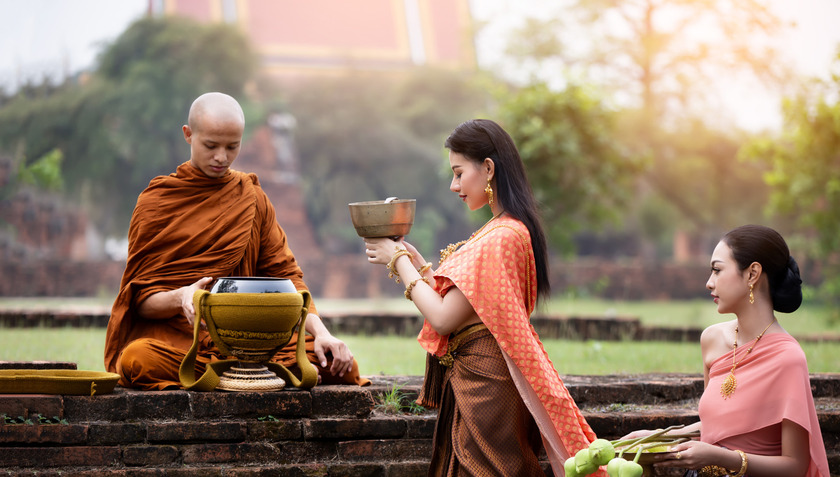
This country has 75 provinces and cities with an impressive number of over 30,000 temples and approximately 350,000 monks.
Monks are forbidden from touching, or even directly handing, women anything. Instead, they place the item down, and the woman picks it up. Men may be allowed to interact with monks, but they must maintain a certain distance as a sign of respect. In Thailand, no one is allowed to stand on equal footing with a monk.
Respect the cultural and religious beliefs of the Thai people.
Legend has it that Thailand is a land steeped in mystical spirituality. Because of this, Thais often believe in fortune telling or superstitious customs. In Thailand, people frequently consult fortune tellers or Buddhist monks to determine auspicious dates for important events such as weddings, buying houses, or purchasing cars.
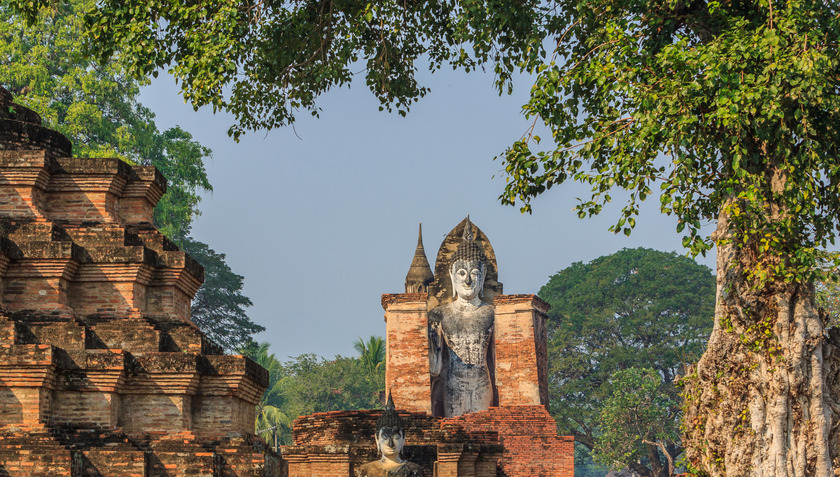
The temples and pagodas scattered throughout the country demonstrate the significant influence of Buddhism on the daily lives of its people.
Furthermore, in Thailand, there is a tradition of giving newborn babies nicknames in the hope of tricking or warding off evil spirits that might steal the child. Thais often refrain from praising newborn babies and do not cut children's hair when they are sick. They also have superstitious beliefs such as spirits residing in dolls and stories about male and female twins.
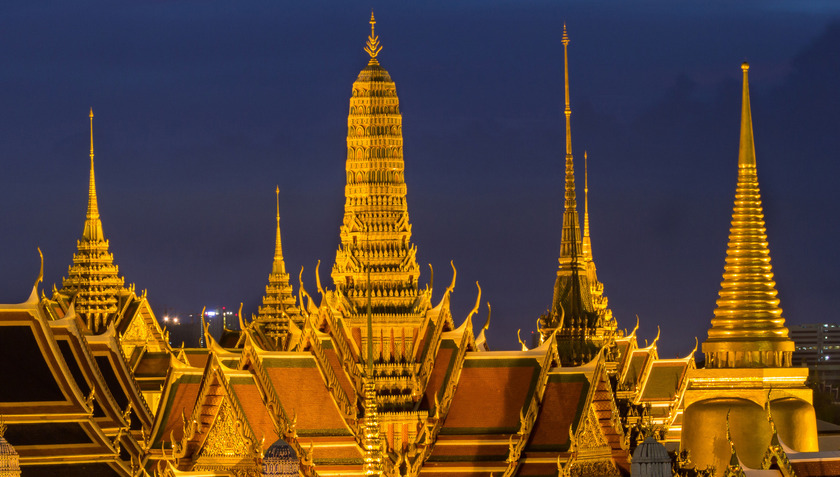
In Thailand, Buddhism is the national religion.
Thais are known for their friendliness and tolerance. They understand that visitors come from many different cultures, and small mistakes can happen. Therefore, if you accidentally make a minor mistake, Thais will usually overlook it and simply see it as an interesting cultural difference. This tolerance contributes to the warm and welcoming atmosphere of the Land of Smiles.