VI
VI


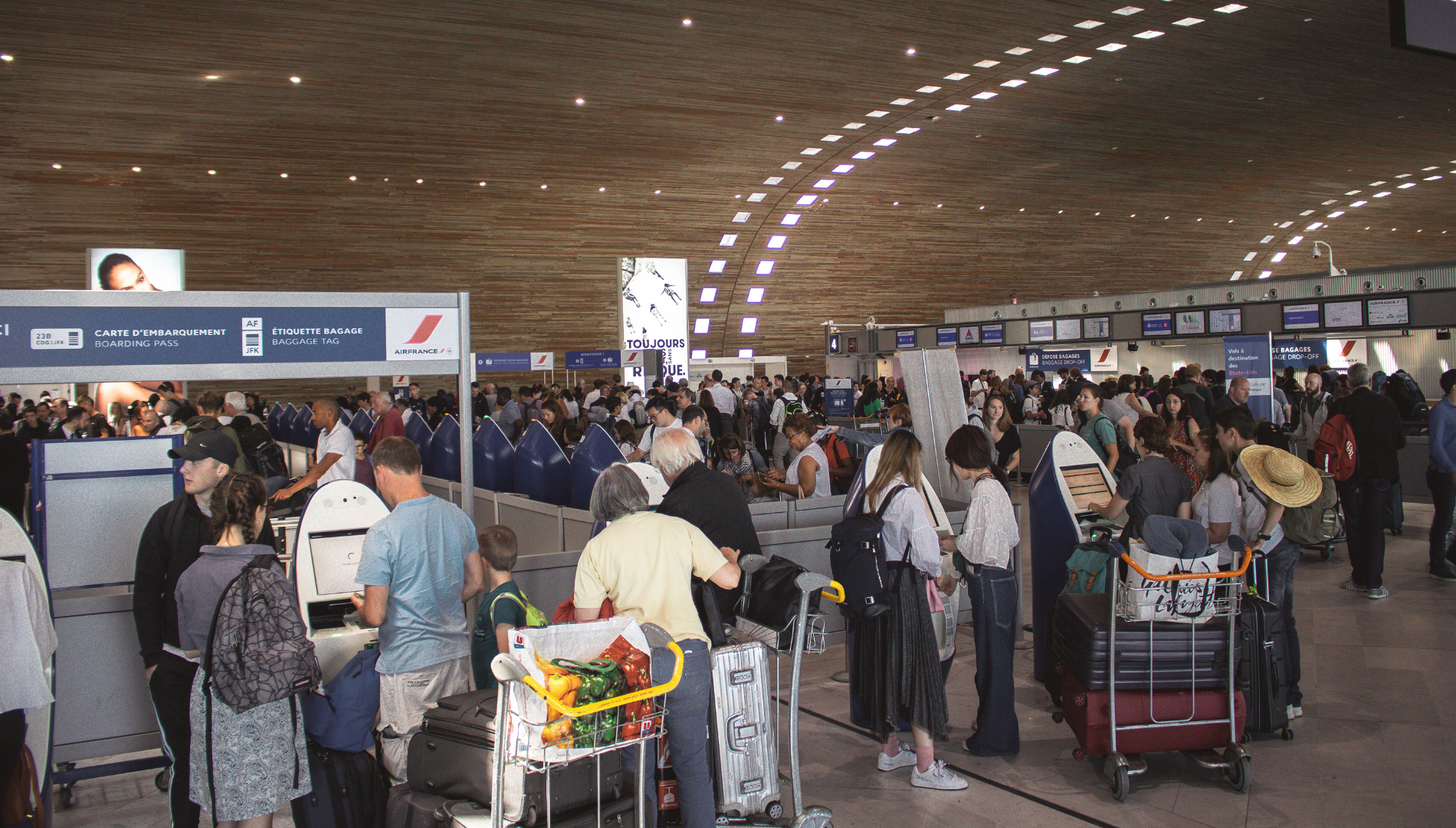
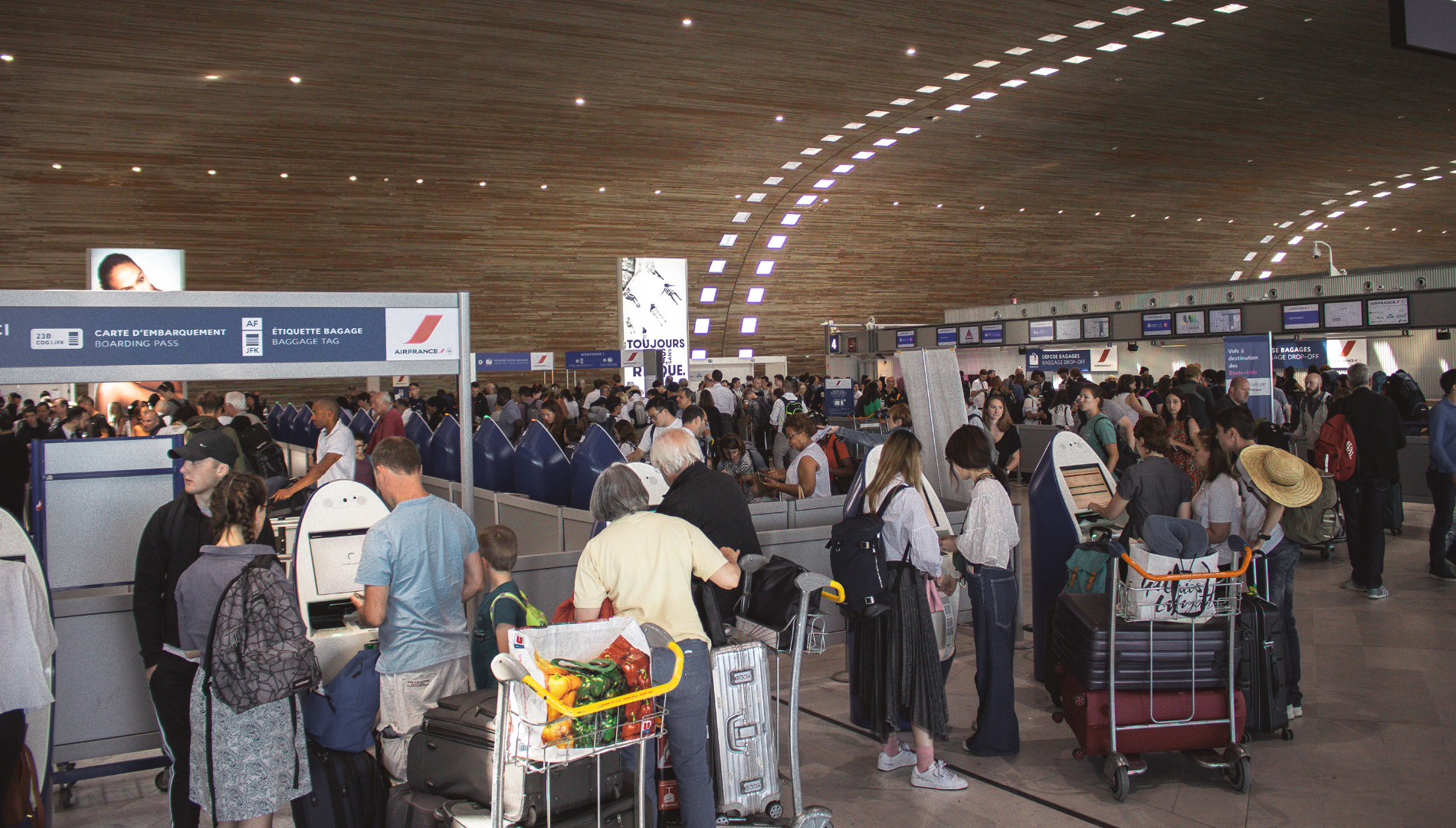
According to a report by the Korea Times on February 5th, in 2024 alone, Incheon Airport confiscated tens of tons of food from passengers' luggage due to violations of airport regulations.
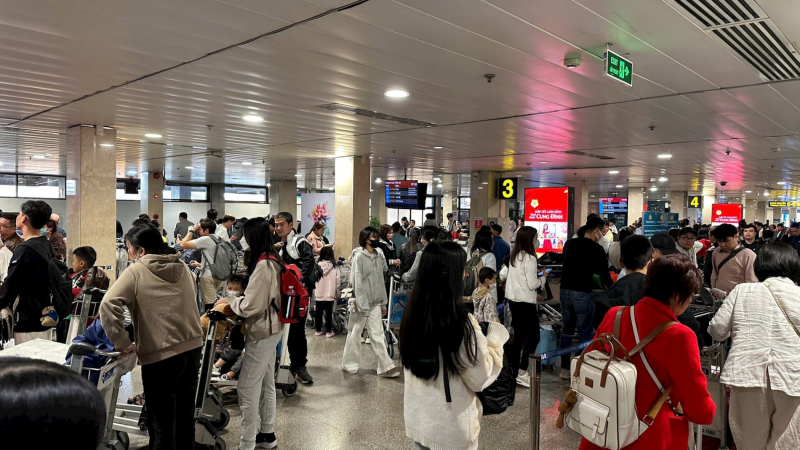
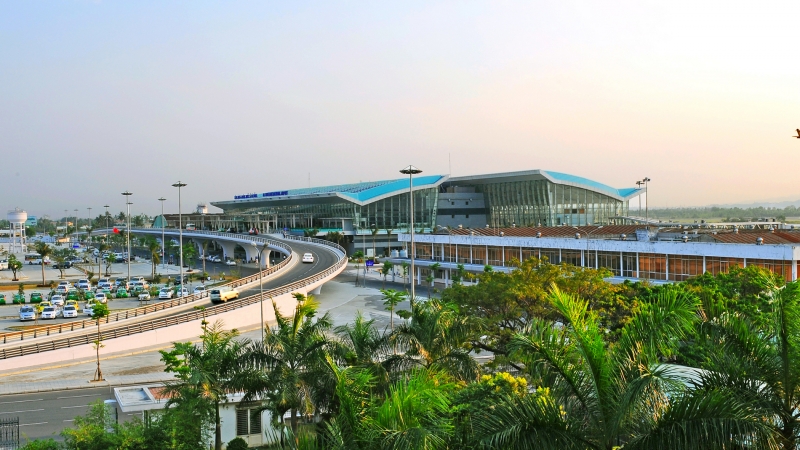
The confiscated "items" included not only ordinary bottles of water and tubes of skin cream, but also kimchi – the national dish of Korea, rice – an essential staple in daily meals, and fermented sauce – an indispensable seasoning in many traditional dishes.
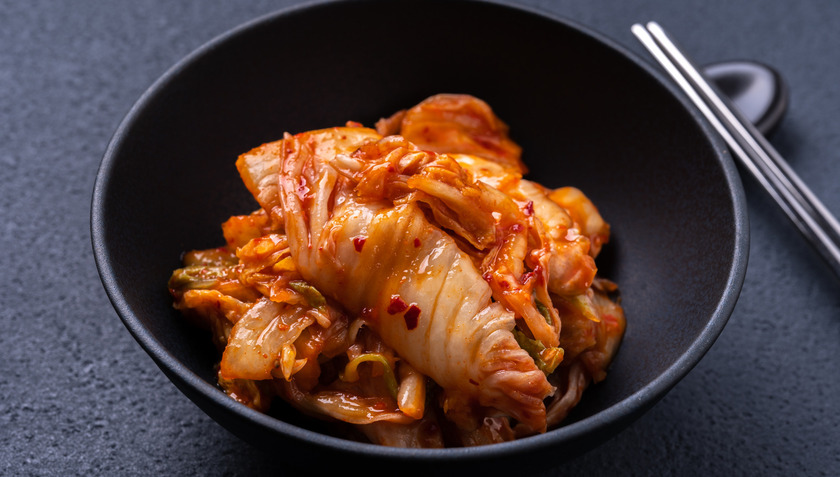
Apparently, it was this sauce that caused kimchi to be classified as a liquid, making it impossible to carry on an airplane.
Last year, an astonishing figure was recorded at Incheon International Airport (ICN) in South Korea: 10.7 tons of kimchi were confiscated from passengers' luggage. Kimchi, a traditional Korean dish, is often packaged in plastic bottles or bags containing a distinctive spicy sauce. It is this sauce that classifies kimchi as a liquid, and therefore, it is not permitted as carry-on baggage if it exceeds the 100ml limit.
This regulation applies not only to Incheon Airport but is also a common rule at many international airports worldwide. The purpose is to ensure flight safety and prevent the risk of liquid leaks or unsafe use. However, for many Koreans, kimchi is not just a dish, but a part of their culture, a taste of home they want to carry with them when traveling. Therefore, despite knowing the rule, many people still try to circumvent it by carefully packaging kimchi, hoping to fool security personnel.

Not only kimchi, but Incheon International Airport also confiscated 10.5 tons of jang last year, a general term for traditional fermented sauces and pastes. A popular South Korean travel content creator had to post a video on YouTube reminding people that kimchi must be placed in checked baggage. The video subsequently garnered 1.2 million views.
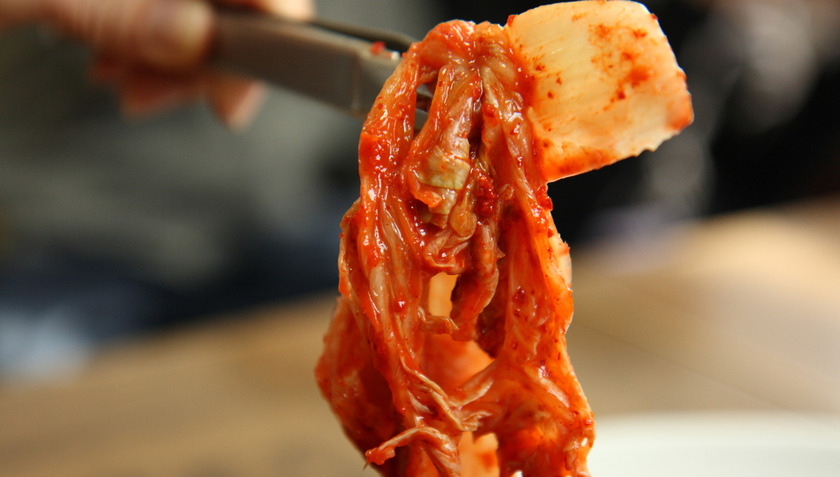
Many people have spoken out on social media to remind passengers and alleviate misconceptions about bringing kimchi on airplanes.
According to airport representatives, instead of being wasted, this food will be handled in two ways: a portion will be destroyed to ensure hygiene and safety, and the remainder will be donated to local community welfare centers. This action not only helps minimize food waste but also demonstrates a spirit of mutual support and sharing with the less fortunate in society.
However, this is not the first time South Korean authorities have imposed strict regulations on food items, especially popular and iconic national foods. These regulations are not only aimed at ensuring aviation security but also relate to quarantine, food safety and hygiene, and environmental protection.
This isn't the first time South Korea has taken a tough stance on a popular food item. In 2024, Korean Air announced that instant ramyeon noodles would be removed from its menu for economy class passengers on long-haul flights, citing the increasing turbulence and the danger of serving a dish with boiling water. Trader Joe's Everything But the Bagel seasoning mix was also banned from South Korea because it contained poppy seeds.
Strict regulations on food brought onto airplanes are necessary to ensure passenger safety and flight operations. However, they also pose significant challenges for those who wish to bring familiar dishes and flavors from their hometowns in their luggage.