VI
VI


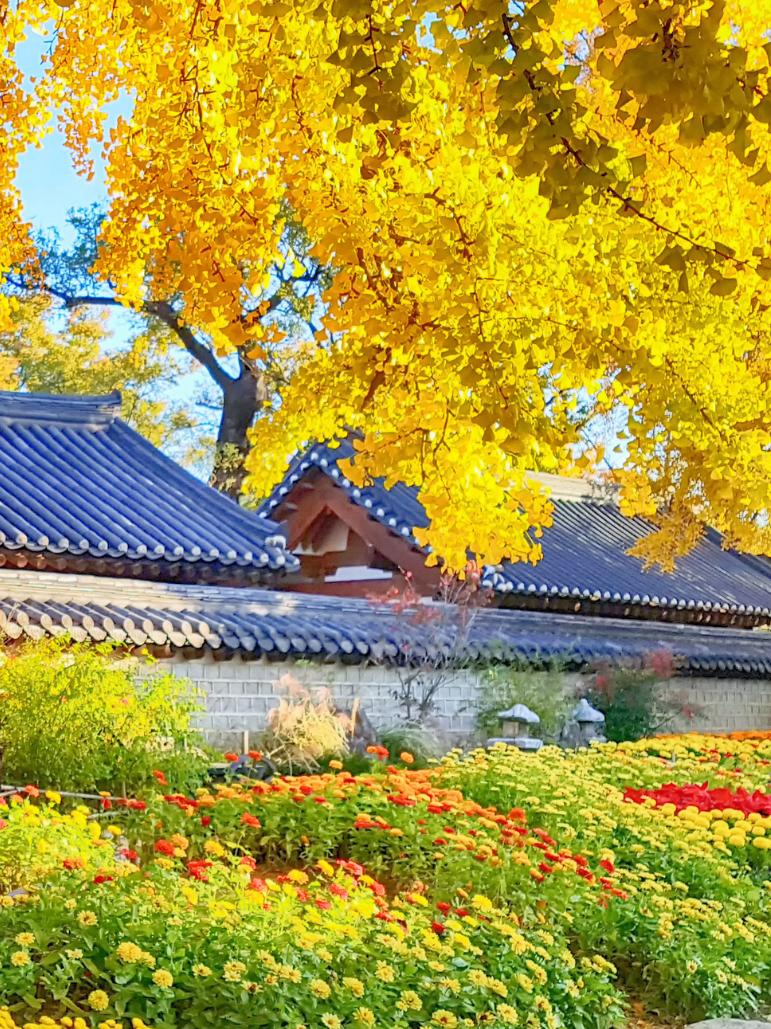
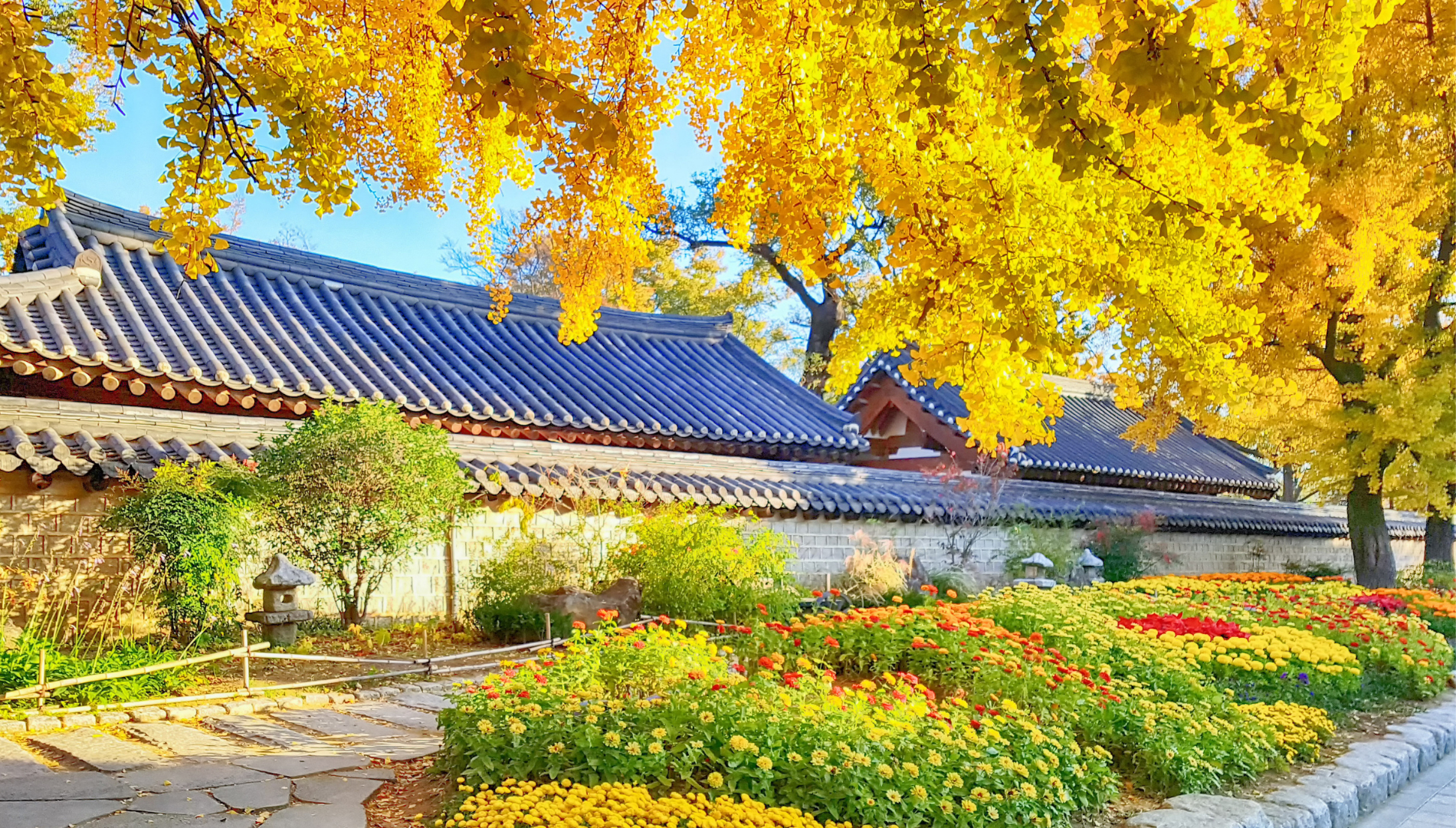
Jeonju Hanok Village, located in the heart of Jeonju, is a must-see destination when traveling to South Korea. It's known as a "living museum" of traditional Korean architecture, with over 800 hanok houses (wooden houses with tiled roofs) perfectly preserved from the Joseon era, vividly recreating Korean culture and history.
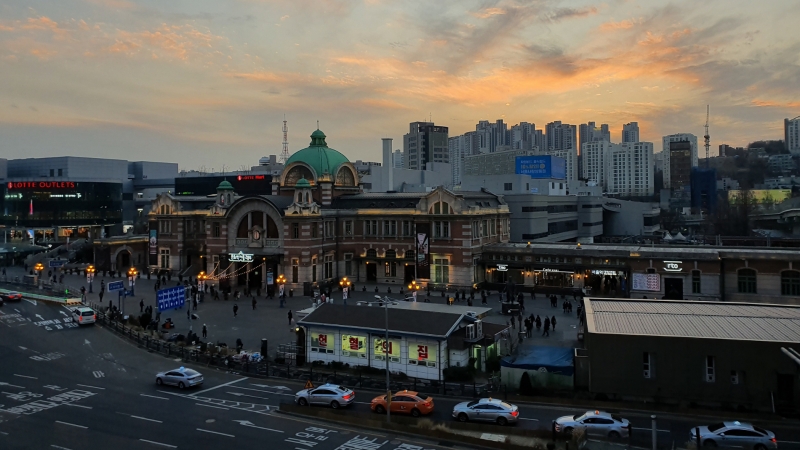

A peaceful beauty nestled amidst the bustling capital of Seoul.
Located in the heart of Jeonju city, in southern South Korea, this area was once the capital of the ancient Later Hundred Dynasties Kingdom in the 9th century. Later, during the Korean Empire, the walls surrounding the town were demolished, forming the Hanok village as it is today.
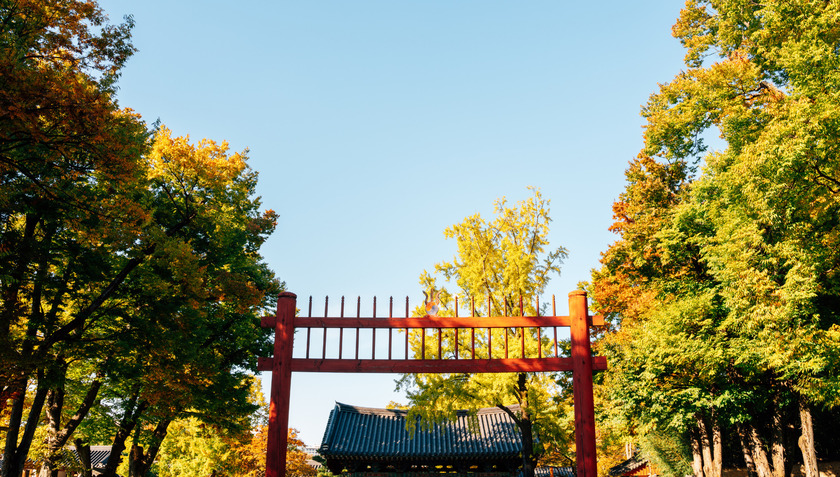
When autumn arrives, South Korea seems to be wearing a yellow coat.
This ancient village, over 100 years old, was once used by the local people as a defensive position to prevent invasions by hostile forces. Although it was abandoned for a long time, it was not until 1977 that the South Korean government officially took notice, restored it, and recognized it as a national historical site requiring protection.
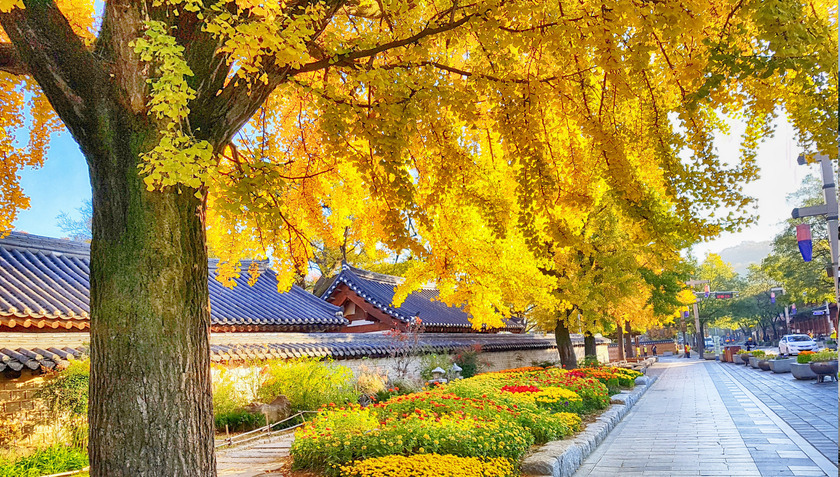
Every street in Jeonju Hanok Village seems to be gilded in gold and red by vibrant red maple leaves and golden ginkgo leaves.
Jeonju Hanok Maeul, a traditional Hanok village, is a UNESCO World Heritage site. Currently, it boasts over 700 traditional houses, most of which are still inhabited but are remarkably well-preserved. The biggest difference from Daegu or Seoul is that Hanok Maeul retains its peaceful, unhurried atmosphere, untouched by modern lifestyles.

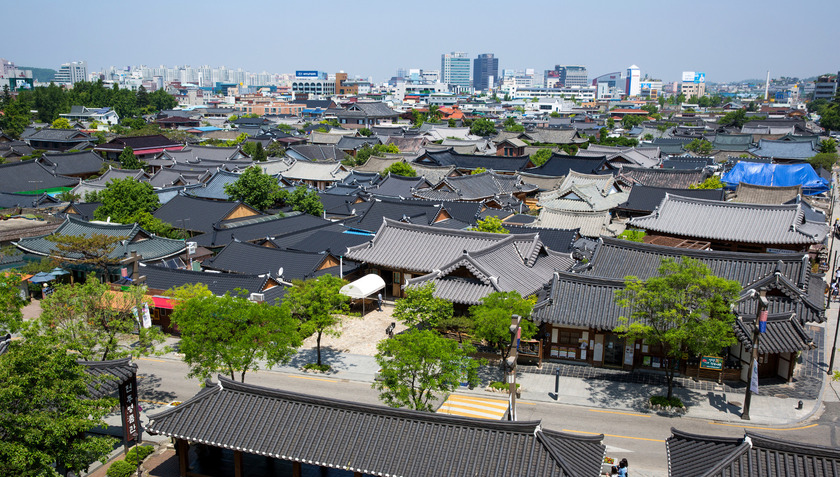
Jeonju Hanok Maeul, a traditional Hanok village, is recognized by UNESCO as a World Heritage Site.
Each season, Jeonju Hanok Village dons a new coat, each with its own unique beauty. However, it is when autumn arrives that the transformation of nature truly stirs the heart. From the sweltering heat of summer, the air suddenly turns cool, signaling the arrival of autumn.
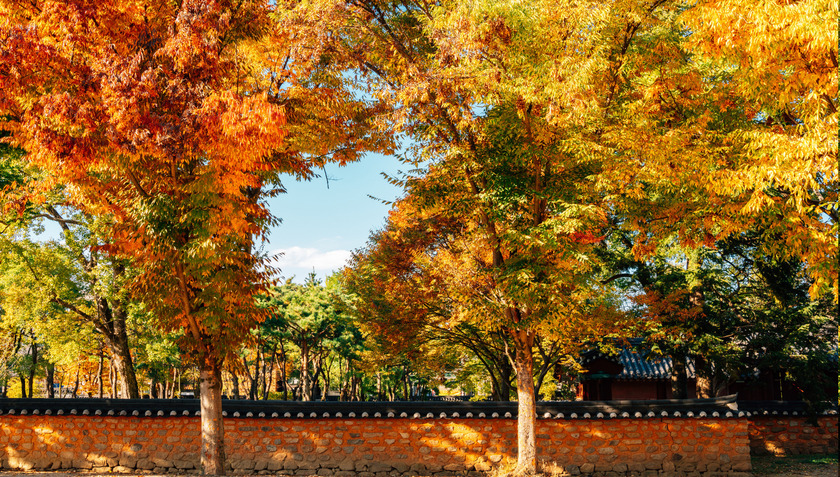
This is also the time of year when South Korea receives the most tourists because the weather and scenery are beautiful at this time of year.
With the change in temperature, the leaves also begin to change color. First, the ginkgo leaves turn a vibrant yellow, then the maple leaves become a fiery red. The entire village seems to be covered in a dazzling, shimmering carpet of color.
Golden and red leaves fall gently, rustling underfoot, creating a truly romantic autumn symphony. Soft golden sunlight filters through the foliage, illuminating the ancient hanok roofs, creating an unusually peaceful scene. Time seems to stand still here, with only the sound of falling leaves and chirping birds remaining.
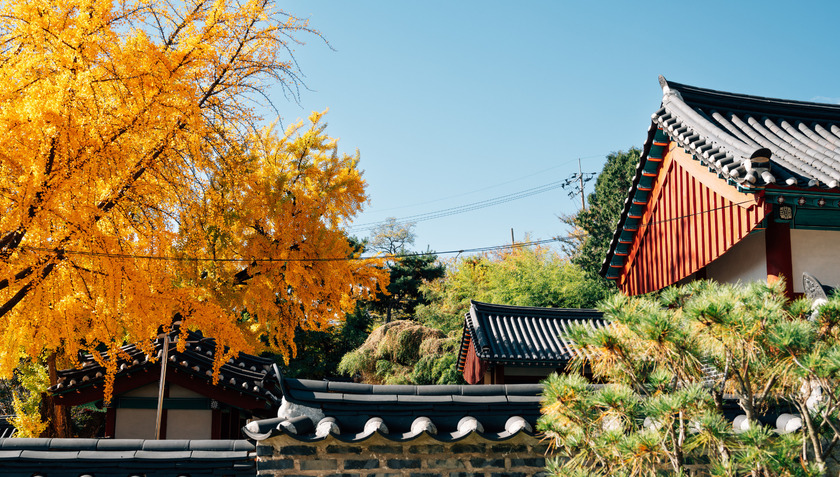
In autumn, South Korea is adorned with a stunning golden hue created by the changing leaves of the trees.
In autumn, Jeonju Hanok Village transforms into a breathtaking watercolor painting. The ancient hanok houses, with their serene yin-yang tiled roofs, are adorned with the golden and red hues of autumn leaves, creating an atmosphere that is both classic and romantic. This scene evokes a sense of tranquility and peace in the viewer.
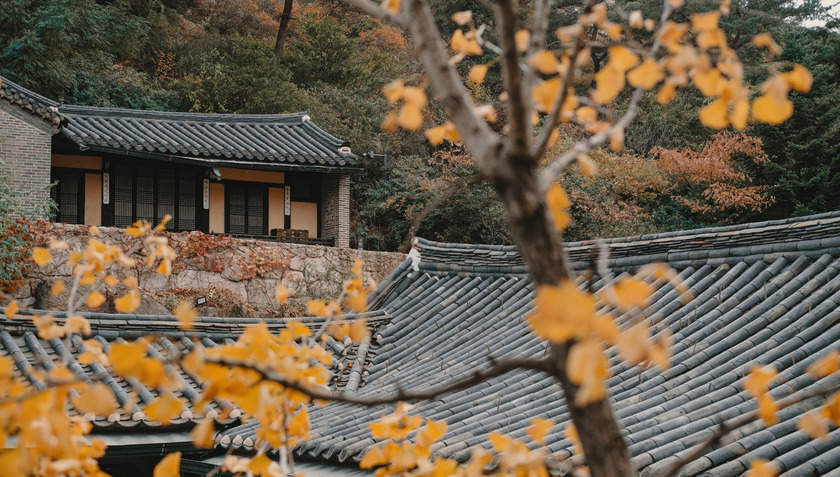
Gone is the vibrant green, replaced by a scene of falling yellow leaves.

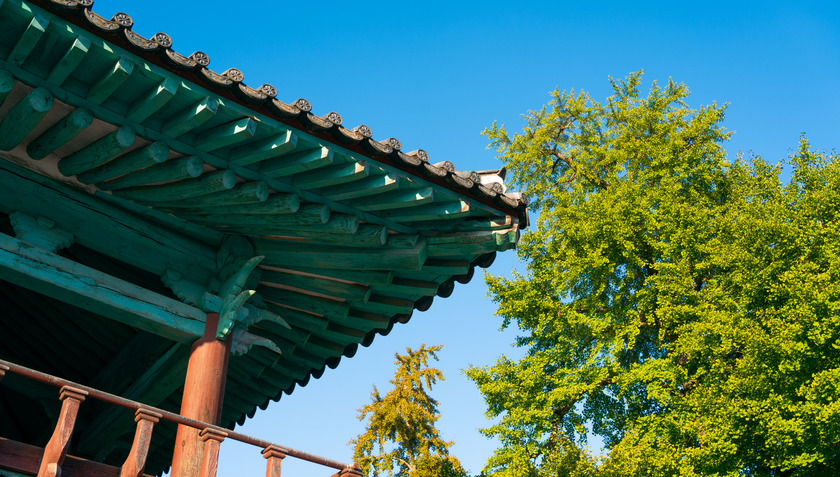
Jeonju Hanok Village is not only a vibrant living museum of traditional Korean architecture but also a paradise for those who love Hanbok culture. Here, visitors can easily find shops renting Hanbok in a variety of styles and colors. Imagine yourself strolling through the ancient streets in a traditional Hanbok; you'll feel an unusually pure Korean atmosphere. Jeonju Hanok Village in autumn is like a fairytale, each step immersing you in the flow of history, feeling the breath of an ancient culture.
Taking in the breathtaking scenery while breathing in the fresh air will make visitors understand why this place is known as the "City of Slow Living."
Currently, to reach Jeonju Hanok Village from Seoul, visitors can travel by express train or bus to Jeonju City. Bus fares range from 15,000 to 19,000 won (approximately 270,000 to 345,000 VND), and the journey takes about 2 hours and 40 minutes.