VI
VI


This is the 32nd consecutive day without any community transmission cases.
According to the latest information at 6:00 AM on May 18th from the National Steering Committee for Covid-19 Prevention and Control, Vietnam has not recorded any new cases in the past 12 hours.
The total number of current cases is 320, including 180 imported cases that were immediately quarantined, and 260 patients have been declared recovered/discharged from hospital. Currently, 60 patients are still being treated at 10 central and provincial-level medical facilities; most are in stable condition, and 12 of them have tested negative for SARS-CoV-2 two or more times.
Over 4.8 million infections worldwide.
According to the statistics website worldometers.info, as of approximately 8:00 AM on May 18th, the world has recorded a total of 4,801,510 cases of SARS-CoV-2 infection, including 316,658 deaths and 1,858,170 recoveries.
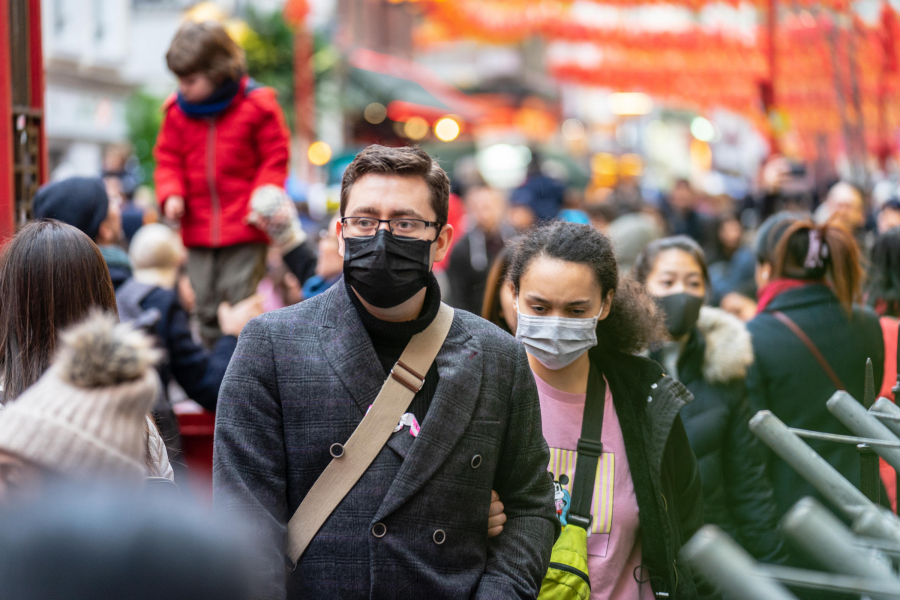
The disease has now spread to 213 countries and territories worldwide.
The US remains the global epicenter of the pandemic with 1,527,664 confirmed cases and 90,978 deaths. According to data from Johns Hopkins University, the US recorded an additional 820 deaths in the past 24 hours. This is the lowest daily death toll since May 10th (776 deaths).
In Africa, over the past 24 hours, South Africa recorded its highest daily number of infections ever, with 1,160 cases, bringing the total number of infections in the country to 15,515. The number of deaths increased by 3 to 263.
Thailand has banned international flights until the end of June.
Thailand has extended its ban on commercial flights from overseas for another month, until June 30, to prevent the spread of the disease. This was announced by the Civil Aviation Authority on its official website on May 16.
Accordingly, no passenger flights originating from international destinations are permitted to land at domestic airports until June 30th, except for government and military emergency landings or humanitarian medical aid flights. In addition, relief flights, repatriation flights, and cargo planes are also permitted to land.
Egypt reports a record high number of new infections.
The Egyptian Ministry of Health announced on May 17th that it had recorded 510 new cases of Covid-19, marking the highest daily increase since the first case was detected in mid-February, bringing the total number of cases in the country to 12,229.
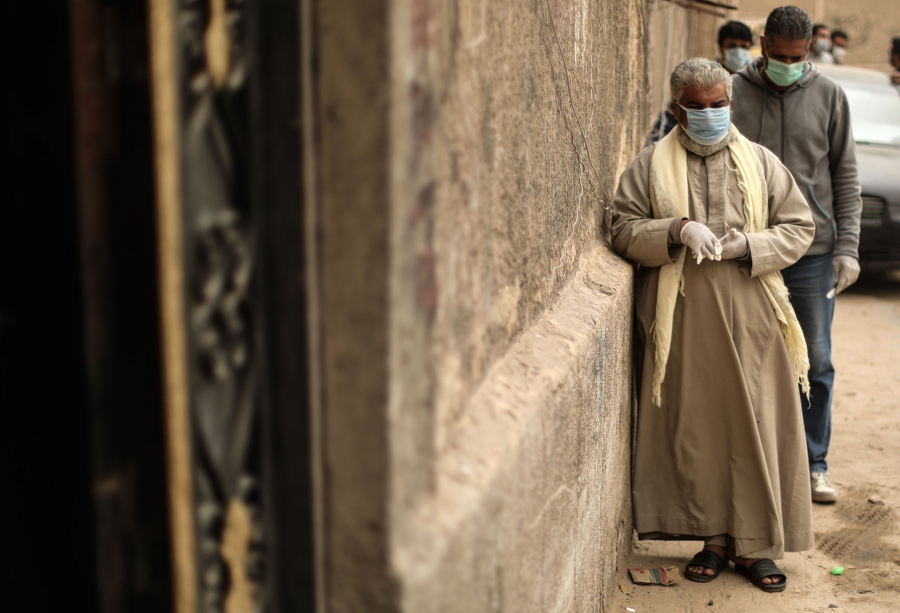
222 patients in Egypt have been discharged from hospitals, bringing the total number of recovered cases to 3,172.
Earlier, Egyptian Prime Minister Mostafa Madbouly said the country would implement stricter measures to contain the epidemic, including extending the nighttime curfew during the upcoming Eid El-Fitr holiday.
Indonesia is testing the herbal drug Quinine to treat COVID-19.
According to Minister for Research and Technology Bambang Brodjonegoro, one of the treatments being tested in Indonesia is quinine – capsules made from the bark of the cinchona tree, which was once used to treat malaria. Quinine is now rarely used after pharmaceutical companies developed the synthetic drug chloroquine.

The Jakarta Globe reported that the Indonesian government is also ordering other drugs that several countries consider promising, such as Avigan, Hydroxychloroquine, and Remdesivir. According to Mr. Bambang, the country is also conducting clinical trials on various treatments that have been implemented in other countries.
Qatar jails people for not wearing masks.
Since May 17th, Qatar has begun enforcing a mask-wearing rule in public places, along with penalties for violators, amidst the rapidly spreading COVID-19 pandemic in the country.
Those who violate the regulations will face a three-year prison sentence and a fine of 200,000 Rial (50,900 euros). This is considered the harshest penalty in the world for failing to comply with the mask-wearing rule in public during the Covid-19 pandemic.
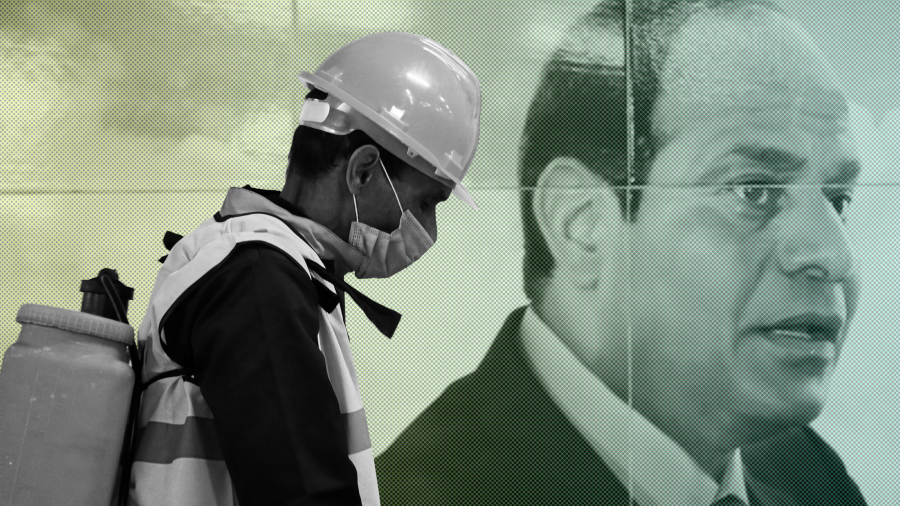
Currently, around 50 countries worldwide have regulations mandating the wearing of face masks in public places.
Russia has the second highest number of infections in the world.
On May 16th, Russia recorded an additional 9,200 new cases of SARS-CoV-2 infection, bringing the total number of cases in the country to over 281,752, ranking second in the world after the United States in terms of the number of infections.
The Russian government is currently expanding its Covid-19 testing program, with nearly 6 million people having been tested so far.
Alexander Ginsburg, director of the Russian Research Center for Epidemiology and Microbiology, said that Russia could most likely begin producing a vaccine against the SARS-CoV-2 virus by the end of this summer.
France will reopen as many tourist destinations as possible.
The French government announced on May 17 that it will reopen "as many tourist sites as possible" on June 21 to restart the summer tourist season.
Currently, French citizens are enjoying their first weekend after two months of lockdown – in forests and beaches that have been reopened, while authorities continue to urge caution to avoid a resurgence of the disease. Health Minister Olivier Véran reminded everyone in a video posted on Twitter on May 17th that vigilance must continue, because "the virus continues to spread throughout the territory."
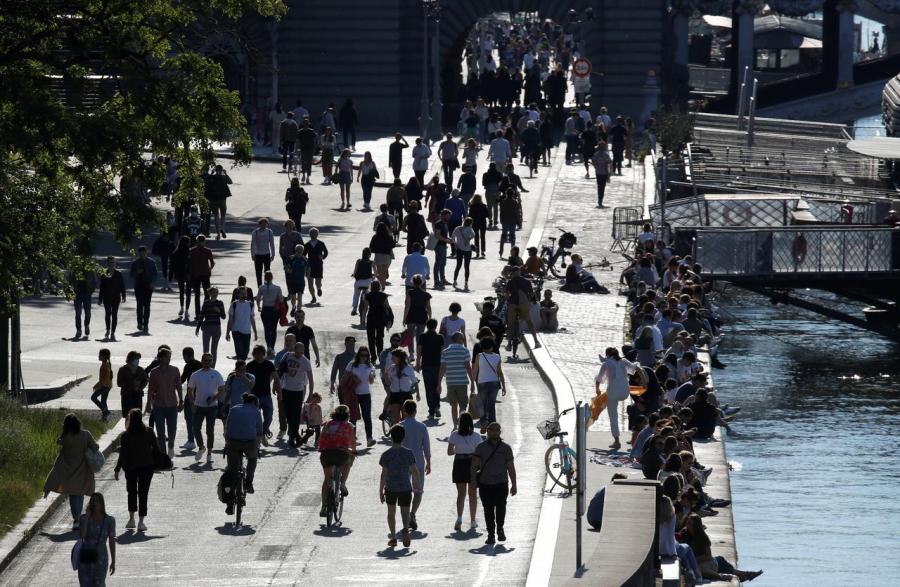
Since May 11th, the day the lockdown was lifted, health authorities have detected 25 new outbreaks.
Canada authorizes clinical trials of a COVID-19 vaccine.
Canadian Prime Minister Justin Trudeau announced on May 16th that authorities have authorized the first clinical trial of a COVID-19 vaccine called Ad5-nCoV. This product is being developed in collaboration with a Chinese biotechnology company. The Canadian leader stated that if the trial is successful, Canada could produce and distribute its own COVID-19 vaccine domestically. "Research and development takes time, but this is encouraging news," Trudeau emphasized.
Health Canada has so far authorized clinical trials for 33 treatments or care methods for COVID-19 patients.
Protests against travel restrictions in Europe.
Euronews reported on May 17th that police in several European countries had to intervene and arrest numerous groups of protesters demonstrating against travel restrictions imposed to combat the spread of Covid-19.
The aforementioned crackdowns were most strongly observed in the UK, Poland, France, and Germany. Protesters claimed they were being deprived of their freedoms, that social distancing was not the solution, and blamed the government for the protests, attributing them to conspiracy theories.
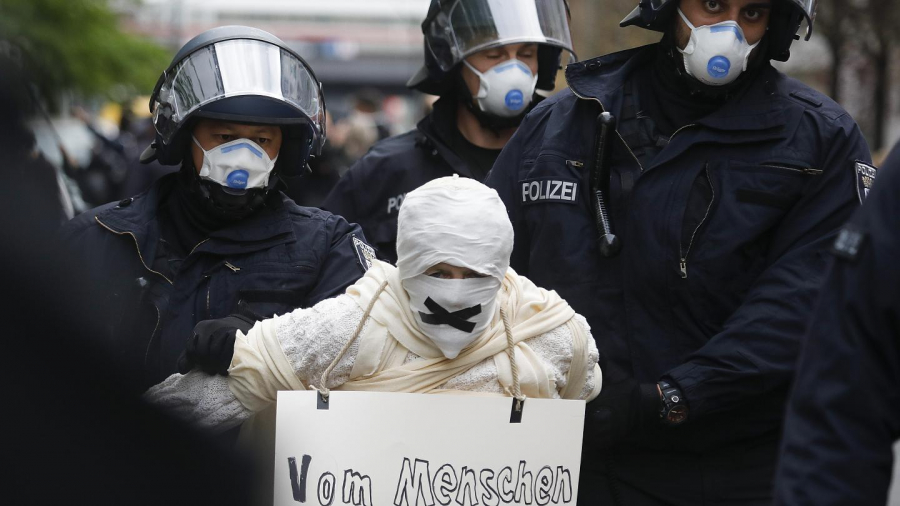
The European Union (EU) has reportedly accelerated the reopening of internal borders and the restart of tourism, but recommends that external borders remain closed until at least mid-June to avoid the risk of a second wave of Covid-19 infections.
In major outbreak areas like Spain, the UK, and France, the bloc continues to urge governments to maintain social distancing and provide appropriate welfare benefits, avoiding disruptive protests that could hinder efforts to contain the spread of the virus.
62 countries support an independent investigation into the origin of the coronavirus.
PageNews.com.auOn May 17, news reports indicated that Australia and the European Union (EU) had garnered support from a total of 62 countries for an independent investigation into the origins of the novel coronavirus, despite criticism from China that this was a dangerous "blame game" that could lead to a trade war.
Australian Prime Minister Scott Morrison's call for an investigation into the coronavirus is expected to receive strong support at the World Health Assembly (WHA) – the annual meeting of the World Health Organization (WHO) taking place from May 18-19.
Speaking on the evening of May 17, Australian Foreign Minister Marise Payne emphasized that the purpose of investigating the origin of the coronavirus is to coordinate efforts to better equip the international community to combat the next pandemic and protect everyone's safety.