VI
VI


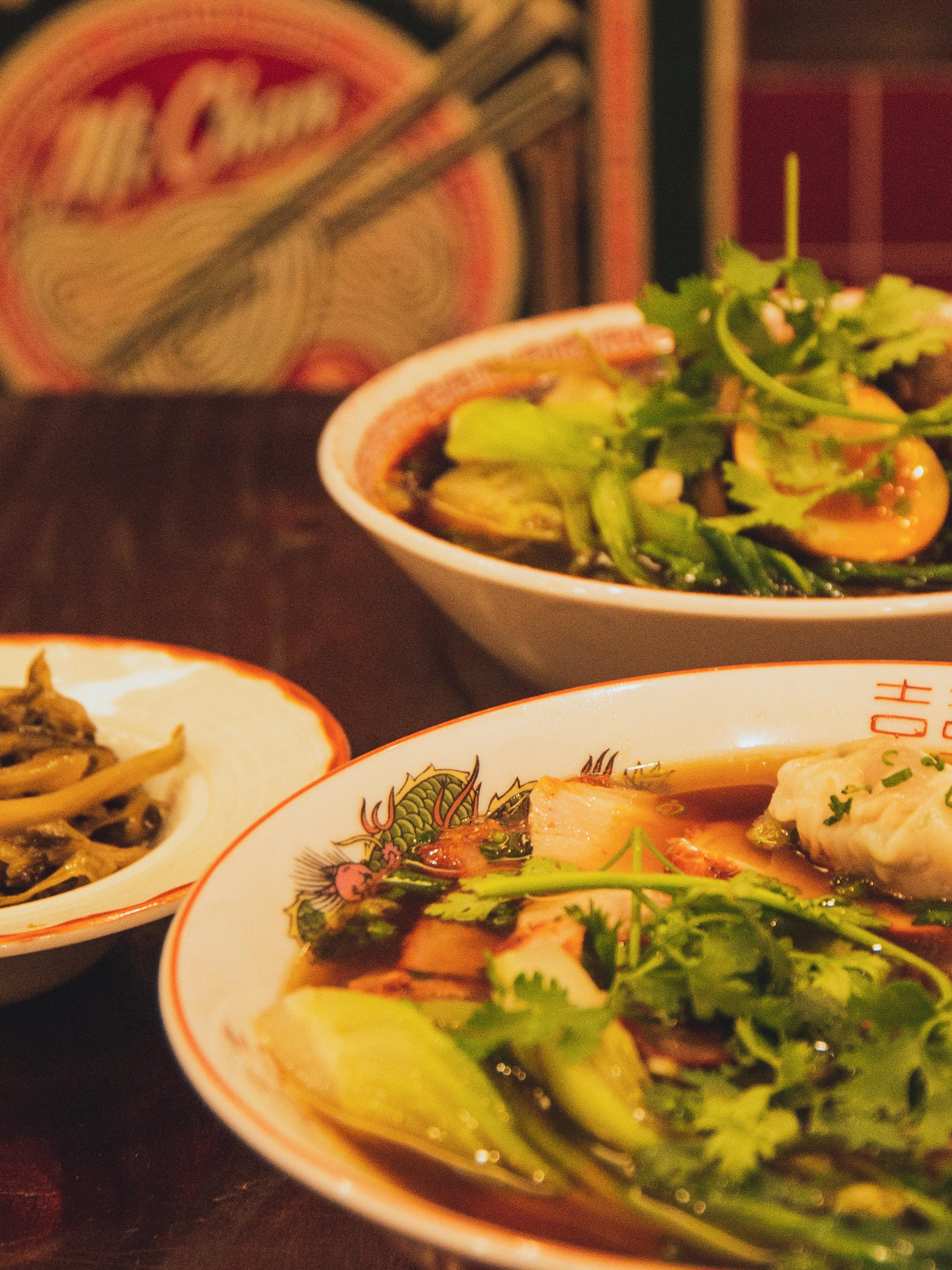
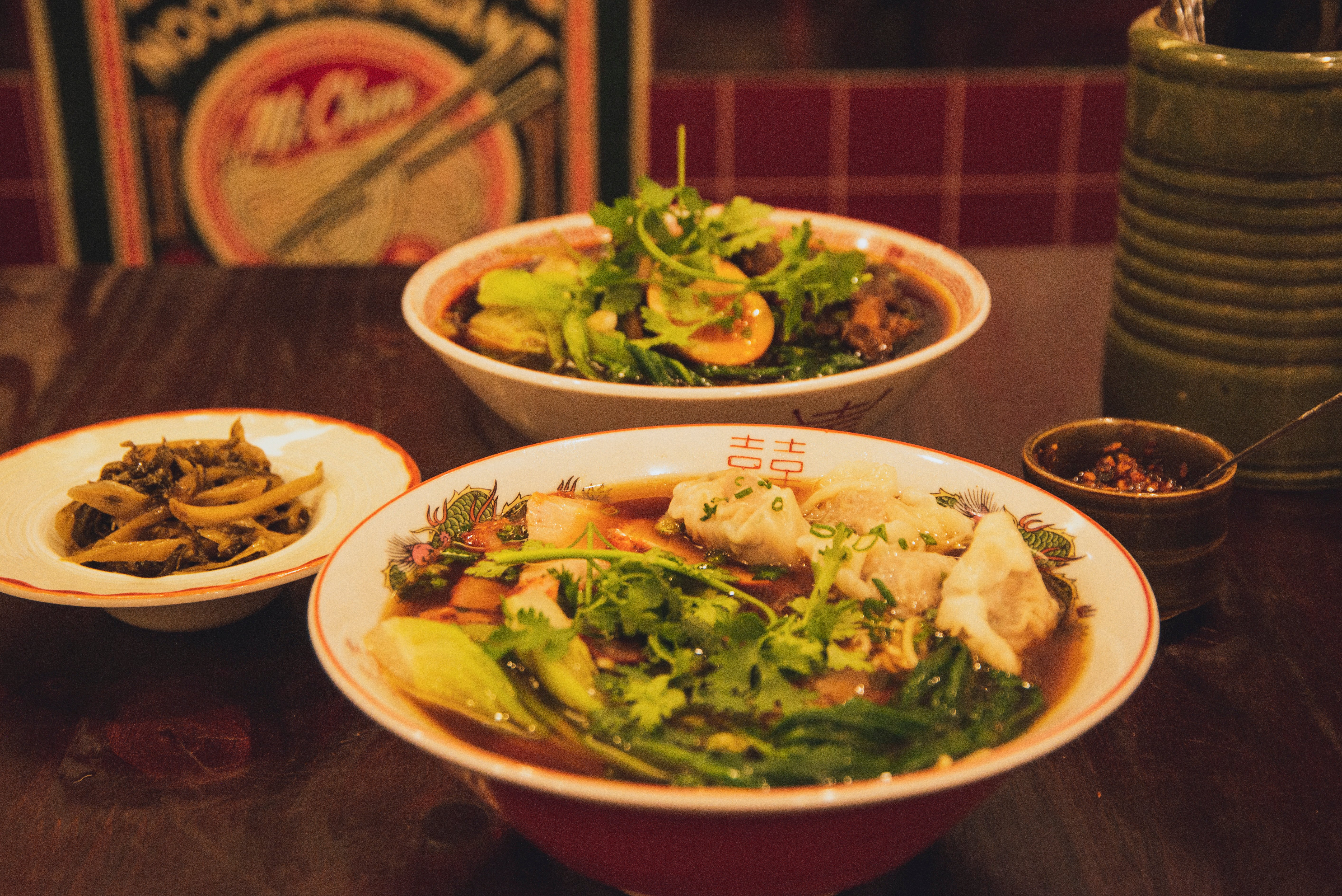
Mì Chạn, located in a small alley in Thanh Cong, Ba Dinh district, derives its name from the image of a "kitchen cupboard"—a rustic wooden cabinet where mothers and grandmothers kept their traditional dishes. The cupboard wasn't luxurious, but it was the heart of the kitchen. Choosing that name wasn't just to evoke a bygone era, but also to bring diners back to the authentic feeling of a family meal.
But if the old cupboard preserves memories, then this place is a continuation – a space where those memories are recreated in a new, modern, bold, and creative form. People don't come just to eat, but to experience a familiar feeling, like opening the door of an old cupboard in a childhood kitchen, inhaling familiar yet strange aromas.

"Mì Chạn" (a type of noodle dish) in the Bắc Thành Công residential area, Ba Đình district.
The idea originated from a seemingly simple question: why, having grown up surrounded by such rich Vietnamese cuisine, do I only ever taste Taiwanese, Korean, Japanese, or Chinese noodles when I eat out? This question not only sparked contemplation but also opened up a new direction. A noodle shop could evoke the familiar aromas of Vietnamese cooking while being open-minded in its presentation, combining the spirit of East Asia with Vietnamese essence, offering dishes unlike anywhere else.
“I wanted to create a place where Vietnamese stories could be told through noodles that were both familiar and unique, comforting yet unconventional. 'Mì Chạn' was born from that, as a fusion of Vietnamese culinary memories and modern creativity with the flavors of other cultures, especially Hong Kong cuisine,” shared Hai Harry, the founder of the restaurant.


The cafe's space is neither too big nor too small.


The restaurant's cozy atmosphere is perfect for enjoying flavorful noodle dishes.
From the initial steps of finding a warm yet distinctive location, to creating menus, constantly experimenting with new dishes, and experiencing countless failures, each noodle dish is the result of dozens of tastings, adjustments, and re-cookings. Sometimes it's close, but still lacks that certain element that truly captivates the diner. But no one wants to compromise. The spirit of trial and error has become a daily rhythm. This doesn't tire anyone out; on the contrary, it's the motivation that keeps the food from ever becoming boring.

Instead of pho or vermicelli – classic Vietnamese dishes that have already established their place – noodles offer an open playing field, a place where chefs can freely experiment with ingredients, sauces, techniques, and presentation. Noodles are not constrained and, therefore, can tell their own story – a language without limitations.


A destination for those with a passion for Hong Kong cuisine.
After trips to Hong Kong and Taiwan, where dishes like mixed noodles, char siu noodles, and wontons are prepared with meticulous attention to detail, the owner drew initial inspiration from those places. But the ambition doesn't stop at simply copying; each dish here is a conversation between that culinary tradition and the Vietnamese soul.
Pork rib and lotus root noodle soup, pickled pork, sauces made from crispy pork cracklings and rice vinegar, or mildly spicy yet fragrant chili paste are all unique creations you won't find anywhere else. With their signature beef noodles and char siu noodles, the rich flavors and distinctive sauces are perfected through numerous trials and tastings by the owner, resulting in a dish that's just right and perfectly suited to customer preferences.


The restaurant's signature dishes are beef noodles and char siu noodles.

What's special is that there's no fixed recipe. The flavors here are built on memory, emotion, and patience. Each bowl of noodles is a carefully crafted creation: the noodles are made specifically to maintain their chewy texture and subtle wheat aroma; the sauce is neither too sweet nor too salty, but always has depth; and the toppings are carefully considered not only for their deliciousness but also to evoke that familiar, longing feeling of wanting more.
The restaurant's ambiance is an extension of the food: gentle, minimalist, yet always with details reminiscent of an old kitchen – a rustic wooden cupboard, photographs of traditional ingredients, and soft, relaxing music. There's no harsh lighting, no flashy colors, no fancy decorations; everything is geared towards a single goal: to let the food speak for itself.


The result of dozens of tastings, adjustments, and re-cookings.
Many customers come here not only to eat but also to share their feelings. Some recount how their first time eating noodles reminded them of their mothers and childhood lunches. Others say it's been a long time since they found a place that was so delicious, relaxing, and authentic. Some come once and then bring friends, and eventually their whole family. The small shop gradually becomes a place connecting personal memories with collective stories.
Instead of aspiring to become a rapidly growing, big brand, we choose to proceed slowly, steadily, and sustainably. Every new product is thoroughly tested. Every detail is carefully considered. If we expand, the new space will retain its core spirit: a place where people feel "at home"—whether it's home in their memories or home in the present.
Here, noodles are no longer just a side dish. They become the "main character," a language of their own to tell wordless stories. It's a time when the chef doesn't need to say much; they simply serve a hearty bowl of noodles, and let the flavor do the rest. Old stories, culinary memories, and unspoken emotions all flood back after the first bite.