VI
VI


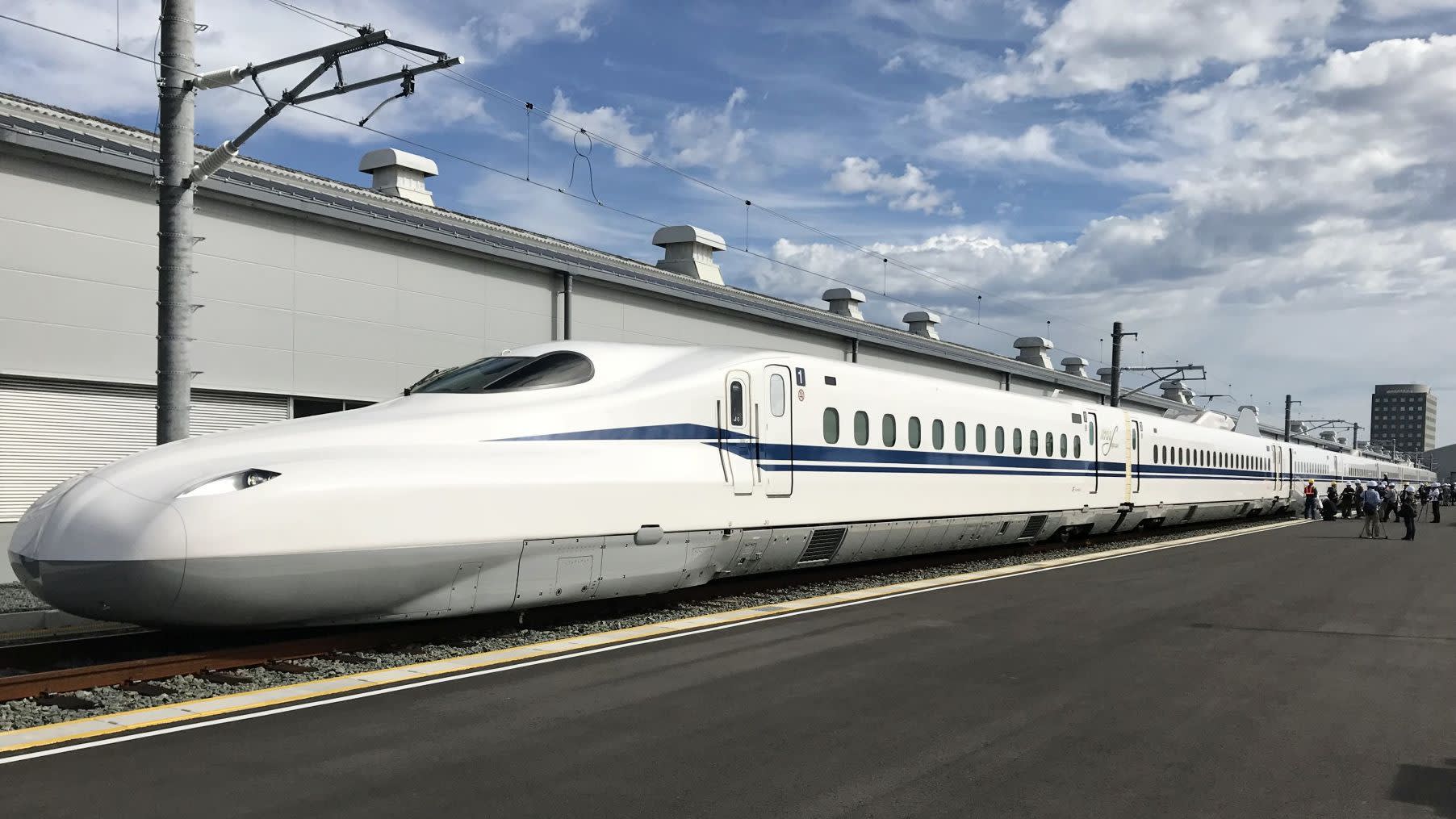
JR Central (or JR Tokai), Japan's Central Railway Company, has just unveiled its new N700S shinkansen train. The train will operate on the Tokaido Shinkansen line connecting Tokyo and Osaka – the world's oldest high-speed rail line.
The new vessel incorporates advanced technology, including a lithium-ion battery system installed beneath the deck. This system allows the vessel to continue operating at a slow speed in the event of a power outage due to disaster or emergency situations.
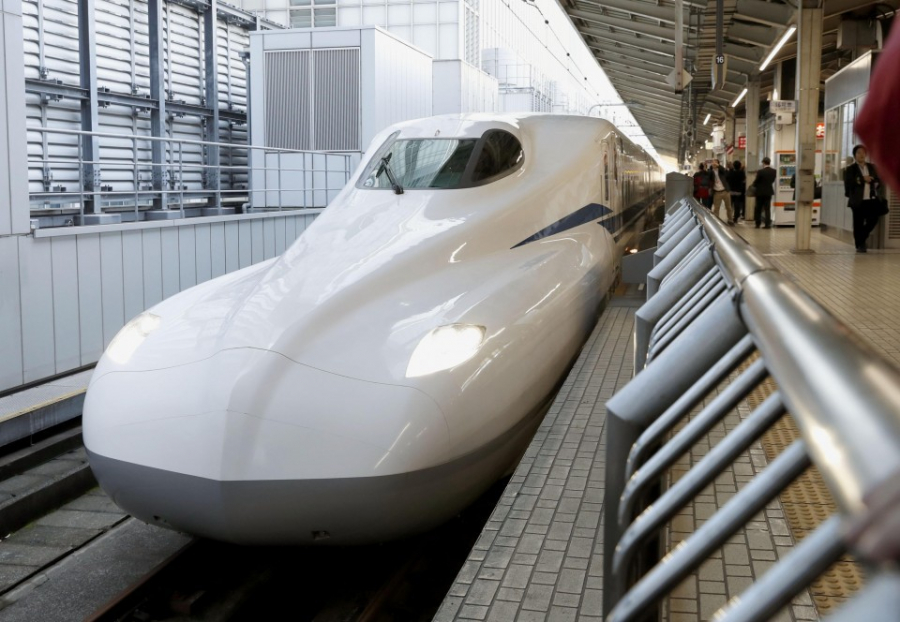
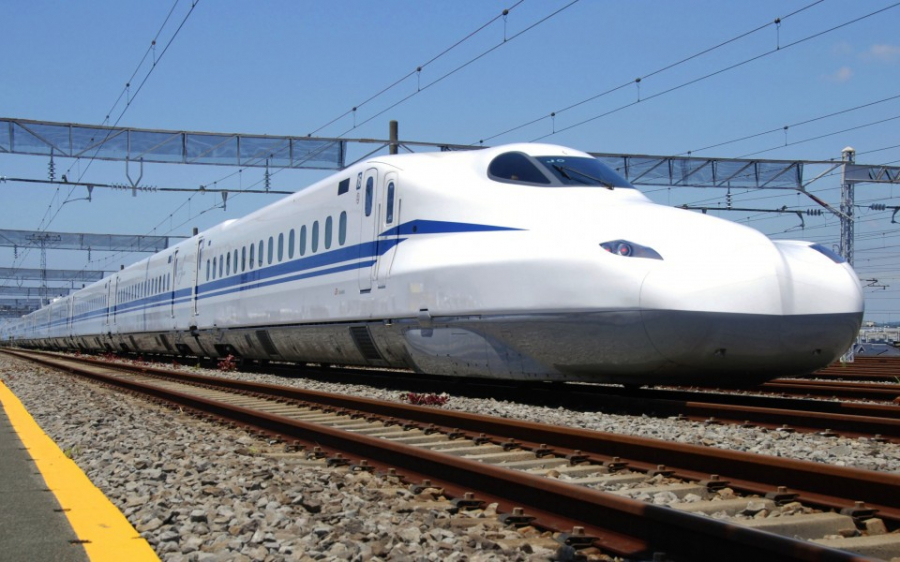
The N700S Shinkansen train features a front section with an angular nose design on both sides, offering better aerodynamic efficiency compared to the current N700 models. The train can reach speeds of up to 360 km/h.

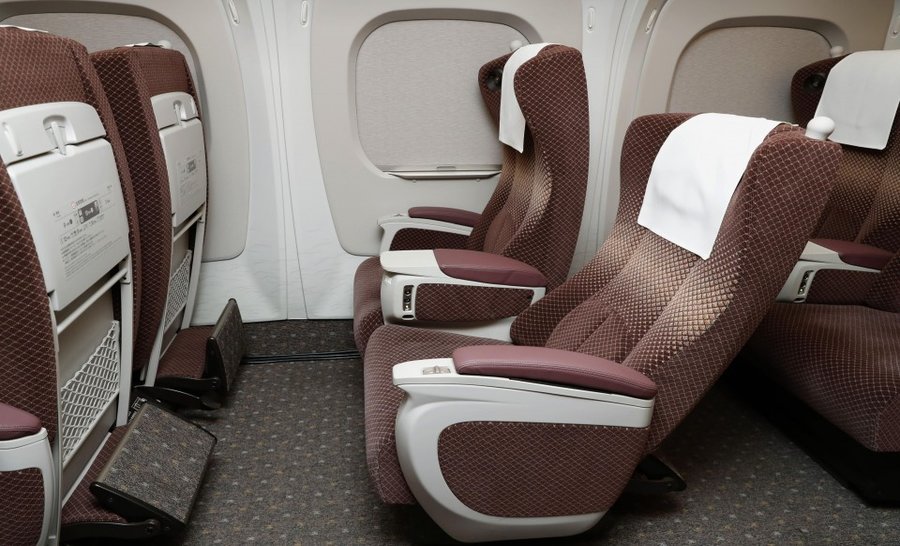
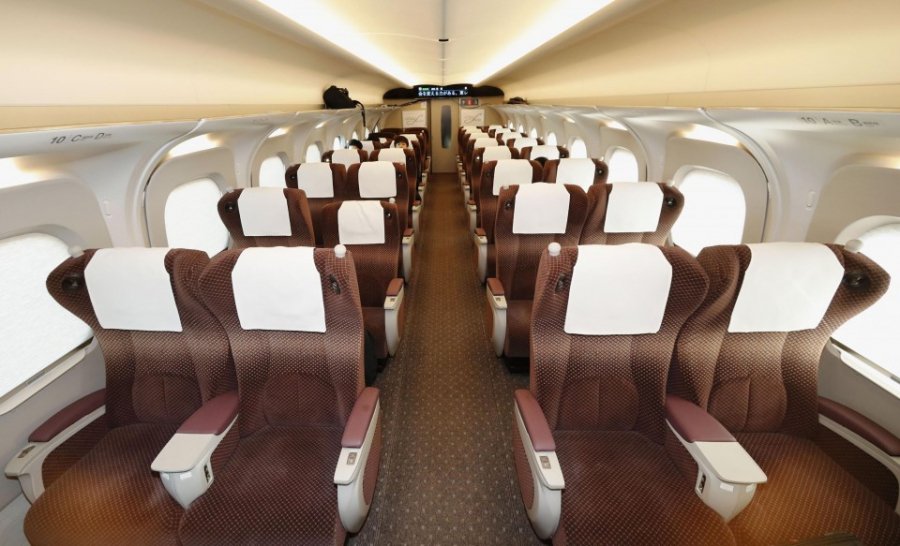
The interior design also features some upgrades: the seats can automatically lower when reclined, and the armrests are equipped with power outlets.
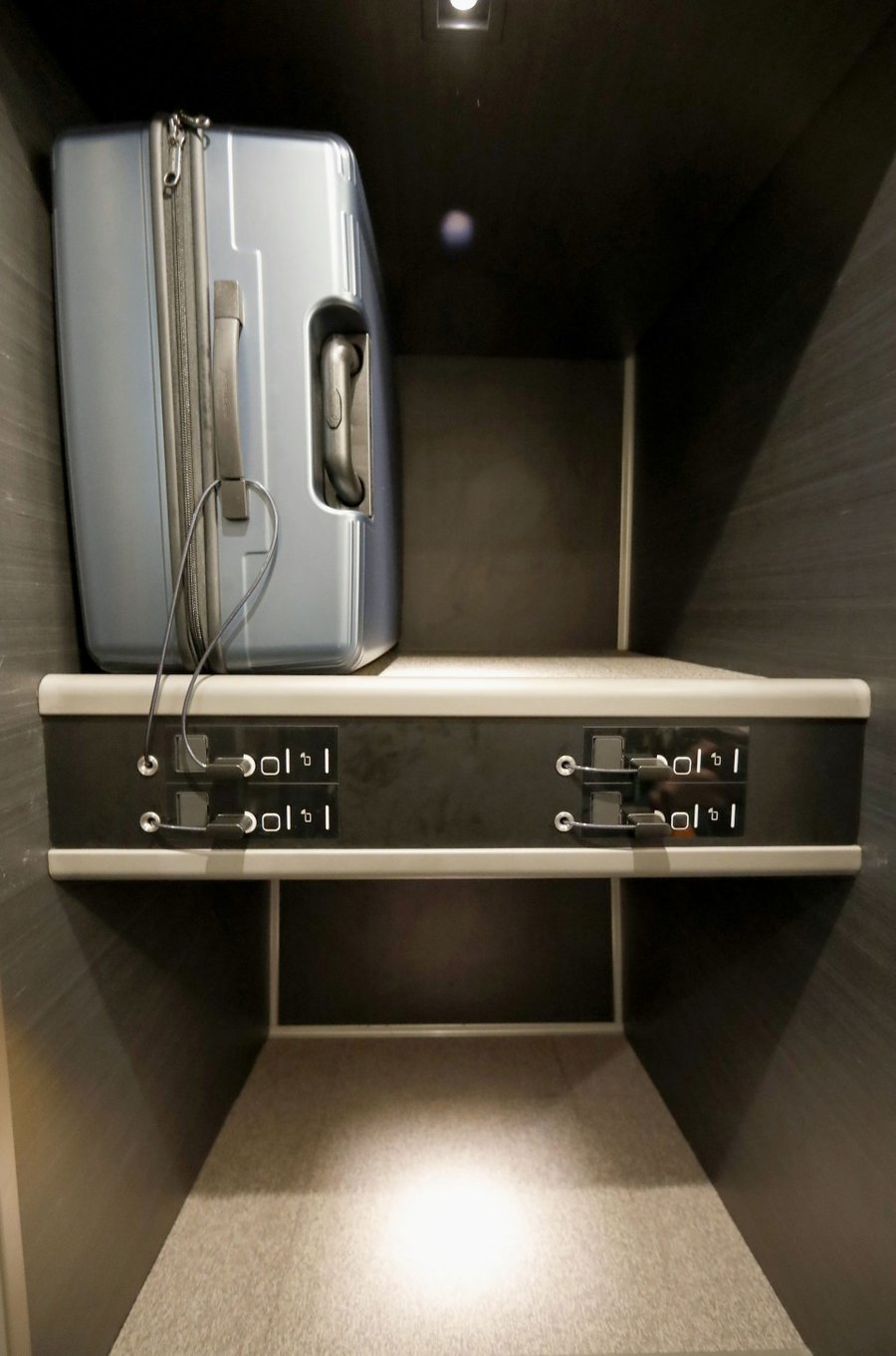
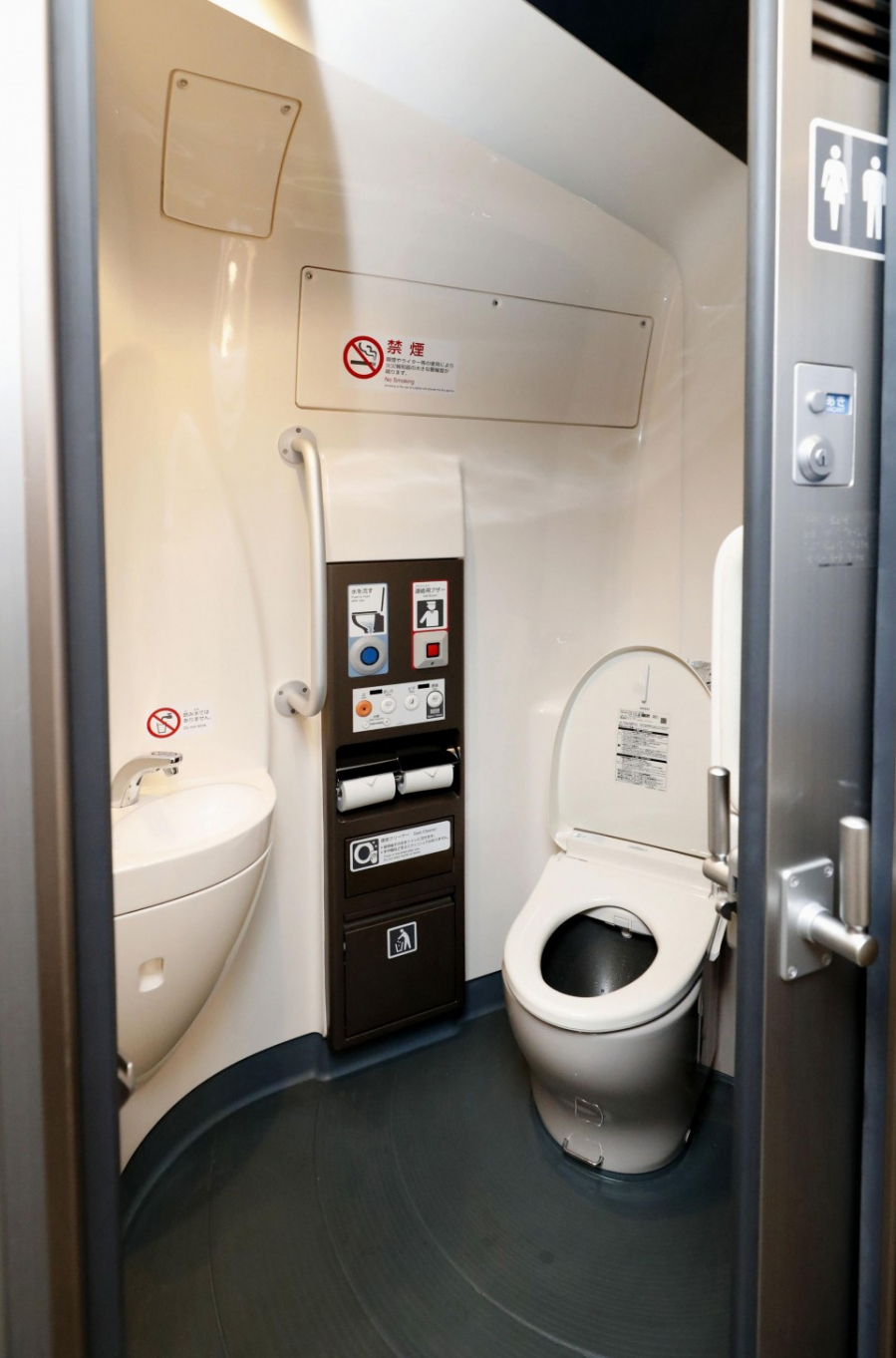
Along with the introduction of an upgraded booking system allowing advance booking of large luggage space in mid-May 2020, the N700S train also features additional spacious, lockable luggage compartments in the connecting section between carriages. Toilets can also be flushed immediately in the event of a power outage.
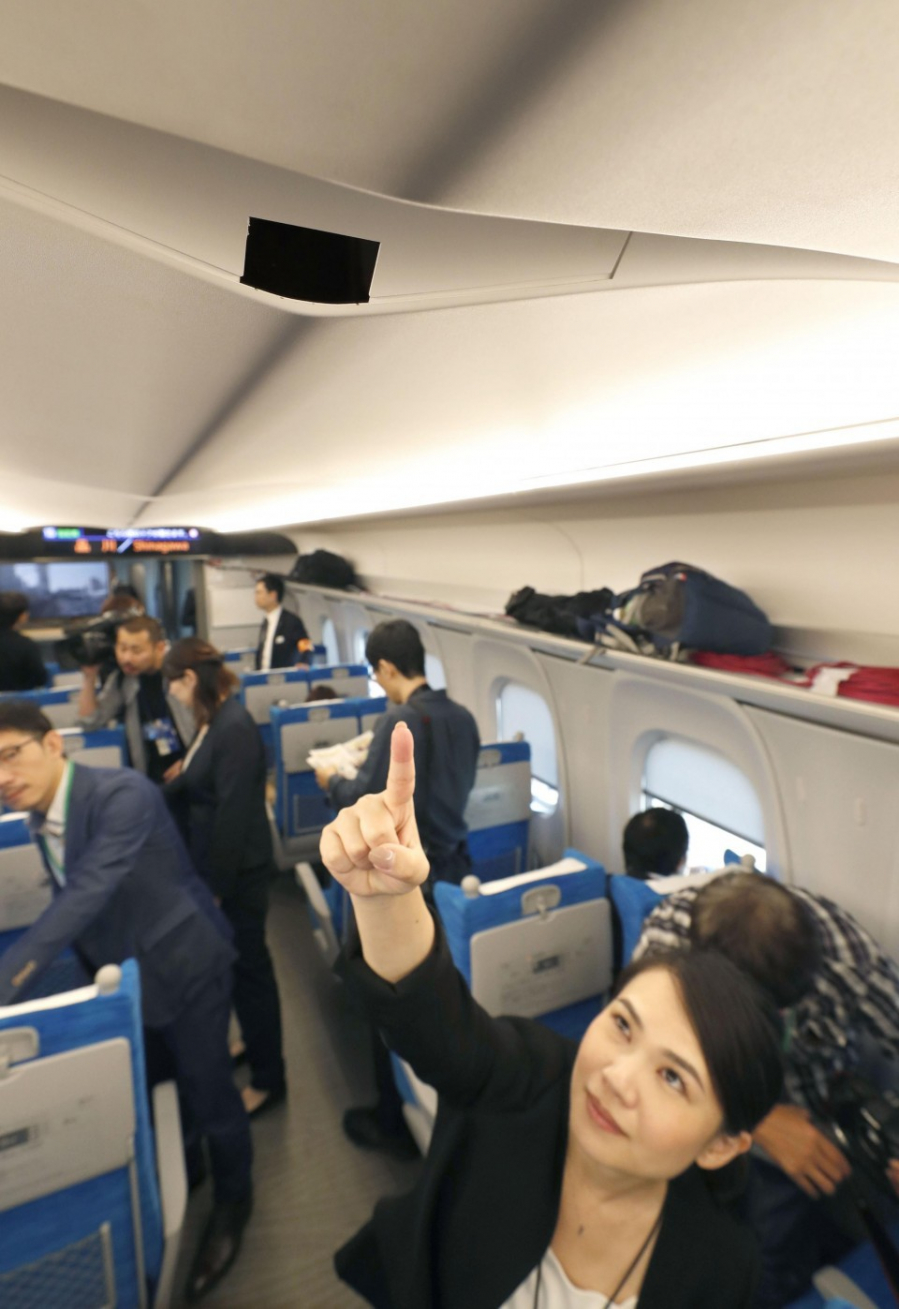
In addition to the 150 surveillance cameras found on current vessel models, the N700S will have an extra 60 cameras inside the ship.
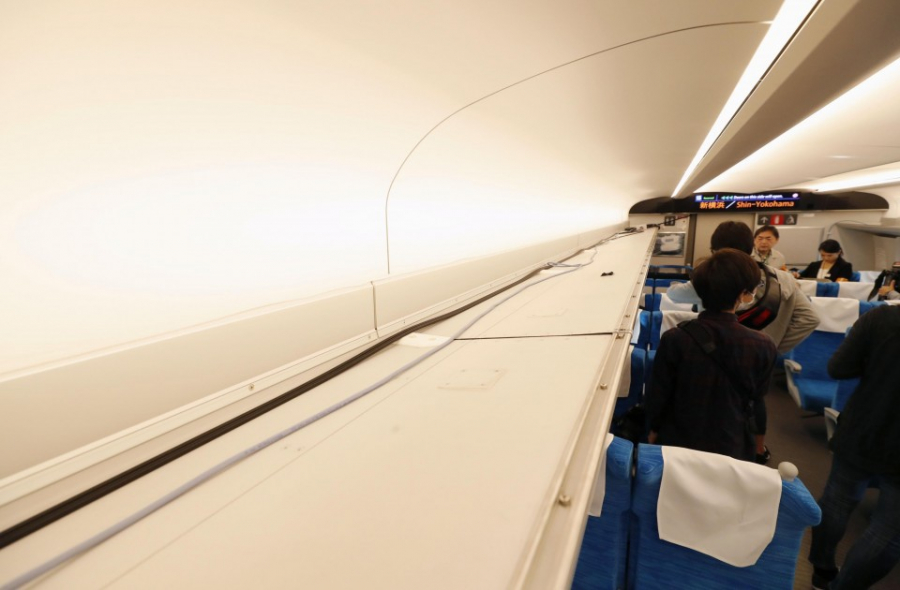
The overhead luggage compartment lights will turn on as the train approaches the station.
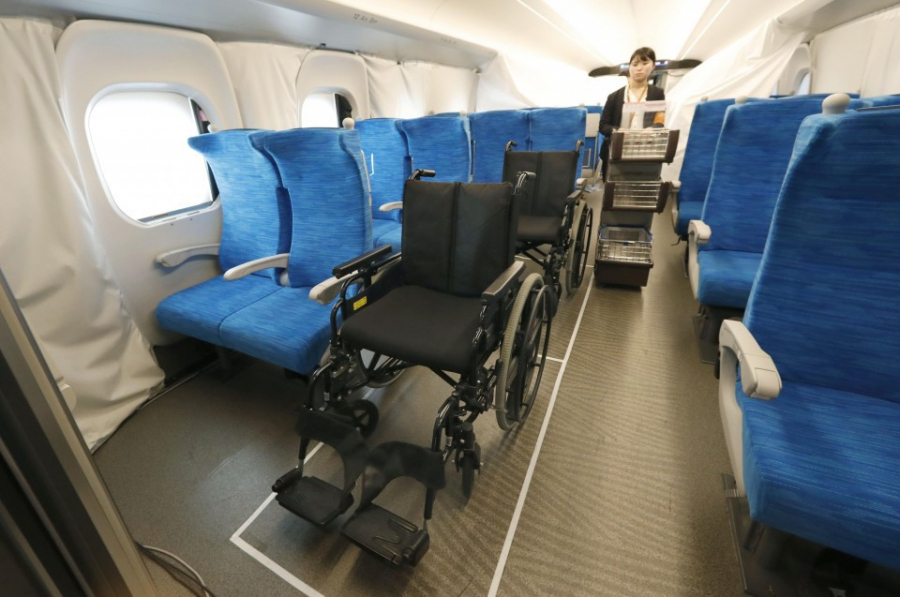
The train has 16 carriages, with carriage 11 reserved for wheelchair users. However, the train will only have 4 types of carriages instead of 8 types as in previous Shinkansen designs. This makes the train easier to sell in overseas markets – where trains with 8 or 12 carriages are used, rather than the 16 carriages used in Japan.
The N700S, with the "S" standing for "supreme," is expected to be operational in July 2020, ahead of the Tokyo Olympics.