VI
VI


"...This spring is far better than the springs of the past."
Good fortune and blessings come to every home…”
I don't remember where I read those two lines of poetry or which Tet season it was, but every spring, they resonate in daily life, in casual conversations at cafes, or become "deep" captions on social media. They evoke nostalgia for Tet celebrations of the past, warm yet somewhat burdensome due to traditional rituals.
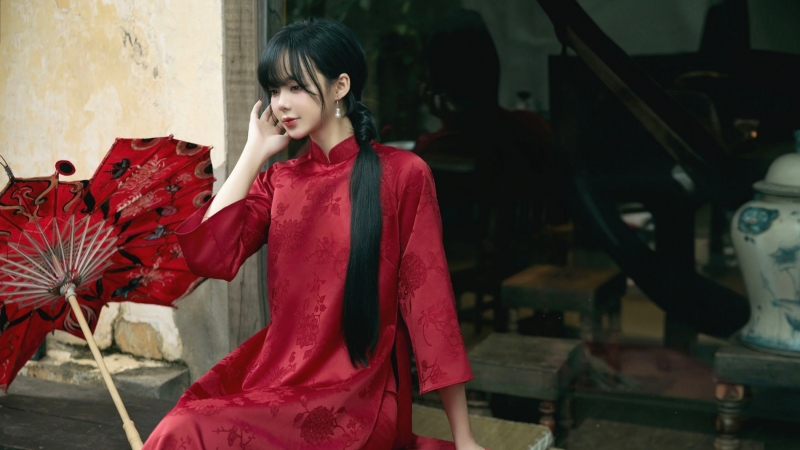
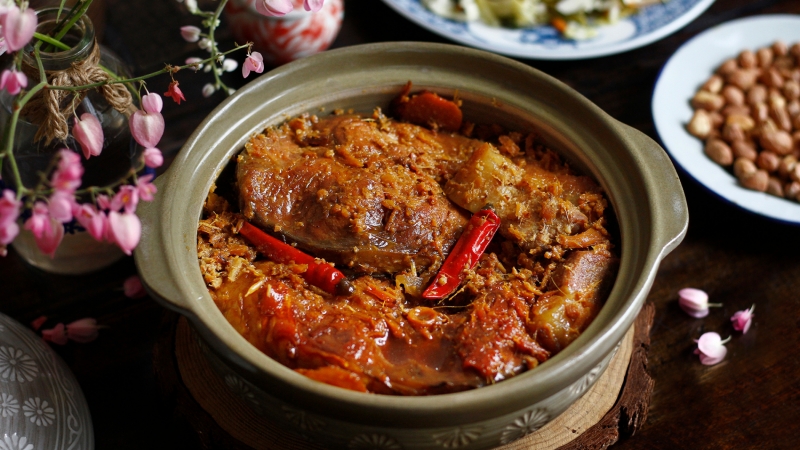
Over time, this spring is naturally better than previous springs. Social life is constantly changing, trends are shifting, and naturally, the way people enjoy Tet – considered the longest holiday of the year – is also different from before.
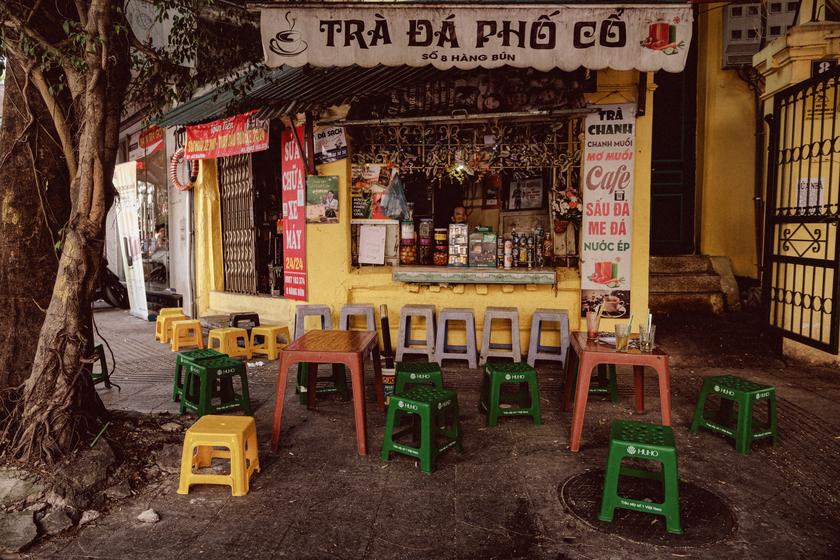
In the old days, people visited each other's homes during Tet.
When I think of Tet (Vietnamese Lunar New Year), the first image that comes to mind is the booming sound of firecrackers and the remnants of them scattered on the doorstep. I belong to the Millennial generation, born during the transition period between the centrally planned economy era and the reform period, so I was fortunate to witness the changes in social life from a young age. I don't know if it's because I was born and raised in that very special period, but people of my generation are very well adapted to these changes. We have memories of the last Tet when we could still set off firecrackers, which was in 1994. The acrid smell and the sound of firecrackers exploding after midnight are what I always remember about Tet of the past.
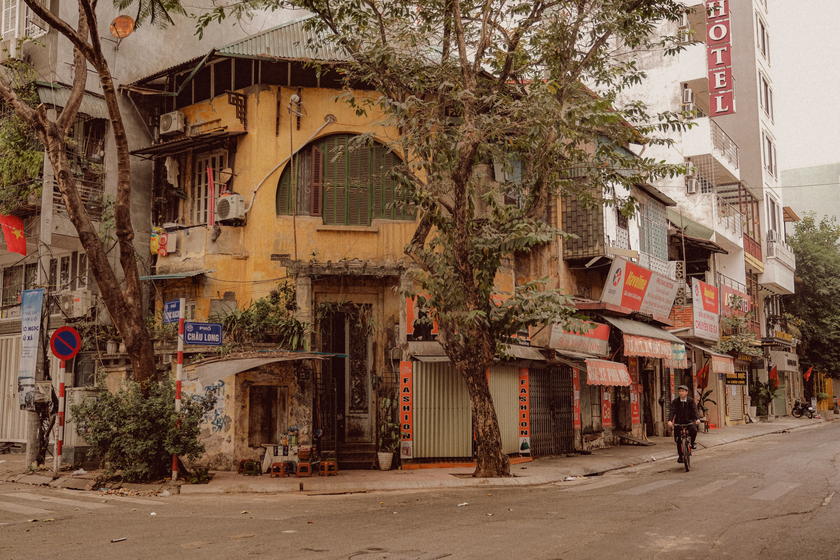
After the sacred New Year's Eve, the first days of the year usually begin with the custom of "first-footing" and visiting relatives and friends to offer New Year's greetings. The image of families preparing beautiful clothes, sweets, and feasts to welcome guests, or conversely, groups of people visiting relatives, friends, and colleagues to offer New Year's greetings, has become an unforgettable memory for many generations. When I was a child, Vietnamese people only dared to "eat well and dress well" during Tet (Vietnamese New Year), while in times of hardship, many people only focused on "eating enough and dressing warmly" throughout the year.
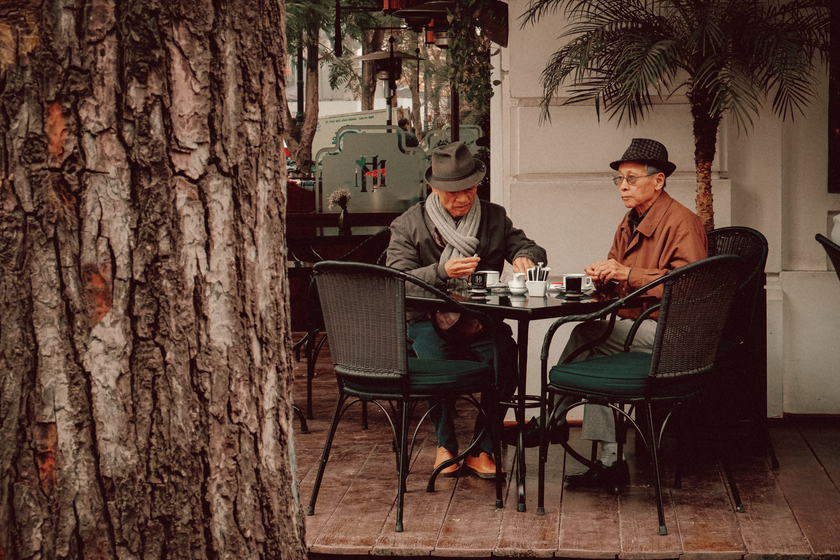

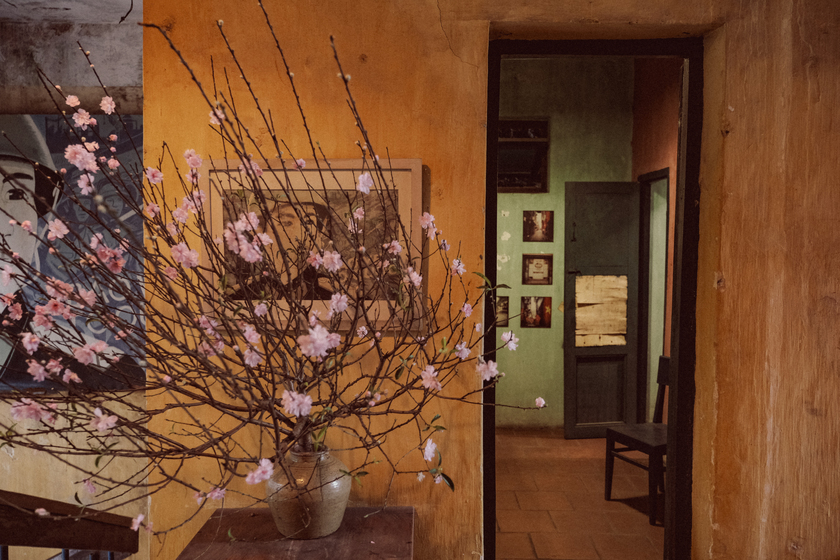
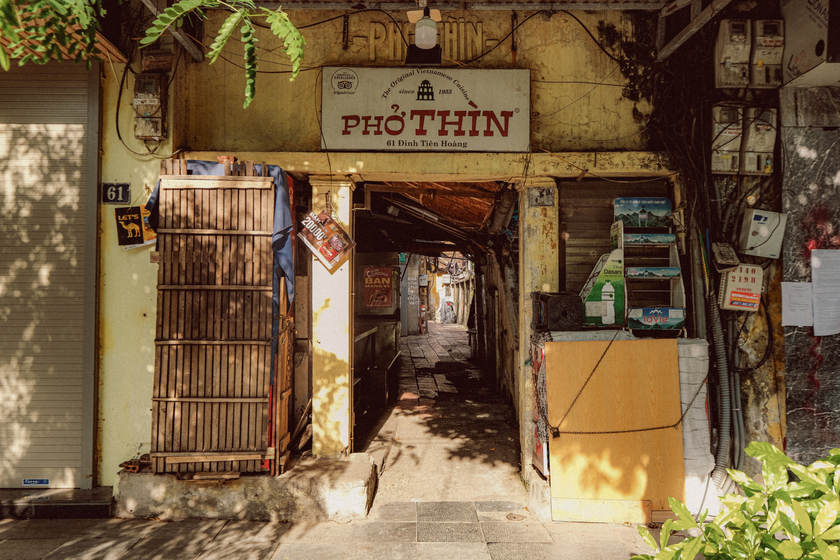
In the festive atmosphere of Tet, adults exchange wishes for health and success; children happily receive bright red lucky money envelopes. The tradition of "visiting every home" is not just a custom, but also a way to strengthen family bonds and maintain contact with relatives near and far.

I remember that in the old days, we had over a week off for Tet, and I spent the entire holiday accompanying my parents to visit and offer New Year's greetings at every house. On the first day, we visited my paternal family, the second my maternal family, my father's colleagues, my mother's colleagues, and from the fifth day onwards, we had to visit any houses we hadn't visited yet.
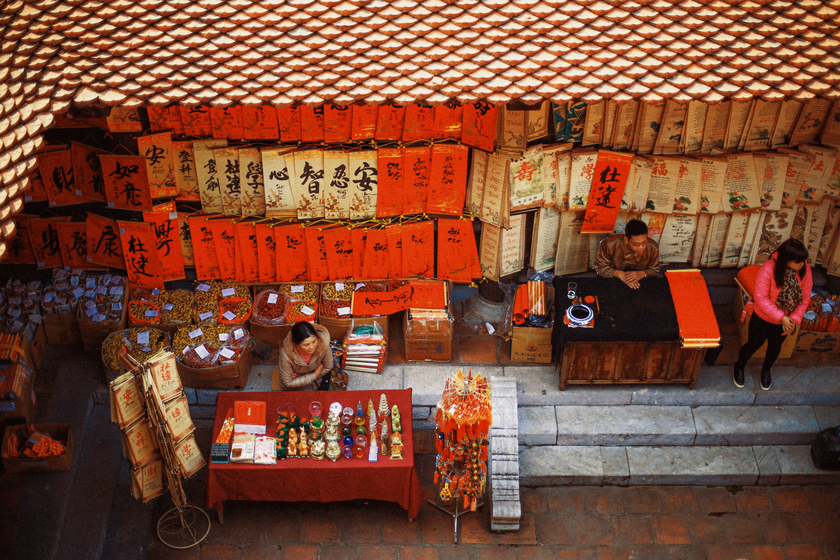
In the old days, the beauty of Tet lay in that simple bond.
As a child, I was always excited to visit relatives' homes, knowing I would receive a generous amount of lucky money. However, it's undeniable that with the slower pace of life in previous decades, Tet (Lunar New Year) sometimes became a heavy burden. Some families spent an entire week just visiting relatives, traveling from the city to the countryside and back to the city, with almost no time to truly sit down together. Even so, my memories of those trips remain deeply etched in my mind, filled with the joy of reunion and the laughter I shared with relatives after a long year of not visiting each other's homes.
In the past, the beauty of Tet lay in that simple togetherness. But as society gradually changes, customs also need to adapt to better suit modern life.
Let's meet on the roads this Tet holiday.
While Tet (Vietnamese New Year) in the past was about visiting each other's homes, today's Tet has opened up a different concept: "traveling to meet each other." Instead of confining greetings to the cramped spaces of living rooms and kitchens cluttered with dishes, hundreds of fried spring rolls, sticky rice cakes, boiled chicken, etc., many modern families choose to travel far to celebrate the spring festival. Gone is the days of meticulously planning New Year's visits; I see many families rewarding themselves with a genuine Tet holiday, enjoying the first days of the new year in places they truly desire to experience.
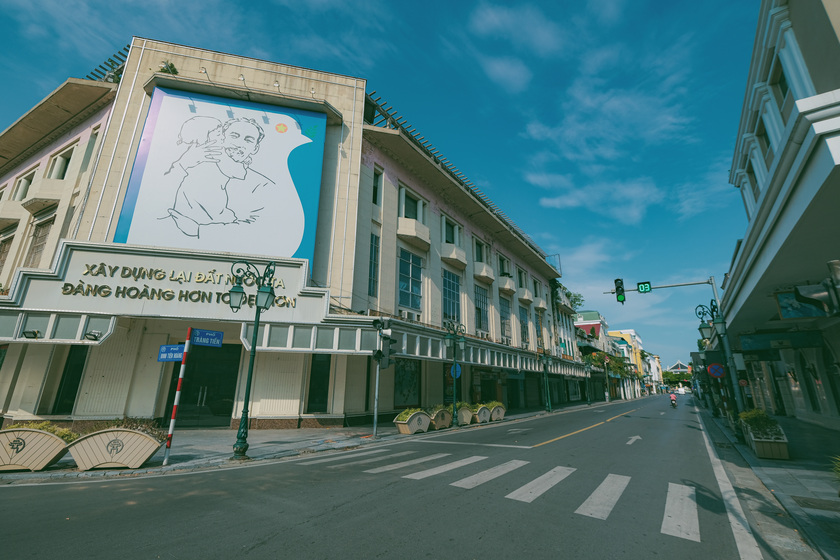
Traveling during Tet (Lunar New Year) has become a trend, and I'm sure it will become a habit for many people experiencing the modern Tet holiday in the future. Family trips to the beaches, groups of young people climbing mountains to chase clouds, or flying abroad to enjoy the festive atmosphere of Tet. These roads have become new meeting points, where Tet is not just about returning home, but also about exploration, experience, and bonding through journeys.
Celebrating New Year's Eve in a foreign place, watching fireworks by the sea or in the windy highlands, brings a fresh and different feeling. But the most precious thing is that, no matter where you are or who you are with, you still maintain the spirit of reunion and the atmosphere of Tet. Because ultimately, I think the meaning of Tet doesn't lie in where you are, but in who you are with.
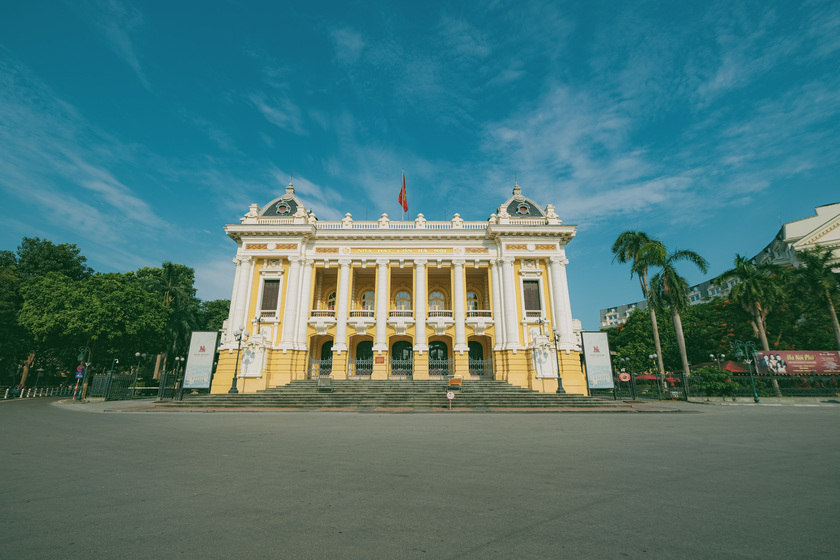
Traveling during Tet (Lunar New Year) has become a trend, and I'm sure it will become a habit for many people celebrating Tet in the modern era in the future.
Traveling during Tet (Lunar New Year) is also a way to recharge and start the new year with a refreshed spirit. No one wants to eat the same Tet feasts for a whole week, or to go from house to house with the same old stories. The whole family exploring a new place together, sharing joyful stories along the way, and enjoying new and different foods – all of these things create a very different, yet very meaningful, Tet experience.
Tet is a holiday.
I don't like having to choose between staying home or going somewhere during Tet, but why can't I have both? The days leading up to Tet, especially the New Year's Eve preparations, are usually the most joyful and festive. I love the feeling of the afternoon of the 30th, when the house is spotless, cycling to the city center to sit in a cafe and watch the streets preparing for spring.
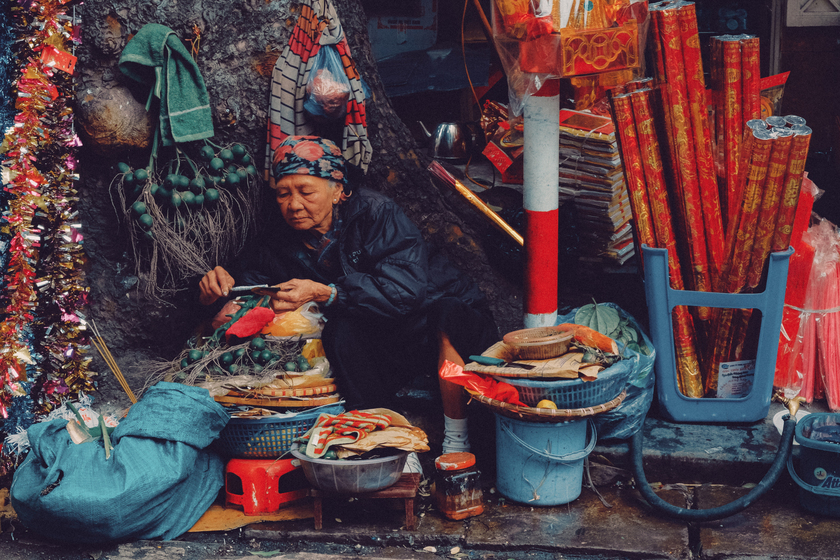
On the first day of the Lunar New Year, we light incense for our ancestors with our family and enjoy the feeling of togetherness around a warm and cozy meal. But on the second day, with the holiday still lasting a few more days, I think there will be enough time for a trip depending on our preferences and circumstances. Going to the beach, climbing mountains, traveling abroad, or simply camping in the suburbs are all ways to generate positive energy and excitement for the new year.
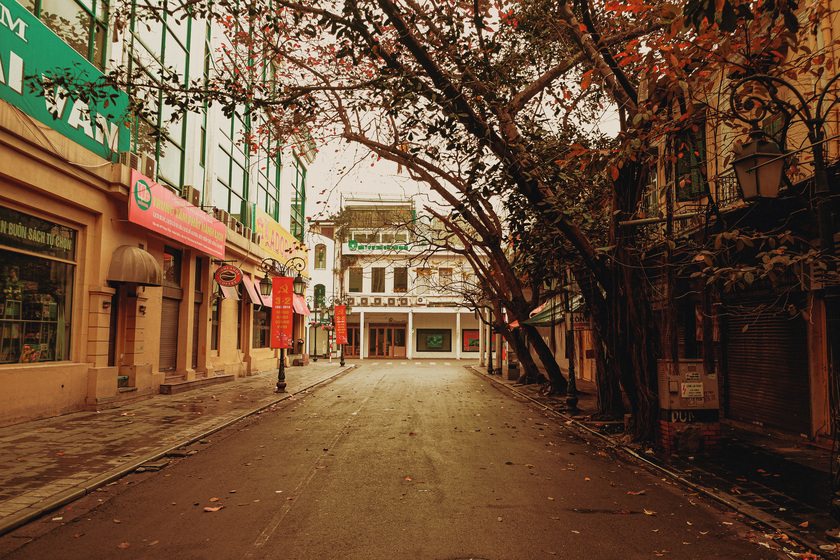
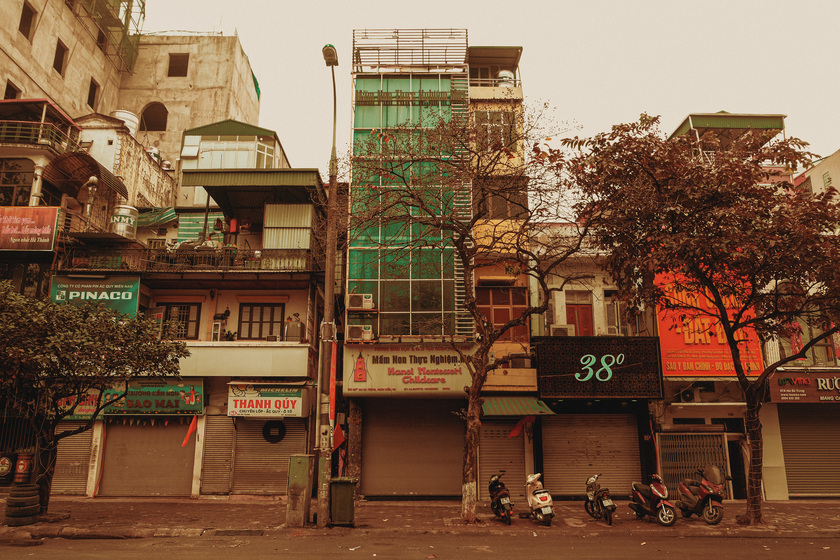
Whether it's the Tet of the past or the Tet of today, the most important thing remains the value of family reunion. Trips, gatherings, New Year's greetings – all aim to connect people. And no matter how society changes, I believe Tet will always be an occasion for everyone to remember their roots and spend time with loved ones.
This Tet holiday, we are no longer bound by old traditions, but the beautiful values of Tet of the past are still preserved, adapted to better suit the times. On new journeys, we still carry the spirit of Tet, so that each trip is a meaningful beginning for the new year.
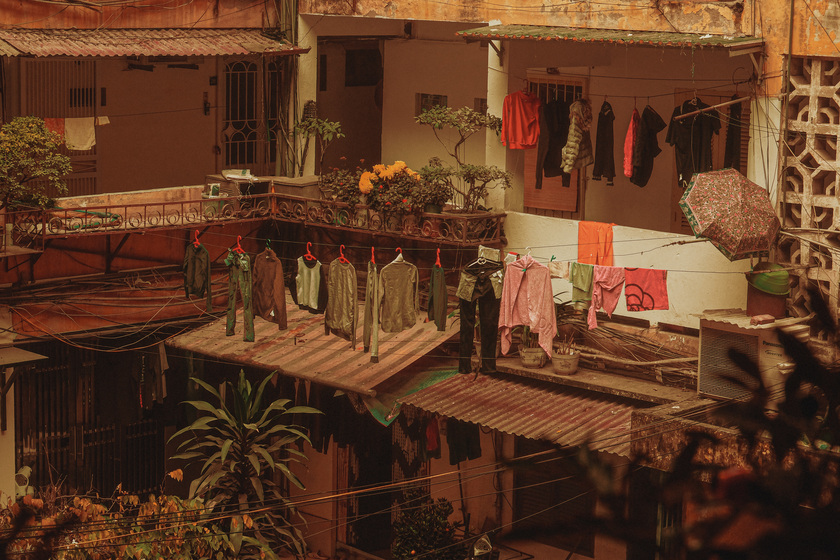
Whether it's Tet in the past or Tet today, the most important thing remains the value of family reunion.
Tet (Lunar New Year) is not only a time to pause and reflect, but also a moment to embark on new journeys throughout the long year ahead. From early-year trips filled with laughter to good wishes sent from all directions, Tet is the beginning for each of us to move forward with optimism and full of hope.
On every journey, whether exploring the world or seeking deeper values in life, Tet (Lunar New Year) provides the motivation to go further and live more fully. And then, upon returning home after another year has passed, everyone will realize that those very steps have helped them appreciate more the simple yet meaningful moments of reunion, where family is always the beginning and end of every journey.