VI
VI


Snowstorms continue to batter the central United States.
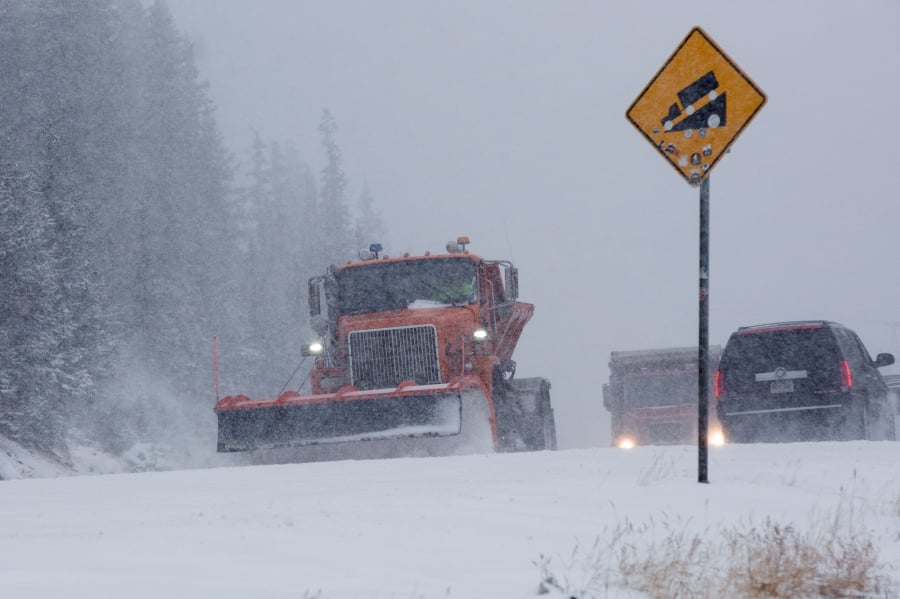
Severe snowstorms began hitting the central US states on November 25th last week. The blizzards arrived just as Americans were preparing for Thanksgiving. The storms hit South Dakota, Iowa, Michigan, Minnesota, and Wisconsin, while "bomb cyclone" toppled trees, caused power outages, and dumped snow in California and Oregon. Authorities in both states reported numerous accidents due to the severe weather.
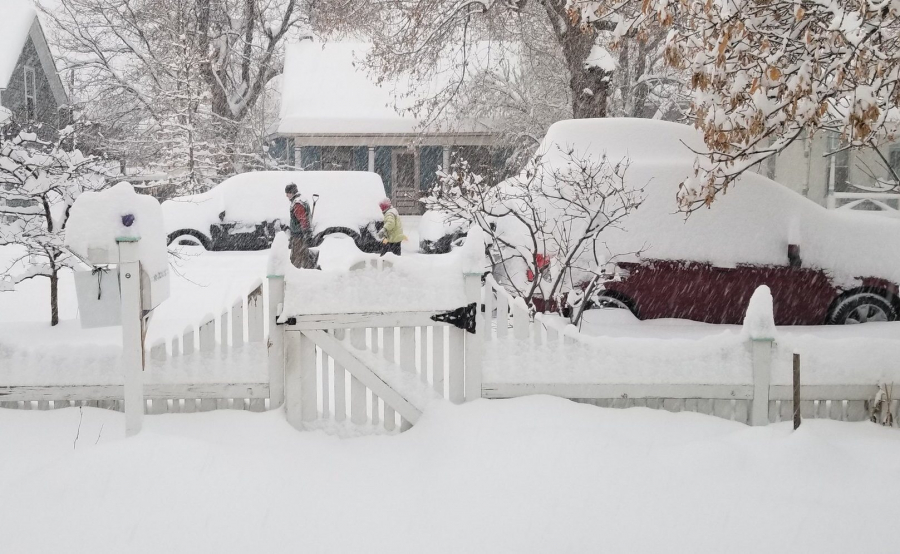
Traffic was paralyzed, and many schools and government offices had to close.
The blizzard brought up to 1 meter of snow to northern Colorado. At least one person died and two were injured in an accident on Highway 70 near the ski town of Vail, Colorado. Schools and government offices in the affected areas were also forced to close for safety reasons.
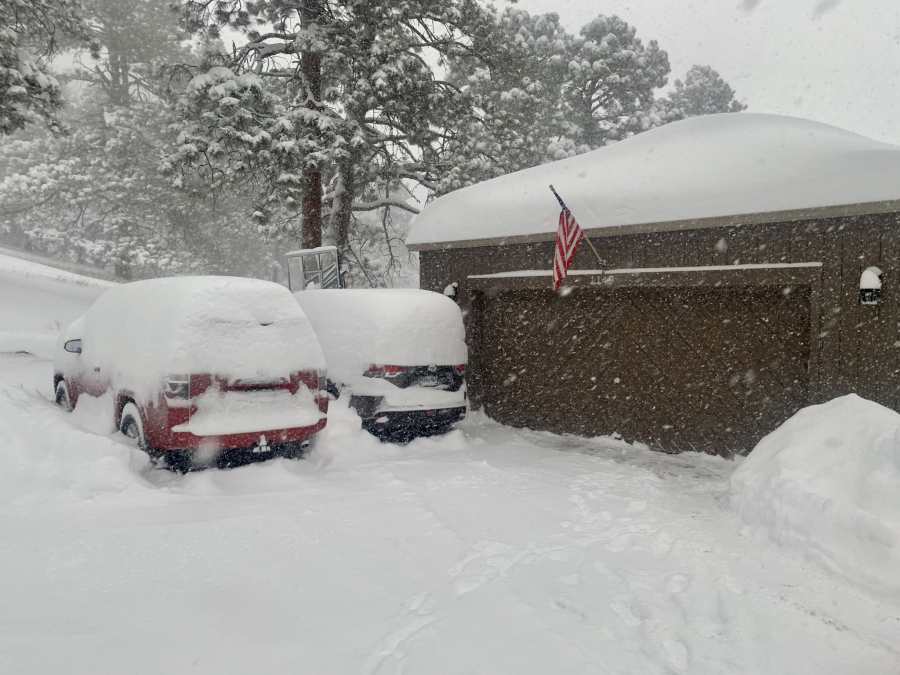
The blizzard buried the streets under a layer of snow 20 to 40 centimeters deep.
US airlines have canceled hundreds of flights, leaving thousands stranded at airports during the busy year-end travel season. More than 1,000 travelers spent the night at Denver airport after hundreds of flights were canceled. The US meteorological agency predicted the blizzard would bury streets under 20 to 40 centimeters of snow. The rapid drop in air pressure could cause waves up to 11 meters high, gusts exceeding 120 km/h, and heavy snowfall.
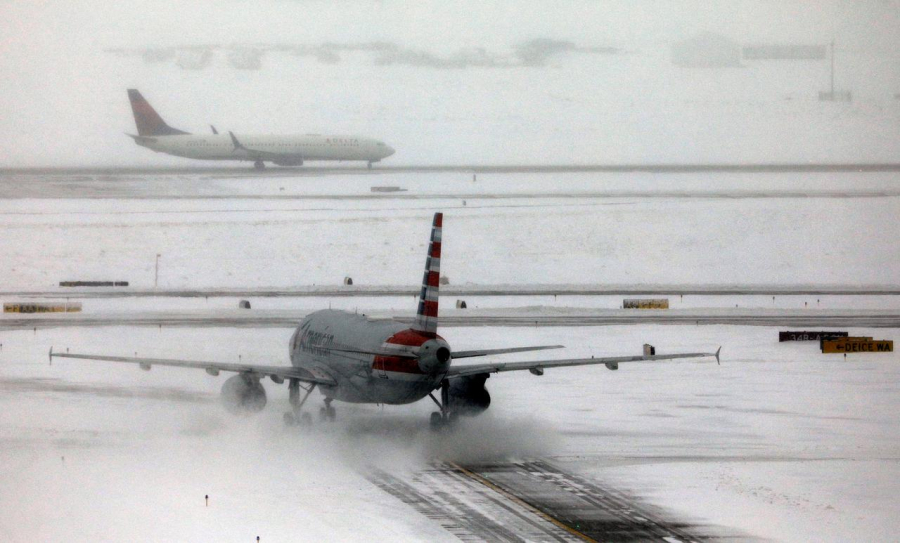
American airlines have had to cancel hundreds of flights.
To date, the states of California, Oregon, Colorado, Wyoming, and Nebraska have been severely affected by the snowstorm. The storm is now moving towards and threatening South Dakota, Iowa, Michigan, Minnesota, and Wisconsin. It is expected to move to the East Coast of the United States on November 28th.

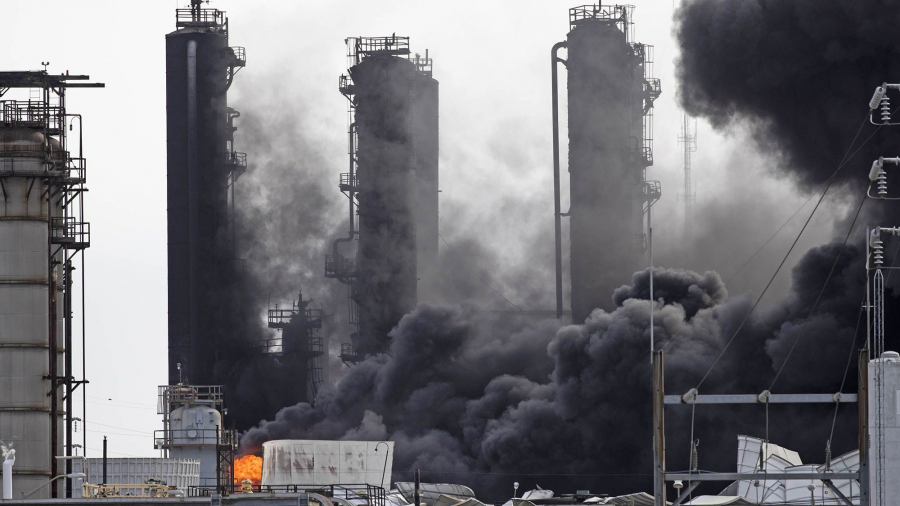
60,000 people evacuated due to successive oil explosions in Texas.
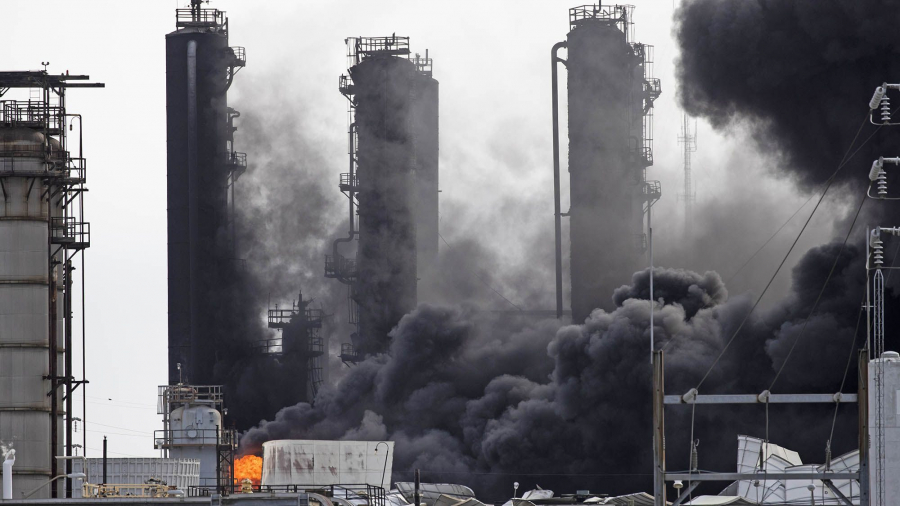
The explosion occurred in the early morning of November 27th (US time) at TPC Group's petrochemical plant in the port city of Neches, Texas. This petrochemical processing plant is used to produce synthetic rubber, plastics, and gasoline additives. A series of smaller explosions inside the plant subsequently shattered windows and blew open a locked main door. Several nearby homes also suffered significant damage. At least three workers have been injured in the series of explosions so far.
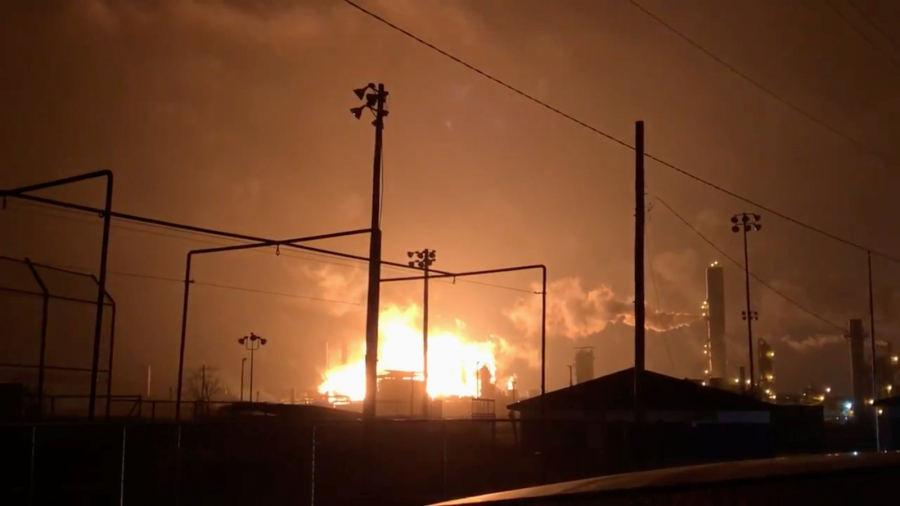
The explosion occurred in the early morning of November 27 (US time) at TPC Group's petrochemical plant.
Peyton Keith, a spokesperson for TPC, said firefighters have determined that the fire will have to burn itself out and are working to prevent it from spreading. Reuters reported that Jefferson County authorities ordered residents of four surrounding towns – Neches, Groves, Arthur, and Nederland – to evacuate by 8 p.m. GMT on November 27.
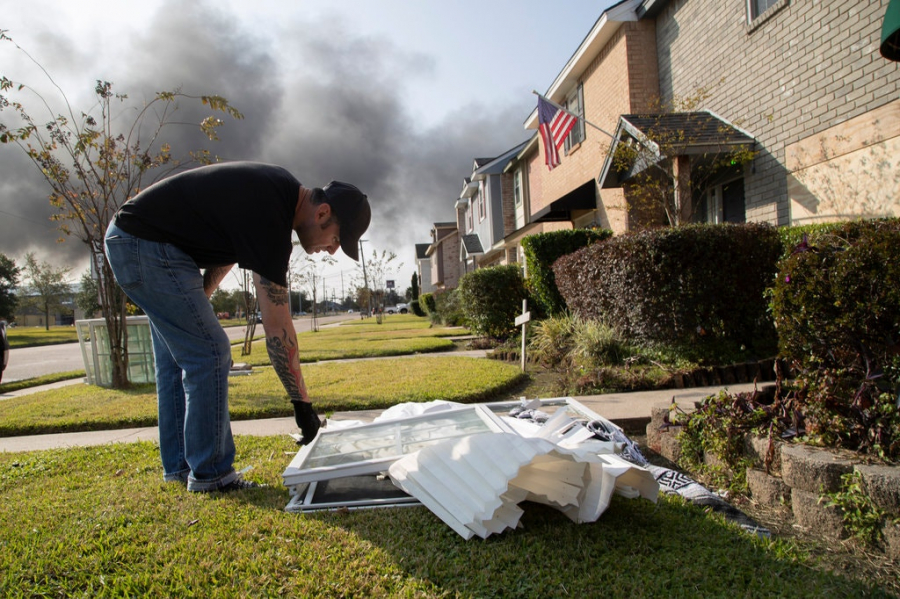
The windows of people's homes around the explosion site were severely damaged.
The Texas Commission on Environmental Quality (TCEQ) said the tall plume of smoke emanating from the plant—visible from kilometers away—could cause eye, nose, and throat irritation, difficulty breathing, headaches, and nausea due to volatile chemicals. There is no information yet on whether water sources in the area have been contaminated.
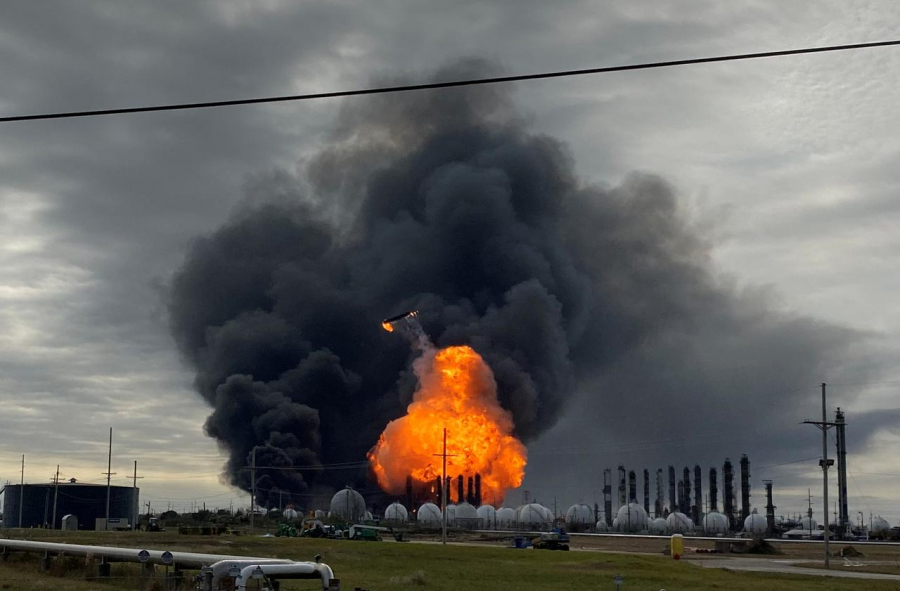
Smoke emanating from the factory can cause burning sensations in the eyes, nose, and throat for residents.
The explosion caused extensive damage to TPC's petrochemical processing plant and is the latest in a series of fire incidents at Texas petrochemical processing plants recently. Jefferson County alone has four oil refineries and 32 chemical plants.

Last March, a chemical warehouse fire in suburban Houston raged for days. A month later, another fire broke out at the LLC KMCO plant northeast of Houston, killing one person and injuring another. Then, in July, a fire at an Exxon Mobil Corp chemical plant in Baytown, Texas, injured 37 people.