VI
VI


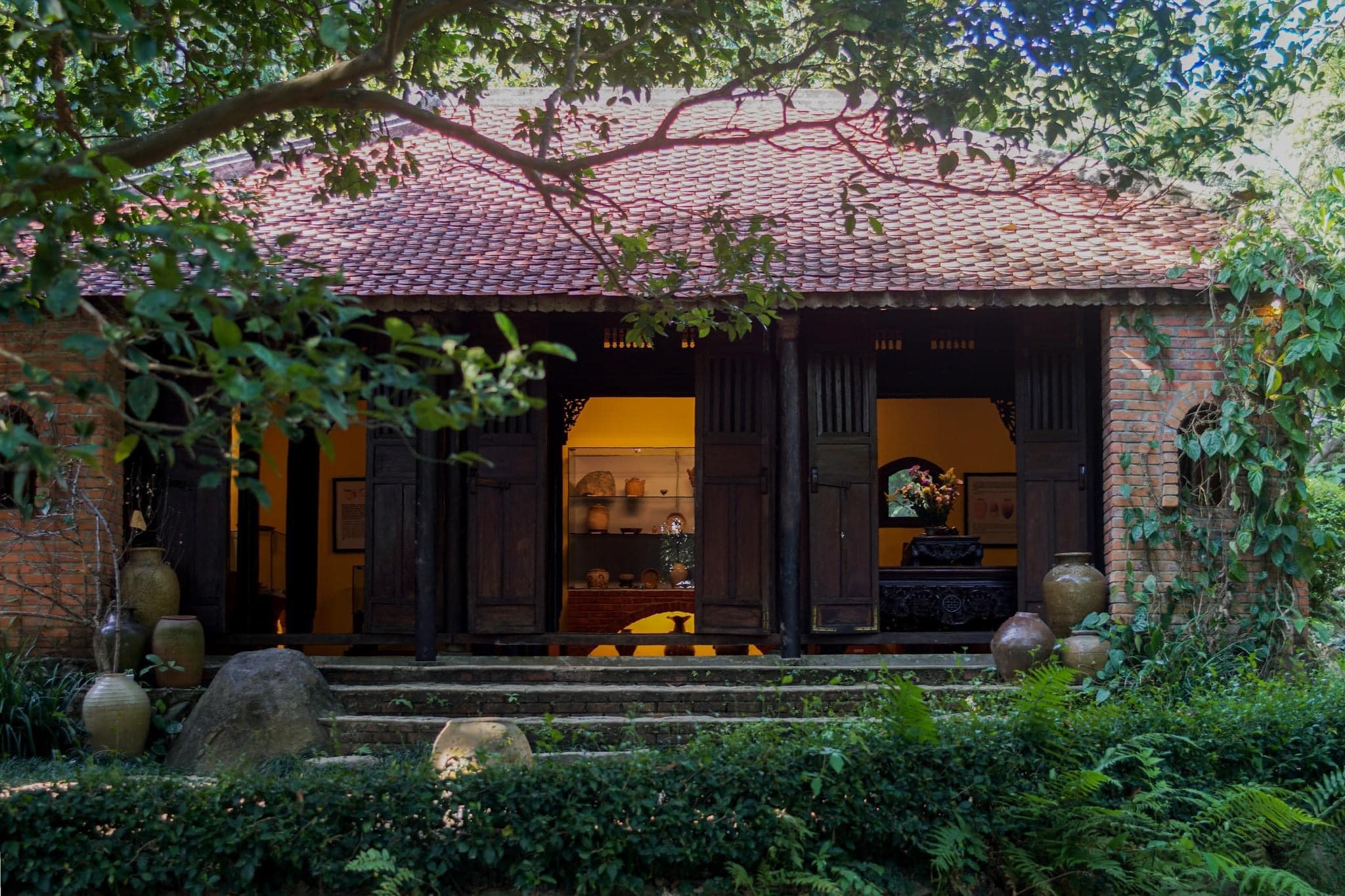
The Dong Dinh Museum is located amidst the winding mountain pass on the Hoang Sa road, on the Son Tra peninsula, Da Nang. From here, heading towards Linh Ung Pagoda, it's less than 11 km from the city center. The Dong Dinh historical site is quite large, with a total area of nearly 10,000 m².2.
This place is also likened to a memorial garden, with beautiful classical architecture, creating a wonderful space for visitors to connect with nature and explore cultural and spiritual values. The museum's name, "Dong Dinh," comes from the presence of many Dong Dinh trees surrounding it. This is a type of palm tree that grows densely in the Son Tra forest area, playing an important role in the ecological landscape of the region.
Anyone who visits this place will surely be impressed.
Lan Nhi (24 years old, Da Nang) shared: "Upon entering the museum, you immediately feel the peace, a cool, green space, close to the natural mountain and forest environment. This is why Dong Dinh Museum is often called by another poetic name - the garden of memories."
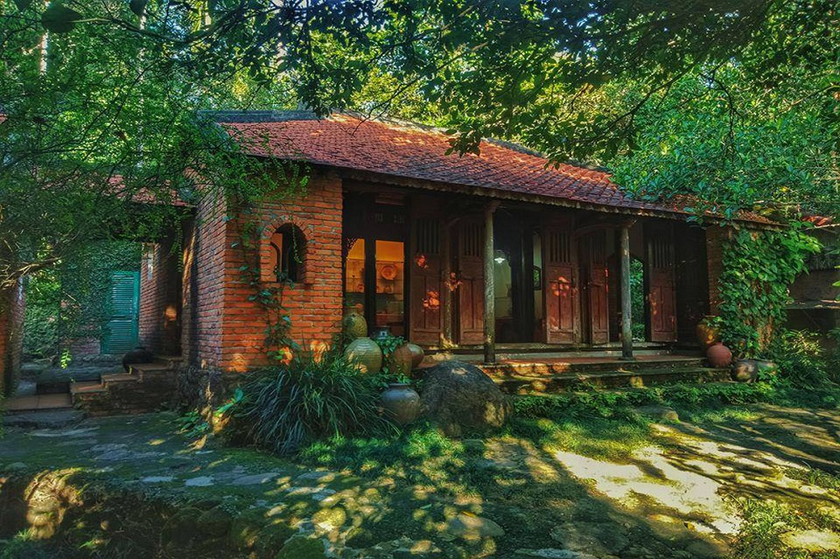
In this nostalgic setting, the crape myrtle trees surrounding the museum stand out. They are one of the rare species in the modern city, existing only in the memories of the past. Amidst the lush green forest and the chirping of birds, the image of an ancient house with its moss-covered tiled roof emerges like a painting of an old village.
The current museum custodian said: "The Dong Dinh Museum houses over a hundred artifacts dating from 100 to 2500 years old. The artifacts come from many different cultures, from Sa Huynh, Dai Viet, Champa, to China... and are by the talented artist Doan Huy Giao."
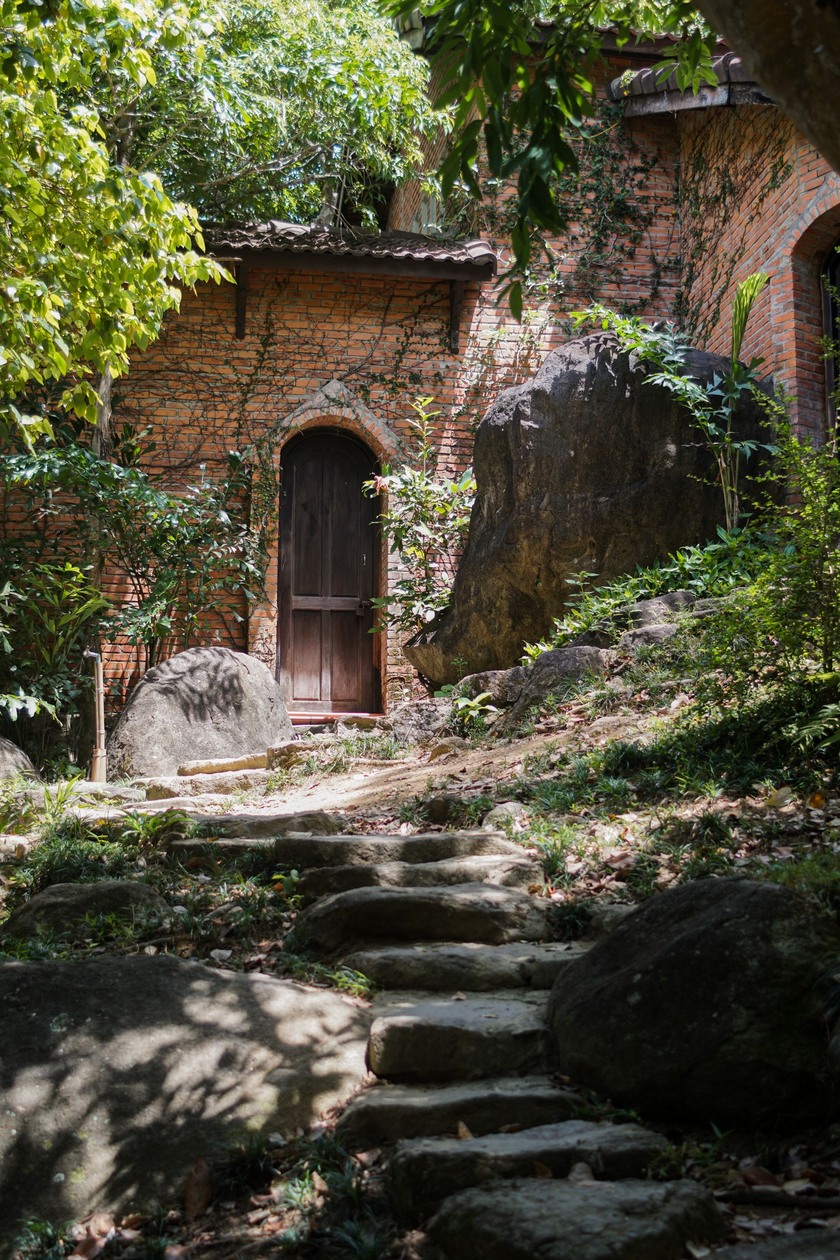
The rustic, simple architecture evokes memories of old houses.
"The climate at Dong Dinh Museum is always pleasant, so visitors can easily visit and experience it at any time of year. However, because the museum is located deep in the forest, it's best to avoid visiting on rainy days to ensure safety and avoid disrupting your tour," Lan Nhi said.

The Dong Dinh Museum is divided into four distinct visitor areas, including: an art exhibition area, an antiques exhibition area, an ethnography exhibition area, and a fishing village memory house.
Art exhibition area
The art gallery is designed in harmony with the surrounding green natural space. Inside, visitors will be immersed in works of art, including the exquisite black and white pastel paintings of artist Dinh Y Nhi, combined with the mask paintings of artist Dang Viet Trieu.
Furthermore, you will also discover unique and revolutionary sculptures by artisans from ethnic minorities in Central and Western Vietnam. These are wonderful works of art that showcase the diversity and creativity of their cultures.
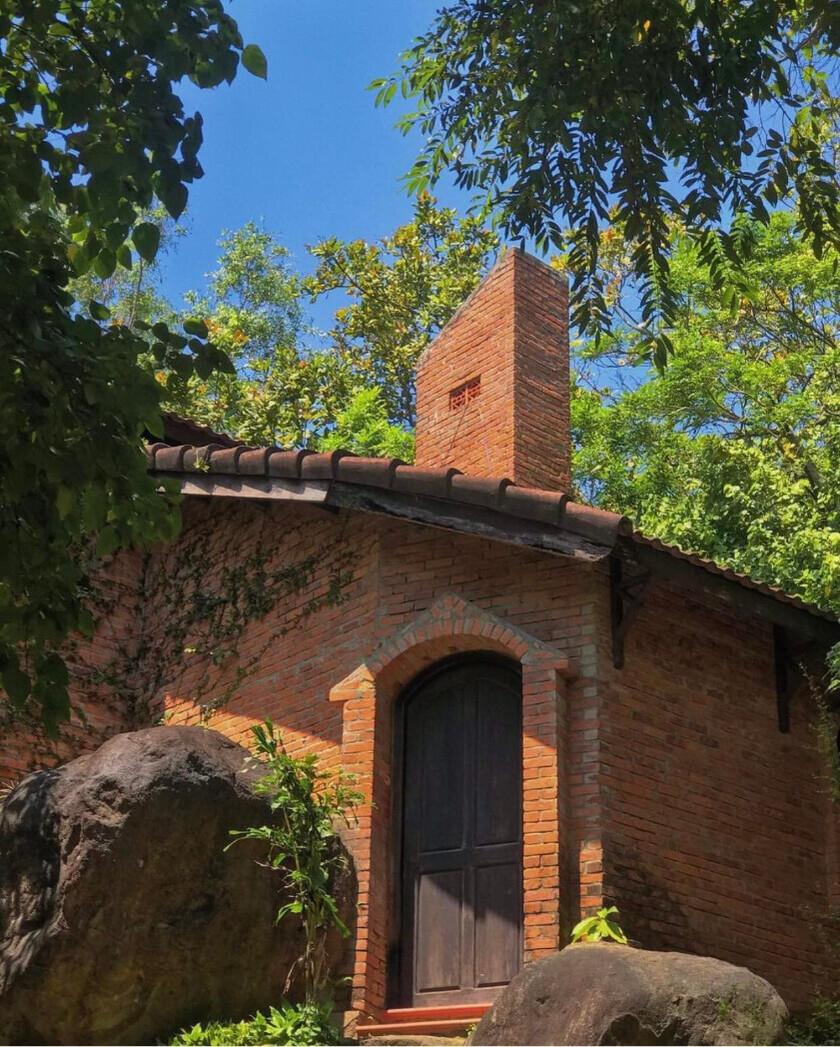
The area displays works of art.
Antiquities exhibition area
The antique exhibition area comprises two classically designed buildings. Inside, visitors will find a valuable collection of ancient artifacts representing diverse cultures and the unique characteristics of the 54 ethnic groups spanning from North to South Vietnam.
A particularly striking feature of this collection is the artifacts of the Sa Huynh culture, including anklets and earrings crafted from stone, along with unique willow leaf-shaped jewelry. In addition, there is a collection of ancient Champa ceramics and a diverse range of ceramic products from the Dai Viet period, showcasing the richness and long history of this culture.

Visit the antique exhibition area.
Ethnographic Exhibition House
Inside the ethnographic exhibition hall, visitors will find a treasure trove of precious artifacts from the villages of ethnic minorities in the Central and Central Highlands regions of Vietnam. The exhibits include wooden masks, antique furniture sets, and everyday household items used by people in the past. Every detail on these artifacts is simple yet exquisitely and vividly carved. They reflect the daily life, as well as the soul and spirit, of people from the past.
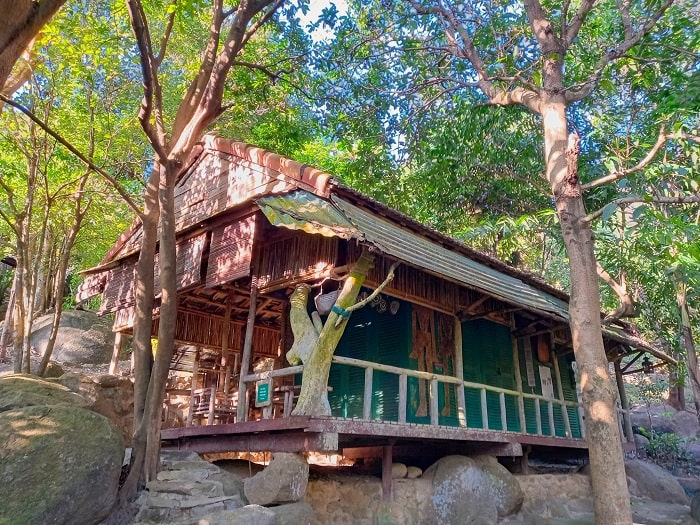
The ethnography exhibition area is shaped like a stilt house.
House of Memories of the Fishing Village
In the warm atmosphere of the Fishing Village Memories area, familiar artifacts of the fishing and net-making professions of yesteryear are subtly displayed. Here, visitors will encounter ancient wooden boat hulls, bamboo boats, old woven baskets, buoys, fishing nets, and other fishing tools. Paintings depicting the fishing village and life at sea are also part of this collection, all arranged naturally and vividly. All these artifacts authentically recreate the simple life of the people of the old fishing village.
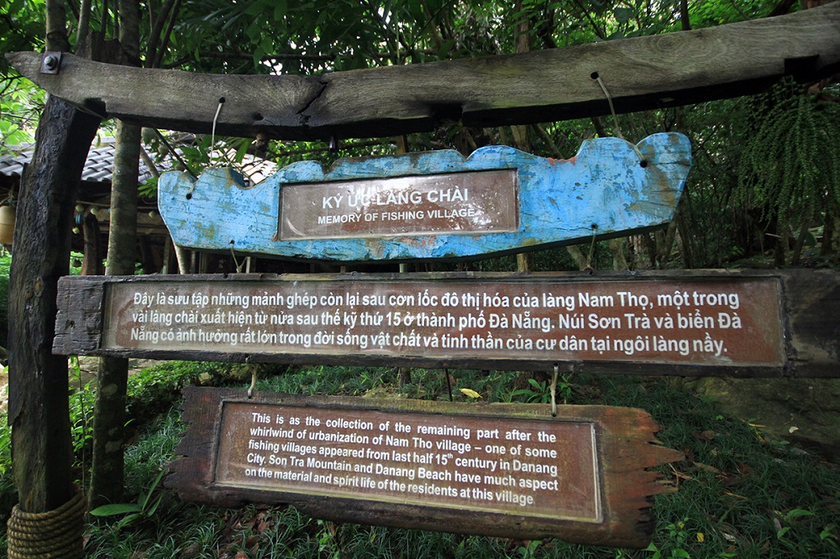
Visiting the fishing village's memory area, you will have the opportunity to admire and learn about the lives of fishermen.
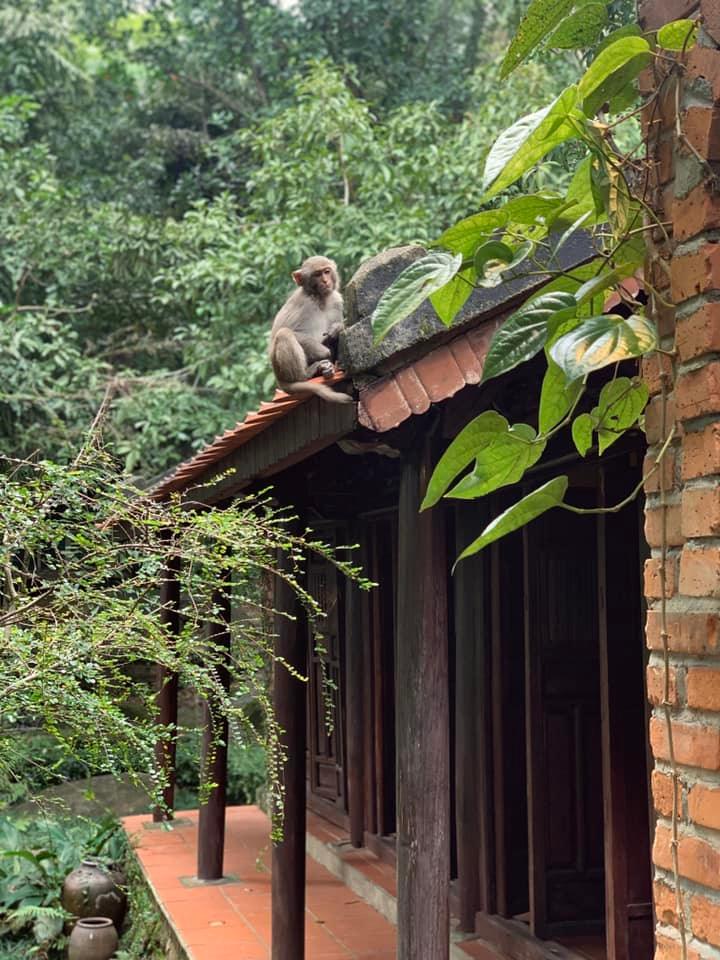
A lovely picture at the museum.
Strolling through the cool, fragrant space of the Dong Dinh Museum, Lan Nhi confided: "This place is like a small healing garden for us young people in Da Nang. Whenever we need to relax, we come here. The road along the beach leading straight to the museum is beautiful, and every time I step into this peaceful space, I feel much more at peace."
Not only attracting the attention of young people, Dong Dinh Museum is gradually establishing its position by welcoming middle-aged visitors, many student groups, and foreign tourists every day.