VI
VI


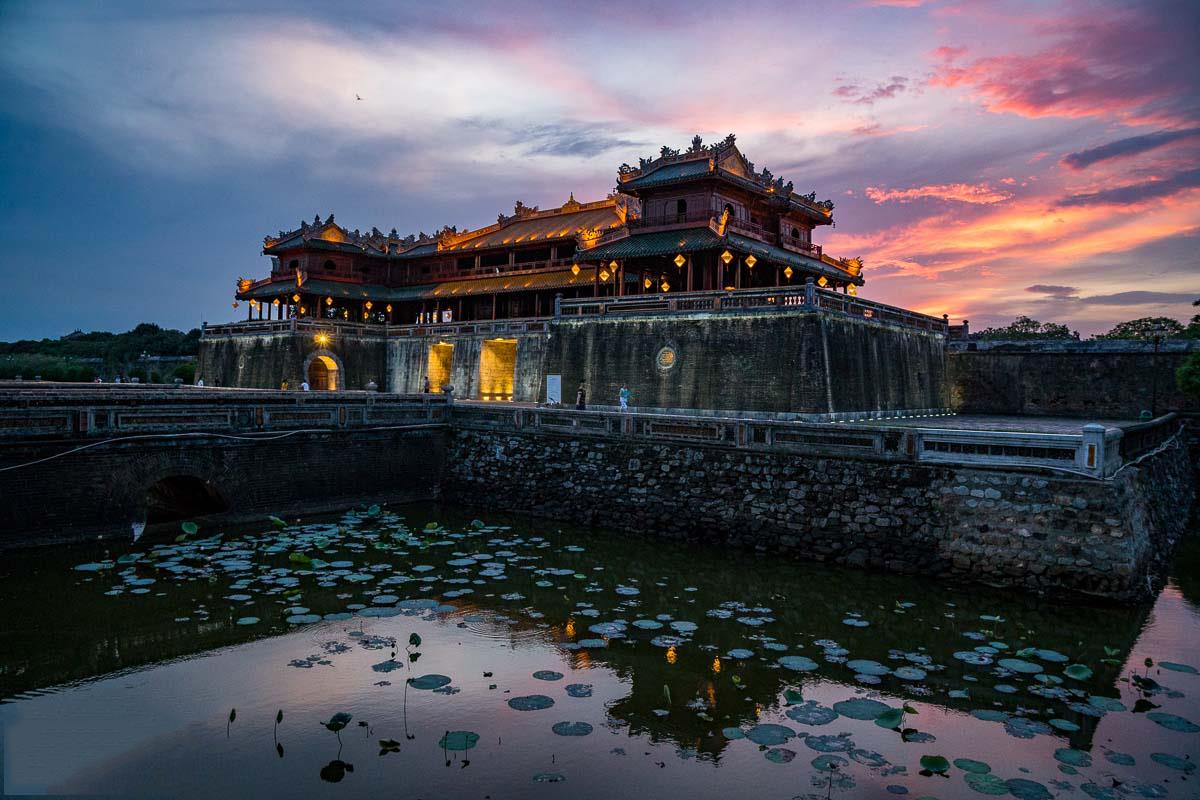
This exhibition, in addition to displaying documents about the life and the construction of the Nguyen dynasty by Emperor Gia Long, also features valuable ancient artifacts such as the Emperor's gun, relics from the construction of the imperial city, bronze incense burners used in the Nam Giao and Xa Tac sacrificial ceremonies, etc.
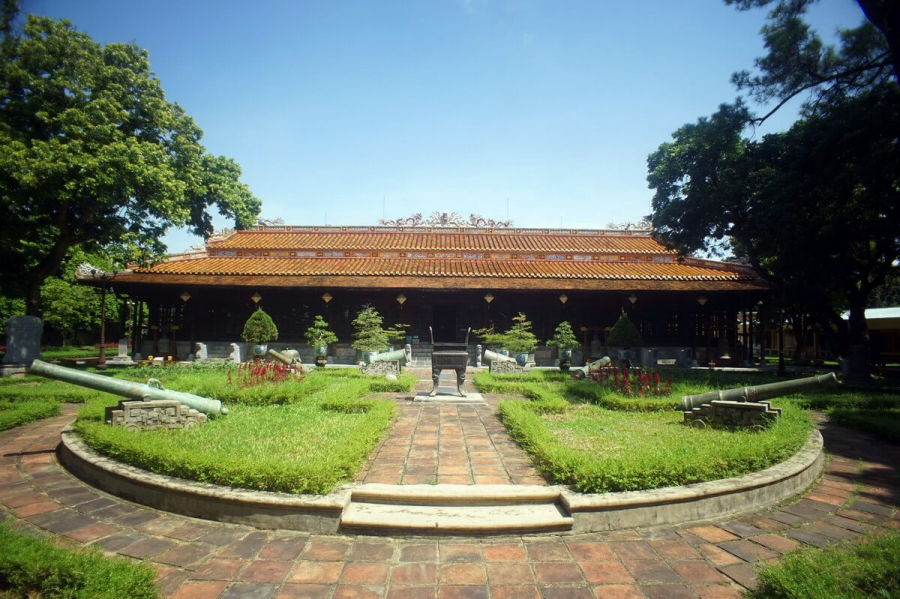
The artifacts are displayed at Long An Palace - Hue Royal Antiquities Museum.
Besides mementos associated with Emperor Gia Long and artifacts bearing the imprint of his contributions to establishing the monarchical administration in our country, the exhibition also dedicates a section to introducing the construction of the Hue capital, which Emperor Gia Long laid the foundation for, and the mausoleum - the resting place of the Emperor and members of the royal family.

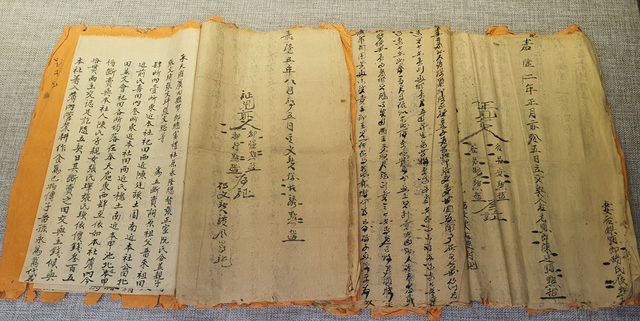
A copy of the land sale deed from the time of Emperor Gia Long.
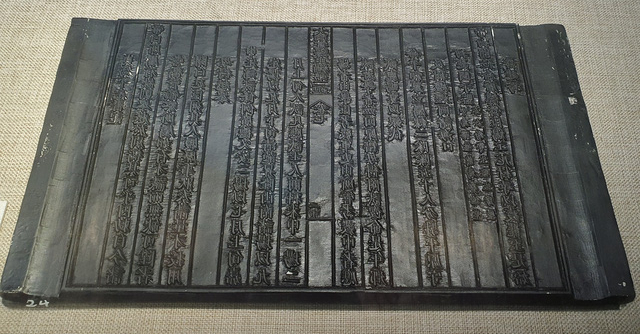
A woodblock print from the time of Emperor Gia Long
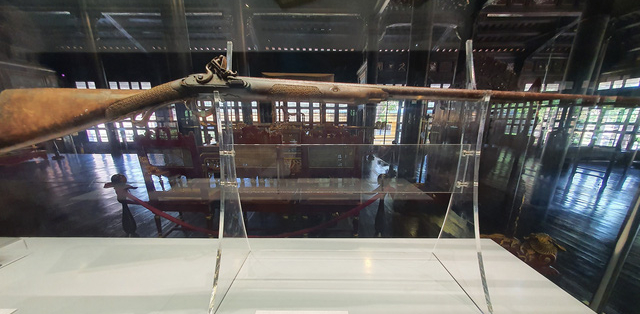
Emperor Gia Long's gun - Photo: Phuoc Tuan
The thematic exhibition is taking place at Long An Palace, now the Hue Royal Antiquities Museum (3 Le Truc Street, Hue City), from now until the end of August 2020.
additional information
Emperor Gia Long was born on February 8, 1762, and died on February 3, 1762. His birth name was Nguyen Phuc Anh. He was the founder of the Nguyen Dynasty, unifying the country territorially, establishing the national name of Vietnam, perfecting the administrative system from the central to local levels, laying the foundation for the development of the economy, law, culture, and society, and further establishing Vietnam's sovereignty over the Hoang Sa and Truong Sa archipelagos.