VI
VI



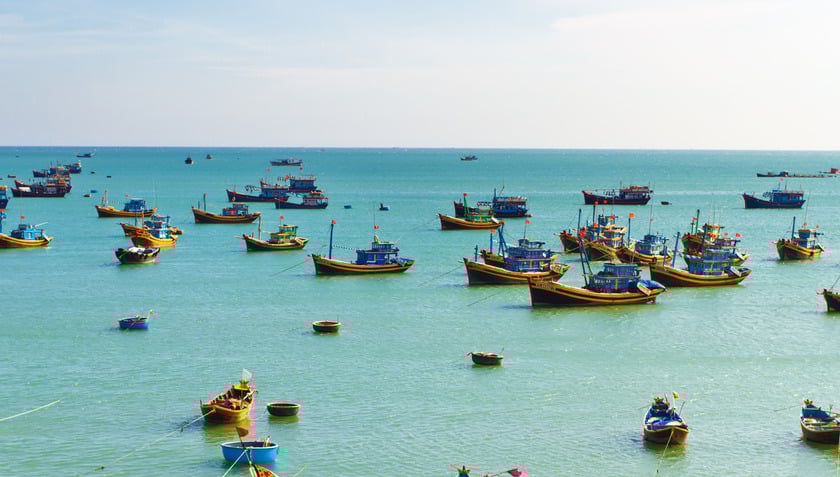
Across the beaches of Central Vietnam, from Quang Binh, Quang Ngai, Binh Dinh, and Phu Yen to Ninh Thuan and Khanh Hoa, tourists will be intrigued by the sight of large, round, sharp eyes painted on the bows of boats. These are the "boat eyes"—a distinctive and sacred cultural symbol, imbued with the "spirit of the river and sea" in the lives of Vietnamese fishermen.
The soul of the ship and the belief in overcoming the vast ocean.
For people living by the sea, a boat is not just a means of livelihood; it is a true companion, always by their side amidst the turbulent waves. Therefore, the boat's "eyes" not only possess artistic value but are also symbols of life, likened to "divine eyes" capable of protecting and guiding the boat through danger and ensuring its safe return. Throughout long fishing trips on the open sea, these "eyes" become a strong source of spiritual support for fishermen, instilling faith and hope.
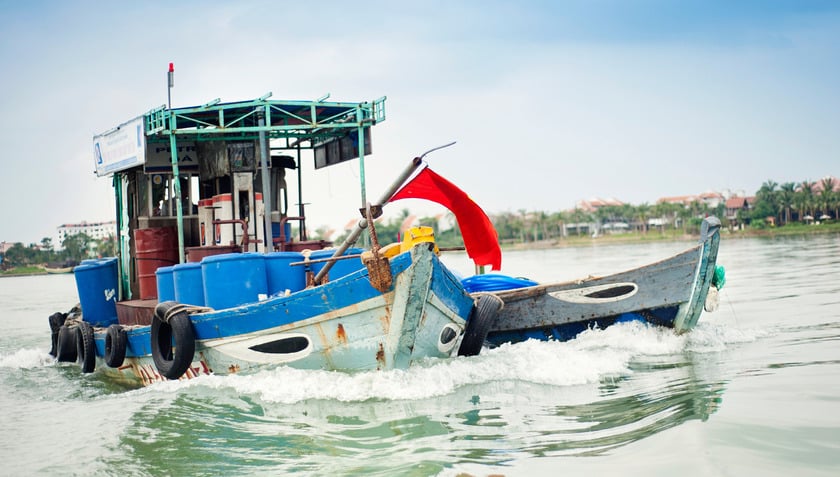
The boat's eyes are not simply art; they represent life, the "divine eyes" that protect and guide the boat across the vast ocean.
The eyes of a ship are drawn in various shapes, each concealing a story and a profound belief. It could be the eye of a hawk – a large, powerful bird, considered the sea eagle, a symbol of intelligence and the ability to overcome storms. Or sometimes it could be the eye of a dragon – a mythical creature guarding against sea monsters, signifying the warding off of evil spirits and protecting the ship from the dangers of the ocean depths.
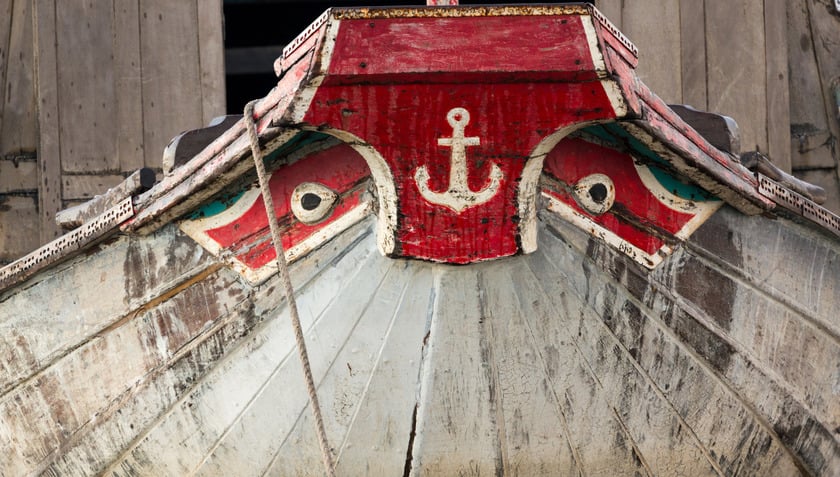
There are many different shapes of boat eyes, each with its own interpretation.
Most common and familiar are the large, round eyes of the whale, a gentle creature revered by coastal fishermen as a savior, bringing protection and good fortune. Each boat-shaped eye represents a specific wish of the fishermen: protection from storms, attracting abundant catches into their nets, and safe passage back to shore. Some regions paint the boat's eyes fiercely to scare away sea monsters, while others depict them as gentle, human-like, expressing a deep connection and gratitude to the vast ocean.

The custom of painting boat eyes and the age-old cultural imprint of the Vietnamese people.
The custom of painting eyes on boats is a long-standing tradition, deeply rooted in folk beliefs about rivers and seas. Fishermen believe that boats, like creatures of the sea, need eyes to see their way and avoid danger. Many legends also claim that the boat's eyes are a blessing from the gods, a continuation of ancient beliefs, when people felt awe at the grandeur of the sea but were also grateful for it sustaining them. Another legend says that painting the eyes of a "sea serpent" on the bow of the boat helps ward off disturbances from sea monsters.
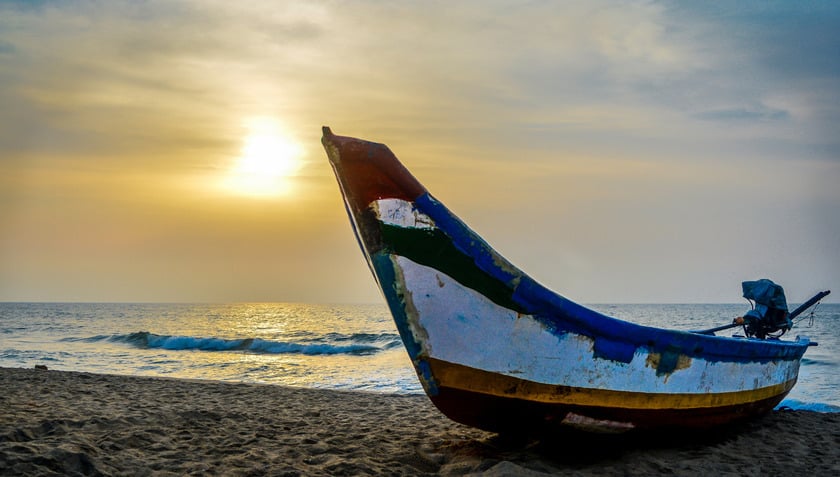
For generations, before launching any boat, a "opening of the eyes" ceremony has been performed.
Another theory suggests that the custom of painting eyes on boats originated from the story of the first Vietnamese king who ordered his courtiers to tattoo themselves and decorate the hulls of their boats with fierce shapes to ward off sea monsters, after some of his subordinates were attacked by ferocious fish. One of these decorations was painting a pair of eyes on the boats.
The image of a boat with large, round, black bird's eyes has also been found on the Dao Thinh jar, a cultural artifact from the 1st century BC, indicating one of the first recorded traces of the custom of painting boat eyes. This proves that this custom was deeply ingrained in Vietnamese culture from a very early period. This also aligns with records in Chinese historical texts such as the Book of Han, the Geographical Gazetteer, and the Lingnan Zhi Guai, which mention the Vietnamese tattooing themselves to ward off harm from sea dragons – a custom related to self-protection against aquatic monsters, similar to the meaning of the boat's eyes.
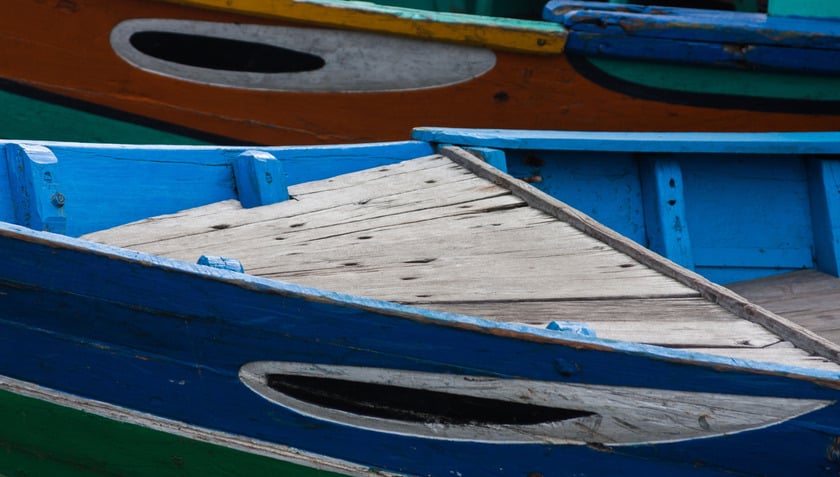
After the boat's hull is finished, the owner chooses an auspicious day, offers a simple ceremony, and then either personally or with the help of a craftsman, paints the eyes on the boat's bow.
In Vietnam, the eyes of a boat are painted on either side of the bow, incredibly diverse in style but sharing the common characteristic of looking very lively and expressive. Based on the shape and color of the boat's eyes, one can identify the origin and area of operation of the boats in each region. For example, the eyes of boats in coastal areas frequently facing storms, such as Central Vietnam, will have a serious, even fierce expression, as if affirming their determination to overcome the challenges of nature. Conversely, the eyes of boats in the waterways of the Southwestern Mekong Delta have a gentle, peaceful look, expressing sincerity, tenderness, and gratitude for the blessings of nature in the fertile alluvial land.
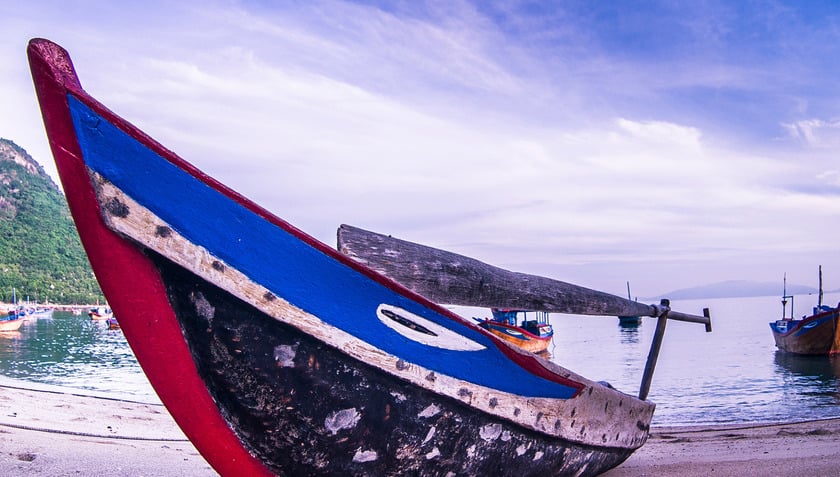
Those eyes were "sealed" with red silk until the boat was launched – a ritual with deep spiritual significance, like "opening the eyes" of the boat so it could see the way and the sea.
For many tourists, the "boat eyes" are not only a unique cultural feature but also a "tourism symbol" full of aesthetic and mystery. Amidst the blue sea and white sand, the colorful boats with their large, sharp, seemingly "smiling" eyes have become an unforgettable image in their minds. In many international travel guides, boat eyes are presented as a special visual element, contributing to the richness of Vietnam's maritime culture.
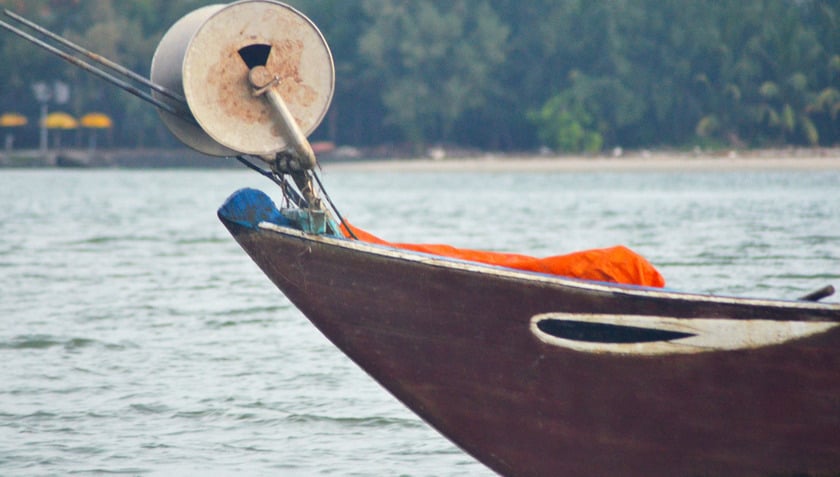
During long fishing trips at sea, the boat's viewfinder serves as a source of moral support for the fishermen.
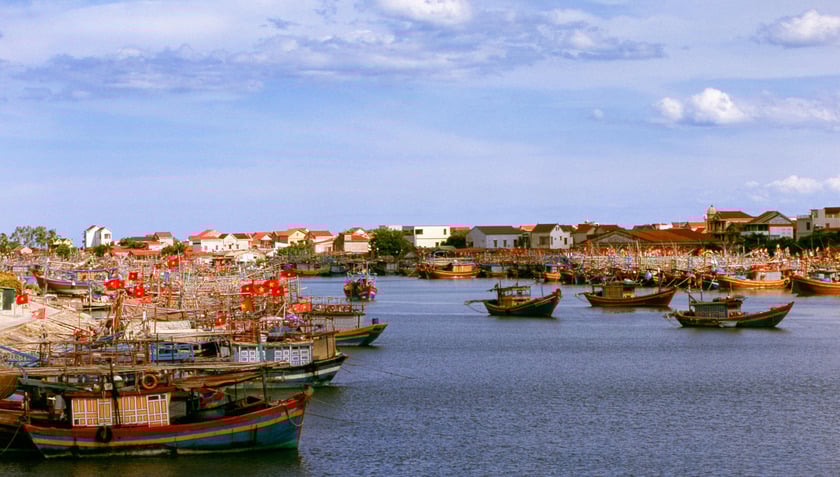
Each eye shape tells a story, a belief: weathering storms, luring fish into nets, guiding them back to shore.
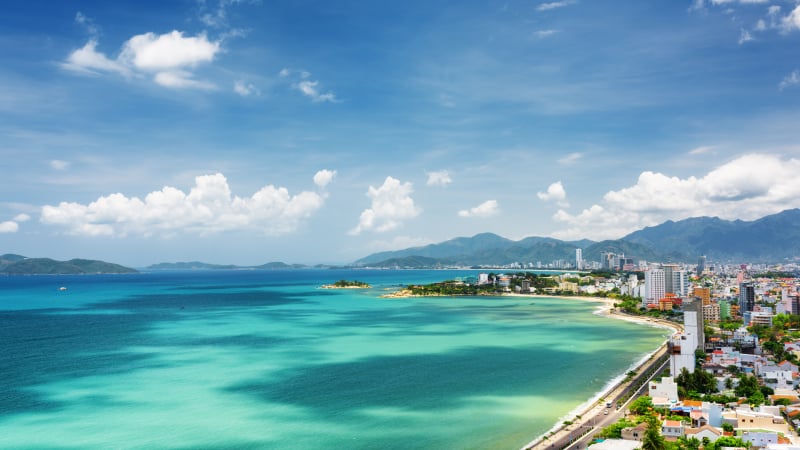
Not only in famous tourist destinations like Nha Trang, Mui Ne, or Hoi An, but throughout the coastal regions from North to South, the image of the boat's eye remains present, vibrant and evocative. It is not only a folk art but also a profound part of the cultural memory of the people living by the sea, a precious spiritual heritage that needs to be preserved and promoted.