VI
VI


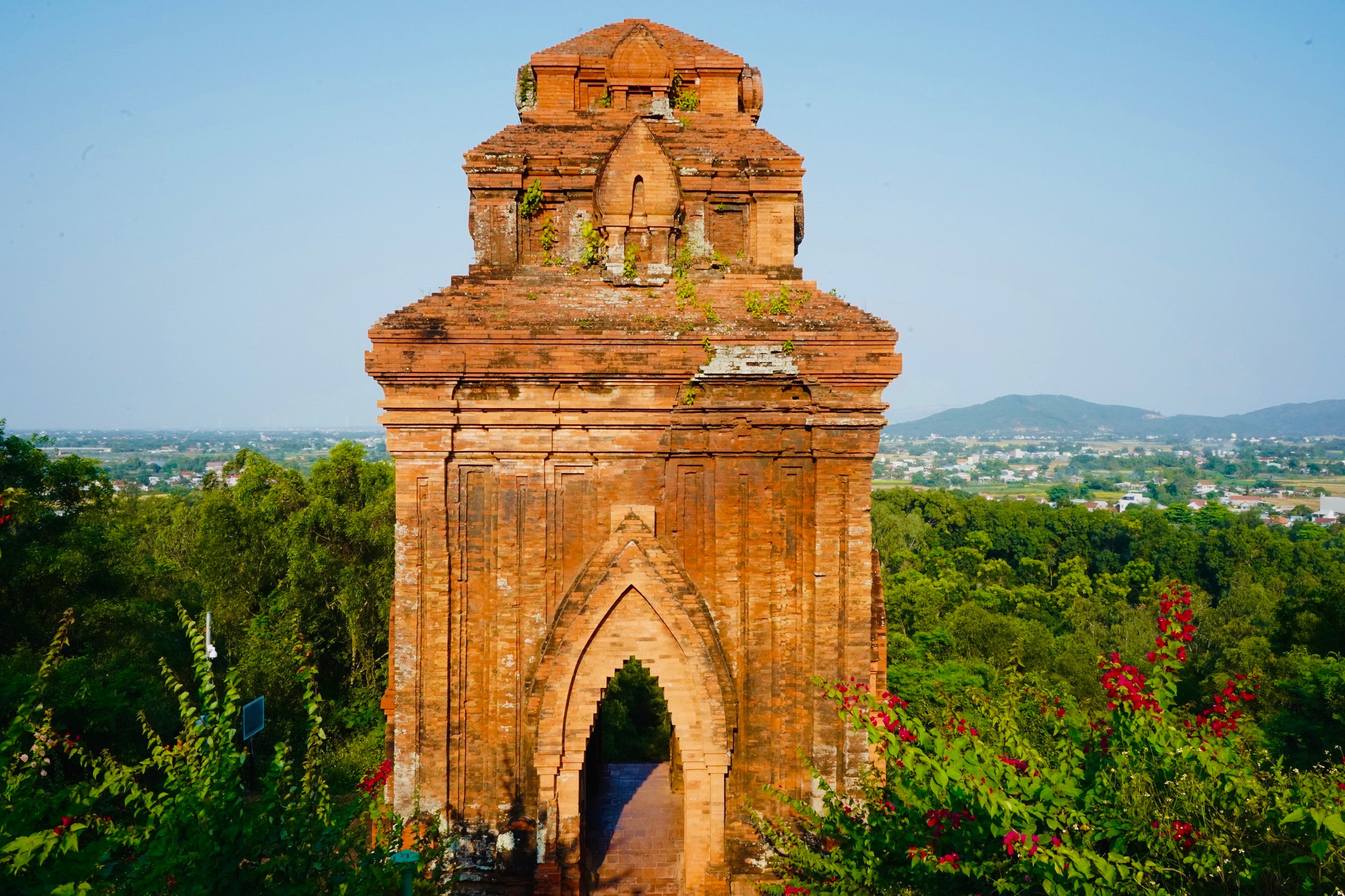
Located in Phuoc Hiep commune, Tuy Phuoc district, Binh Dinh province, Banh It Tower is an ancient Cham architectural complex that attracts tourists with its unique beauty and immense historical and cultural value. It is considered one of the most important Cham relics remaining in the country, a source of pride for the people of Binh Dinh, and a must-see destination for those who love exploring cultural heritage.
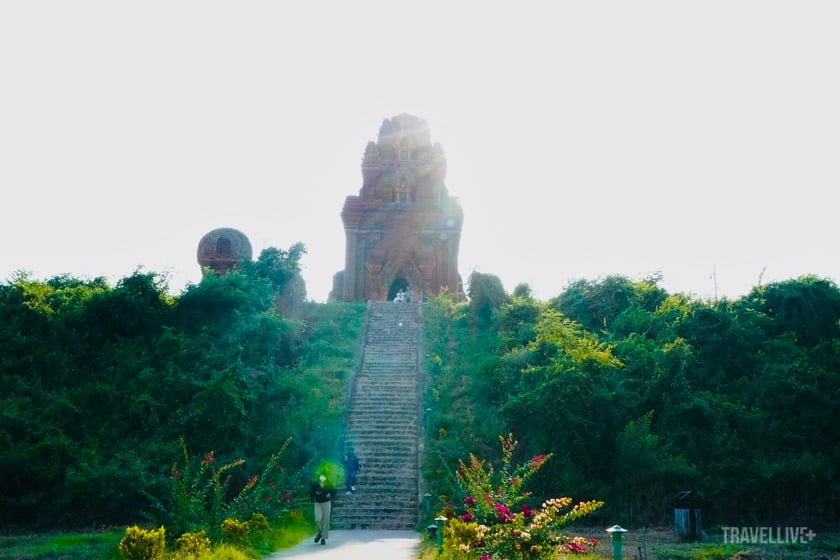
This is a complex of towers built on a small hill, where several branches of the Kon River flow through.
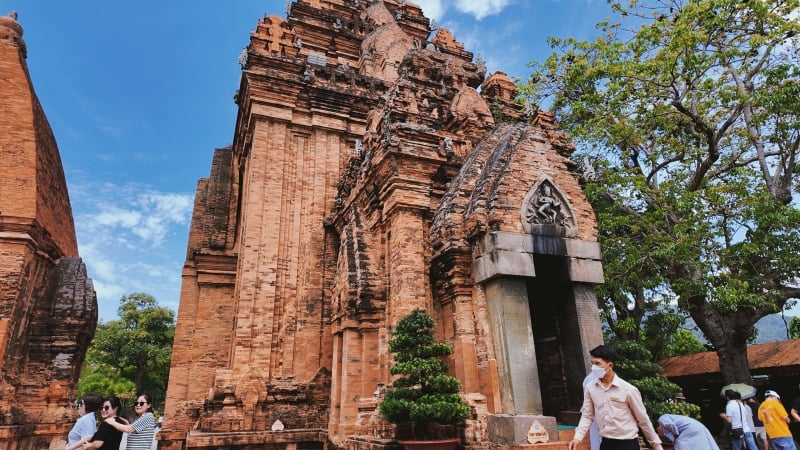
The unique architecture bears the strong imprint of Champa.
The Banh It Tower complex comprises four main towers: the Gate Tower (Gopura), the stele tower (Posah), the main temple (Kalan, also known as the mausoleum), and finally the Fire Tower (Kosagrha). Each tower possesses its own unique beauty, showcasing the sophistication and creativity in the architectural art of the Champa people.
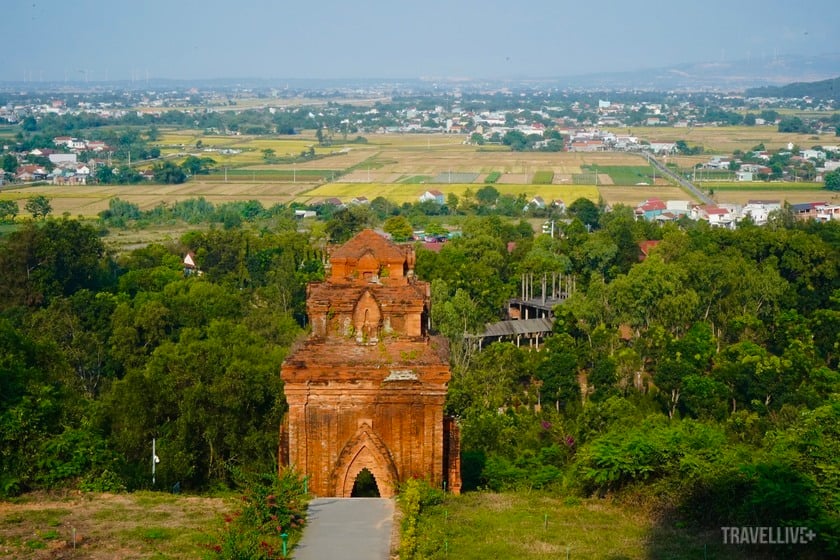
Nestled amidst lush green hills, Banh It Tower stands majestically like a fairytale relic, bearing the indelible mark of history over time.
The Gate Tower, the main entrance to the complex, is approximately 13 meters high and constructed of dark red fired bricks with a square shape and stacked layers. The tower's arch is designed in a layered spearhead shape, creating a unique and impressive appearance.
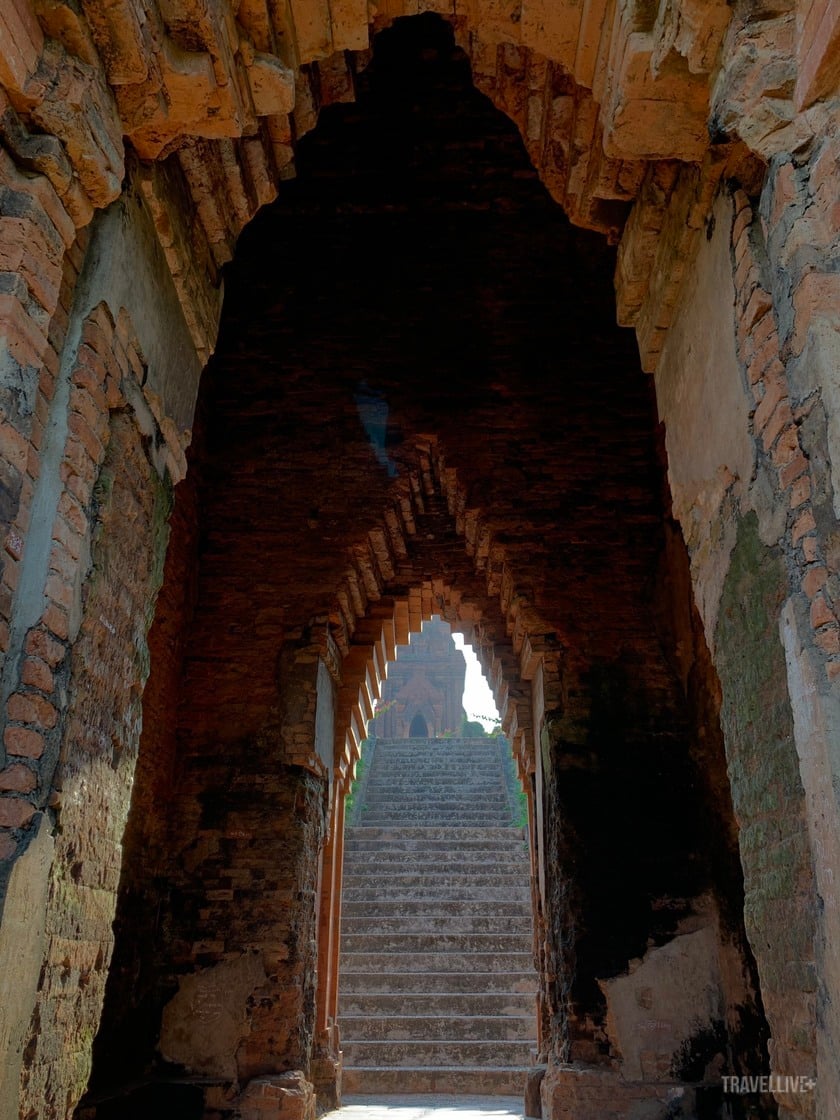
The Gate Tower is the most popular spot for young people to check in, as it offers a direct view of the main temple.
The stele tower is about 7-8 meters high and is also built in a square shape with rounded corners. It houses many exquisite sculptures depicting gods and religious culture of the Champa people.

The main temple, the centerpiece of the tower complex, stands 29.6 meters tall and is considered a masterpiece of Cham architecture in Binh Dinh. Distinguished by its pointed dome, the temple houses an exquisitely carved statue of the god Shiva and served as the site of sacred religious activities for the Cham people.
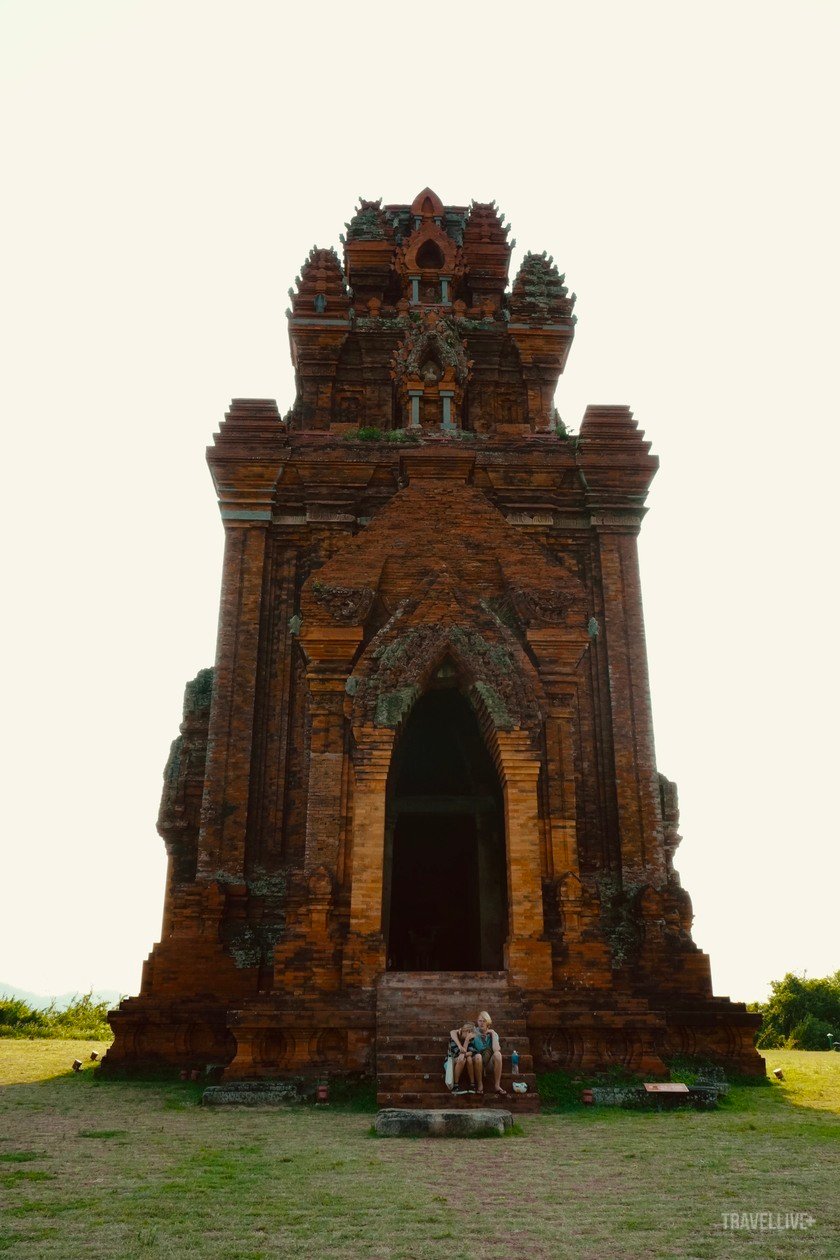
Despite the passage of time and wars, Banh It Tower still preserves the exquisite sculptural artistry of the ancient Champa people.
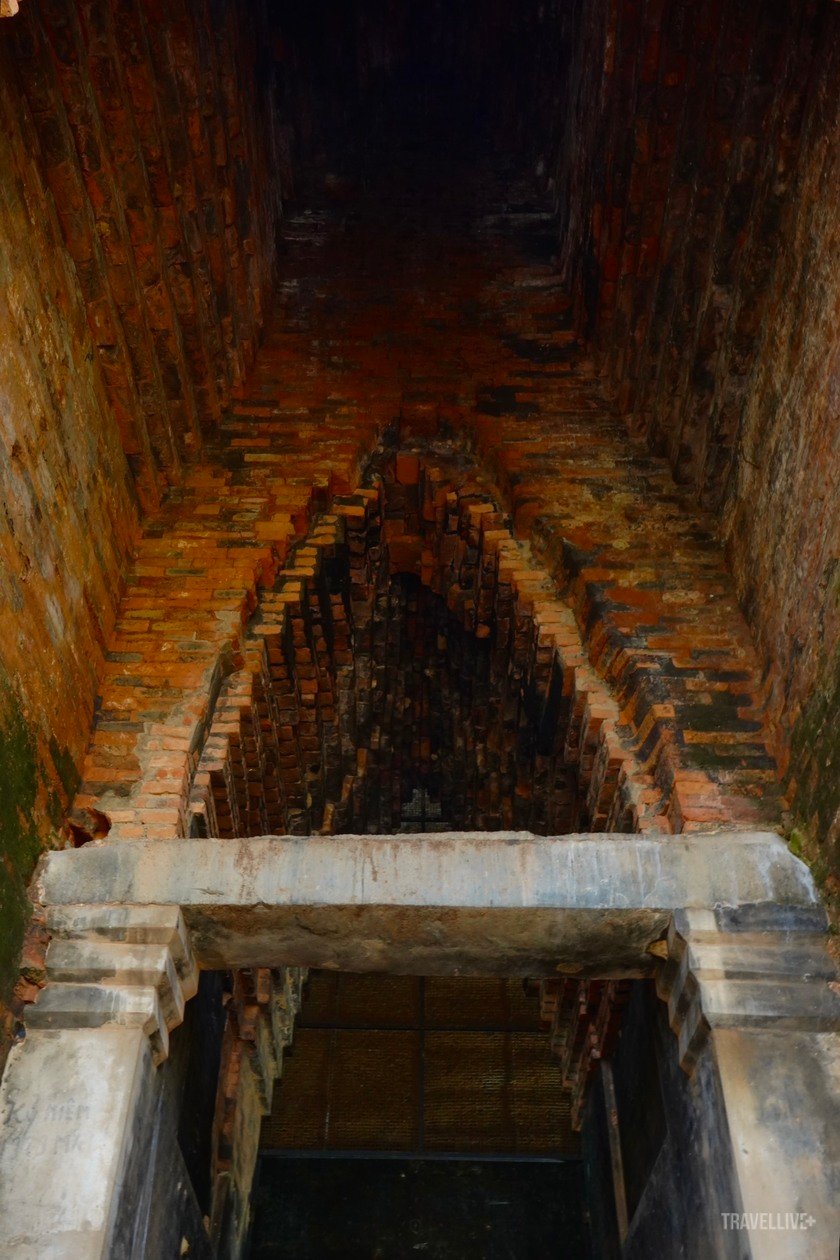
The top of the main temple.
The Fire Tower, approximately 10 meters tall, is rectangular in shape with rounded corners. It was once used as a warehouse, but today it has become a popular tourist attraction with its ancient sculptures on the tower walls.
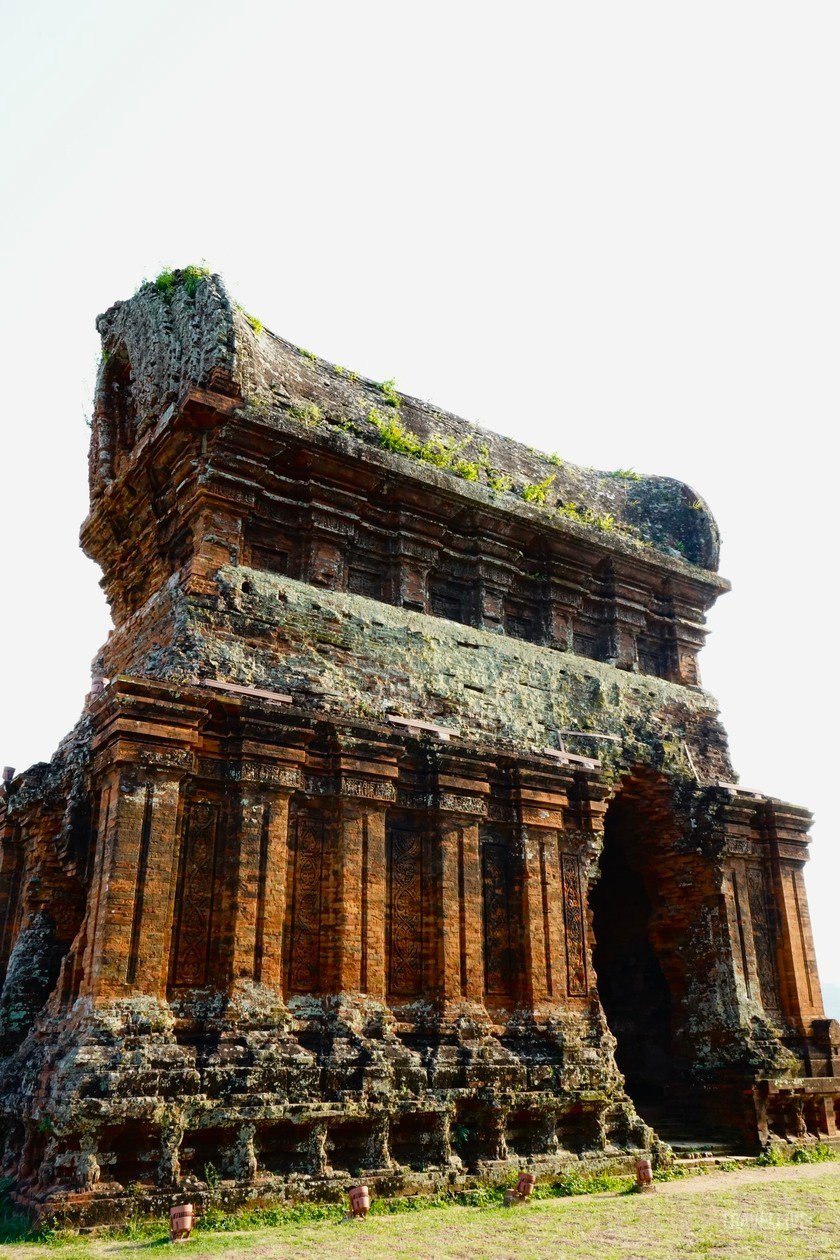
The Fire Tower is also known as the Saddle Tower because its roof structure is curved and concave in the middle, resembling the shape of a horse saddle.
Immense historical and cultural value
The Banh It Tower, built in the late 11th and early 12th centuries, is a testament to the flourishing development of Champa culture during this period. The tower complex served as a place of worship for sacred deities, reflecting the religious beliefs and worldview of the Champa people.
Over the centuries, Banh It Tower has witnessed countless historical ups and downs, serving as a cultural and religious focal point for the Champa people. Today, Banh It Tower is recognized by UNESCO as a World Heritage Site, a source of pride for the people of Binh Dinh, and a popular destination for both domestic and international tourists.
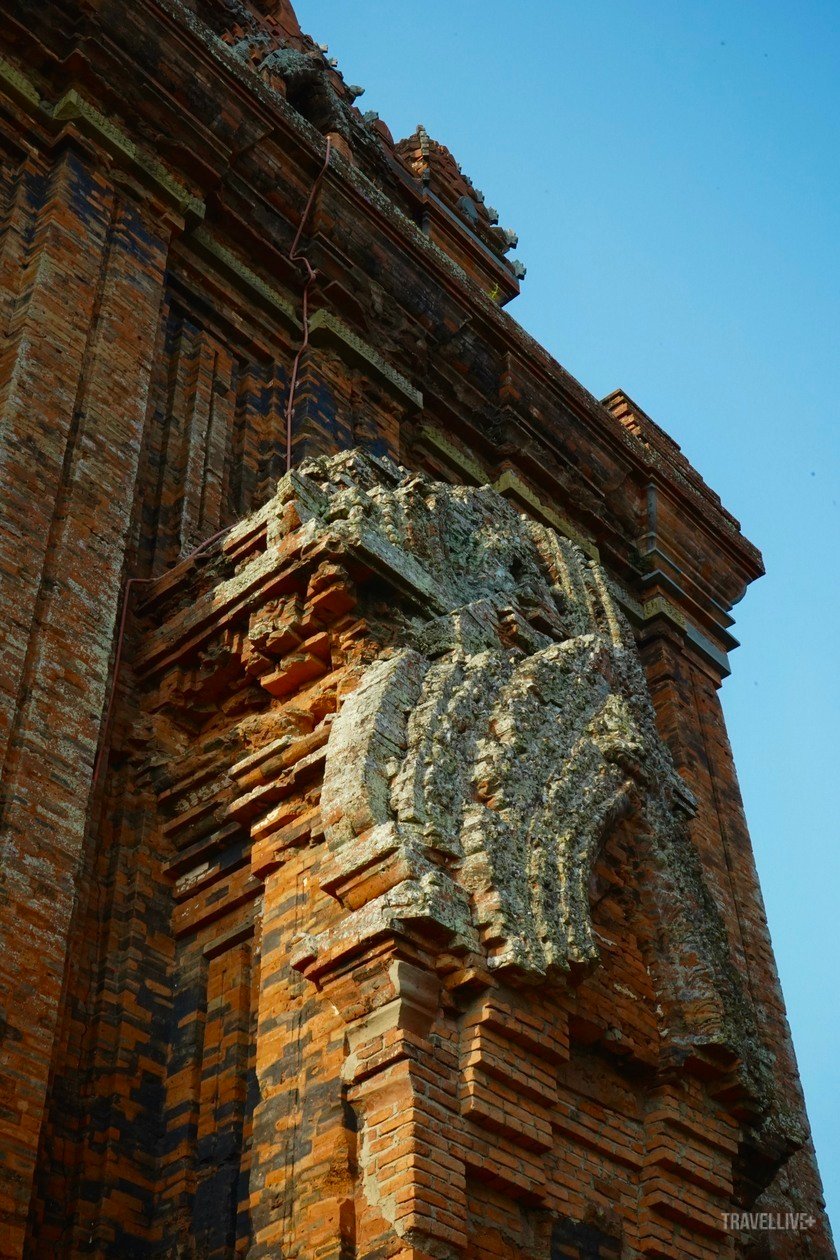
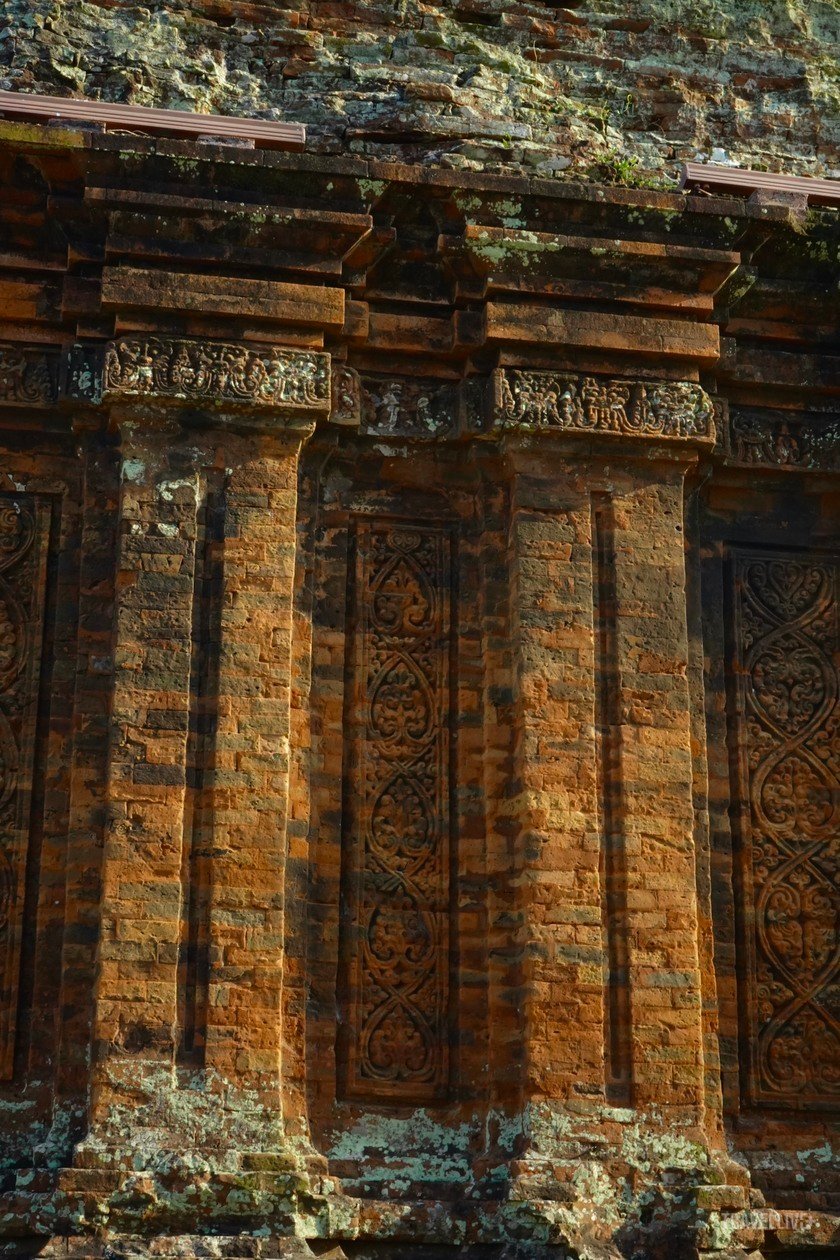
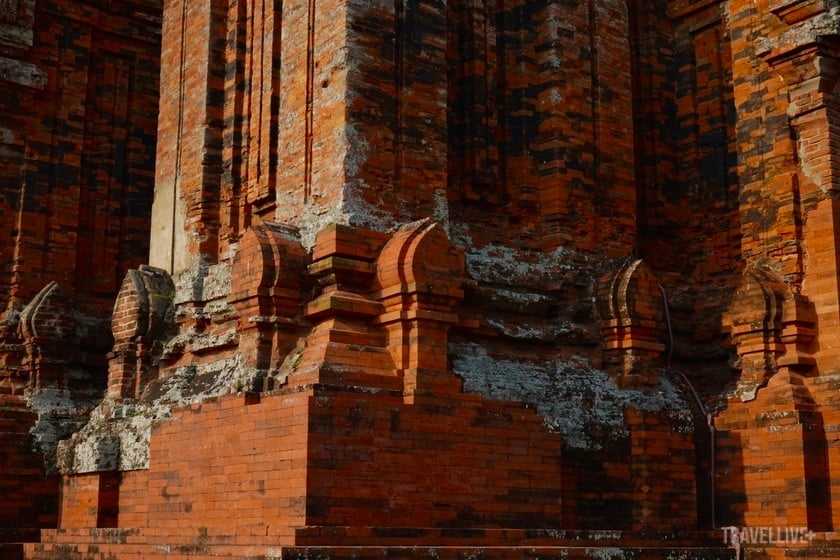
Exquisite sculptures adorn the tower.
James (31 years old, an American tourist) shared: "My girlfriend and I sat here for two hours. From the tower above, looking down, we could see the rice fields and the peaceful rural life below. Banh It Tower has an architecture similar to most other Cham towers, but it still has a unique charm that you can only truly appreciate when you stand here."
Visiting Banh It Tower, tourists not only get to admire the unique architecture but also have the opportunity to learn about the history and culture of the Champa people. Tourists can participate in traditional Champa festivals held here on special occasions.
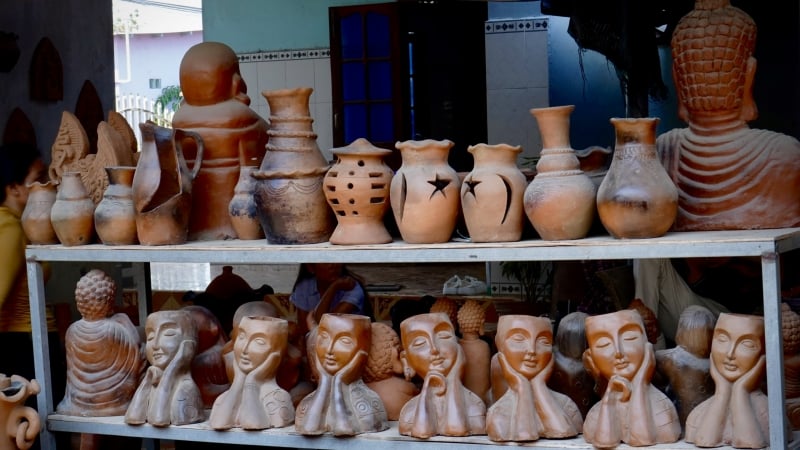
In addition, tourists can also visit traditional Cham villages such as brocade weaving, pottery making, basket weaving, etc., and enjoy Cham specialties.
When visiting Banh It Tower, you should keep the following tips in mind to have a complete and meaningful trip:
- It is best to visit Banh It Tower between January and August, when the weather is sunny and dry with little rain, making it ideal for sightseeing.
- Tourists should bring lightweight, comfortable clothing suitable for hot weather. It's also advisable to bring a hat, sunscreen, and drinking water to protect your health.
- Because Banh It Tower is located on a high hill, visitors should bring mosquito and insect repellent to ensure their safety.
- If traveling in a large group, visitors should contact the site management in advance to arrange for a tour guide.
- Visitors are required to maintain general cleanliness in the historical site area, refrain from littering, and contribute to protecting the environment and landscape.