VI
VI


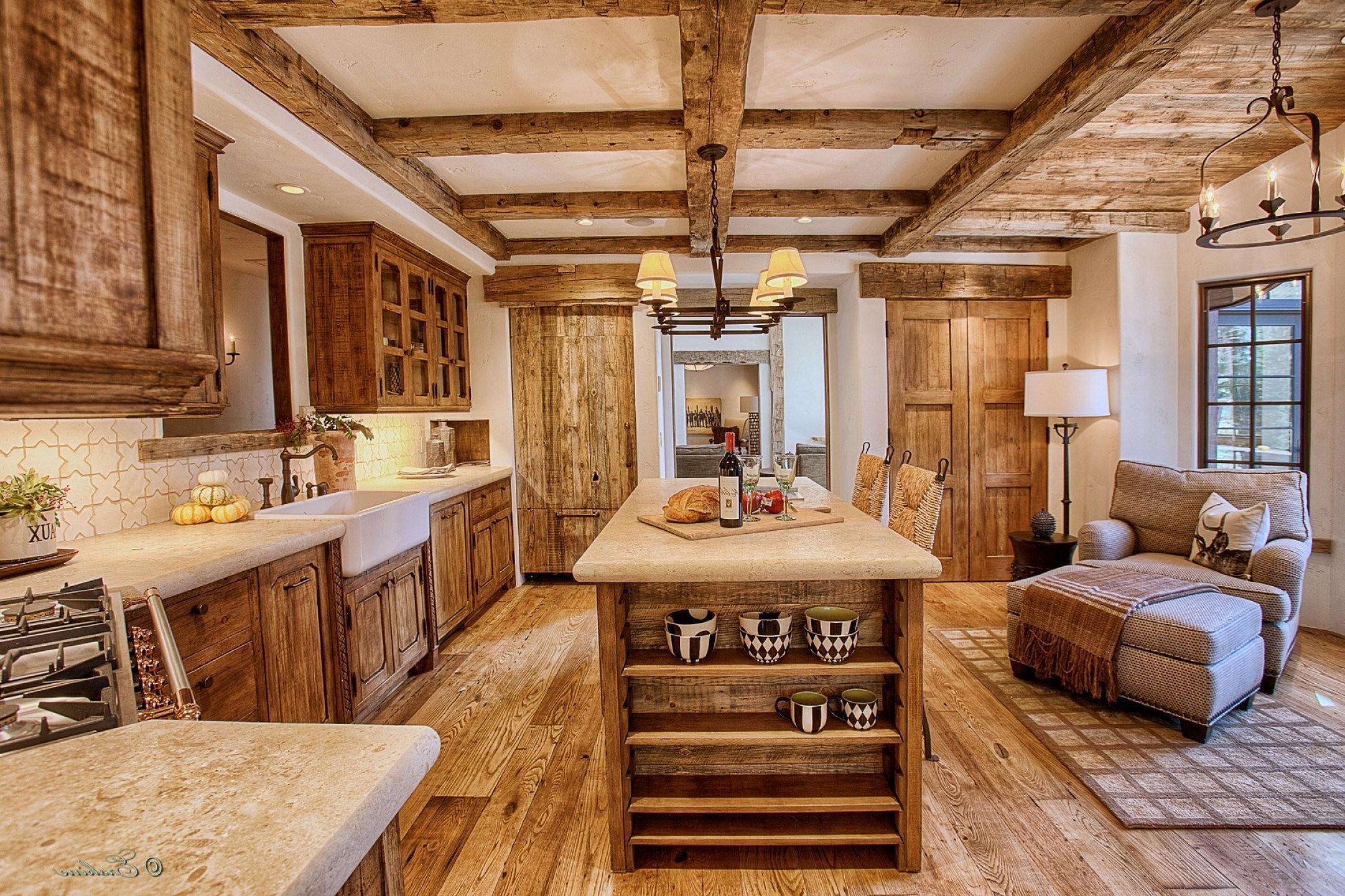
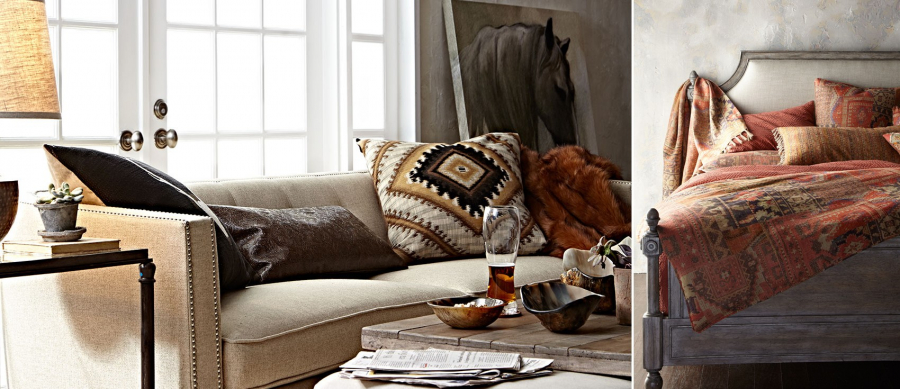
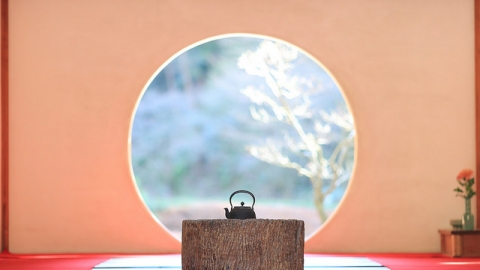
The key elements of a modern rustic-style space are the combination of furnishings, architectural elements, color palette, and windows that let in light.
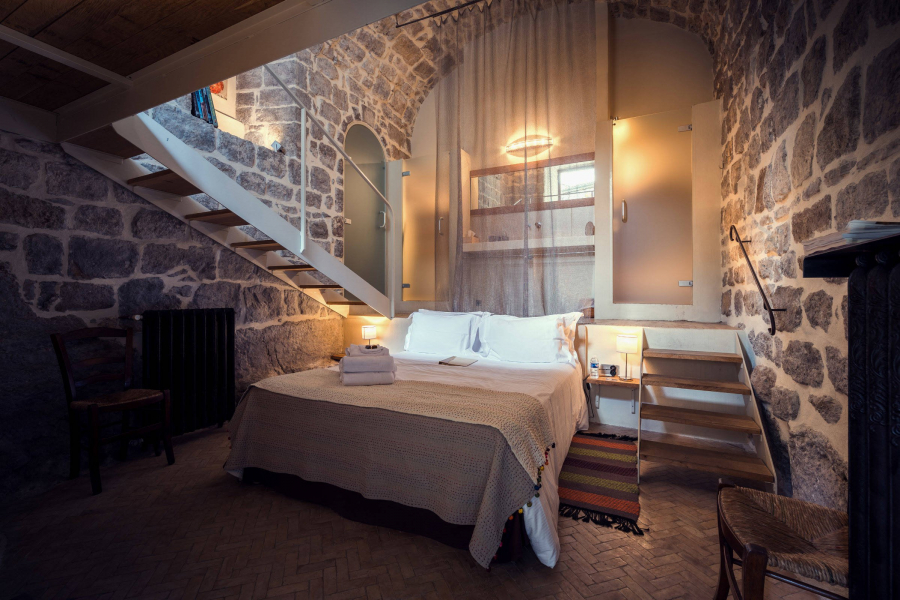
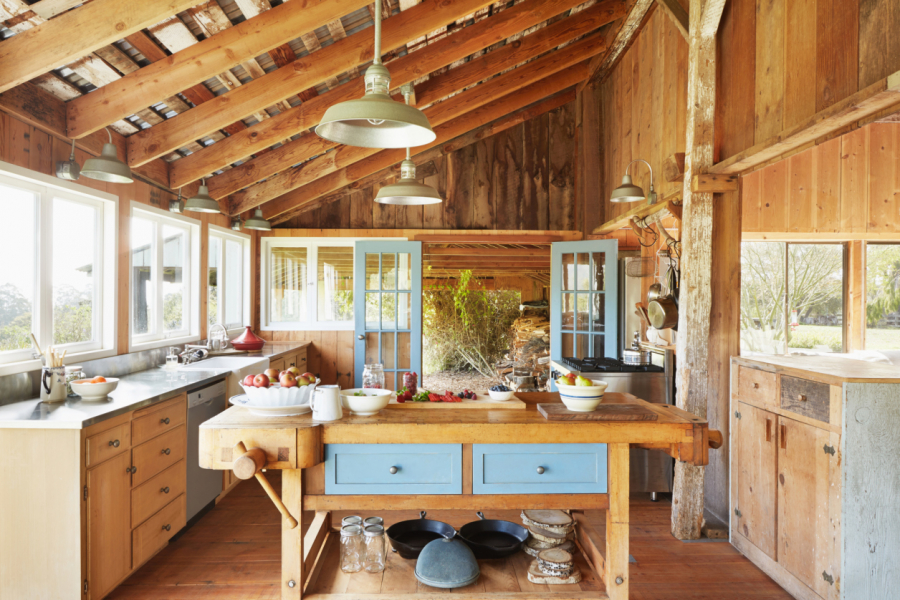
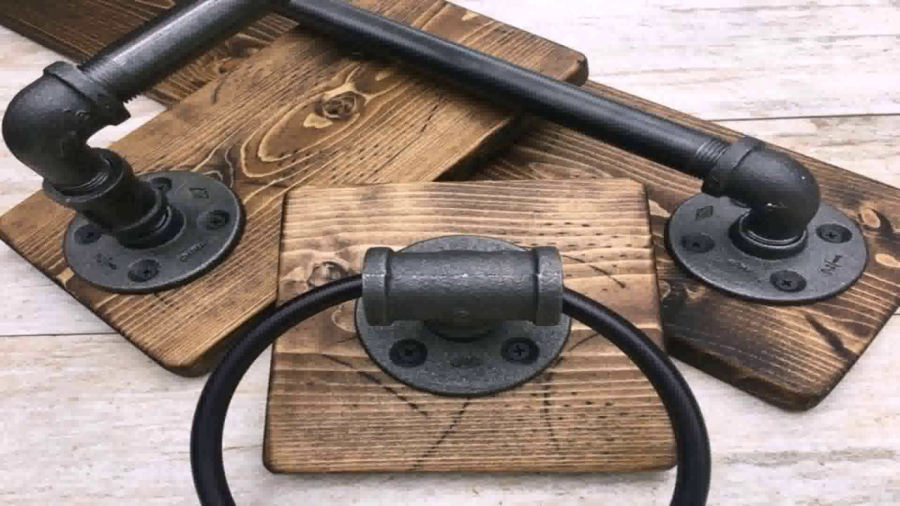
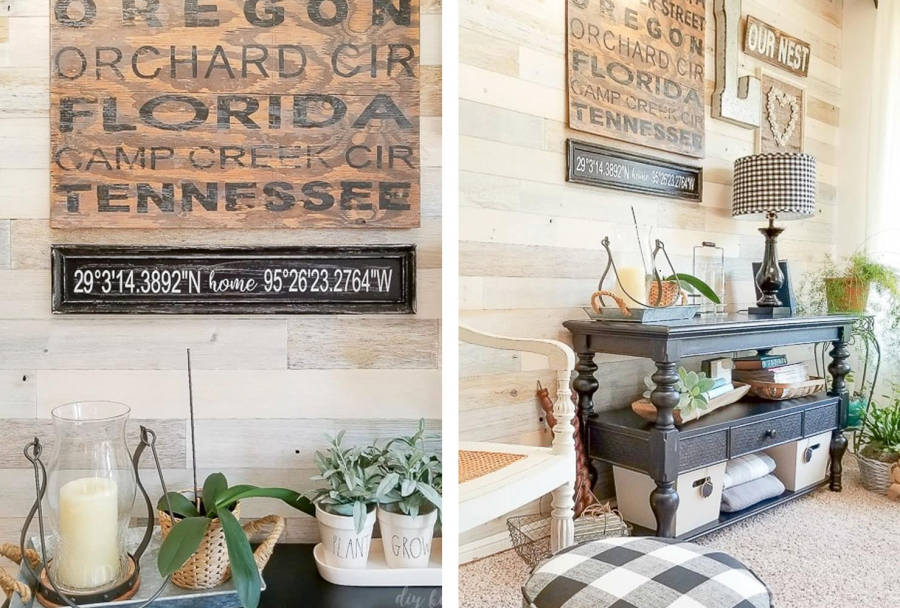
The first identifying feature of this style is the use of raw, unprocessed materials. Instead of stone cladding, glossy paint, or sophisticated wallpaper designs, hotels and homestays will leave the walls unfinished or showcase the wood grain. The feeling that rustic style evokes is one of simplicity, comfort, and a touch of nostalgia.

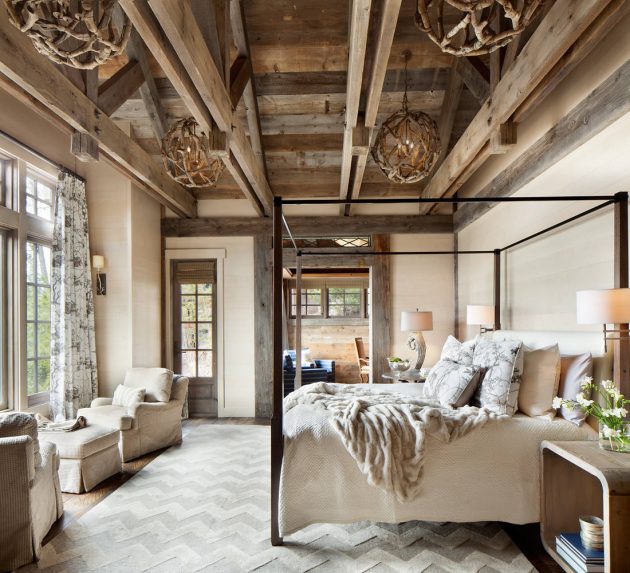
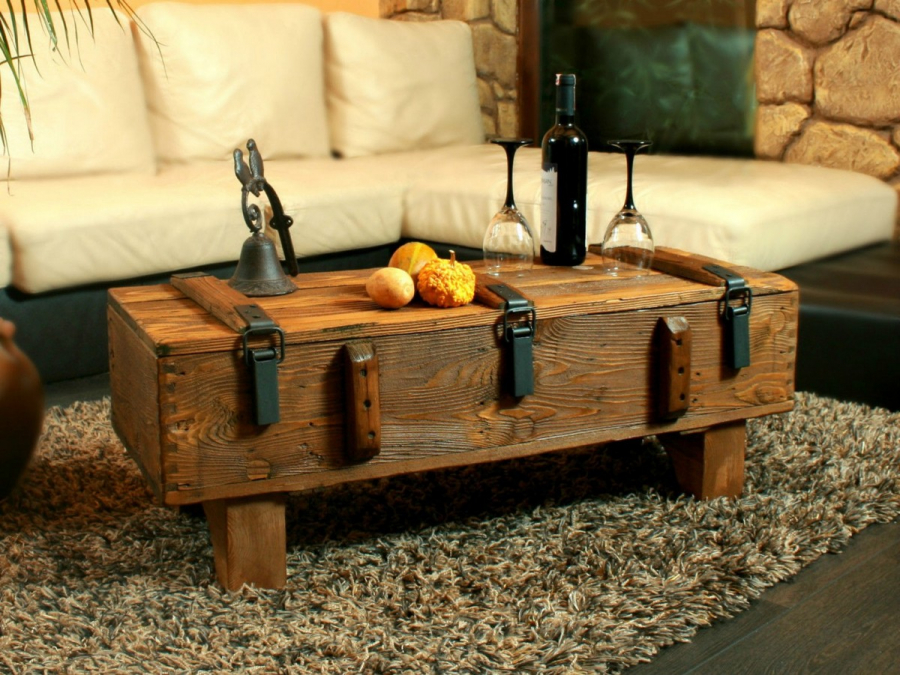
There's something truly captivating about cracked paint, rough stones, rustic wood, and the raw beauty of aged fired bricks. All these elements combine to create a weathered, authentic, cozy, and natural feel for a space with a rustic vibe.
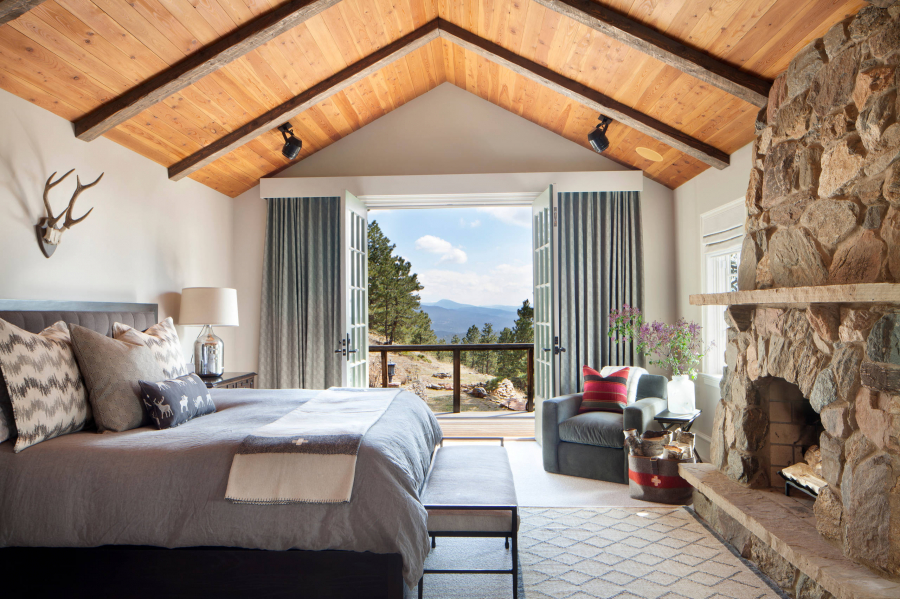
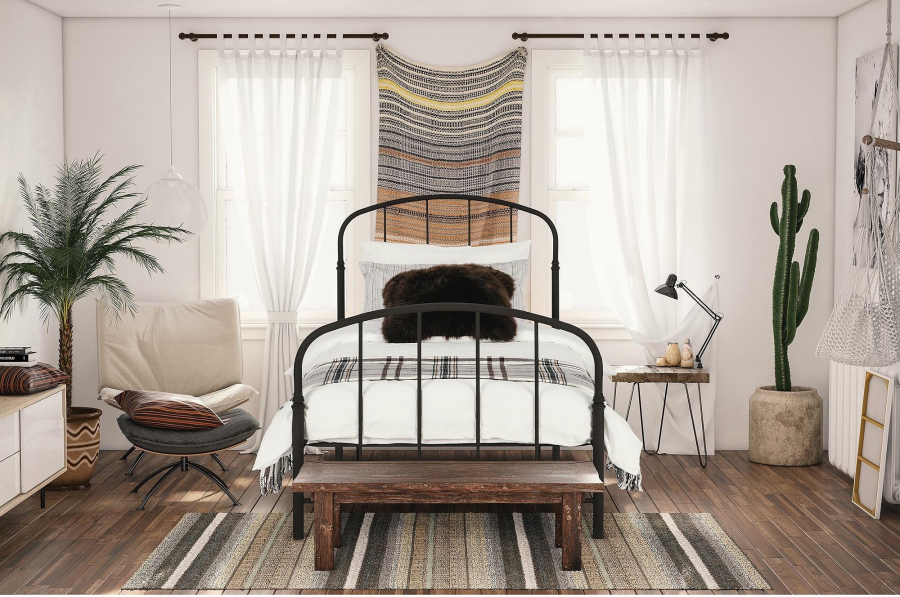
On the other hand, the rustic style favors linen, sisal, jute, and even hand-woven rugs with simple patterns. These fabrics are characterized by their natural appearance. Rustic emphasizes the raw, unrefined nature of materials, the free forms of objects, and the wear and tear of furniture over time. This style is closely linked to nature and the past. Therefore, when choosing rustic as the main style, designers often use rough rugs, jute pillow covers, linen curtains, and more.
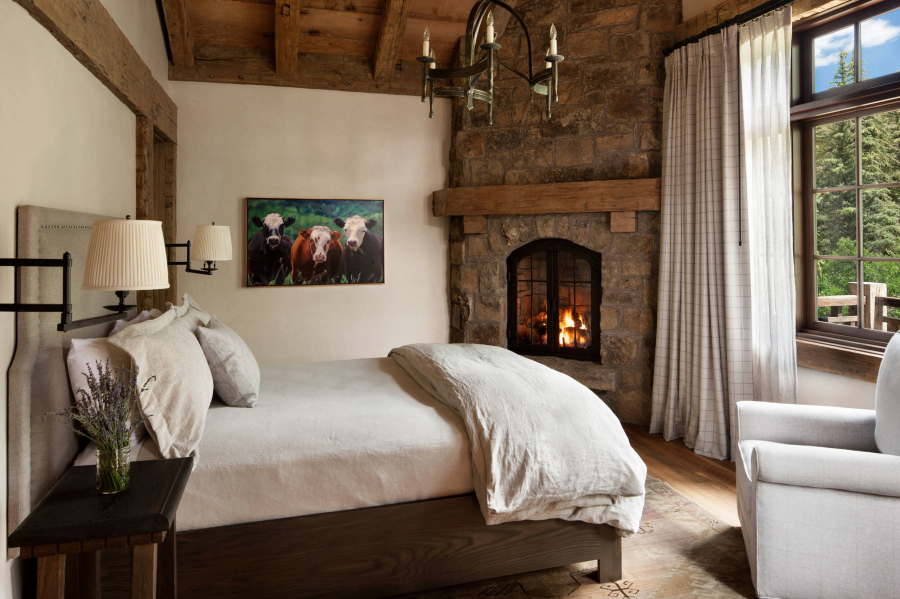
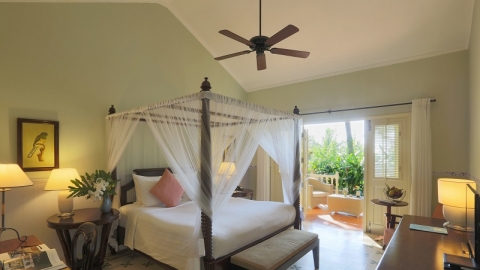
Because the color tones used in this style are somewhat subdued, for example, they will use the colors of wood, stone, and yellow lighting in their designs. However, modern rustic style uses more white tones, such as bed linens and wall colors, combined with light from the windows. A prominent feature of today's rustic style is large windows and open spaces that let in plenty of light. You will see many hotels and homestays gradually shifting to this style instead of the classic Indochinese architectural style of the past.