VI
VI


1. Scuba diving off Utila Island
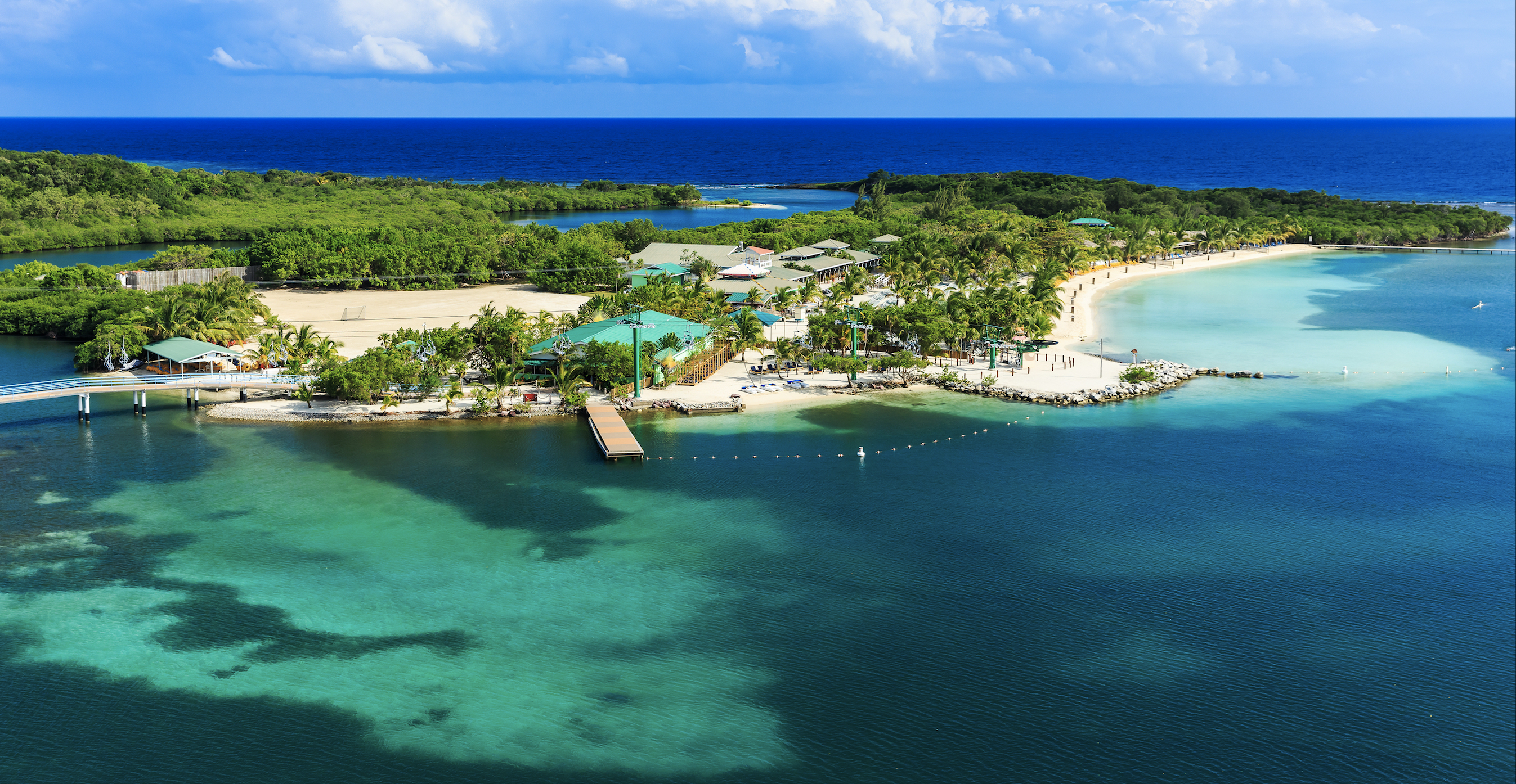
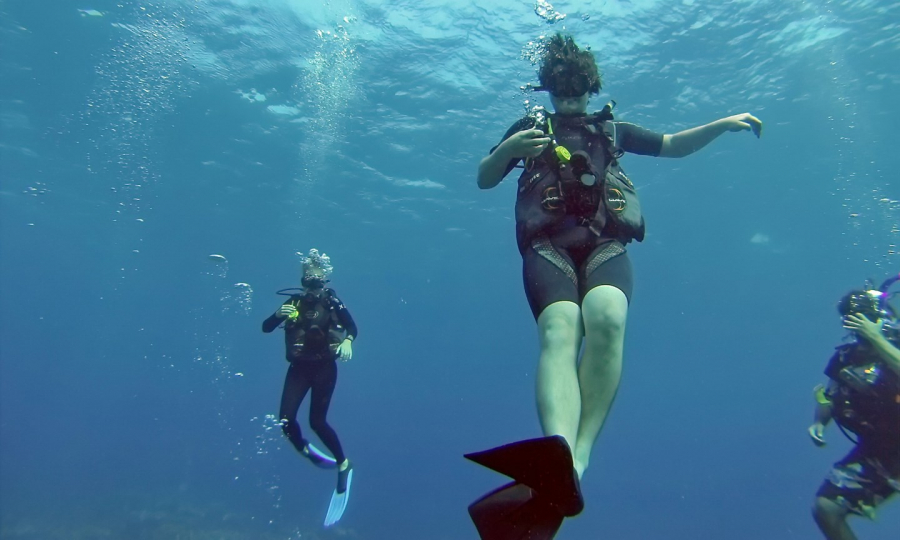
Utila is one of the smallest and coolest islands in the Gulf of Honduras archipelago and a popular backpacker destination. Surrounded by natural coral reefs, Utila Island is one of the cheapest places for tourists to learn to scuba dive. If you already have a PADI diving certification, head to Pumpkin Hill Beach or Chepes Beach for a dive. Alternatively, you can visit the Iguana Research and Breeding Station, which is dedicated to conserving the endangered Utila-tailed iguana on Utila Island.
2. Explore the Mayan ruins in Copán
Known as the jewel of Honduras, Copán is an ancient Mayan city nestled in a lush green forest. The city was once ruled by a golden age of 16 kings between 426 and 820 AD and was rediscovered in 1570 by the explorer Diego García de Palacio.
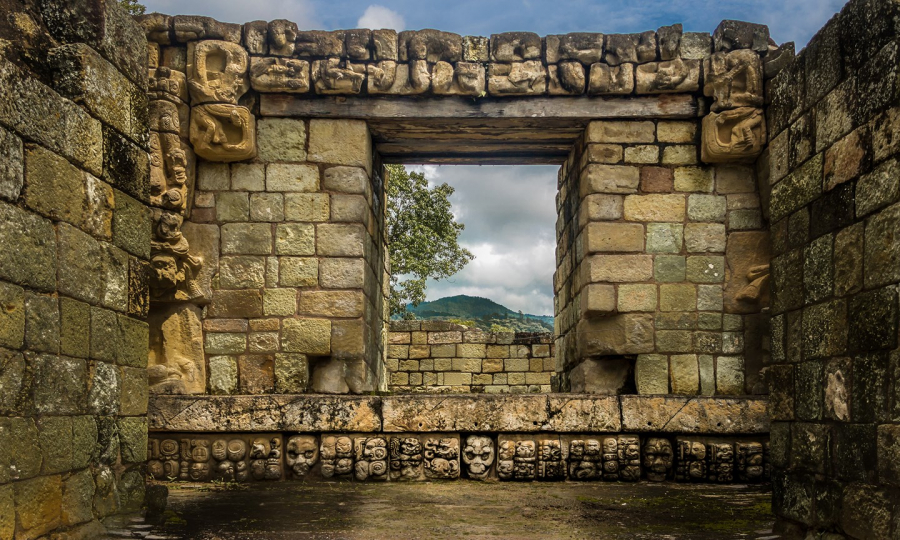
Copán is considered one of the most important sites of the Mayan civilization. Excavations in the 19th century uncovered a ruined citadel, magnificent public squares, and a spectacular stone staircase. Leading up to the pyramid-shaped temple, this awe-inspiring staircase impresses visitors with its size and artistry. Wandering through the Mayan ruins of Copán, visitors feel as if they have stepped back in time, returning to the past.
3. Visit the colonial town of Comayagua
With its cobblestone streets, small squares, whitewashed houses, and grand churches, the colonial town of Comayagua is a beautiful place with ideal weather, making it a suitable destination for visitors at any time of year.
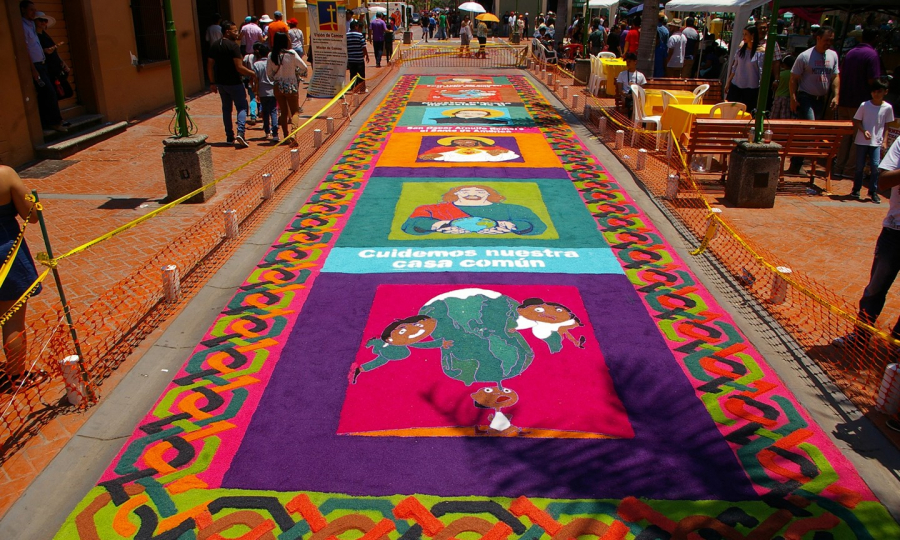
During Easter, the town undergoes a transformation. The devout townspeople pour into the streets simultaneously as the main avenues are adorned with ornate traditional carpets called alfombras. These intricately designed and colorful carpets create a vibrant yet romantic atmosphere.

4. Explore the National Museum of Identity
For a comprehensive look at Trinidadian history and identity, visitors should visit the Museum of National Identity in Tegucigalpa. This beautifully restored 19th-century building offers a deeper understanding of the story of a nation that endured a difficult colonial period.
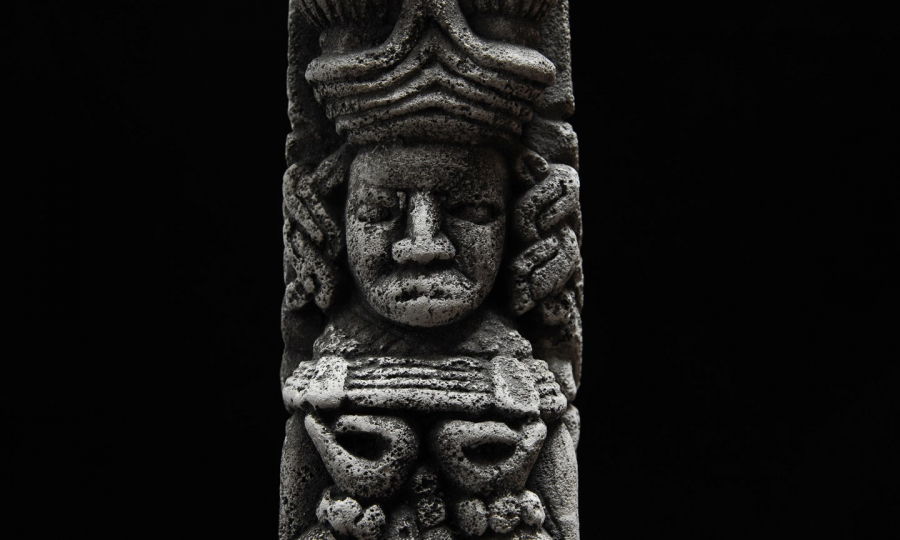
One of the museum's largest exhibitions is held in the "Virtual Copán" room, featuring historical illustrations of gods and kings from the Caribbean region. The museum's displays are in Spanish, but don't worry, there are free English-language guided tours four times a day.
5. Hike in Celaque National Park
Celaque National Park boasts tree-lined trails, perfect for hiking enthusiasts. After exploring the trails, visitors can soak their feet in the hot springs on the edge of the park, soothing tired feet.
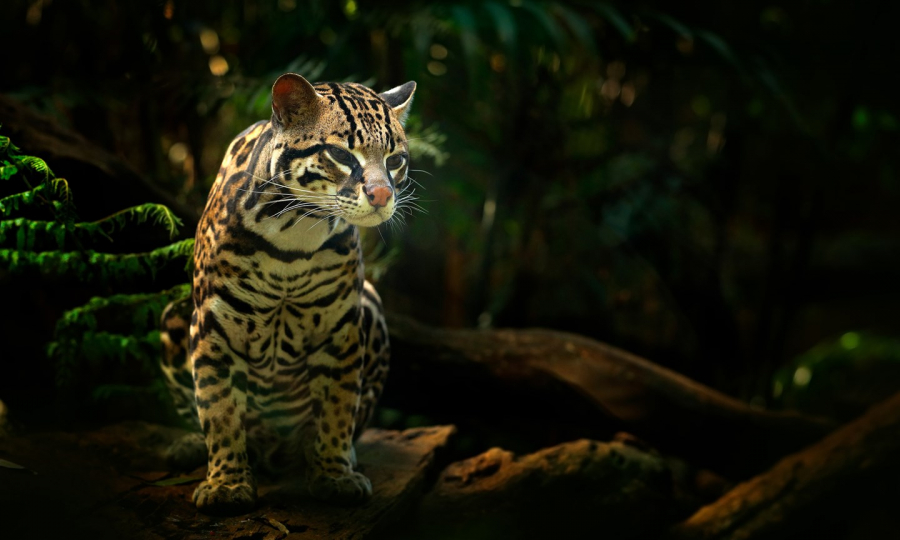
In Celaque National Park, visitors can also spot rare native monkeys and butterflies. The wilderness of Celaque is considered home to pumas and ocelots, but aside from their frequent footprints in the mud, they are very difficult to spot.
6. Admire history at Trujillo Fortress
Wandering through the ruins of Fortaleza Santa Bárbara de Trujillo, a 17th-century Spanish fort on the northern coast of Honduras, visitors will feel as if they've stepped back in time. Even in its ruins, the fort remains majestic and impressive. Standing on the walls, next to one of the old cannons, visitors can imagine what it felt like to be a Spanish soldier fighting in the past.
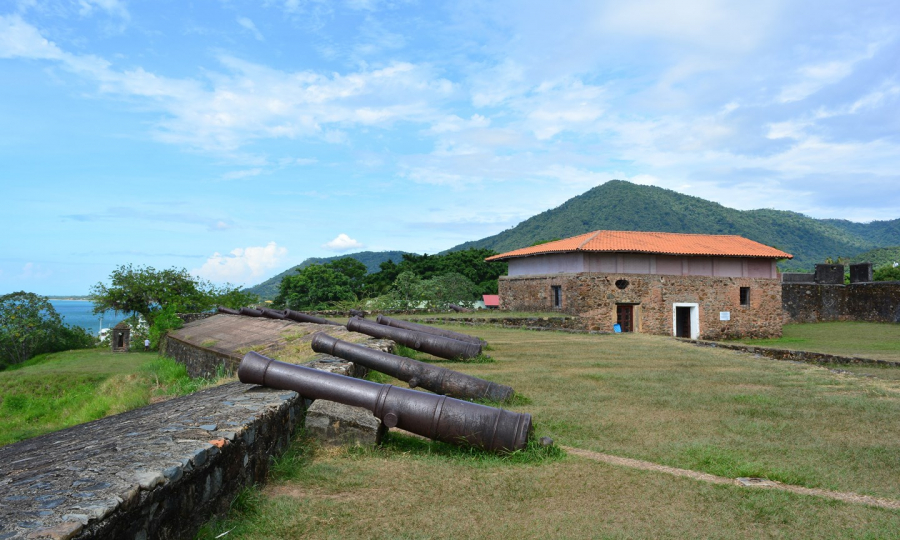
Additionally, visitors will find a plaque marking the spot where William Walker was executed. He led several military rebellions against the Spanish king, aiming to establish English-speaking colonies.
7. Experience the culture and cuisine of Garifuna
The Garifuna people originated as West African slaves. Their culture is closely intertwined with music and dance. Garifuna music is characterized by the use of many percussion instruments and special drums. Indeed, it's not uncommon to see groups of young boys playing Garifuna drums made from hardwoods like mahogany, which originates from Central America. Besides that, cuisine is another important part of Garifuna culture. If you're lucky, you might be invited to a Garifuna feast, and be sure to try machuca – a dish made from mashed green plantains with coconut milk soup and fried fish.
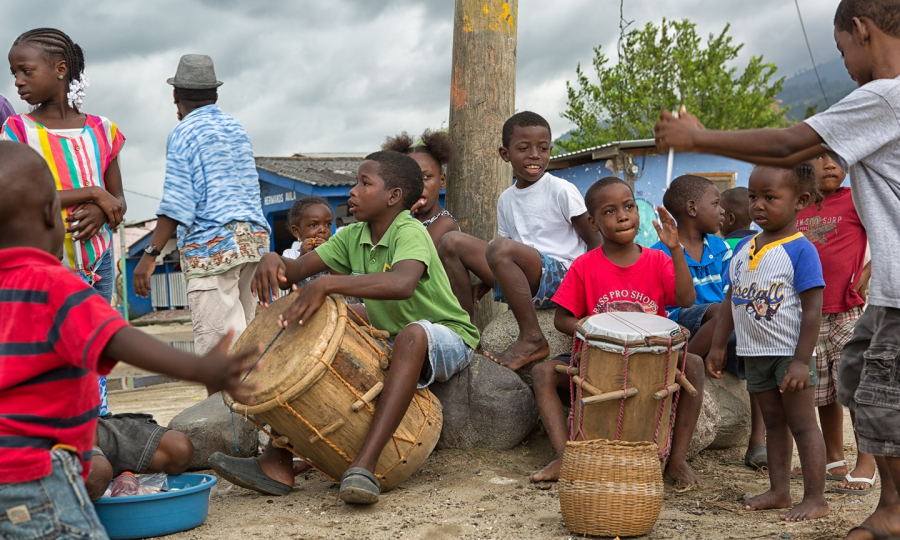
Today, there are approximately 100,000 Garifuna people in Honduras, living in most towns and villages on the northern coast, from Masca and Cortes to Plaplaya and Gracias a Dios. The best places for visitors to experience the vibrant Garifuna culture are within the Garifuna communities of Tela, La Ceiba, Trujillo, and Bataya.