VI
VI


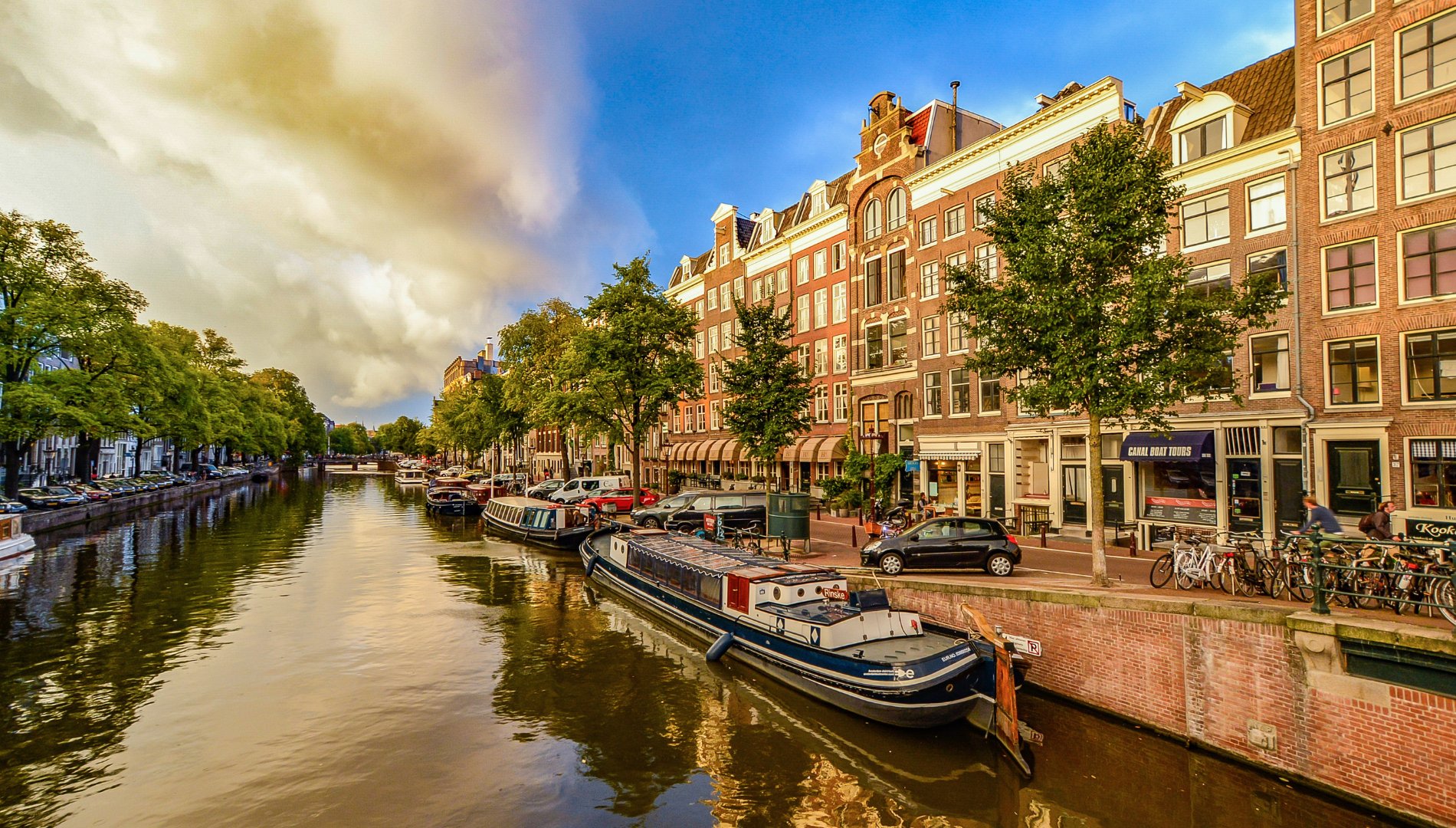
Over the past four years, the Amsterdam city government in the Netherlands has continuously implemented various measures to curb tourist overcrowding. Recently, Amsterdam approved an increase in the accommodation tax, effective from the beginning of 2024, also with this goal in mind.

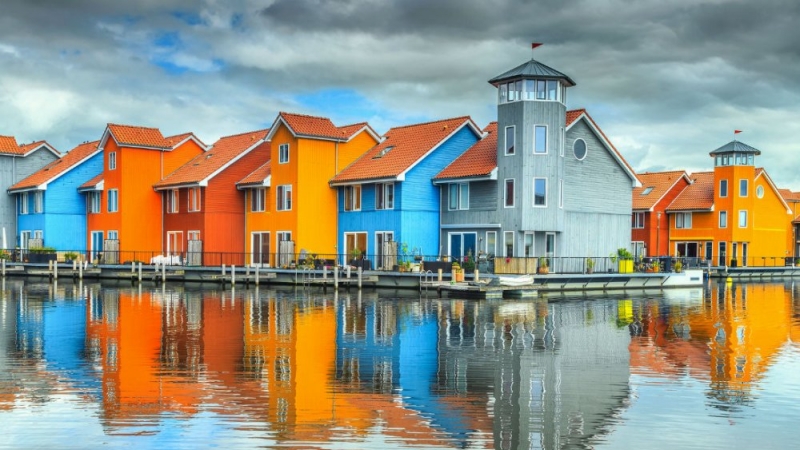
Accordingly, the new announcement clarifies that Amsterdam is saying no to new hotels. The local authorities are determined to make the city a livable place for residents and tourists alike. This means: No overtourism, no new hotels, and no more than 20 million overnight tourist arrivals per year.
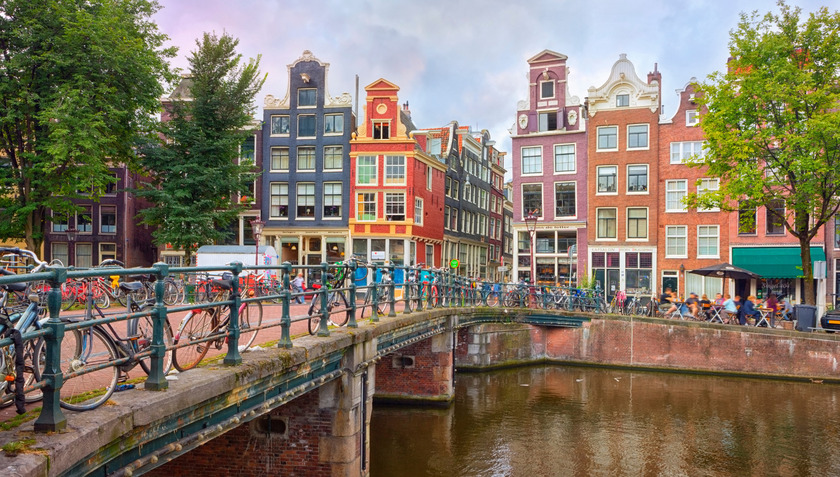
The Amsterdam city government in the Netherlands has repeatedly implemented measures to curb tourist overcrowding.
Amsterdam City Council stipulates that a new hotel can only be built if another hotel closes. New hotels must not exceed the number of beds of the old ones and must be “better” with more modern and sustainable features.

After reaching a record high of over 20 million visitors (while the population is less than 1 million) three years ago, Amsterdam seems unwilling to see this scenario repeat itself. The ban on new hotel construction is one of Amsterdam's initiatives to limit the influx of tourists. In June 2023, the city council approved Amsterdam's tourism balancing policy, which sets a maximum number of overnight and day visitors in the city, limiting the annual number of tourists to 20 million per year.
In addition, Amsterdam has also strengthened some "deterrent" measures. The city is open and hospitable to those who come to Amsterdam for sightseeing and cultural tourism, but "tough" on tourists who come to Amsterdam solely for drinking and partying.
While organizations specializing in sustainable development believe Amsterdam's new regulations are a step in the right direction toward achieving responsible tourism, the European Tourism Association is more cautious and reserved.