VI
VI


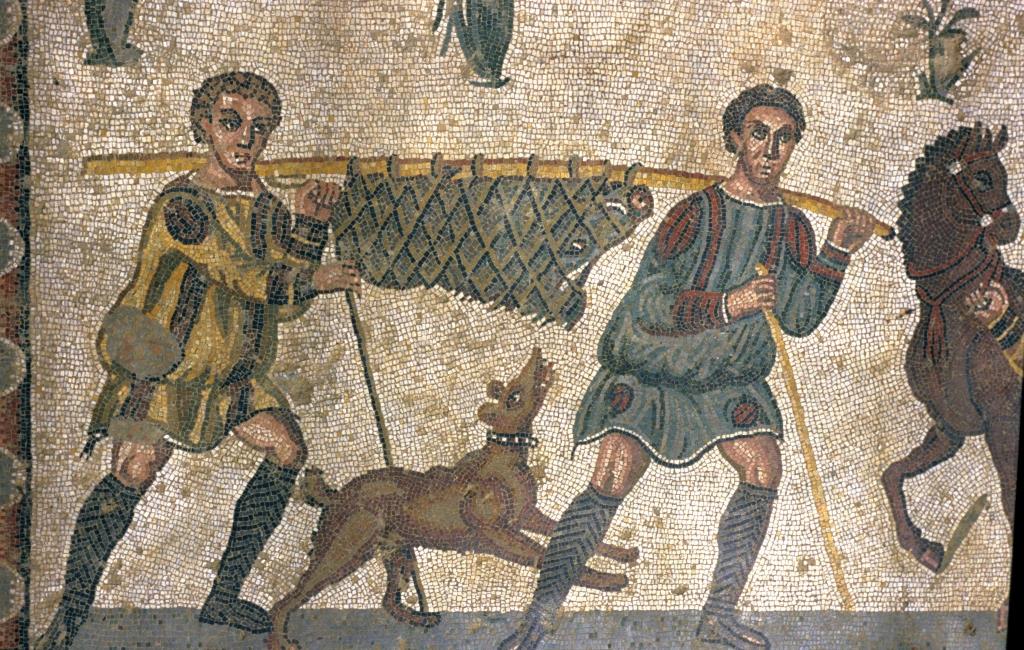

The Romana Palace (Villa Romana del Casale in Italy) has survived earthquakes, floods, fires, and the fall of the Roman Empire. It preserves almost intact an impressive collection of Roman mosaic masterpieces. It is one of the most valuable historical and artistic sites from the Roman Golden Age.
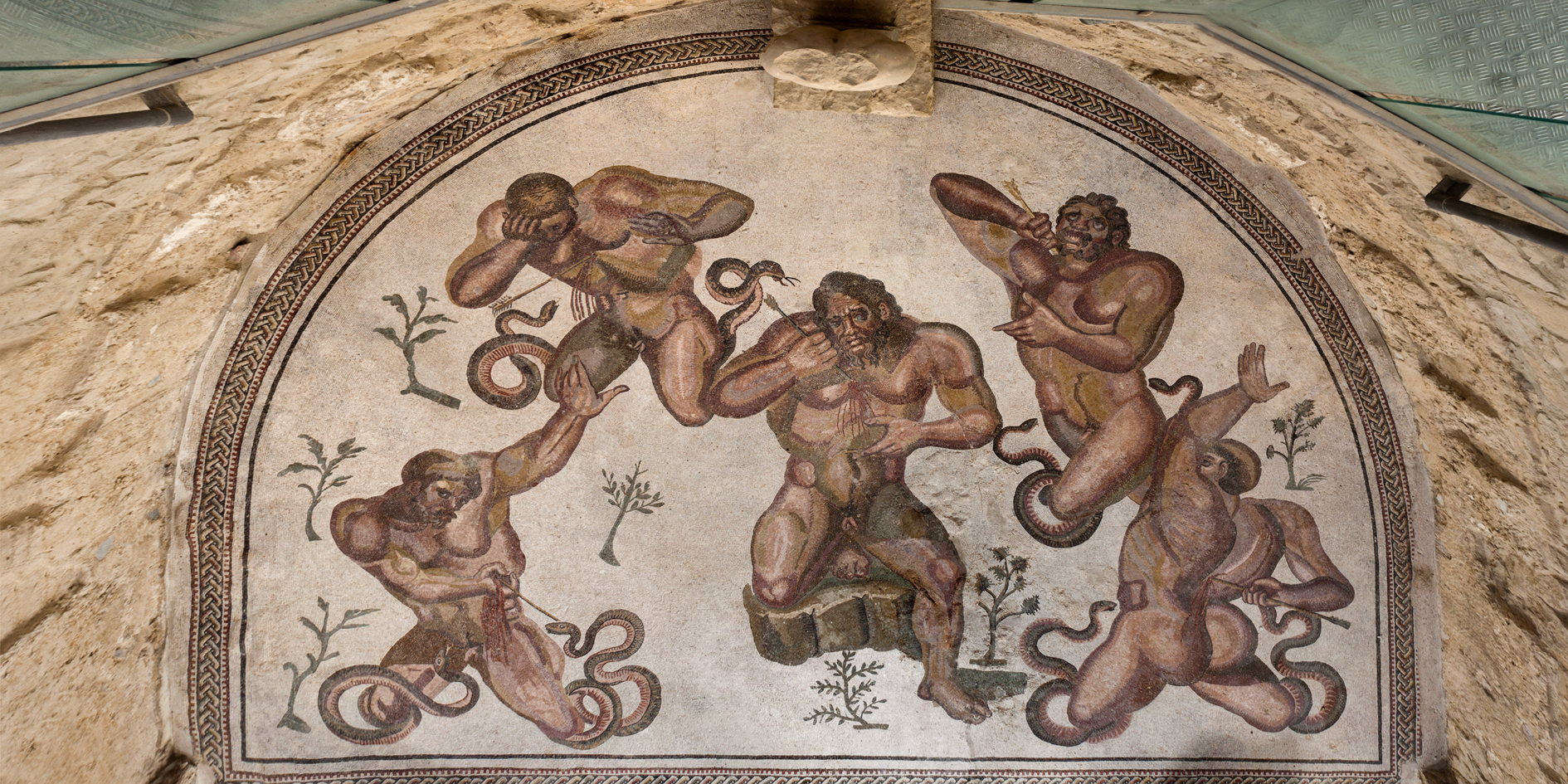
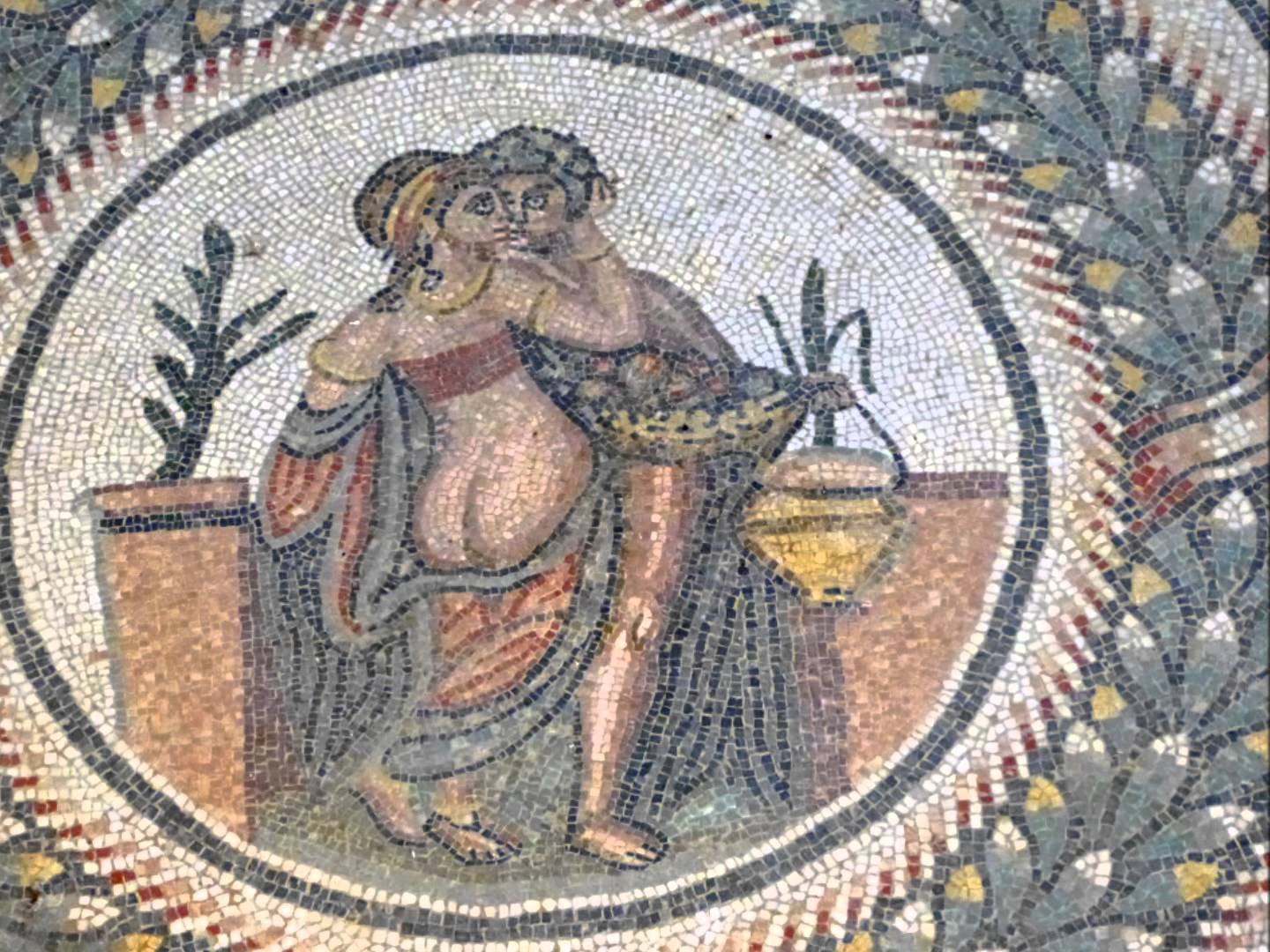
The castle, a UNESCO World Heritage site, was built between the 3rd and 4th centuries. It boasts an extremely complex and sophisticated structure and decor, comprising 50 rooms and stunning bathrooms, signifying the wealth and power of its owner and reflecting their superior status.
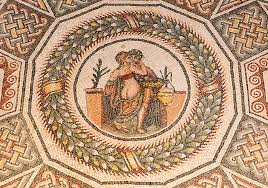
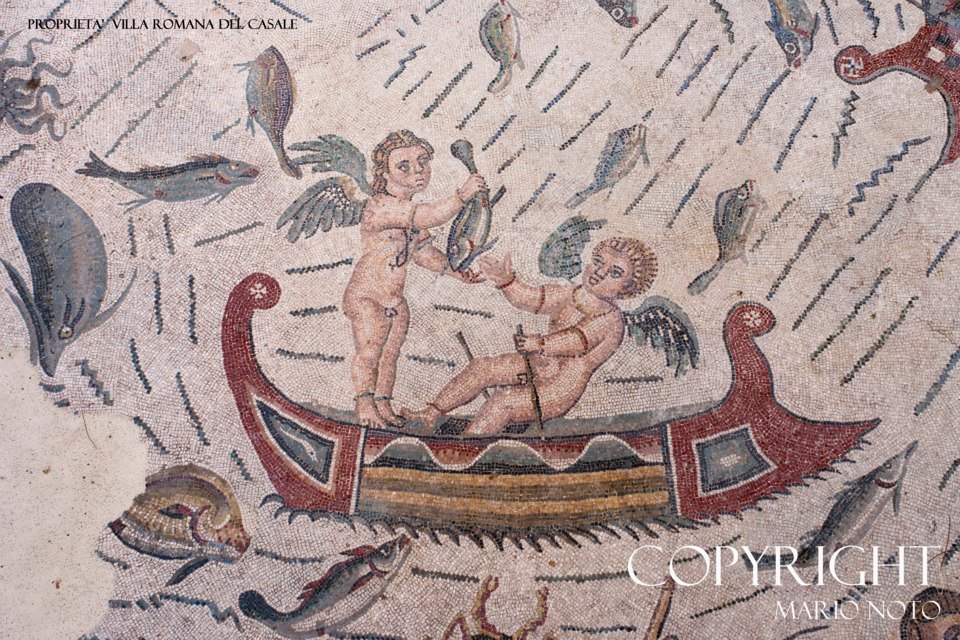

Although the castle was partially destroyed by an earthquake in the 12th century, the mosaics decorating the rooms remained largely intact until they were rediscovered by archaeologists about 700 years later. This is one of the most magnificent collections in the world, showcasing the creative spirit of the Romans. The colorful mosaics depict the spirit, life, and people of the time. Images of the castle's owner's family life are displayed in one room; images of women with cheerful, healthy spirits engaged in sports. The corridors and floors are decorated with illustrations of African-style hunting scenes featuring bizarre animals. Some paintings pay homage to Homer's mythology and epics.
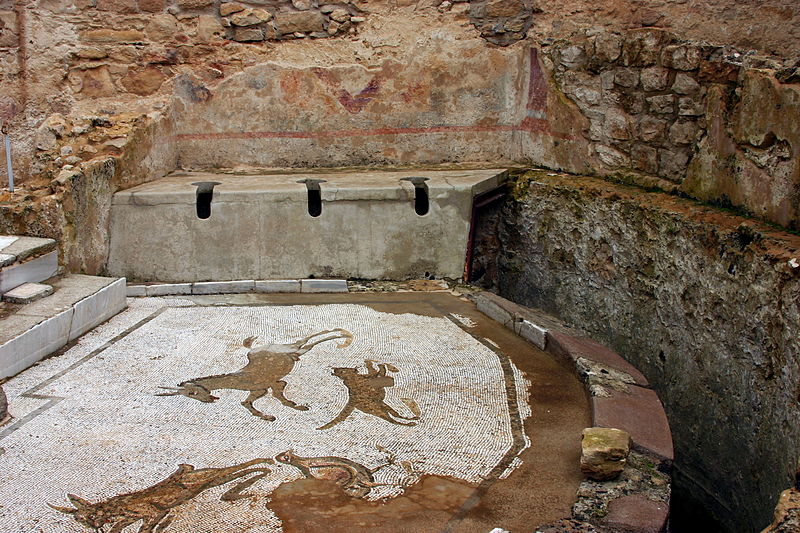
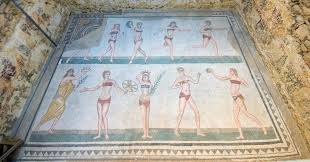
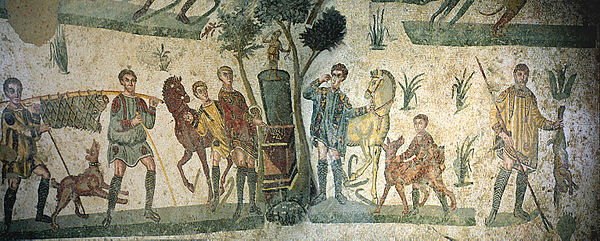
The castle and mosaic artwork show a clear influence of North African style, leading many to believe that African artisans built and created this castle. Several unique materials have been found in the structure, dating back centuries. The first castles were built in the 1st and 2nd centuries, and later in the 4th century. After the fall of the Roman Empire, these castles developed into a large settlement. Over time, it fell into disrepair and was abandoned, due to a major earthquake in 1169 and other natural disasters.
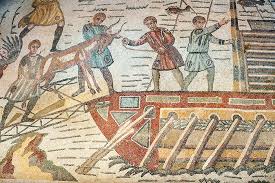
This area was explored and excavated starting in the 19th century, revealing mosaic floors and a series of mosaic wall paintings, statues, sculptures, and other decorative items. The restoration of these mosaic masterpieces was completed in 2012.
.jpg_1.jpg "images(3).jpg_1.jpg")
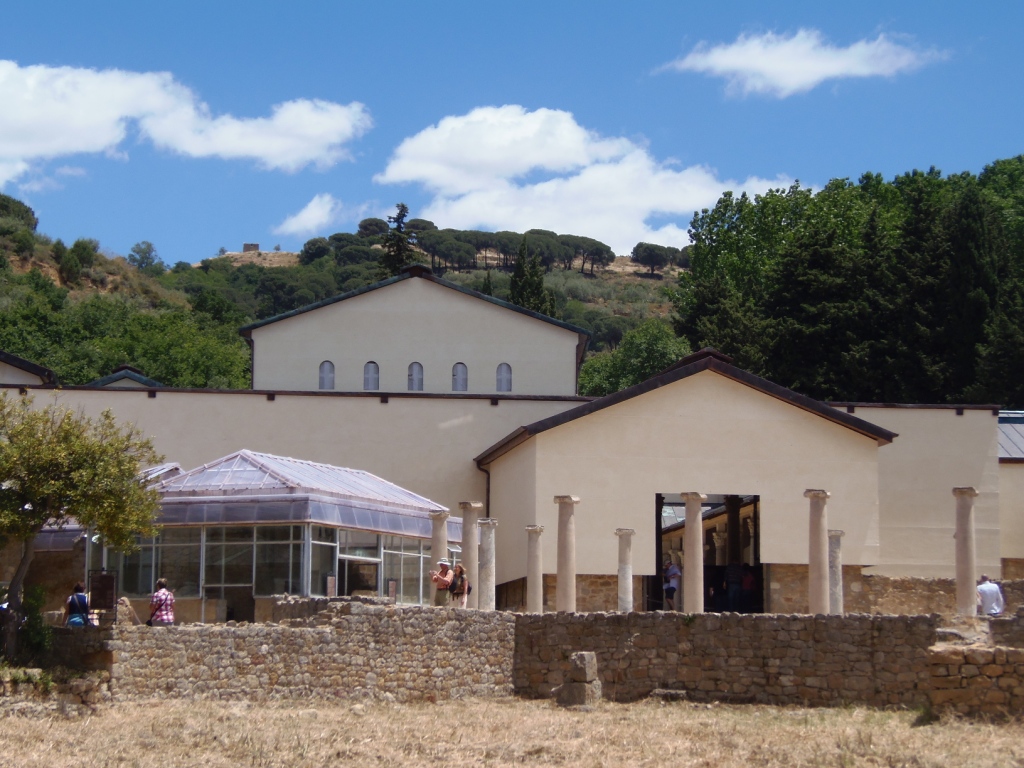
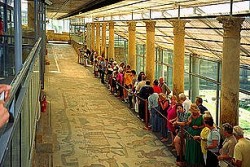
Today, the castle is open to tourists, inviting them to explore its heritage, architecture, and art, making it one of the most popular attractions in Sicily, Italy.