VI
VI


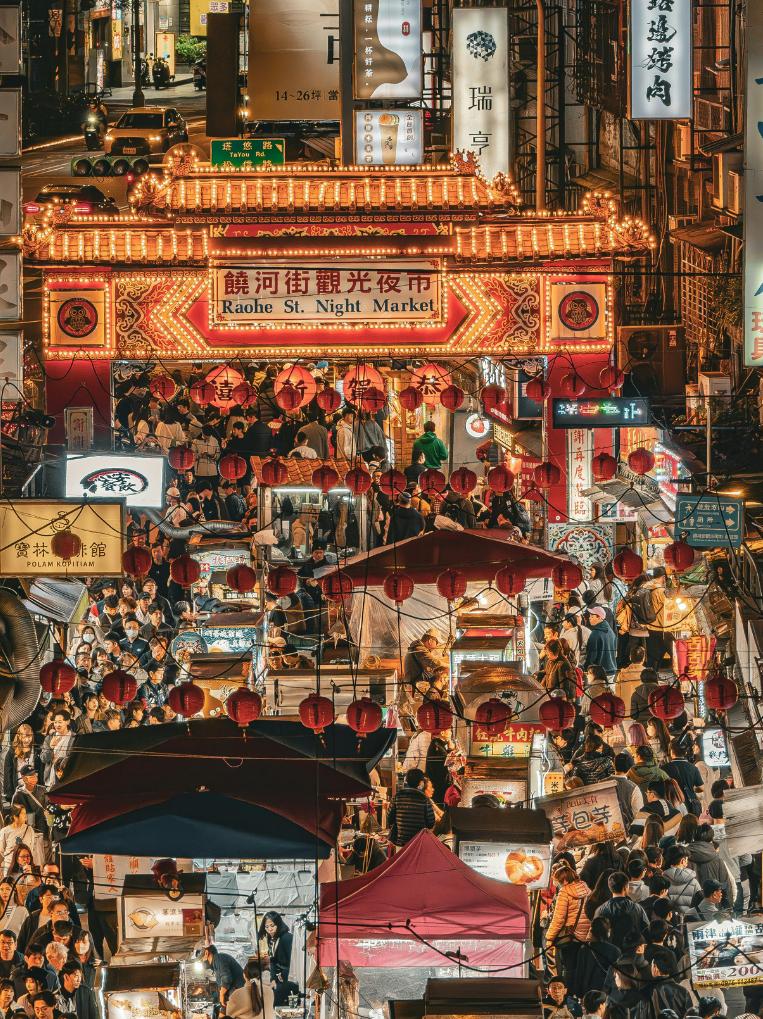
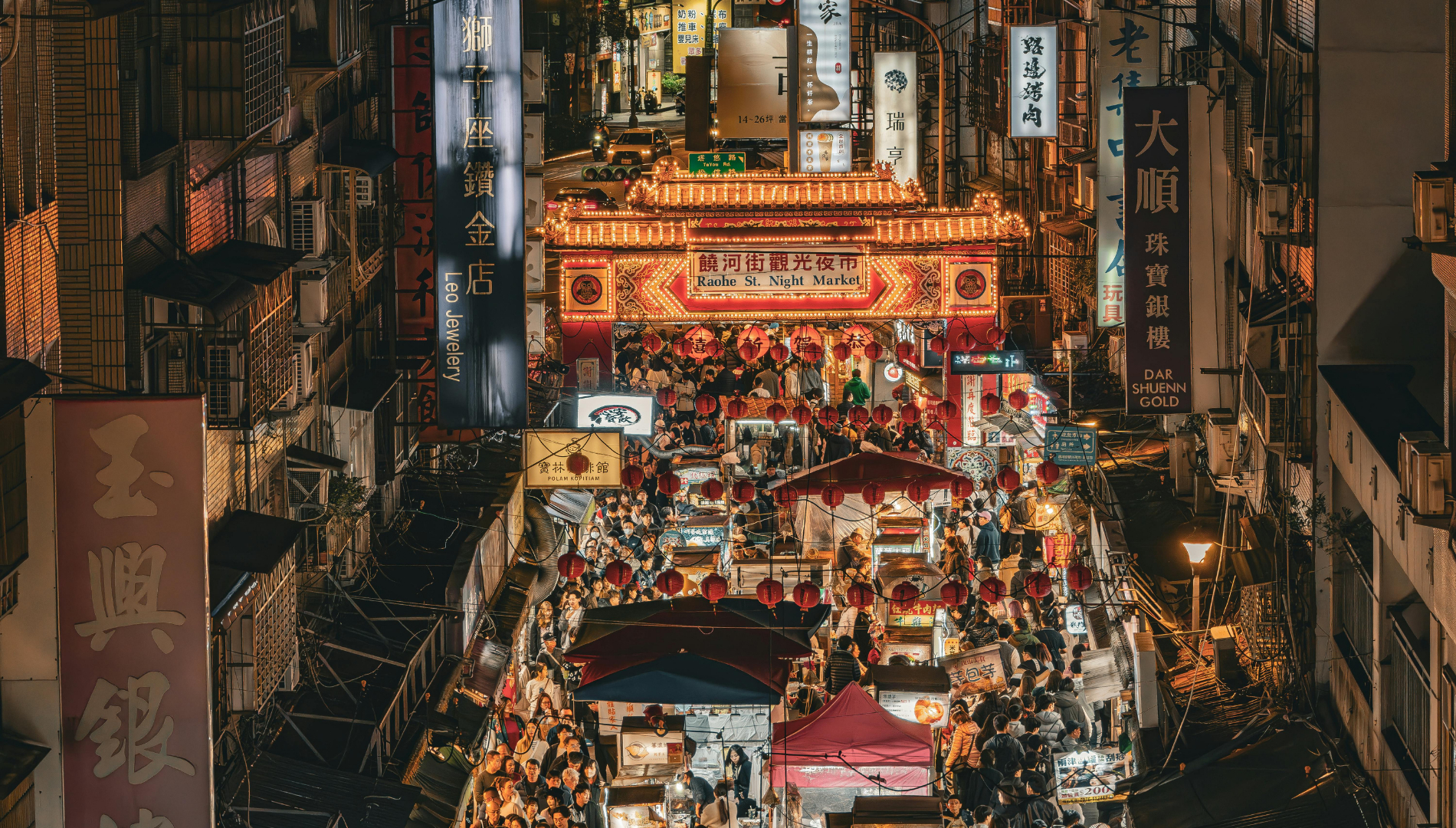
Taiwan, a beautiful island with stunning scenery, always knows how to captivate tourists with its diverse culture and rich cuisine. Among these, night markets are not just places to shop, but also a feast for the senses – sight, smell, and taste. The lively chatter, the enticing aromas of street food, the sparkling lights of the stalls… all create a vibrant and unforgettable atmosphere.


The night market capital of the world.
Night markets are not simply places for buying and selling goods, but also vibrant living museums, preserving the traditional cultural values of the people. Originating from small markets, night markets have undergone a long journey to become an indispensable part of Taiwanese life. The origins of night markets can be traced back to the long history of China, where night markets were held to meet the needs of buying and selling goods.
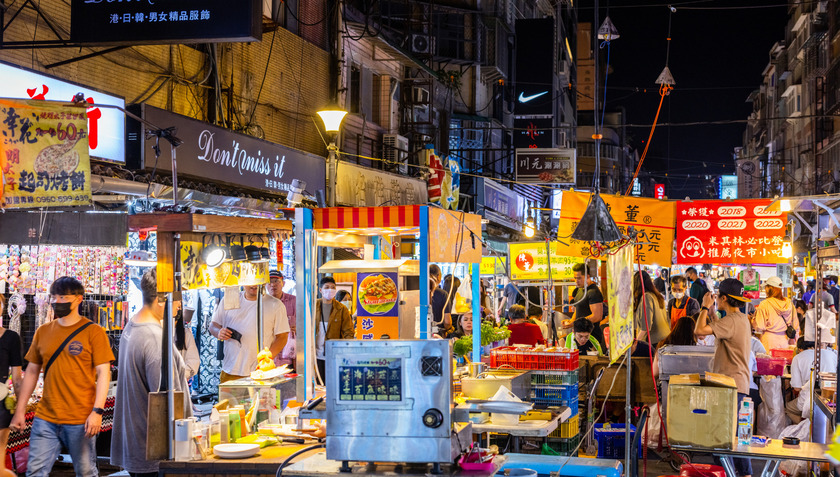
Taiwanese night markets are like treasure chests, containing the culinary and cultural essence of this beautiful island nation.
From small markets selling traditional goods like traditional medicine, fabrics, and handicrafts, night markets have gradually grown into bustling, vibrant districts. The twinkling lights, lively music, and countless diverse stalls have transformed night markets into dynamic cultural and economic hubs, catering to all the needs of the people. To this day, night markets remain an indispensable part of Taiwanese life, constantly evolving and developing to suit the modern pace of life.
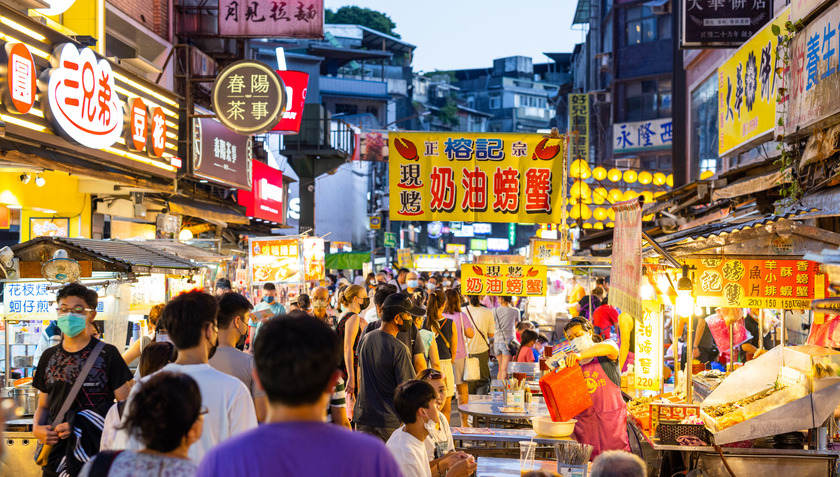
To fully discover the essence of Taiwan, visitors cannot miss the wonderful experience at its night markets.
Night markets in Taiwan are divided into various sections, including food courts, merchandise areas, entertainment zones, and cultural areas. Each section has its own unique features, reflecting the culture and cuisine of each city and region. Night markets typically open from late afternoon until late at night, attracting a large number of customers, from locals to foreign tourists.
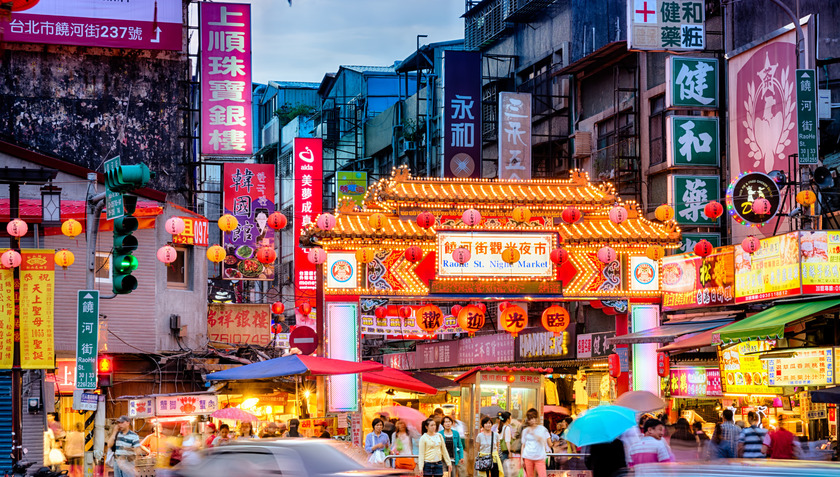
This place is not only a culinary paradise with countless specialty dishes, but also a vibrant portrayal of the daily life of the local people.
Night markets are always noisy, bustling, and never empty. This is a common characteristic not only in Taiwanese night markets but also in many other countries. To cater to the needs of locals and tourists for food, shopping, and relaxation, most markets open after 6 PM and continue well past midnight.

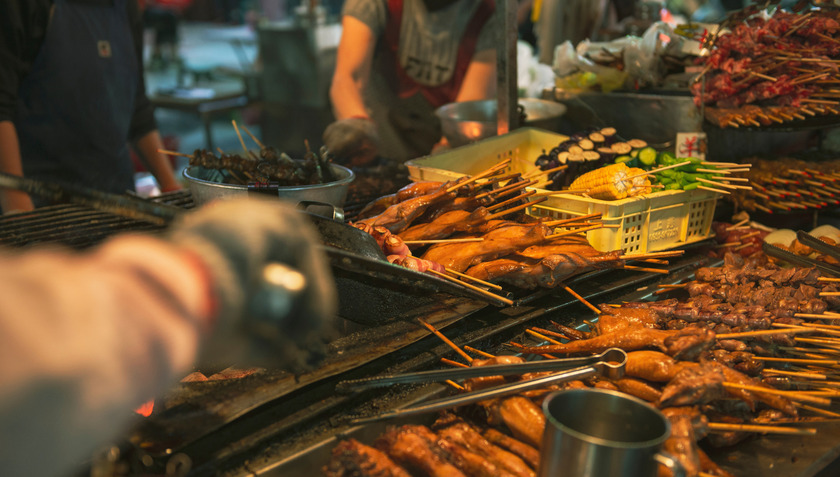
In this context, night markets are not just places to shop, but also a feast for the senses of sight, smell, and taste.
These markets, whether spontaneously established or planned, are held most days of the week. They typically offer a mixed selection of goods, from clothing and food to household items. The cultural and culinary traditions of each city are showcased at every night market that visitors explore.
Liuhe Night Market - one of the oldest night markets in Taiwan.
The Liuhe Night Market brings together hundreds of stalls selling everything from food, clothing, and shoes to traditional handicrafts. It's an ideal tourist destination to explore the unique charm of Taiwan at night.
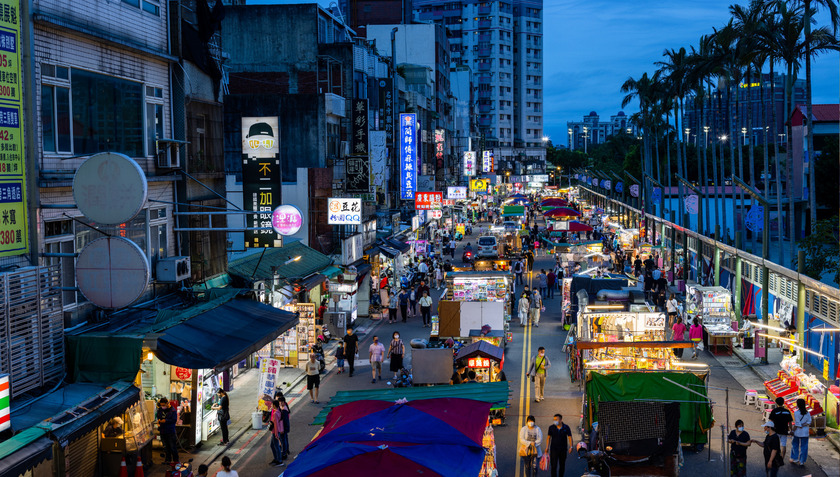
Night markets are always noisy, bustling, and never empty.
At the Liuhe Night Market, visitors can enjoy a wide variety of traditional dishes and local specialties. The market is also famous for its stalls selling handmade goods, clothing, shoes, household items, and many other products. Visitors can find stylish personal items or buy unique souvenirs to take home. Furthermore, the Liuhe Night Market is a place where people can admire traditional art and street performances.
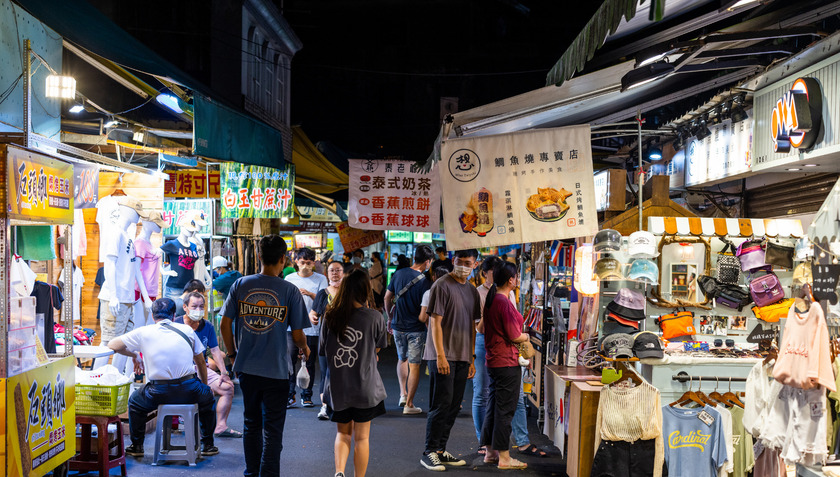
These are common features that are always present not only in Taiwanese night markets but also in night markets in many other countries.
Ximending Night Market - Taiwan's Shopping Paradise
Ximending Night Market is located in western Taipei, on Xining South Road, Wanhua District. Established during Taiwan's Japanese occupation, the market bears many hallmarks of Japanese style. It's known as "Taipei's Harajuku" or "Taipei's Shibuya" due to its numerous shops selling fashion, accessories, cosplay clothing, and items popular with otaku. The market is also Taiwan's first pedestrian zone and attracts an average of over 3 million shoppers each month.
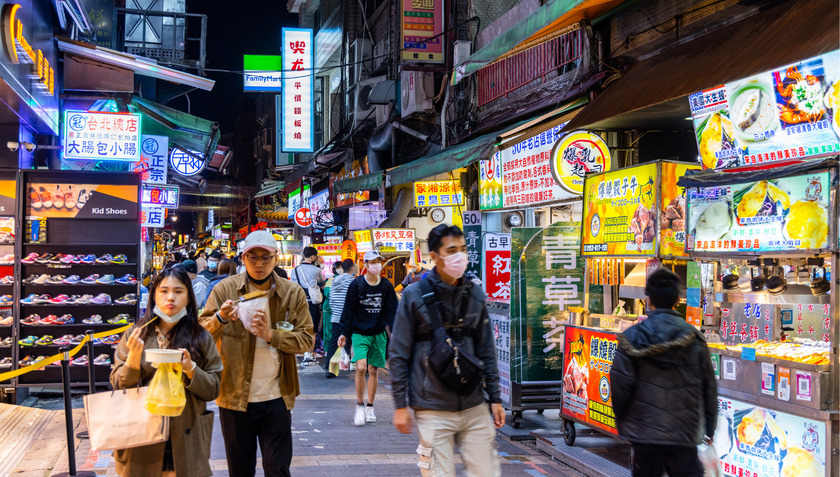
Taiwan's shopping paradise
Visitors can stroll around and admire the stalls in a natural, airy atmosphere, without the constraints of other shopping districts. Fashion enthusiasts certainly can't miss this ideal place to shop for stylish new outfits. Clothing in Ximending features many different styles, including Japanese, Chinese, and Western. Moreover, this night market also boasts a rich culinary scene, typical examples being dishes made from duck meat such as Ya Rou Bian, steamed duck, roast duck… or enjoying Ay-Chung bread, Taiwanese-style rice noodles, Lautianlu stew…
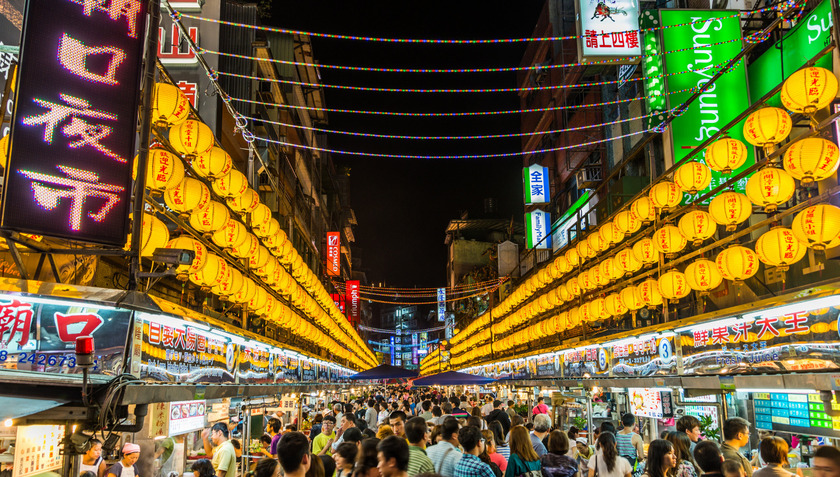
To cater to the dining, shopping, and relaxation needs of locals and tourists, most markets are open after 6 PM and stay open well past midnight.
Shilin Night Market: A super hot destination in Taiwan
Shilin Night Market is one of Taiwan's most famous planned markets. Built in the traditional market hall style, Shilin Market is divided into two areas: a food court and a merchandise area. Besides clothing, the market also sells children's toys, household goods, and electronics. Visitors can also experience traditional massage services, karaoke, and explore the arcade.
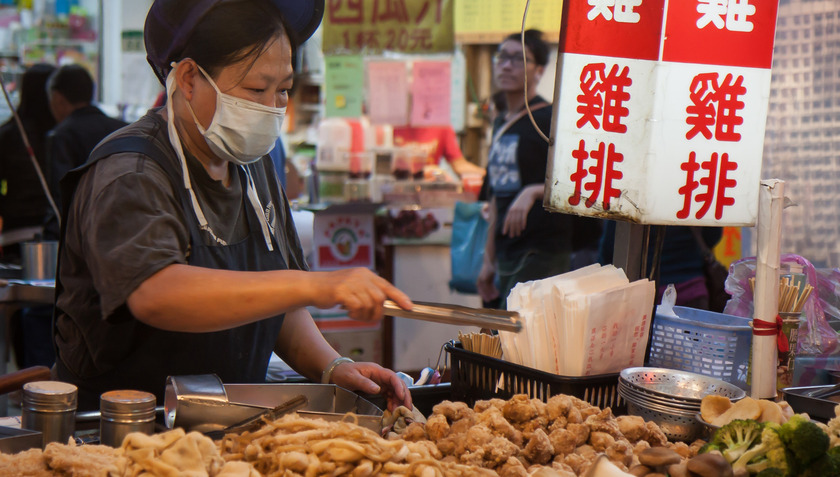
Built in the traditional market hall style, Shilin Market is divided into two areas: a food court and a merchandise area.
The best part is undoubtedly the street food at Shilin Night Market, with over 500 stalls. Most shops are located inside buildings, but visitors can also find many shops and stalls along the streets. Not to mention, Shilin is famous for a wide variety of traditional Taiwanese dishes such as sticky rice wrapped in sausage, oyster omelets, fried chicken, and bubble tea, as well as fashionable clothing items.
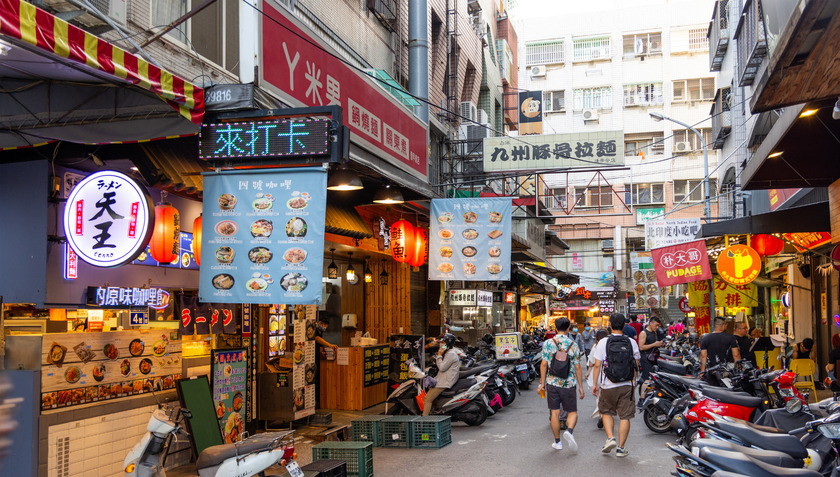
If you haven't been to Taiwan, you haven't truly been to the night market.
"You haven't truly been to Taiwan until you've visited a night market." Night markets are not only places that provide products and services for locals and tourists, but also places that preserve and promote Taiwan's traditional culture. They are meeting places for social interaction and exchange, creating the diversity and richness of Taiwanese culture. They also clearly reflect the diverse and rich culinary scene of the country, with countless traditional and modern dishes.