VI
VI


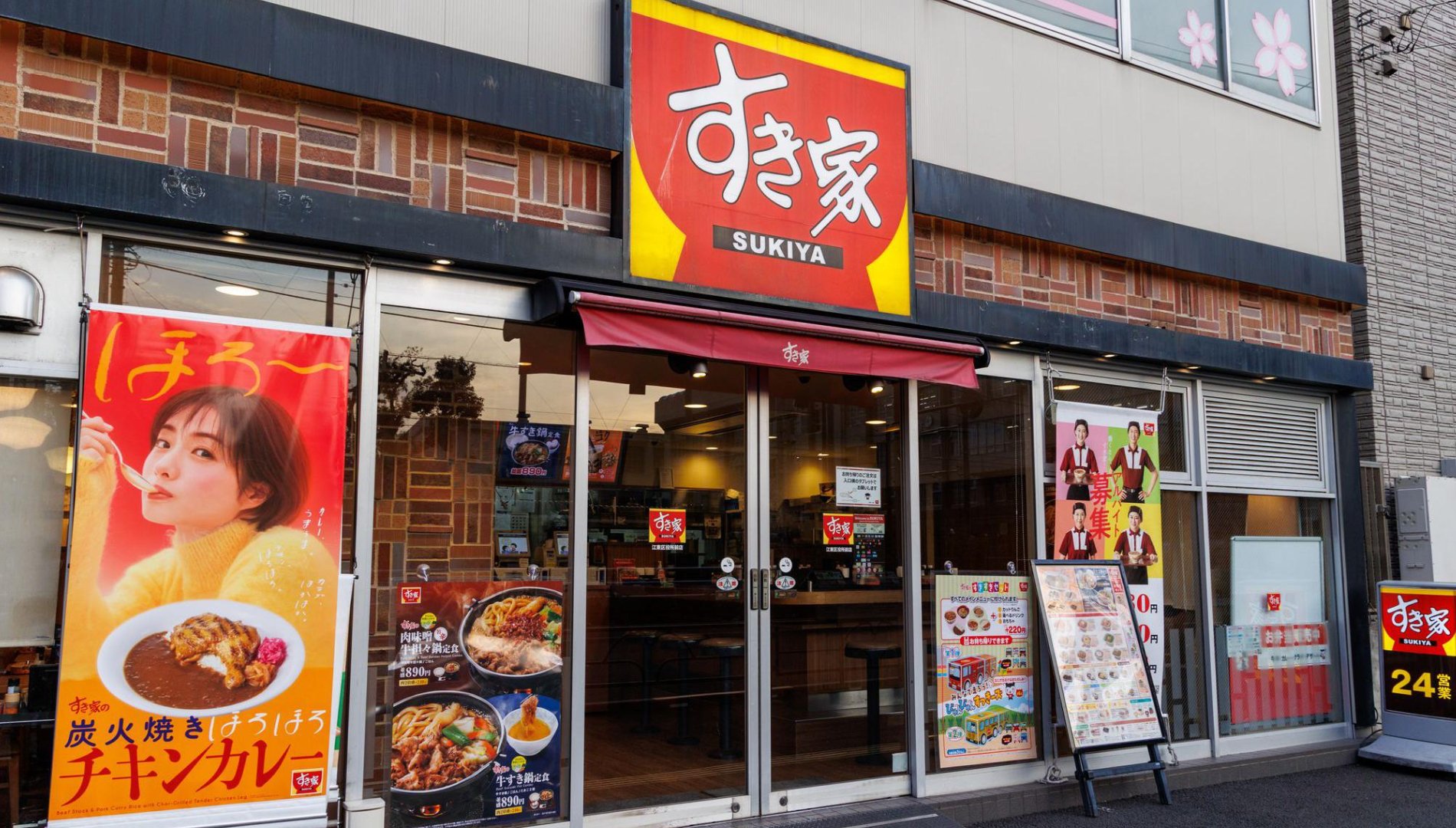
Following two consecutive serious food safety and hygiene incidents, the Japanese authorities decided to close all Sukiya restaurants, except for a few branches located in shopping malls, for four days, from the morning of March 31st to the morning of April 4th, in order to thoroughly address the issue.


A representative from Sukiya acknowledged the seriousness of the incident and offered a sincere apology to all customers. This action demonstrates the proactive approach and responsibility of Japan's largest beef rice bowl restaurant chain, owned by the giant food conglomerate Zensho Holdings.
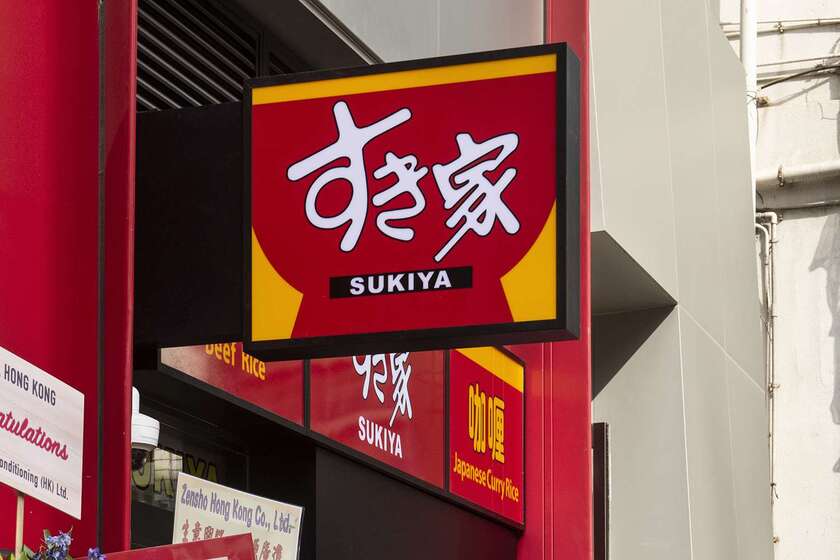
Sukiya, Japan's largest gyudon (beef rice bowl) restaurant chain, has announced a temporary closure following an insect infestation at one of its locations in suburban Tokyo.
The incident began last weekend when the corporation had to publicly apologize to consumers for an unfortunate event: a rat was found in a bowl of miso soup served at one of its branches in western Japan. This incident sparked outrage, causing Zensho's stock to fall by as much as 7%.
Furthermore, on March 29th, Sukiya announced another incident at a store in a Tokyo suburb. This time, an insect was found in a product served to a customer. The restaurant promptly apologized to customers for the "great inconvenience and concern" caused by the incident, and pledged to strengthen quality control and hygiene measures.
Immediately after receiving reports of these incidents, Sukiya temporarily closed the two affected restaurants to conduct inspections and exterminate insects and rats. However, it wasn't until the end of March that they officially confirmed the rat in the miso soup, although images of the incident had been widely circulated on social media since January.

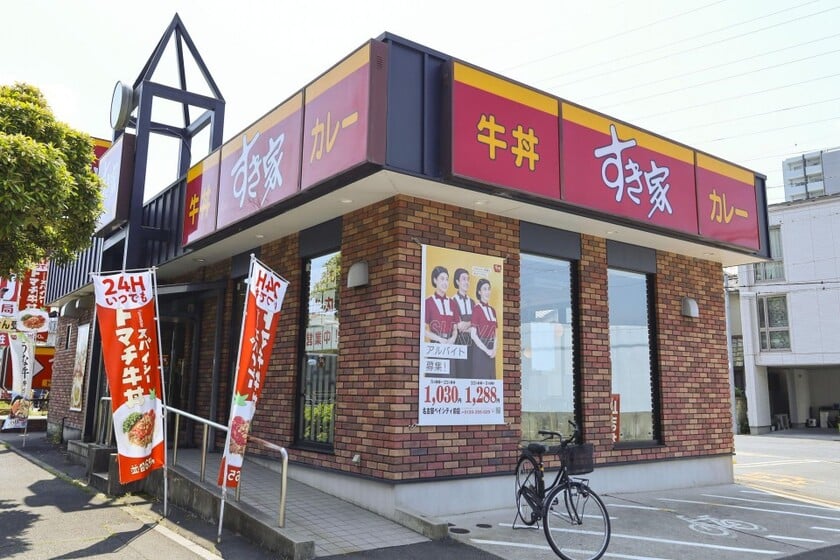
With an apology for "the great inconvenience and concern caused," Sukiya said in a statement that most of its branches would close to address issues of pollution and insect infestation.
In a statement on March 22, Sukiya explained that the Tottori incident may have been caused by staff failing to thoroughly check the soup bowls before serving them to customers. They also confirmed that no other customers were affected by the incident. However, following the latest incident in Tokyo, Sukiya has refunded customers and is conducting an investigation into the cause.
These food safety incidents have sparked outrage on Japanese social media. Many customers have expressed concerns about Sukiya's hygiene control, especially given that the chain has nearly 2,000 restaurants domestically and hundreds of branches overseas.
Under public pressure, Sukiya posted an apology on social media on April 1st, pledging to do everything possible to maintain a clean and safe environment. However, many still questioned the restaurant chain's transparency, as they only confirmed the rat in the miso soup nearly two months later.
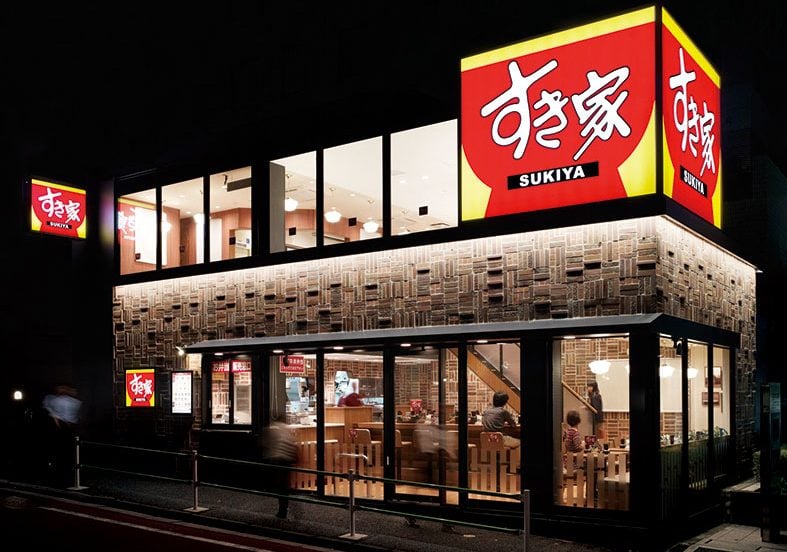
The company also stated that stores unaffected by the incident would temporarily close at a later date to implement similar measures.
The closure of nearly 2,000 stores for several days will undoubtedly have a significant impact on Sukiya's revenue. Furthermore, customer trust has been severely damaged, potentially leading them to switch to rival gyudon chains like Yoshinoya, Japan's second-largest beef rice bowl chain with 1,259 stores.
Sukiya's parent company, Zensho Holdings, is facing significant pressure to improve hygiene standards and effectively handle the media crisis. Without timely corrective measures, the Sukiya brand risks losing its leading position in the gyudon market.
As of the end of 2024, Sukiya had solidified its leading position in the Japanese beef bowl restaurant market with a vast network of 1,965 stores. This number far surpasses its two direct competitors, Yoshinoya, with approximately 1,250 stores, and Matsuya, with approximately 1,100 stores. This dominance not only demonstrates Sukiya's robust operational scale but also reflects the popularity and trust that Japanese consumers place in the brand.
Not only has Sukiya expanded its presence in the domestic market, but it has also entered the international market, with approximately 650 stores operating in regions such as China, Southeast Asia, and Latin America. This presence demonstrates Sukiya's ambition and global development strategy, while also affirming the brand's position on the international culinary map. Expanding overseas markets not only brings economic benefits to Sukiya but also contributes to promoting Japanese culinary culture to the international community.
However, the recent food safety and hygiene incident has posed a major challenge for Sukiya. The closure of numerous branches nationwide and the resulting public outrage could severely impact the brand's reputation and standing. Sukiya needs to implement thorough corrective measures and regain customer trust to maintain its leading position in the market.