VI
VI


After graduating from university, Hoang Anh decided to return to work in Ba Tri, Ben Tre. Hoang Anh shared: “Ba Tri is actually more interesting than people imagine, so you can consider a 2-3 day trip to experience the unique pace of life here instead of just visiting and leaving quickly in a single day.”
Having lived in Ba Tri for over 5 years, she shared a lot of useful information for tourists planning to explore this area.
When is the best time to visit Ba Tri?
Ba Tri District is approximately 36 km from Ben Tre City. If departing from Ho Chi Minh City, visitors can drive themselves in about 3 hours or purchase a direct bus ticket to Ba Tri from companies such as Chin Lam, Tu Rac, Buu Lam, Tuan, etc.
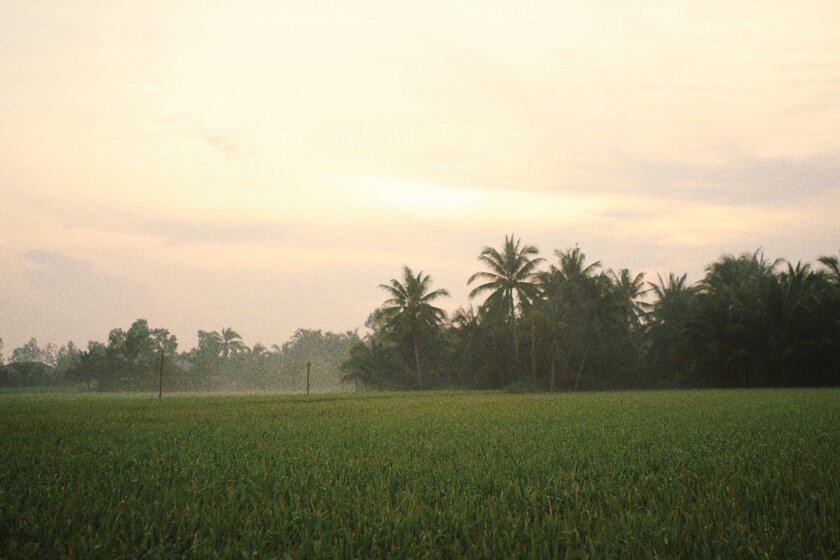
Besides its characteristic coconut groves, Ba Tri also retains vast rice paddies, which, during harvest season, turn a golden yellow, creating a colorful natural landscape.
Throughout the year, Ba Tri is always ready to welcome visitors from all over with its fresh air, pleasant climate, and tranquil rural lifestyle. If visitors want to experience the atmosphere of local festivals, they can prioritize visiting Ba Tri during the Ky Yen Festival (March 18th and 19th of the lunar calendar), the Nghinh Ong Festival (April and June of the lunar calendar)...

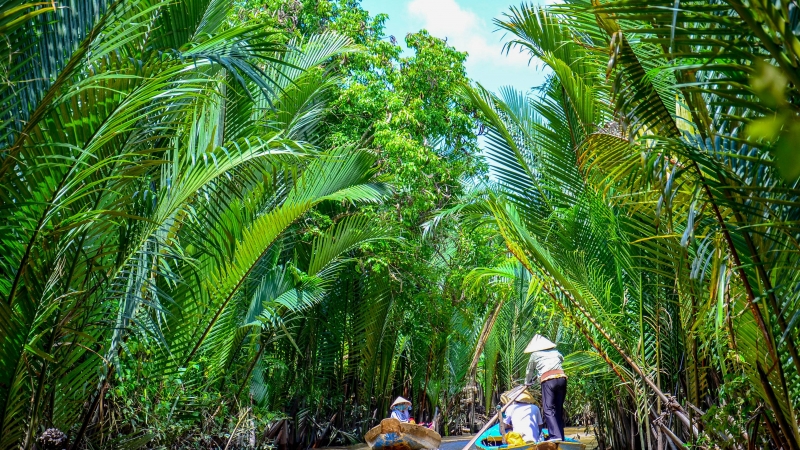
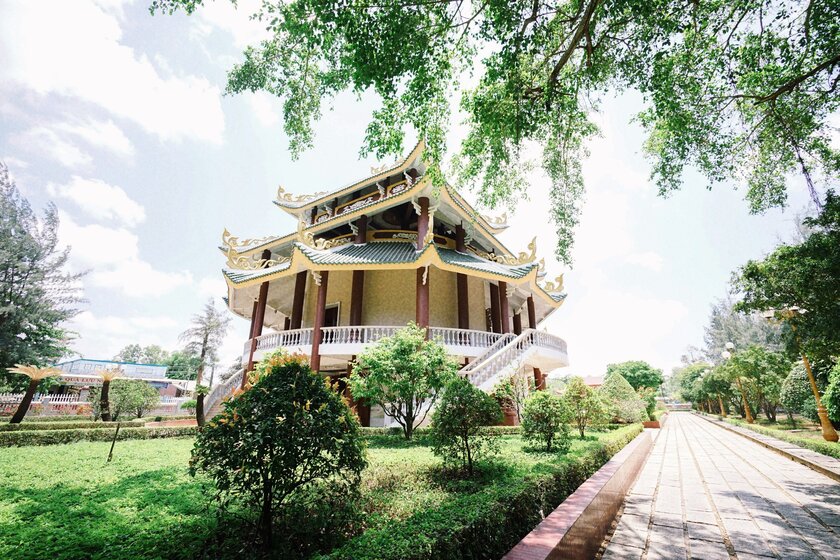
Lush green grounds at the Nguyen Dinh Chieu Tomb and Memorial Site.
Lost in a space steeped in centuries of culture and history.
Ba Tri District is the earliest settlement of Vietnamese migrants in Ben Tre province. The pioneering spirit of our ancestors remains after centuries, imprinted on the local architecture, culture, and beliefs.

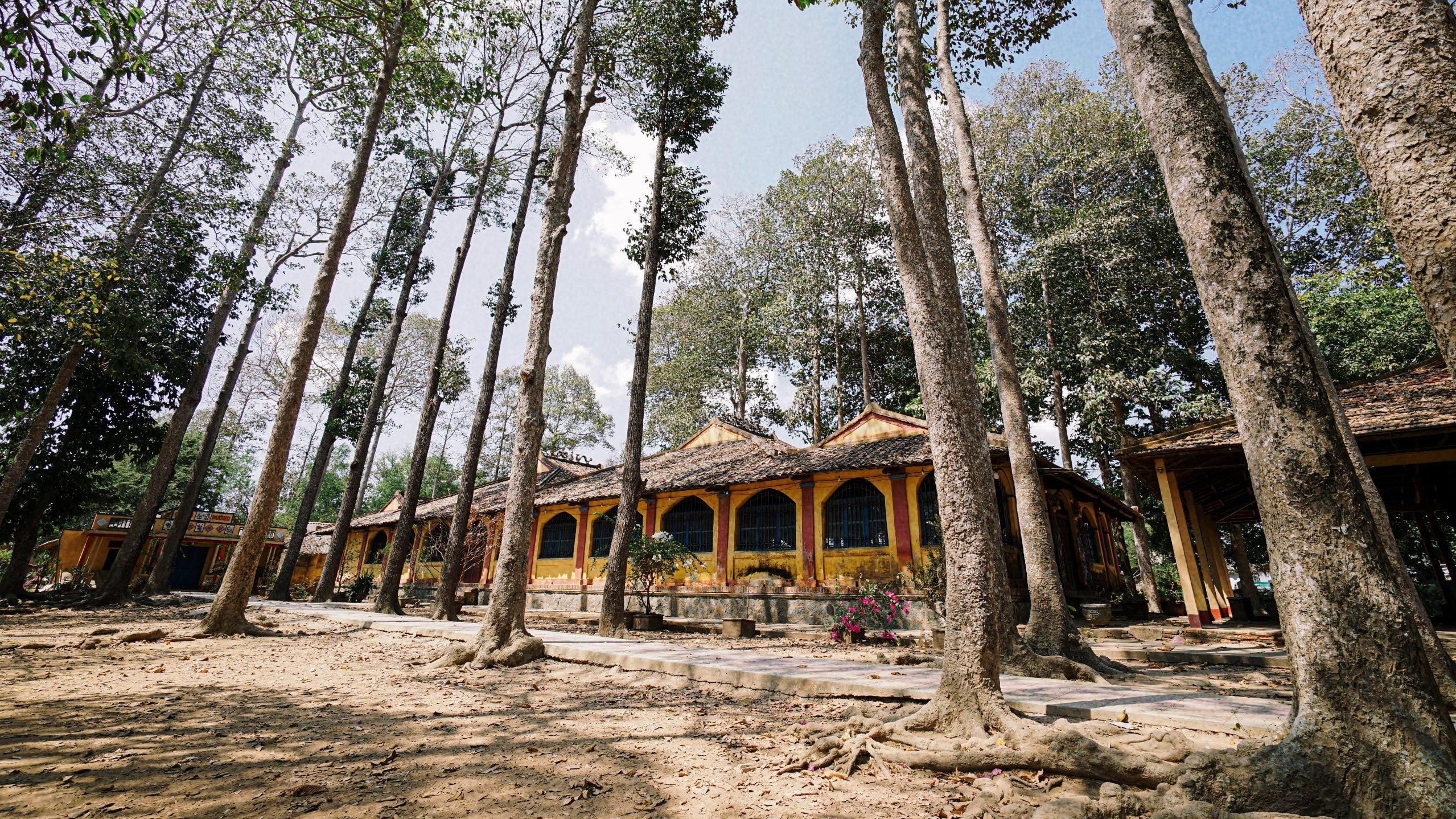
Phu Le Temple
The nearly two-hundred-year-old communal house retains its ancient charm despite undergoing numerous renovations. Phu Le communal house is the religious center of the local community, where villagers entrust their wishes to the guardian deity of the village, who has been officially recognized by the state as the tutelary deity of the locality.
Besides the tutelary deity, the village's founding ancestors and later generations who contributed to its development and establishment were also enshrined in the temple. The grandeur and majesty of the temple reflect the prosperous life and rich cultural heritage of the people of Phu Le in particular and the Ba Tri region in general at the beginning of the last century.
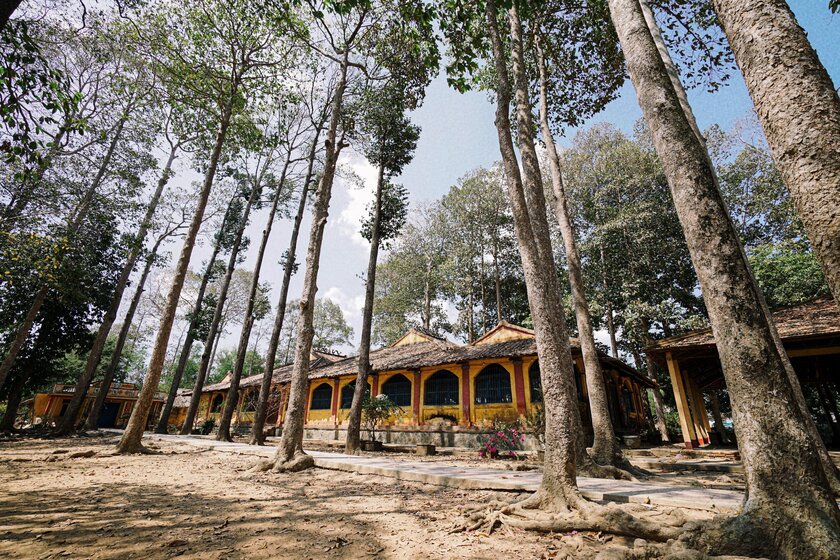
The ancient trees, brick walls, and moss-covered stone steps further enhance the solemn and tranquil atmosphere of Phu Le communal house amidst the peaceful rural setting.
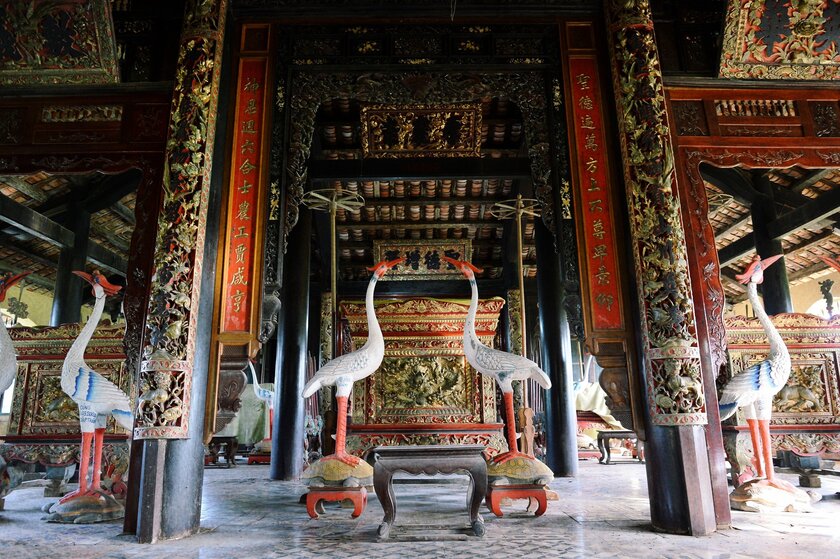
The altars, painted in red and gold, along with the exquisitely carved images of dragons, unicorns, turtles, and phoenixes, are located inside Phu Le Temple.
The tomb of Vo Truong Toan
The Võ Trường Toản tomb complex is located in Bảo Thạnh commune, Ba Tri district. The complex consists of two main areas: the tomb and the temple. While not grand or imposing, the grounds are always shaded by trees, creating a solemn and peaceful atmosphere. All of this creates a nostalgic space for any visitor who comes to pay their respects and express gratitude to the renowned scholar who laid the foundation for education in Southern Vietnam.
Phu Le - a century-old craft village
As a commune in Ba Tri district, Phu Le enjoys a peaceful pace of life with many traditional crafts preserved for centuries, such as sticky rice cultivation, rượu (rice wine) making, and weaving. The melodious tones of the folk songs further enhance the long-standing culture of this tranquil countryside.
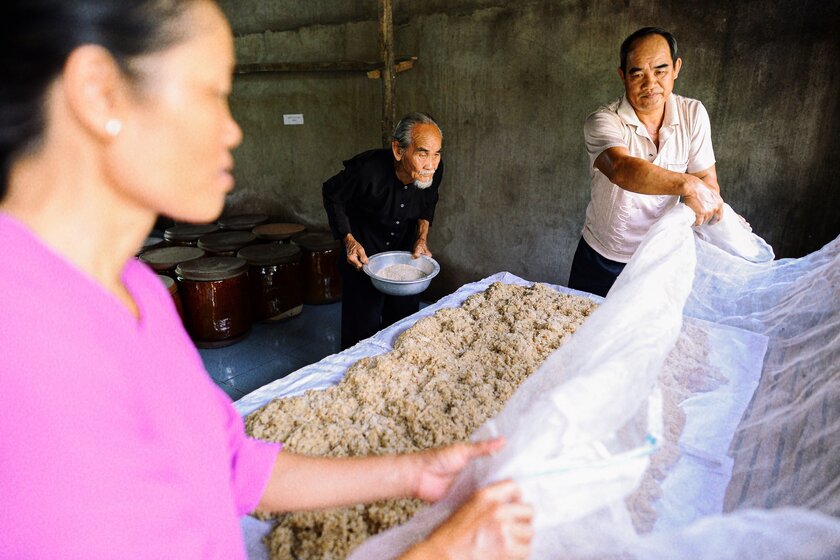
The artisans who brew rice wine in Phu Le meticulously care for each grain of glutinous rice, each yeast pellet, and each movement to distill the renowned "famous wine" that has been celebrated for centuries.
Tips from locals to make your exploration even more fulfilling.
Enjoy the cuisine
Grilled snakehead fish, rice noodle soup with crab, rice noodle soup with pate, stingray hot pot, coconut heart pancake, Ba Tri young beef… all prepared from local produce and ingredients, at reasonable prices, promise to satisfy the hearts of food lovers during their exploration of Ba Tri.
"Photo hunting" in ripening rice fields.
According to local people's experience, early March is the most beautiful time for rice harvest because this is when the weather is calm with no storms, and the rice plants are plump, golden yellow, and ripe.
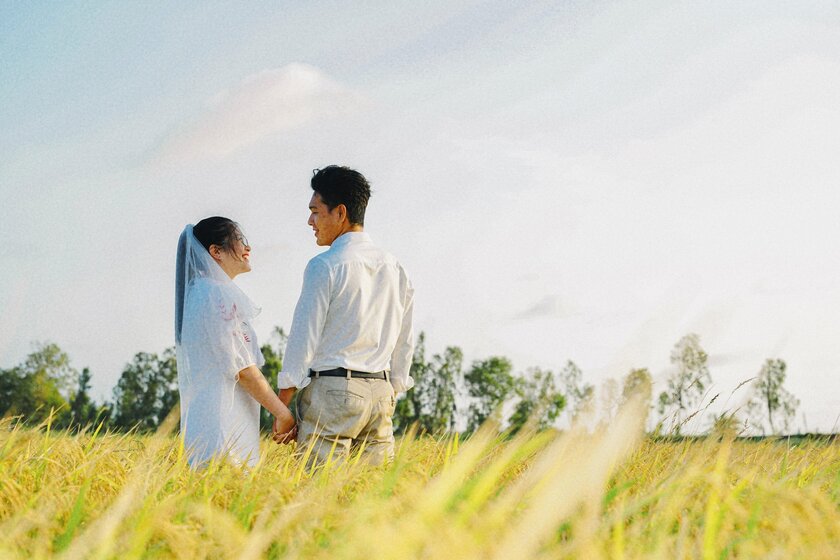
The changing shades of yellow across the rice fields in Ba Tri have become a fascinating sight for visitors from all over.
Experience the rhythm of life of the local people.
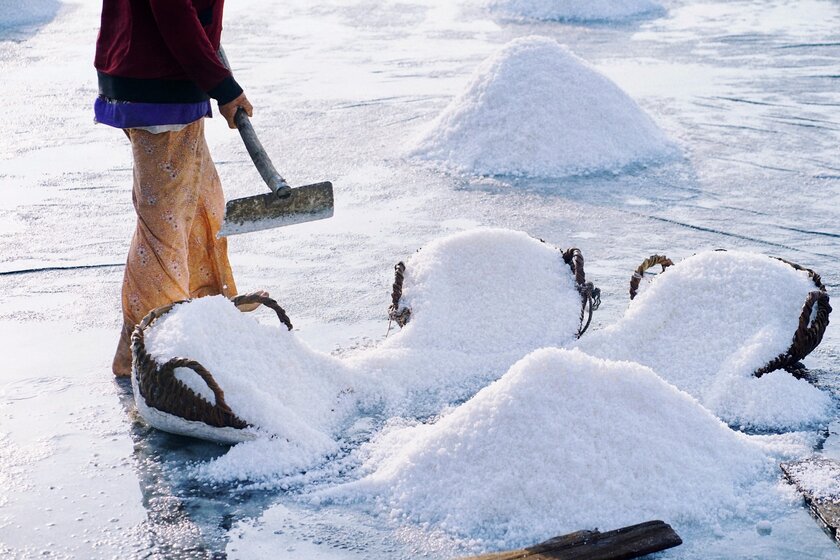
The Bảo Thạnh salt fields are a pristine white, imbued with the dedication of the salt farmers of Ba Tri who have preserved the traditional salt-making craft for decades.
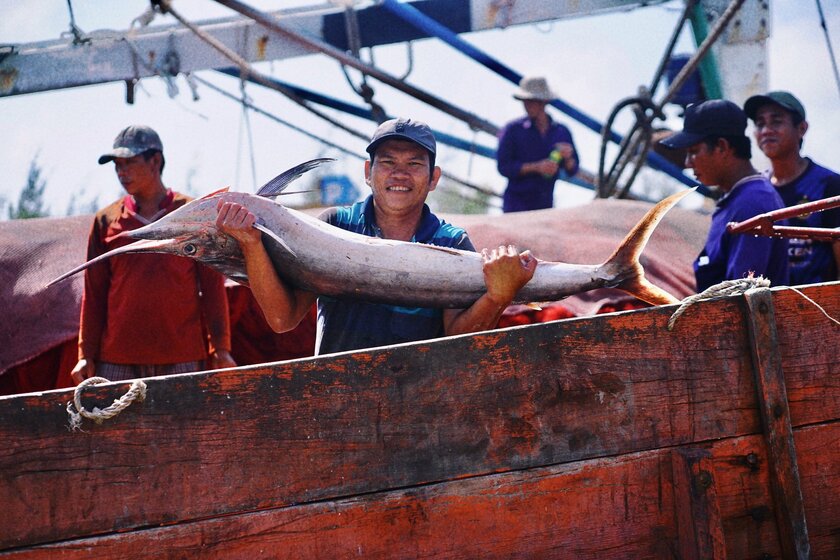
Visit Ba Tri fishing port to experience the rhythm of coastal life and enjoy a variety of fresh seafood.
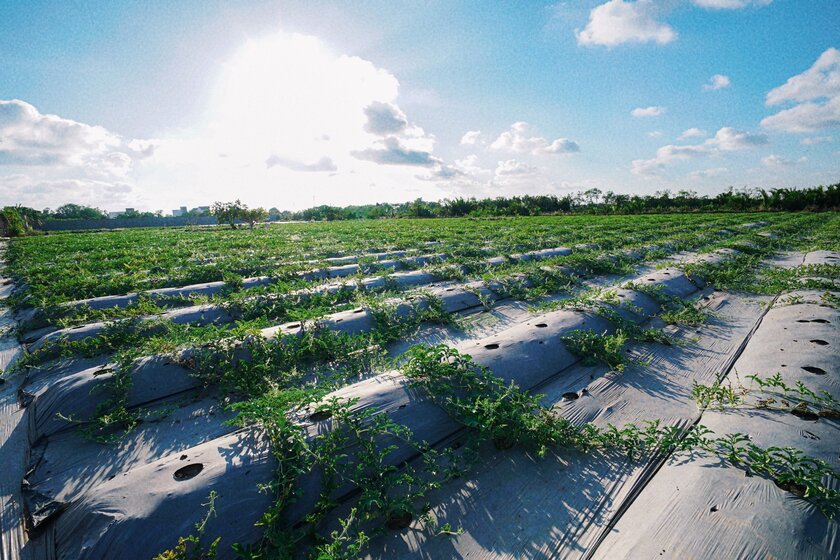
The lush green watermelon fields are also a quintessential Ba Tri landscape that amazes many with their stunning beauty when used for check-in photos.
With love and understanding for Ba Tri, Hoang Anh expressed: "I believe that the spirit of learning, living with love, and working together to create a sustainable tourism ecosystem in Ba Tri is something that tourists can feel when having profound travel experiences in my hometown."
After hours of exploring and enjoying the scenery of Ba Tri, visitors can stop and stay overnight atVinaEcolife LodgeAt VinaEcolife Lodge, guests can rejuvenate and relax while experiencing the local culture and history. With the spirit of "learning and living with love," and working together to create a sustainable tourism ecosystem, guests enjoy the joy of discovering new things while contributing to the spiritual development of the rural community. Meanwhile, local people strive to provide high-standard services to guests while learning and developing themselves, creating a new and peaceful life for themselves.