VI
VI


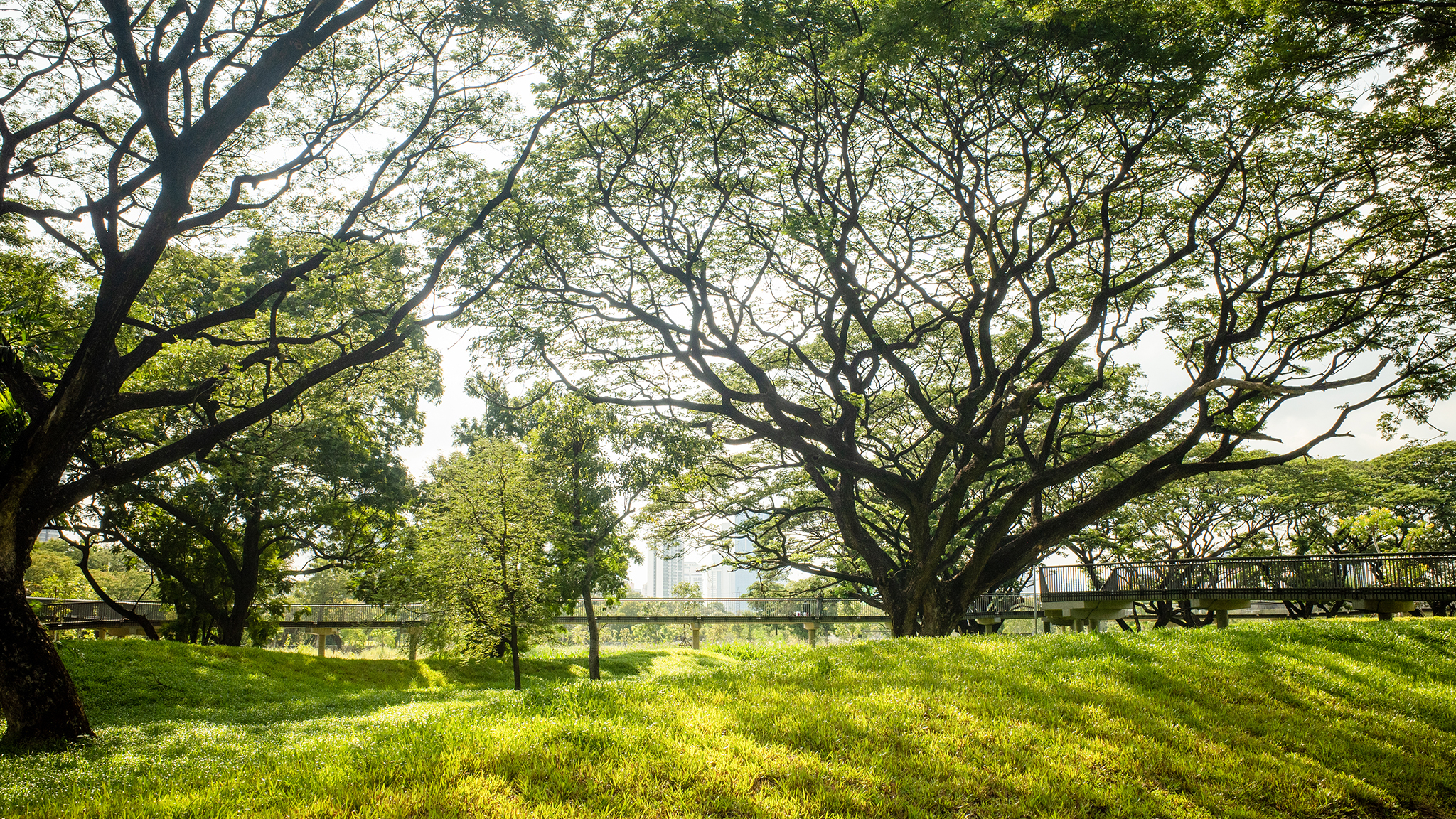
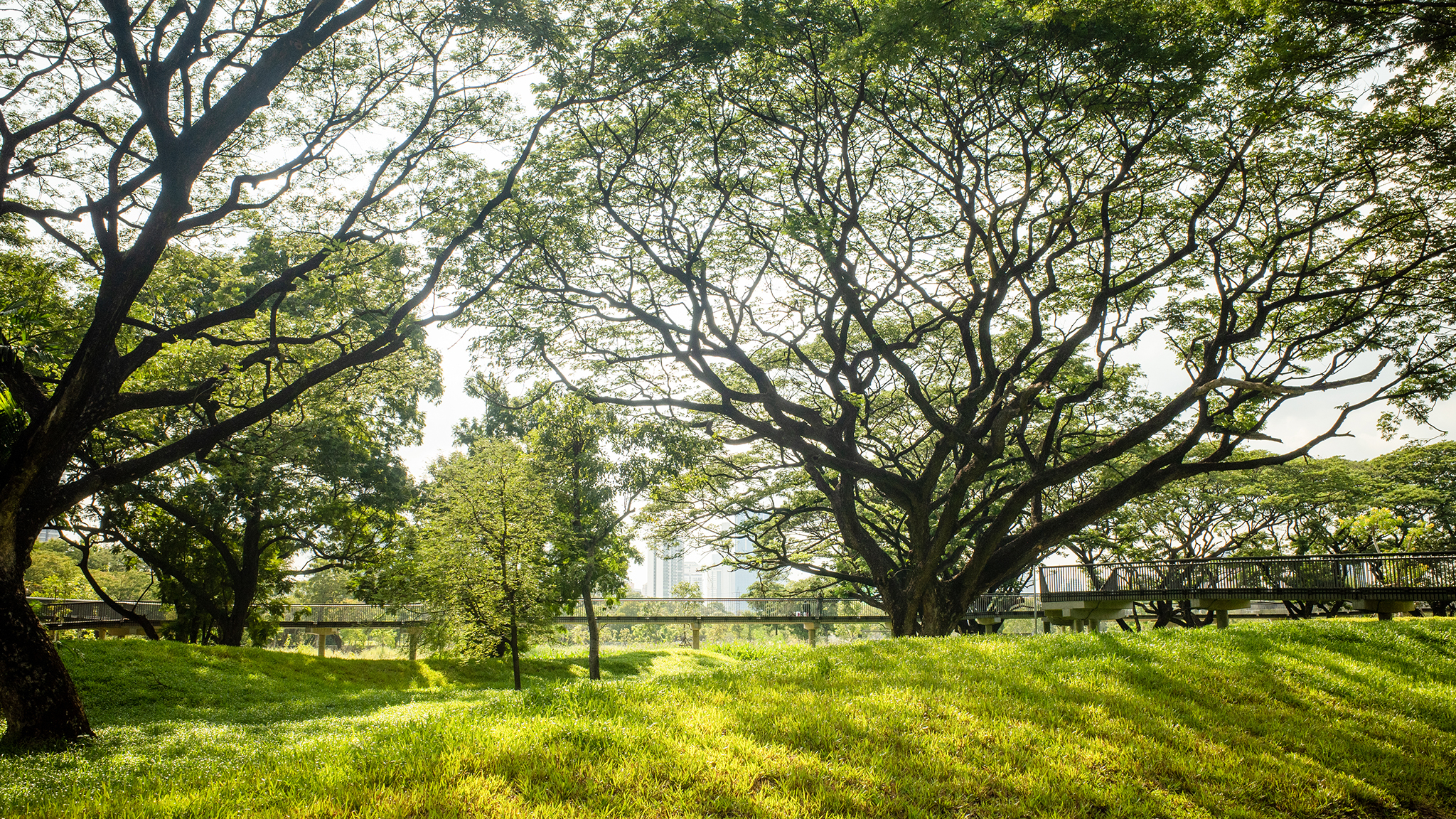
Like many rapidly urbanizing cities around the world, the people of Bangkok, Thailand, face the problem of an overabundance of high-rise buildings and a scarcity of natural green spaces.
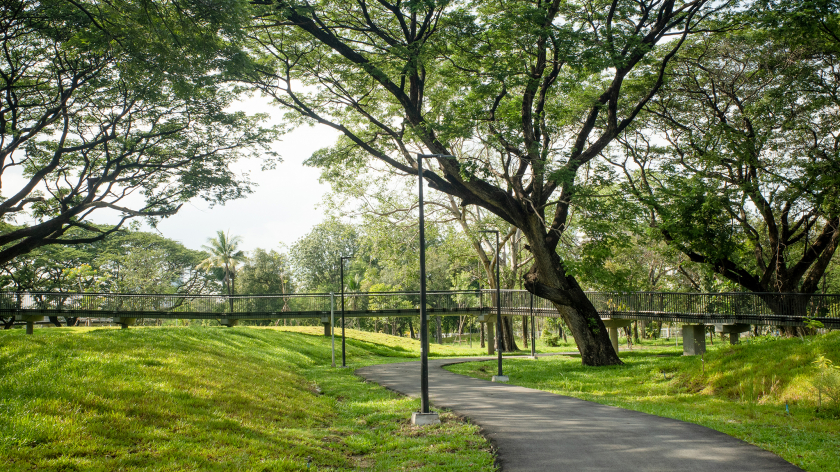
Photo: Time Out Bangkok
The expansive Benjakitti Park, spanning 72 hectares, is a highlight of green space in Bangkok. Although the park won't officially open until August, it already welcomes up to 12,000 visitors on weekends who come to jog, bike, sightsee, and take photos.
Somsak Jaitrong, a bird watcher, said: "The park is designed with quite unique plant species, making it an ideal place to observe birds."
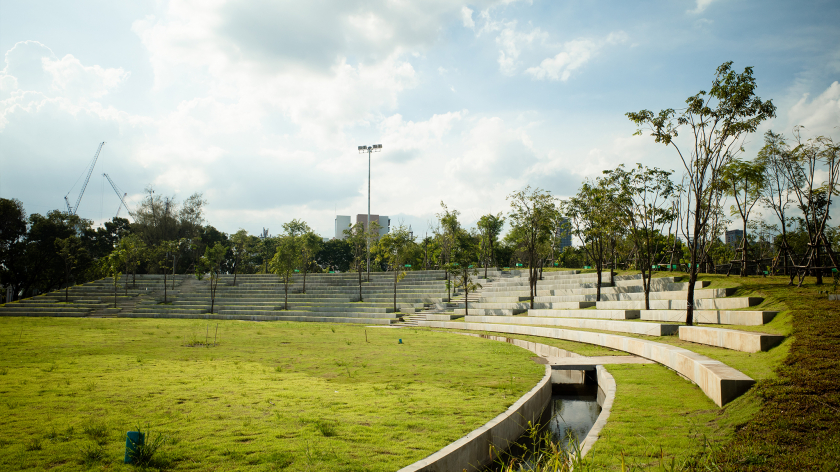
Photo: Time Out Bangkok
Luckachai Krichnoi, a music teacher, said: "I love the fresh air and really enjoy coming to this park. Bangkok doesn't have many parks this big."

Previously, Benjakitti Park was the site of Thai tobacco factories. However, in recent years, the area has been renovated and redeveloped into a green center for the capital.
The noise of the factory was gone, replaced by the chirping of birds and the croaking of frogs. Even the noise of city traffic was barely noticeable.
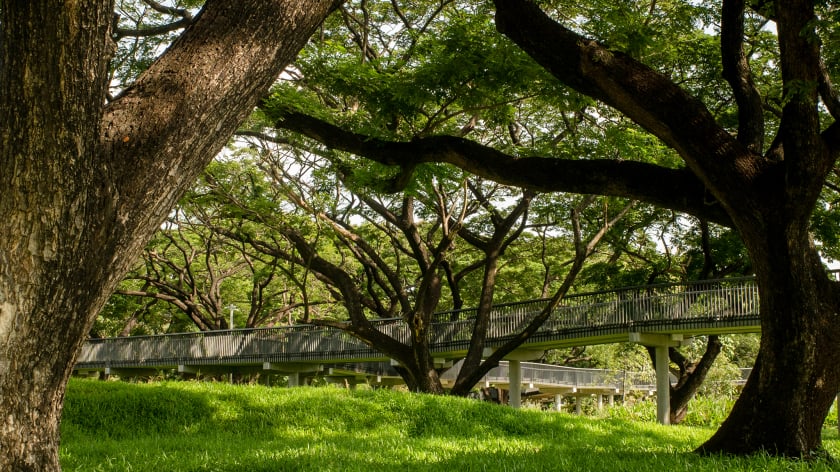
Photo: Time Out Bangkok
Urban landscape architect Catchanin Sung shared: "We wanted to create a space where Bangkok residents could come on weekends and feel proud to be here."
In addition to the abundant vegetation, the streams and mounds within the park also play a crucial role in creating a wetland ecosystem that is friendly to wildlife and also functions as a system for treating and filtering wastewater from nearby areas.
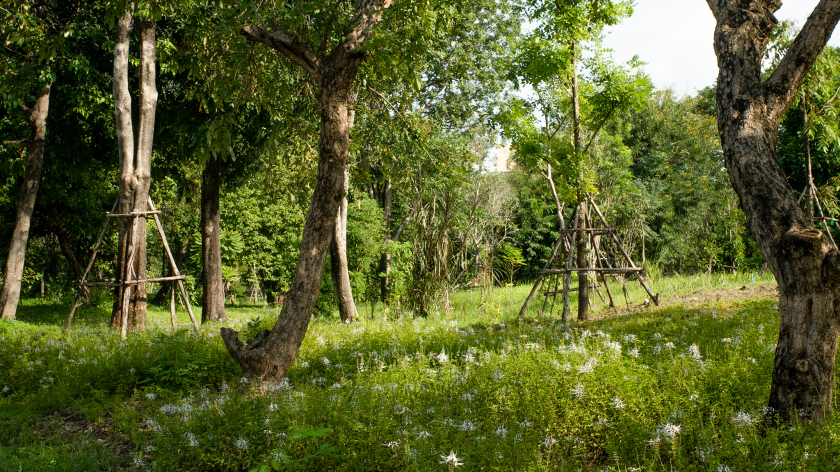
Photo: Time Out Bangkok
According to the Bangkok Metropolitan Administration, city residents currently only have access to 7 square meters of land.2green space per person. Bangkok's goal is to increase that area to 10 m².2/person by 2030 through the program of building green parks.
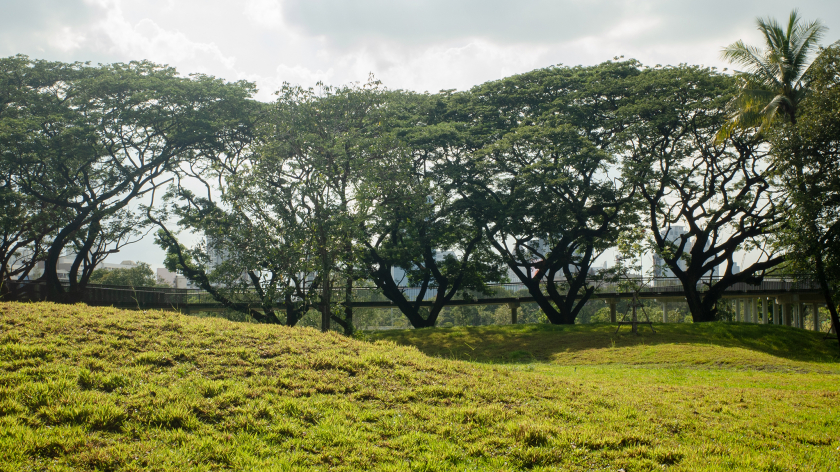
Photo: Time Out Bangkok