VI
VI


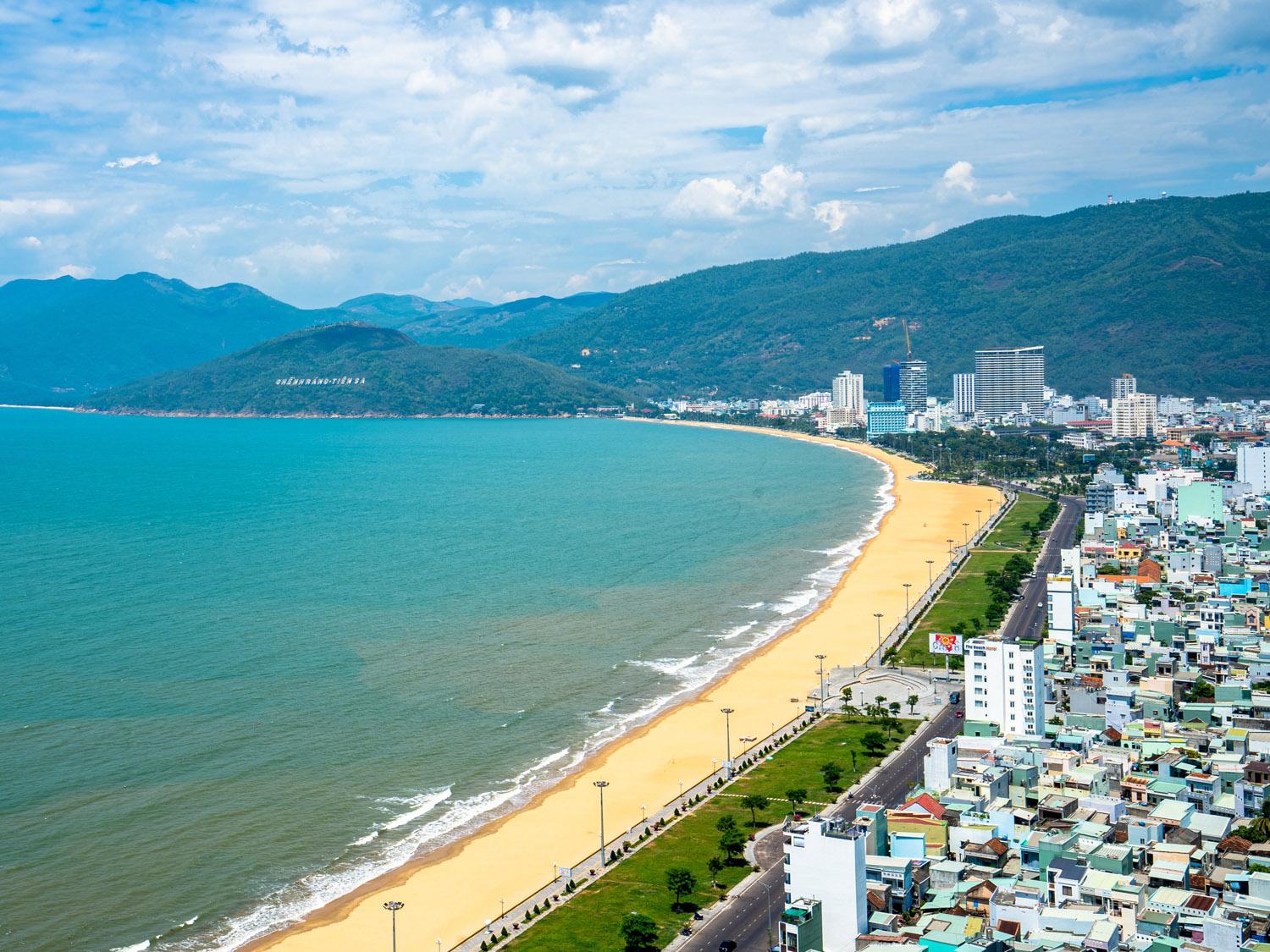
The Department of Natural Resources and Environment of Binh Dinh province has just announced the plan and information regarding the relocation of three coastal hotels.
The hotels being relocated include Hoang Yen, Hai Au, and Binh Duong, all located in prime locations east of An Duong Vuong Street, Nguyen Van Cu Ward, Quy Nhon City.
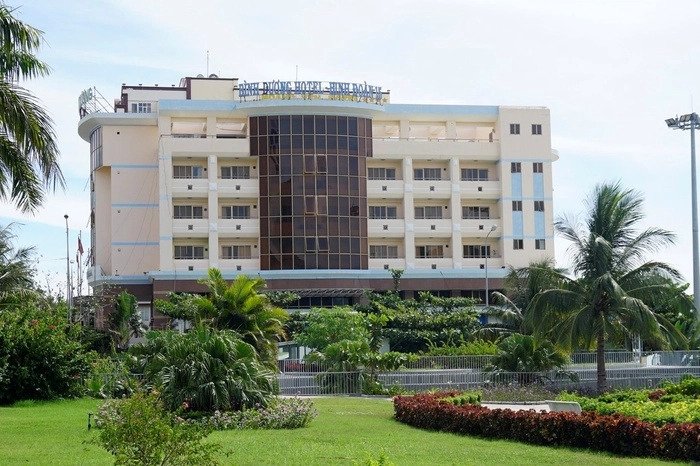
Binh Duong Hotel
Currently, one of these hotels has completed the relocation procedures. The remaining two hotels will proceed according to schedule, with one building required to relocate by the end of 2024. The province's stance is to not extend the relocation deadline.
According to the Department of Natural Resources and Environment of Binh Dinh province, immediately after the decision was made, the Binh Duong Hotel received approval from the Binh Dinh Provincial People's Committee and the Ministry of National Defense for relocation procedures by the end of 2020.
Accordingly, the People's Committee of Binh Dinh province has approved the compensation and relocation support plan; and simultaneously allocated a new plot of land over 3,000 square meters in size.2at 20 Nguyen Van Troi Street (Quy Nhon City) to build a new hotel.

However, due to limitations in this land plot, the People's Committee of Binh Dinh province recently allocated another land plot at 66 Han Mac Tu Street (Quy Nhon City) with an area of 2,800 m².2The province has now issued a decision to allocate land to the 5th Military Region Command and agreed that the 15th Army Corps will relocate after completing the construction of the hotel at the new location.
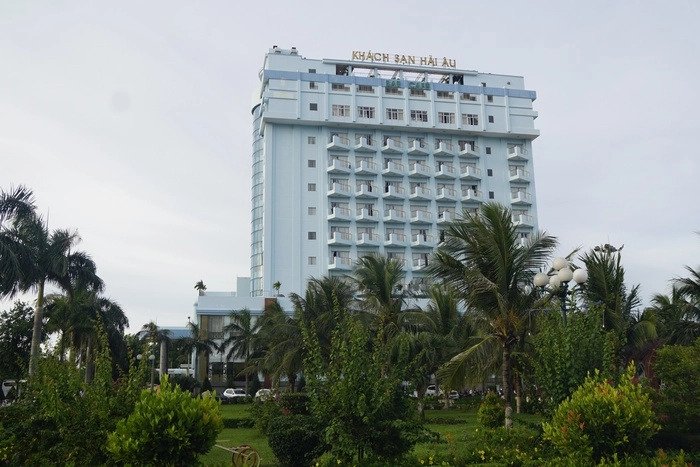
Seagull Hotel
Regarding the Hai Au Hotel (whose land lease expires in October 2019) and the Hoang Yen Hotel (whose land lease will expire in 2052), due to legal obstacles, the People's Committee of Binh Dinh province has sent a document requesting guidance from the Ministry of Natural Resources and Environment on land leasing. Currently, the Government and relevant ministries have provided specific guidance in accordance with the law.
According to the People's Committee of Binh Dinh province, in order to relocate the two aforementioned hotels on the Quy Nhon coast, the province has planned a land fund at a new location consistent with the urban planning of Quy Nhon city and intends to lease the land (clean land) to the managing units of these two hotels for relocation and reconstruction through the issuance of investment policy decisions and land lease agreements (without going through an auction process).
However, current land laws and related central government guidelines do not contain specific provisions regarding the State leasing land to investors at new locations for the construction of hotels (through designated allocation) to continue operations.
Furthermore, according to Article 92 of the 2013 Land Law, in cases where the State allocates or leases land for a limited period but it is not extended as stipulated in Article 65 of the 2013 Land Law, the State will not compensate for assets attached to the land when it reclaims it.
However, in reality, the Hai Au and Hoang Yen hotels are currently being built on a large scale (over 10 floors, level 2 construction), so based on the above regulations, they will not be compensated or supported for assets attached to the land (for hotels whose land lease has expired). This will lead to difficulties for hotel owners in relocating to return the land to the province and constructing new hotel buildings at the new location.
According to leaders of Binh Dinh province, the province's stance is not to prioritize the development of high-rise buildings along the coast. The entire coastal area of Quy Nhon Bay is reserved for parks and green spaces for the benefit of the people.
"The general sentiment is not to extend the deadline further, but the relocation and demolition of coastal hotels needs to follow a suitable and legally compliant roadmap to give businesses time to prepare," said Nguyen Tuan Thanh, Standing Vice Chairman of the People's Committee of Binh Dinh province.