VI
VI



Against the backdrop of Japanese corporate culture, which values trust and relationships, Toshiyuki Niino and Yuichiro Okazaki astutely recognized a need among a large segment of the workforce: support to overcome the psychological barrier of terminating an employment contract. The idea to establish Exit stemmed from the remarkable fact that many Japanese people find it difficult to make the decision to quit their jobs, even if their current work is stressful.


With a fee of 50,000 yen per transaction, the company Exit has created a unique business model that caters to the needs of a niche market. A service priced at 50,000 yen ($440) per transaction, specifically designed for the workforce seeking to enter the workforce.
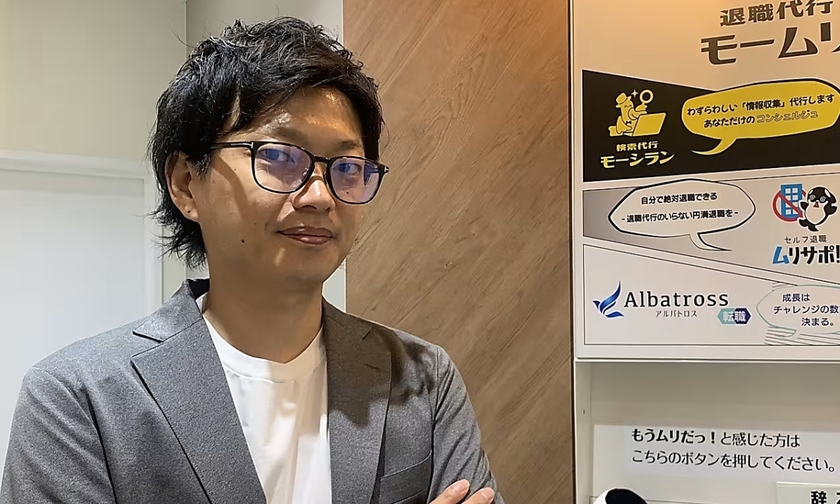
Yuta Sakamot hired a company to help him resign from his job because he was afraid his boss would prevent him from moving to a new position.
Exit acts as an intermediary, handling all communication between the client and the company the client is leaving. After the initial call, the client prepares a resignation letter and gives it to Exit to forward to the company. Exit also receives the necessary documents from the company on behalf of the employee, specifically the rishokukyo (official resignation confirmation), to receive government benefits.

The cultural tradition of valuing stability and loyalty to a company has made it difficult for many Japanese people to decide to quit their jobs.
This service is becoming increasingly popular as Japanese attitudes towards work remain largely unchanged from the past, while population growth is tightening the job market, workers are more likely to switch jobs, and employers are becoming desperate to retain employees.

Okazaki said, "Many people working in Japanese companies think that quitting is wrong or shameful, so they feel they will disappoint everyone or get scolded by their boss if they choose to leave. With that in mind, they keep doing terrible jobs that they themselves hate. They continued doing that until we came along."
The stories Okazaki heard were filled with the pain and helplessness of ordinary people. They felt lonely, lost, and unsure how to escape their current situation. For them, quitting their jobs was not just a personal decision but a battle against social pressure. Bullying and unpaid overtime had become haunting memories, preventing them from making the decision to quit.

Arising from the practical needs of workers, the service of "submitting" resignation letters on behalf of others has emerged and quickly become popular.
Most of Exit's clients demonstrate a strong determination to quit their current jobs. They often share that they can't wait any longer and want to leave immediately. Therefore, Exit usually has to schedule a call to the client's company the following day to inform them of their decision to resign.
Most clients had enough paid vacation time saved up to cover that period. Others happily considered it unpaid leave just to neatly complete the process. Exit told companies that the paperwork would be mailed.

This service not only saves employees time but also ensures that procedures are carried out professionally and efficiently.
Despite being a pioneer in the "resignation letter submission" service, Exit faces an undeniable reality: increasingly fierce competition. If other startups also enter this market, Exit will face greater pressure to maintain its position.
They currently process an average of 3,000 resignation requests per month, including those from people who have worked for decades at the same company or those so stressed they've contemplated suicide because they don't know how to quit. "I want my resignation to be seen as a positive thing. People should be able to quit without hesitation," Arno said.