VI
VI


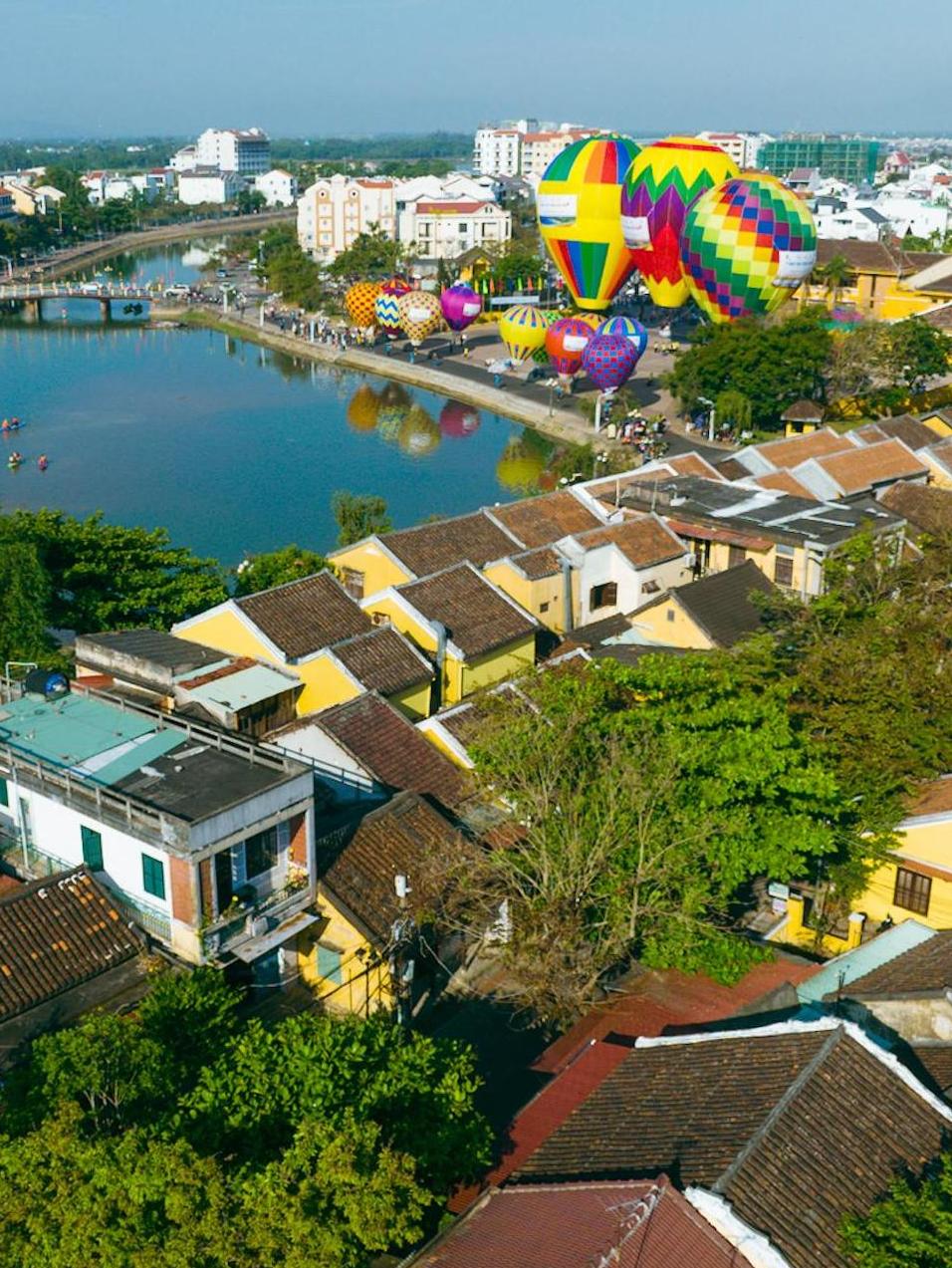

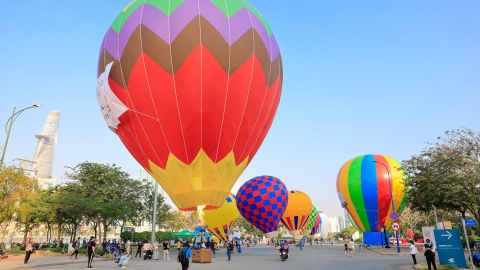
In the new normal, many destinations are busy organizing large-scale hot air balloon festivals.
In an effort to revive the tourism industry after Covid-19, many destinations across the country have been focusing on diversifying tourism experiences in a unique and memorable way. Among these, hot air balloon festivals are considered the opening event for the tourism season in many famous tourist destinations.
In late January 2022, Ho Chi Minh City organized an event launching 16 hot air balloons at the Saigon River Tunnel Rooftop Park. Since then, many other famous tourist destinations have simultaneously organized large-scale hot air balloon festivals.Hanoi tourism welcomes 2022.(March 25), Hot air balloon festival on the Hoai River - Hoi An ancient town (March 25), Da Nang hot air balloon festival (March 27).
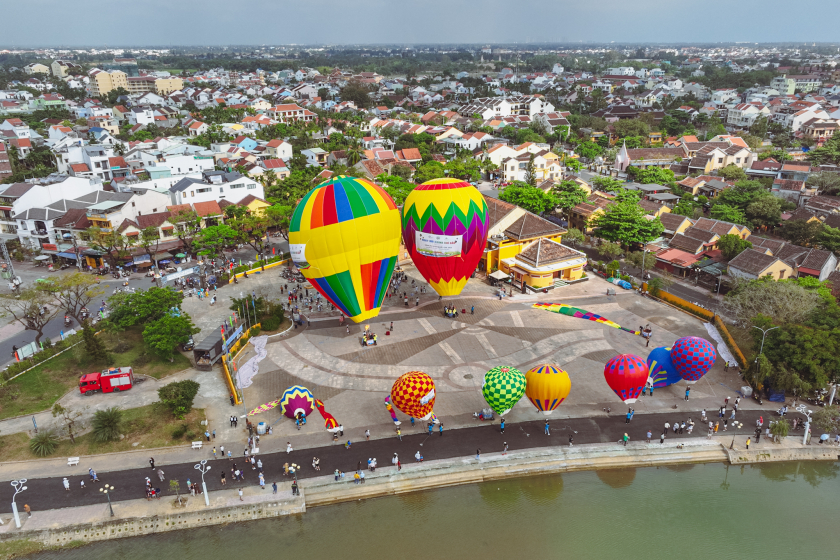
Hot air balloon festival in Hoi An (Quang Nam) - Photo: Ngo Tran Hai An
At the end of March, Vietnam will host the International Hot Air Balloon Festival in Tuyen Quang, bringing together 20 hot air balloons from countries around the world such as the UK, the US, Japan, Taiwan, South Korea, Thailand, Spain, and the Netherlands.
Phan Thiet is the first place where tourists have the opportunity to experience a hot air balloon tour. The 60-minute hot air balloon flight allows visitors to admire the panoramic view of the city center, beaches, and Mui Ne sand dunes from above.
Hot air balloons - A new adventure travel trend in 2022
The ASEAN Tourism Strategy (ATSP) 2016-2025 states that adventure tourism should be prioritized in Southeast Asian countries with their advantageous tropical natural landscapes, adjacent forests, seas, and islands, and relatively developed infrastructure. Although SUP paddling and trekking are already very popular forms of adventure tourism, hot air ballooning is becoming increasingly common in Southeast Asia.
In Vietnam, hot air balloon tourism has been operating in recent years, but it still attracts relatively few participants. However, this year, many new destinations have officially promoted and organized large-scale festivals associated with this adventurous type of tourism.
Hot air ballooning is considered a risky activity by experts because it can only ascend vertically, and its operation is highly dependent on wind direction. Furthermore, takeoff and landing areas must be free of obstacles and have suitable weather conditions. In addition, hot air balloons can only fly in wind conditions of level 3 or below and without rain. In case of bad weather, the balloon show or tour will be postponed.

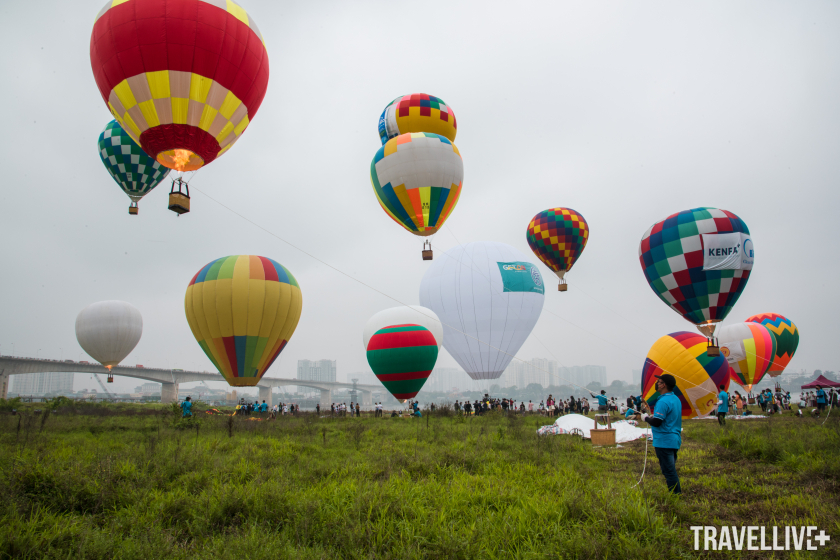
The final day of the Hanoi Hot Air Balloon Festival (March 27) had to be postponed due to bad weather - Photo: Kincoi
Hot air balloon rides are considered adventurous experiences, often associated with personal challenges involving risk awareness and manageable danger. Adventure-seekers are typically risk-takers who are willing to pay for exciting and authentic experiences. They often seek out new, lesser-known destinations and activities.
Beyond the thrill, hot air balloon flights offer visitors a much more peaceful experience than other flying activities. Wanderlust magazine explained the appeal of hot air balloon rides by stating that visitors can "separate from the crowds and experience the exhilaration of seeing the world from above while suspended in mid-air." In many places around the world, in addition to sightseeing, visitors also choose to hold birthday parties, marriage proposals, or wedding receptions in hot air balloons.
Some experts consider hot air ballooning to be a form of aerial geotourism. This is the result of a combination of Earth science, tourism, and aviation. This type of tourism promotes to visitors the grandeur and unique natural landscapes of destinations such as deserts, valleys, or geoparks.
Lessons from the success of Cappadocia and Taiwan
In Cappadocia (Türkiye), there are 27 hot air balloon companies operating with 280 balloons in 2021. Thanks to its unique geological landscape with thousands of chimney-like rock formations and suitable meteorological conditions, the area welcomes and serves approximately 500,000 tourists with 250-270 hot air balloon flights per year.
Following the success of Cappadocia, many cities in Türkiye have applied to the Civil Aviation Authority to register and offer hot air balloon flights for tourism purposes, primarily targeting international visitors.
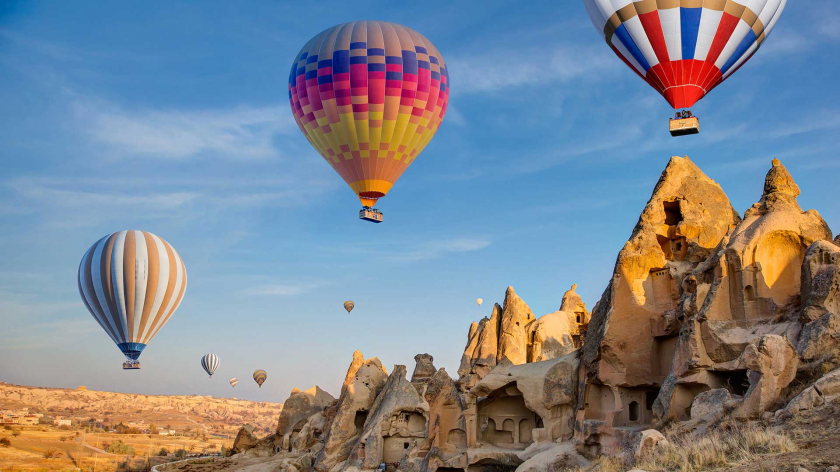
Hot air balloon ride over the "mushroom valley" of Cappadocia, Türkiye - Photo: Internet
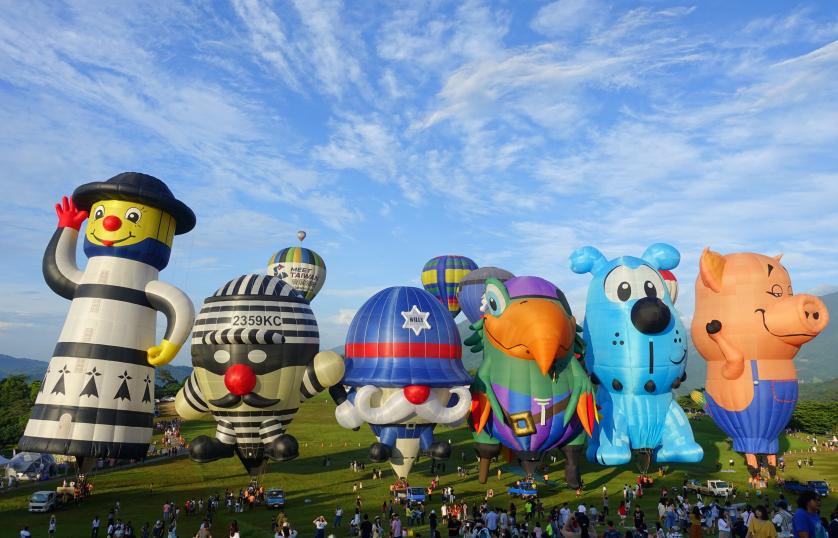
Taitung (Taiwan) has been recognized as one of the top 12 locations for the world's most spectacular hot air balloon festivals - Photo: Internet
In Asia, Taitung (Taiwan) was honored onTop 12 locations for the most spectacular hot air balloon festivals in the world.The annual hot air balloon festival in Luye Township, held from late June to mid-August, attracts over 1 million visitors. Located in a highland area at an average altitude of approximately 350 meters, it is surrounded by rolling mountains and the East Rift Valley. This event promotes the natural beauty and the potential for economic benefits from using hot air balloons as a tool for tourism development.
In Southeast Asia, Malaysia has successfully hosted numerous international hot air balloon festivals in Putrajaya, the country's new administrative center.
In conclusion
Hot air ballooning – a new extreme sports experience – promises to open up opportunities for many destinations across the country to diversify tourism products and services. However, for hot air balloon festivals or tours to operate year-round, they depend heavily on weather conditions. Not every province or city enjoys sunny weather year-round; for example, the cold season in the North or the prolonged storms and floods in the Central coastal region. Some destinations even copy the products and services of hot air balloon festivals and tours, resulting in a sense of repetition and monotony for tourists wherever they go.
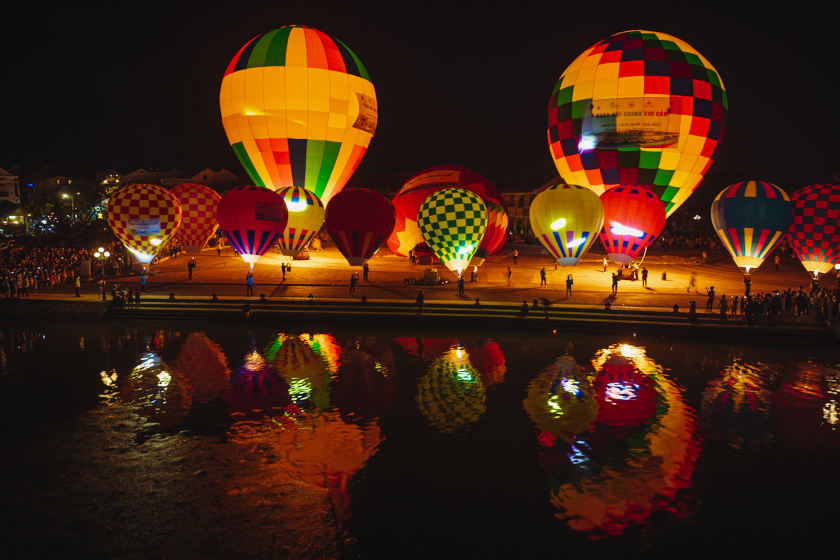
"Lanterns floating on the water" on the night of March 26th, Hoi An - Photo: Ngo Tran Hai An
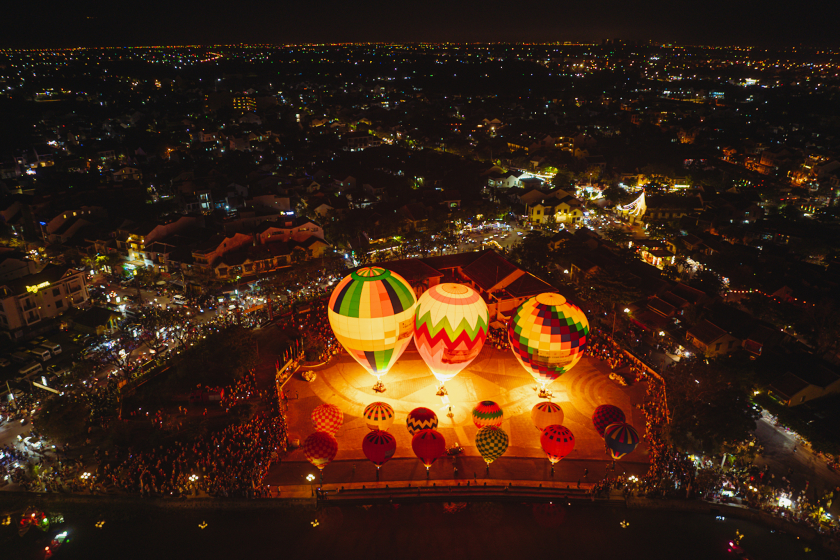
Photo: Ngo Tran Hai An
What's needed now is for each destination to consider whether its unique local tourism products and landscapes are truly suitable for the adventurous experience of hot air ballooning. If implemented, hot air ballooning could be seen as a novel tourism tool to complement the overall range of local products and services, thereby maintaining the destination's image as an exciting destination in the eyes of tourists. It's crucial to avoid hasty, one-time initiatives that discourage repeat visits, which would lead to unsustainable economic and promotional results. The appeal of a destination, both before and after a pandemic, requires distinctiveness and creativity, along with effective marketing and the genuine hospitality of the local people.