VI
VI


Momiji Manju Cake
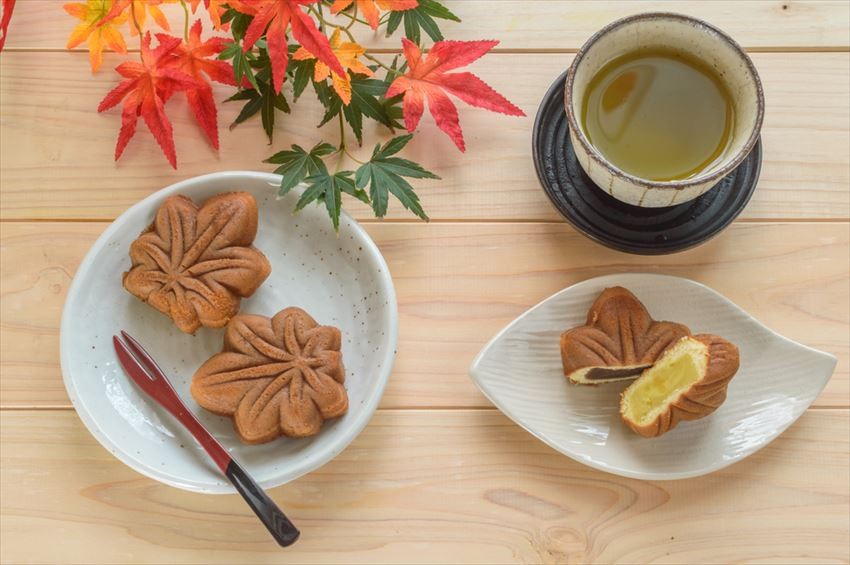
Momiji manju is a type of baked pastry shaped like a maple leaf (momiji). This pastry originated in 1907 and has undergone many variations in ingredients and shape over the past 100 years. The crust is made from eggs, milk, and honey. The most popular fillings are red bean paste and strawberry jam. Chocolate, vanilla, and green tea fillings are also popular. Japanese people often enjoy momiji manju with a cup of green tea.
Honey toast (Shibuya toast)
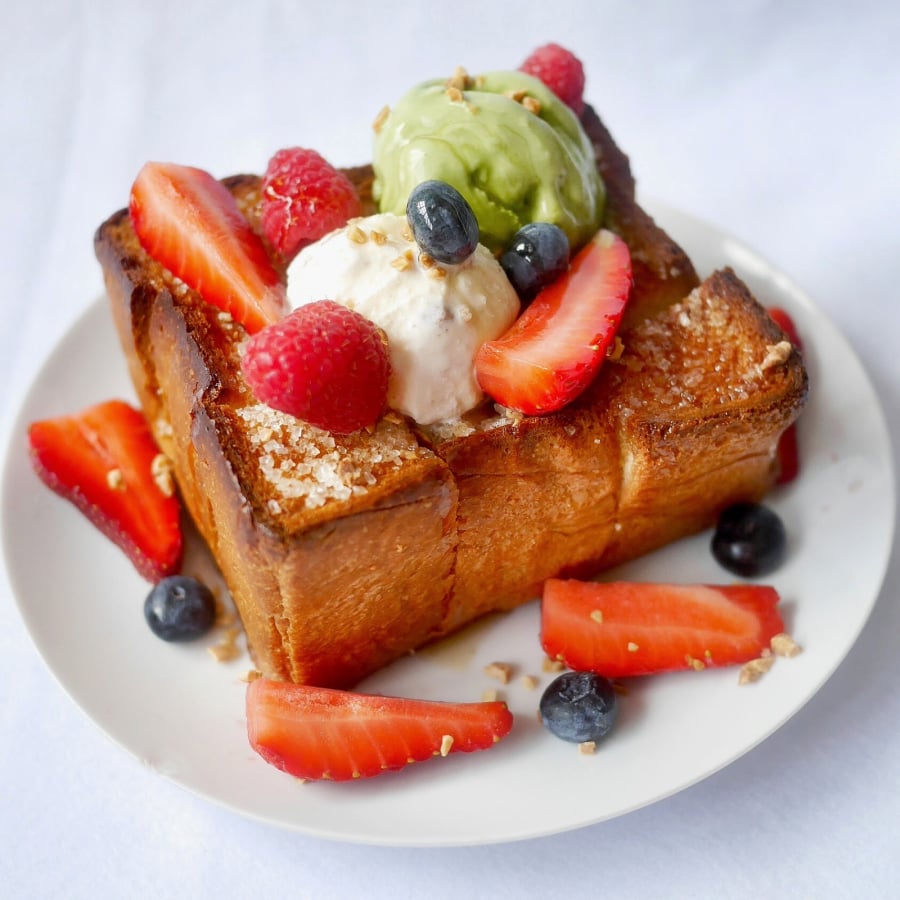
This pastry originated in Shibuya, a famous and bustling shopping district in Japan. It's a soft-textured bread toasted with butter and maple syrup or honey, served with fruit and ice cream. Shibuya toast is the perfect combination of the crispness of the toasted bread, the sweetness of the syrup, and the coolness of the ice cream.
Dango
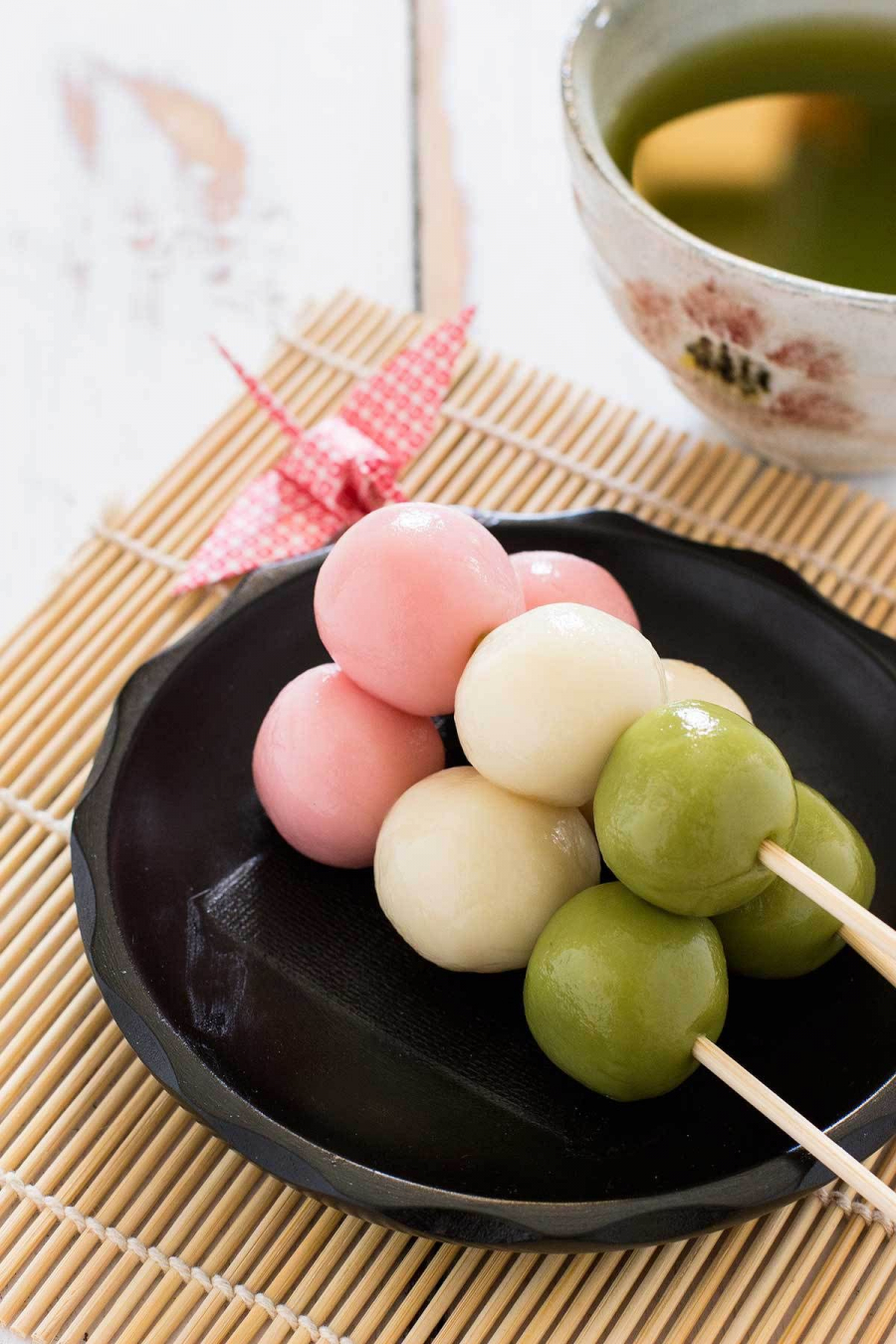
Dango is a traditional Japanese dessert with a distinctive flavor. It's a rice dumpling skewered on a stick and comes in various colors (pink, white, green, etc.). The shapes vary depending on regional customs, such as round, rectangular, or flat, but the most common is round. Dango is a simple, popular Japanese food enjoyed year-round with green tea.
Melon bread
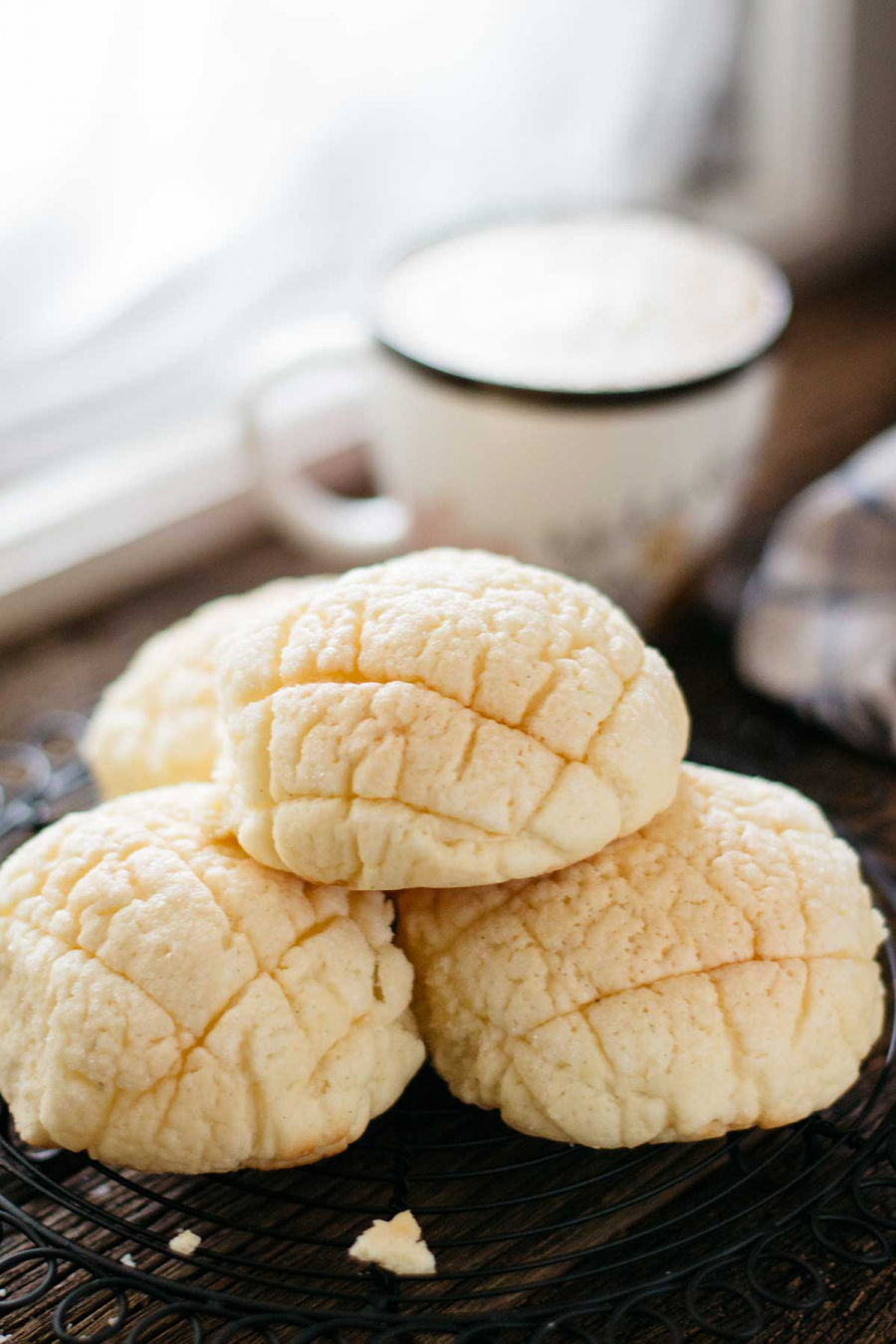
Melon bread originates from Japan, but has gradually become popular in many Asian and Latin American countries. It's a type of sweet bread shaped like a melon, with a crispy outer crust and a soft, smooth interior. Thanks to its delicious taste and affordable price, this bread can be found in almost every shop in Japan, and has even been featured in movies and anime.

Fish-shaped cakes (Taiyaki)
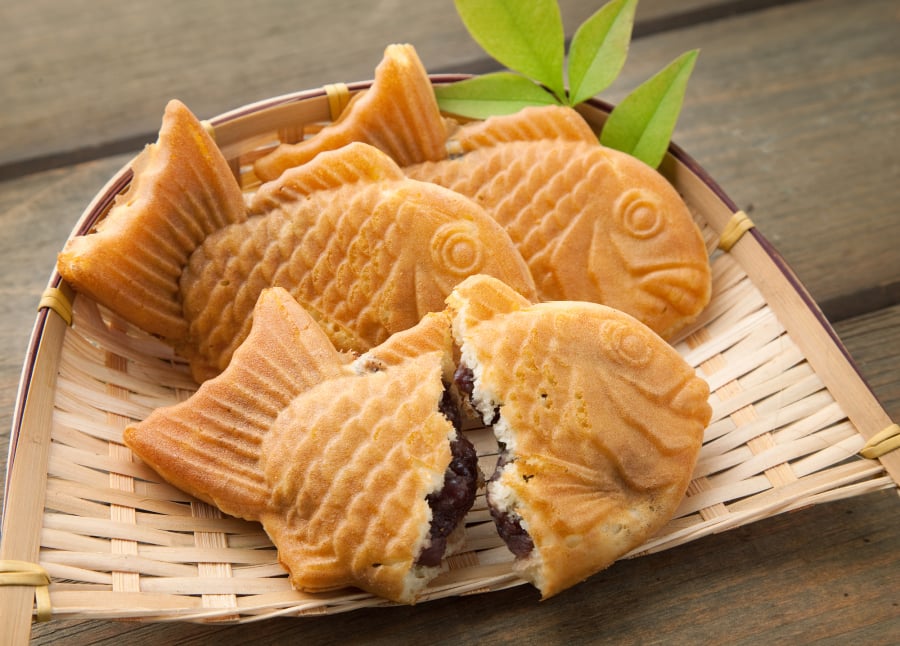
Taiyaki is a traditional Japanese baked pastry shaped like a sea bream. It's made from wheat flour and usually filled with red bean paste. However, it's also available with various fillings such as custard, chocolate, caramel, green tea, and savory options like sausage, chicken, and cheese. This pastry is sold in all convenience stores and supermarkets in Japan, and is especially popular during traditional festivals, picnics, and cherry blossom viewing.
Kakigori shaved ice
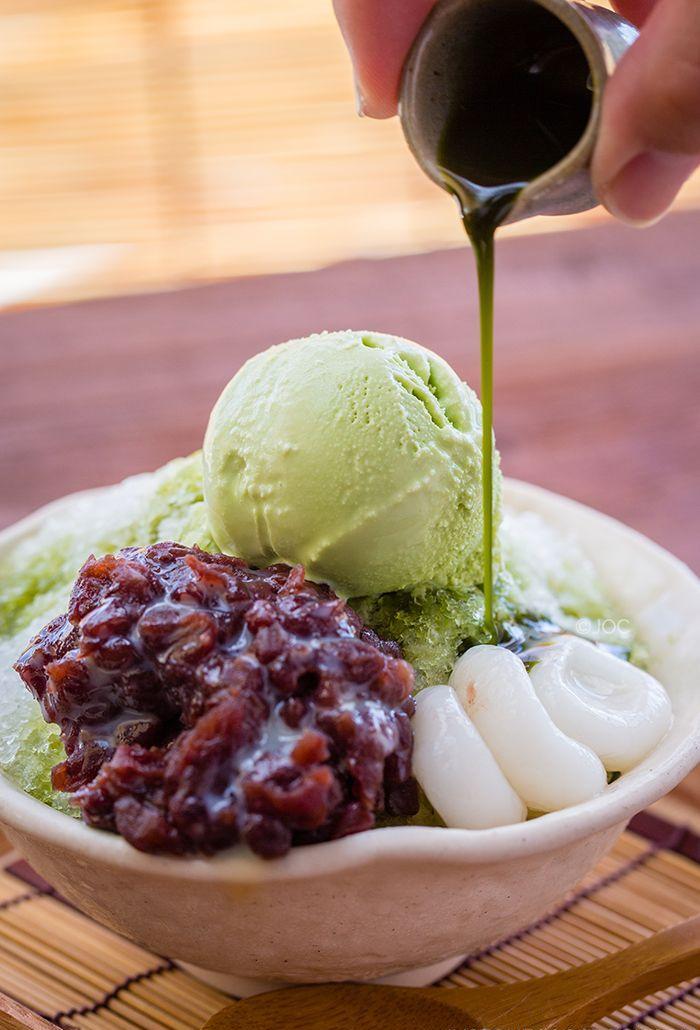
Kakigori shaved ice is a dish with a long history, with many believing it first appeared in the 11th century. It's a dessert made with shaved ice flavored with syrup and topped with fruit and whipped cream. Popular flavors include strawberry, cherry, lemon, green tea, grape, melon, and more. A unique feature is the addition of a small Japanese mochi (rice cake) drizzled with condensed milk.
Anmitsu
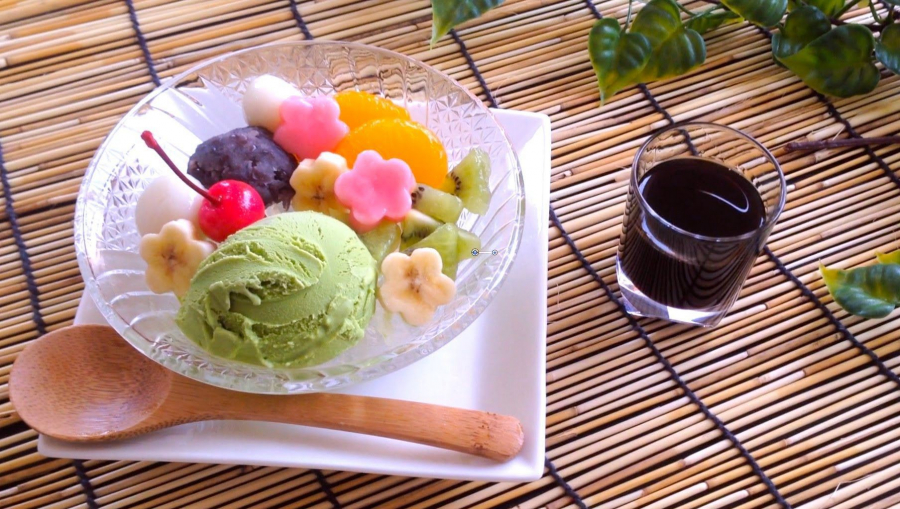
Anmitsu is a traditional Japanese dessert that is very popular during the hot summer months. A bowl of anmitsu typically consists of agar jelly, mochi (rice cake), red bean paste, vanilla or green tea ice cream, brown sugar syrup, and various chopped fruits. Anmitsu possesses a very delicate beauty thanks to the harmonious combination of colors and natural ingredients, truly reflecting Japanese style.
Kit Kat
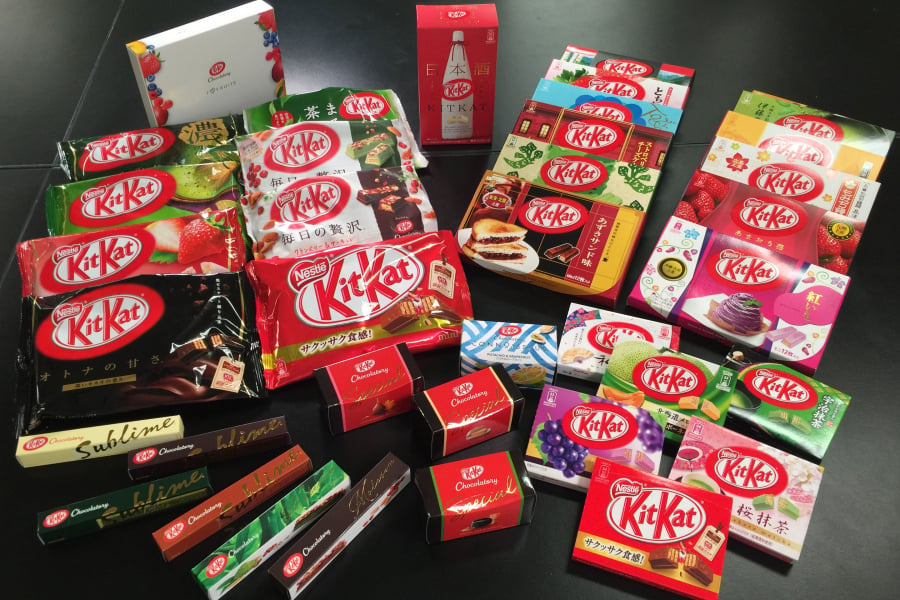
Kit Kat originated in England and was introduced to the Japanese market in 1973. Now, Kit Kat has become one of the most popular confectionery brands in Japan, and the country is currently Kit Kat's second-largest market globally, after its home country, England. Besides the original chocolate flavor, the Japanese have invented over 100 new flavors, including apple, pumpkin, strawberry, grape, pear, green tea, citrus, and soy milk.
Mochi
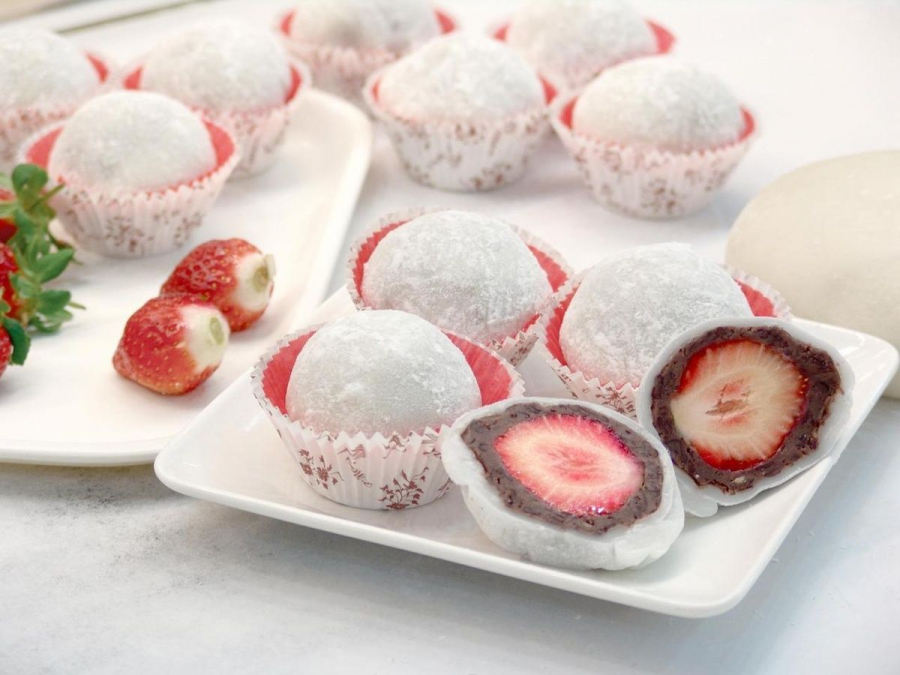
Mochi is a traditional Japanese sweet rice cake made from gluten-rich mochigome (sticky rice flour). The fillings vary widely, depending on the taste and preferences of each family. This cake is not only eaten daily but is also offered to deities and is believed to bring good luck.
Waterdrop Mochi (Mizu Shingen Mochi)
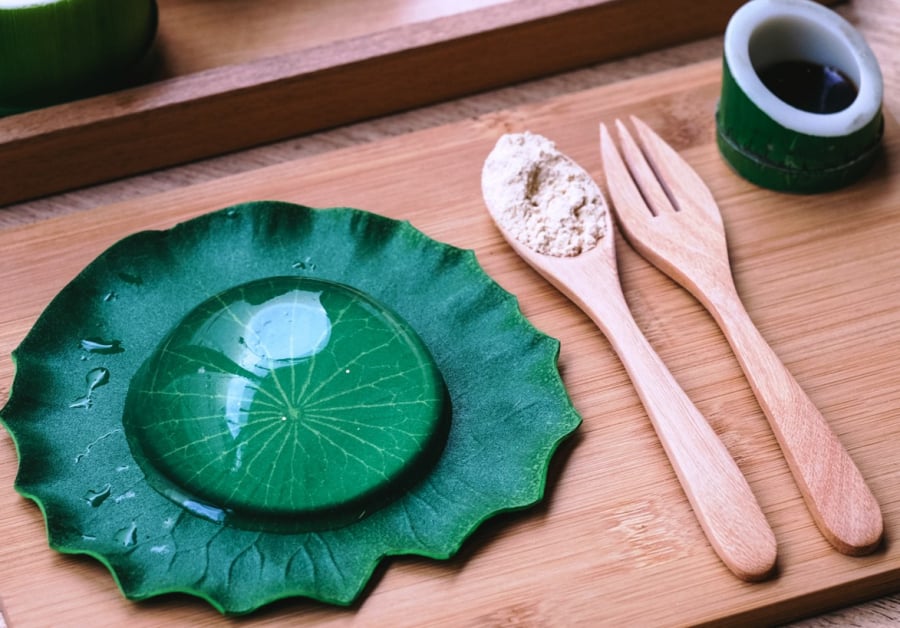
Mizu Shingen Mochi appeared in Japan in the summer of 2013 and quickly became a new culinary trend not only in Japan but also in many countries around the world, thanks to its teardrop shape and pure, transparent white color. The main ingredient of this dessert is primarily water, but not ordinary filtered water, but water from the Alps. After being brought back, it is mixed with other ingredients and poured into molds to solidify. The mochi has a subtly sweet, cool, and soft texture and is often eaten with kinaki soybean powder and brown sugar syrup.