VI
VI


In 2000, this lion species was deemed critically endangered, threatened by human attempts to hunt them and encroach upon their natural habitat. Currently, their habitat is restricted to 1,400 square kilometers in the Gir reserve, Gujarat state. The main causes of this situation are the expansion of food and industrial crop cultivation, coupled with overhunting, water pollution, and a decline in natural prey, all of which reduce their habitat.
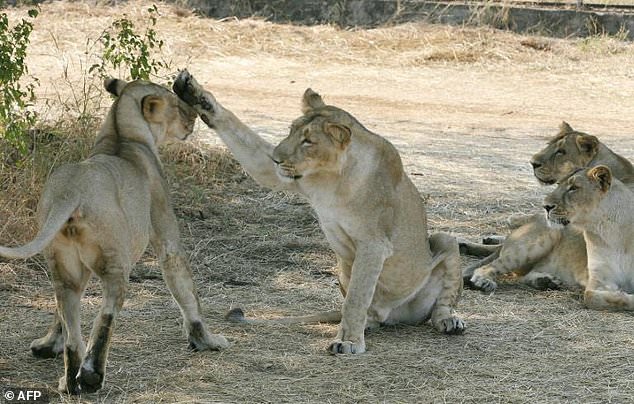
“We have made great efforts to preserve the lion population with the support of the local people. This has clearly yielded good results. According to statistics from 2015, the number of individuals in the area was 523. Currently, it has increased to over 600,” announced Vijay Rupani, the Minister of Gujarat.

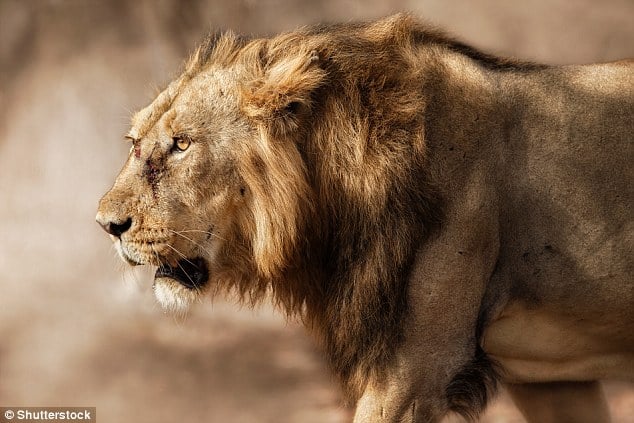
According to AP Singh, a national forest and wildlife conservationist, the lion population is currently growing by about 2% a year. Asian lions are smaller than African lions, but the ferocity of both species is comparable. In the past, they were targets of poachers. Now, they are a major tourist attraction in Gujarat.
Priyavrat Gadhvi is a member of the Gujarat Wildlife Conservation Commission. “Local people play a huge role in the conservation of the Asiatic lion in Gujarat, even though they sometimes attack their livestock. Combined with effective management and a skilled workforce, the number of individuals in the pride will likely see steady growth in the coming years. The next official census will be in 2020,” Gadhvi told the Daily Mail.
Conservationists have suggested relocating some Asiatic lions to a different reserve to reduce human-wildlife conflict and avoid the risk of them being affected by disease or natural disasters.
Ngoc Anh (According to DailyMail)