VI
VI


Vinh Long, a precious gem of the Mekong Delta, captivates visitors not only with its lush, sweet fruit orchards but also with its ancient, majestic temples boasting unique and unparalleled architecture. Vinh Long is renowned for its ancient temples, which serve not only as spiritual destinations attracting numerous Buddhists but also as repositories of invaluable cultural and historical values.

Besides the temples in Vinh Long that attract numerous Buddhists for sightseeing and worship, this land is also known for its countless brick kilns located along the picturesque Co Chien and Mang Thit rivers. The Mang Thit brick kilns are not only places that produce vibrant red bricks but also historical witnesses and symbols of a long-standing traditional craft village.
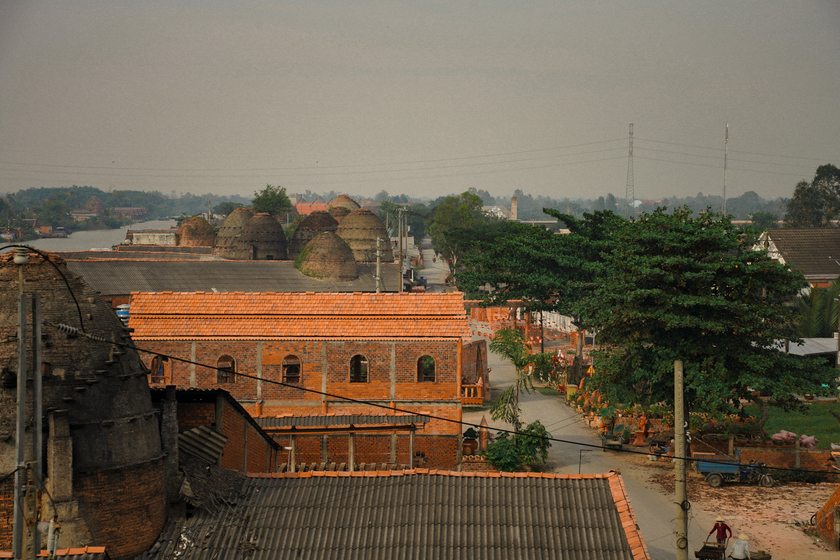
A golden age
Vinh Long province is situated between the two major rivers, Tien Giang and Hau Giang, which branch off from the main Mekong River. The intricate network of rivers and canals was formed by the appearance of islands created by alluvial deposits. For thousands of years, beneath the alluvial layers of these two rivers, rare and valuable layers of malleable clay have formed – the raw material for Vinh Long's famous red pottery products.
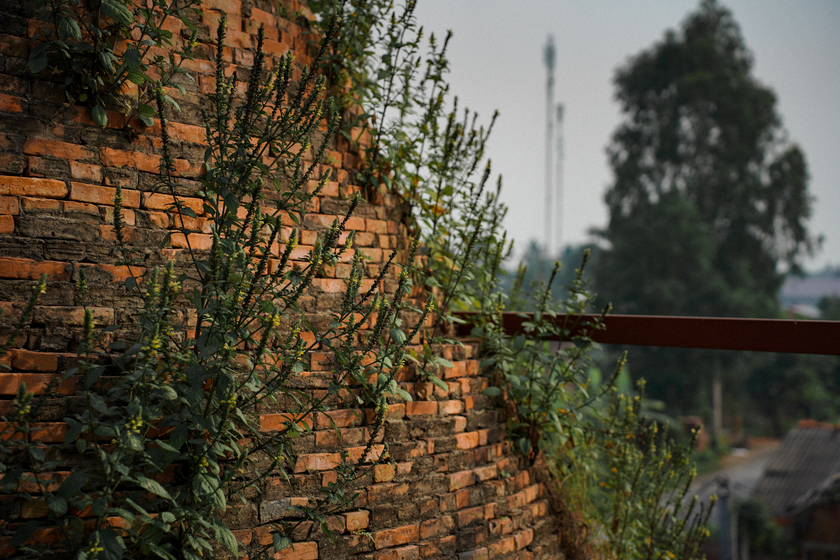
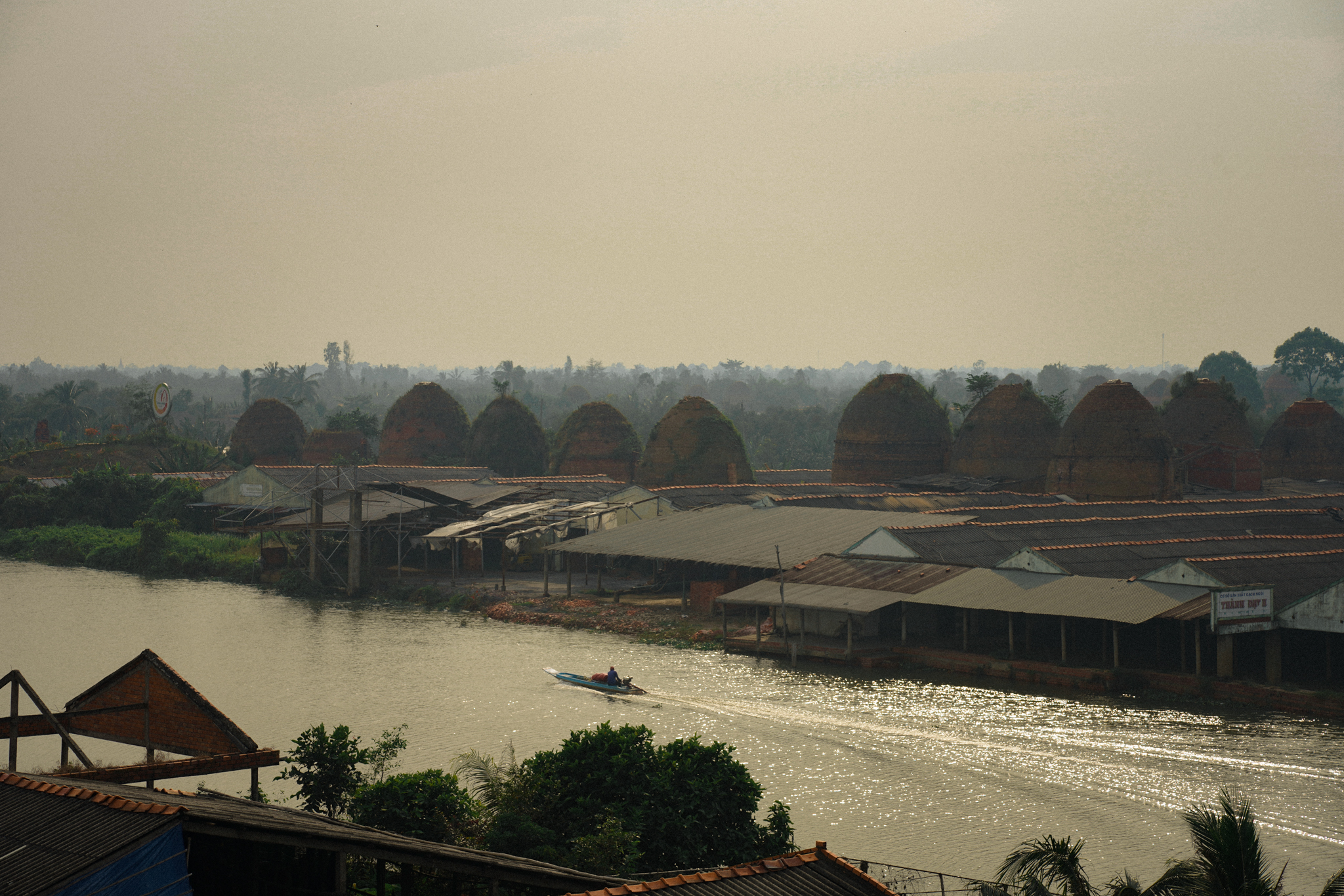
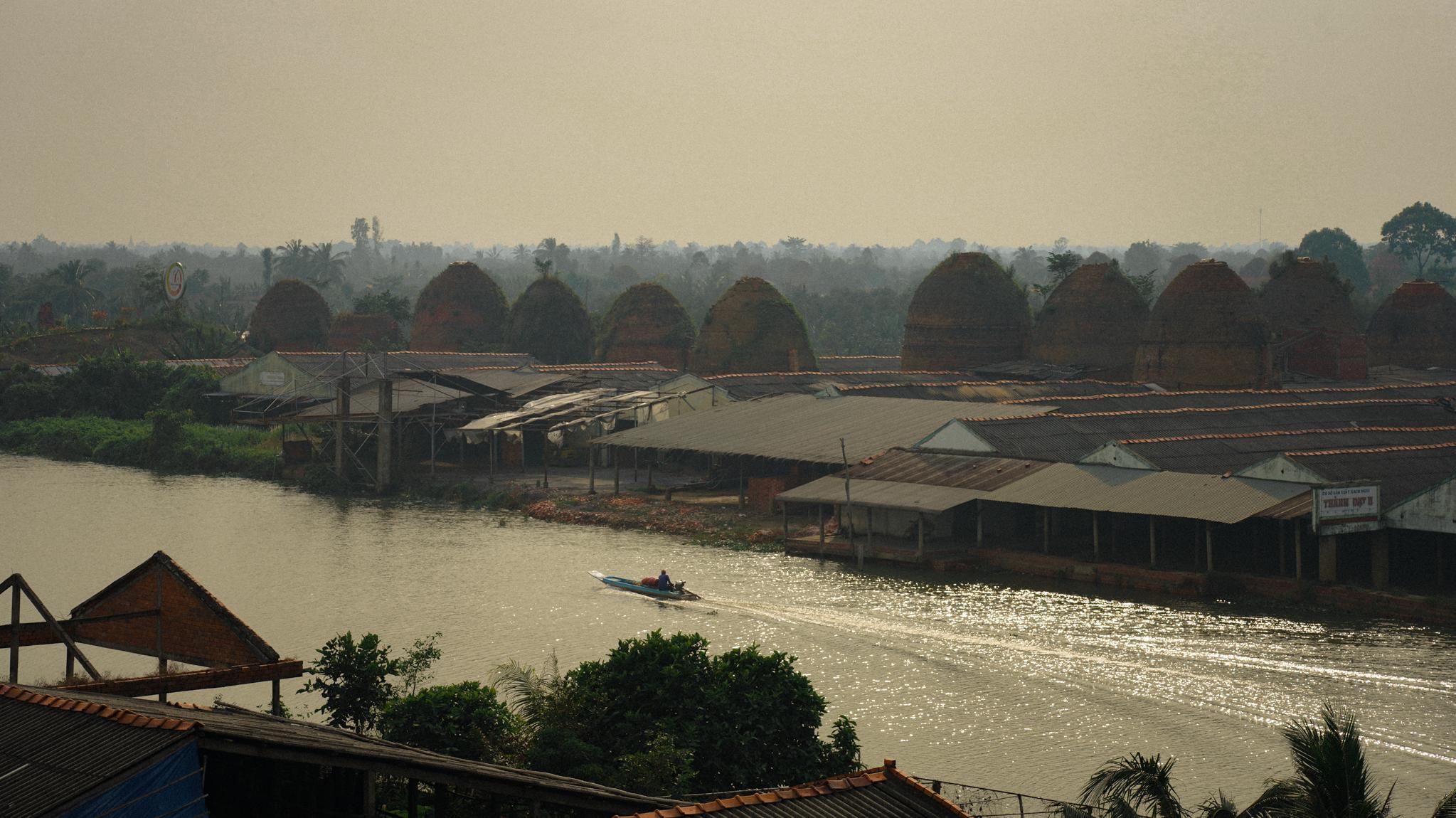
Nestled beside the picturesque Co Chien River, the Mang Thit brick kiln (Vinh Long province) stands out with its striking red color amidst the waterways of the Mekong Delta.
Among the brick-making villages in the Mekong Delta, the area along the Co Chien River in Vinh Long province has the longest history. Brick kilns in Vinh Long province stretch for over 30km, situated alongside the clear, picturesque Co Chien River. These kilns are located in two districts: Long Ho and Mang Thit. The highest concentration of households involved in brick production is in Nhon Phu and My An communes in Mang Thit district, Vinh Long province.
The Mang Thít brick kilns in Vĩnh Long have existed and grown alongside the Cổ Chiến River for over 100 years. Therefore, these kilns are extremely famous and the largest in the Mekong Delta. Furthermore, the products of this pottery village are allowed to be exported to many developed countries around the world. Local people, who have lived in this area for hundreds of years, affectionately call the Mang Thít brick kilns in Vĩnh Long the "kingdom of bricks and tiles".
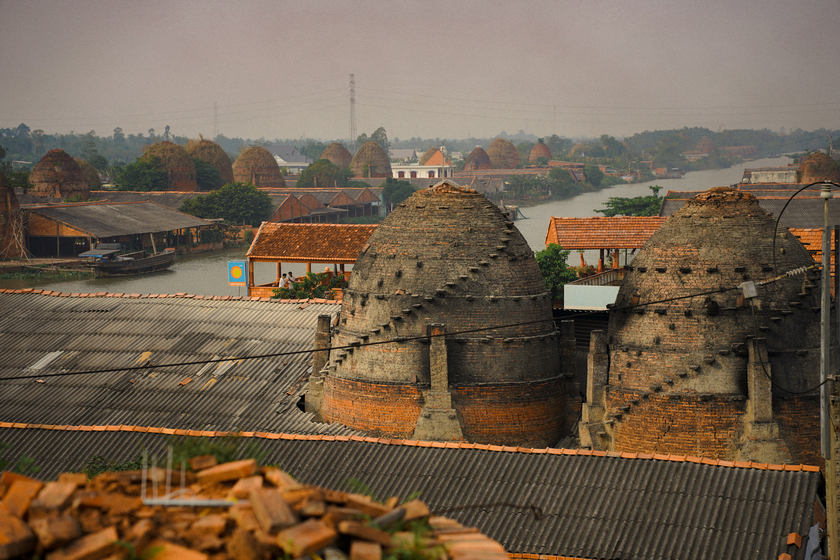
"The Red Kingdom" in the Mekong Delta
The Mang Thít brick kilns in Vĩnh Long are remembered for their image of reddish-brown kiln roofs and rows of bricks stained with the passage of time along the Cổ Chiên River for hundreds of years. Visiting the Mang Thít pottery village, tourists can witness firsthand all the stages of making artistic pottery products, such as selecting clay, kneading the clay, molding, sun-drying, stacking in the kiln, and firing. According to the elders here, in the past, when the traditional handcrafted brickmaking industry flourished, each household owned several kilns. These kilns, clustered together, looked from afar like a "red kingdom" with hundreds of small castles.
Brickmaking has been a traditional craft here since ancient times. With its fertile land and abundant alluvial deposits from the Mekong River, valuable clay deposits have been formed over many years. From these deposits, the people of Vinh Long have skillfully molded and transformed the clay into unique bricks and ceramic products.

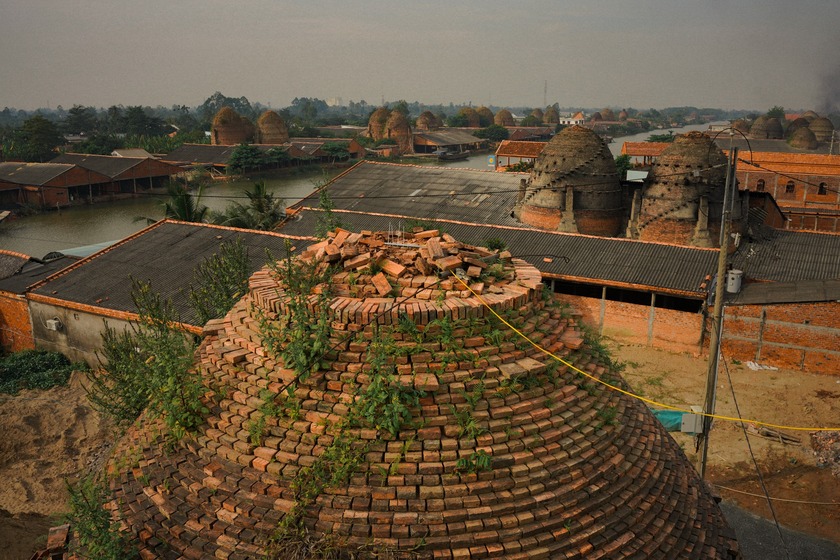
Each kiln roof and row of bricks blends seamlessly with the characteristic natural scenery of the river, making this a unique check-in spot.
The pottery craft in Vinh Long has a unique characteristic: unglazed pottery. The raw material is rice husk, a familiar product of the rice-growing region. In addition, due to the alum-containing properties of this special red clay, Vinh Long red pottery often has white veins formed by the alum after firing.
The brick kilns in Mang Thít, Vĩnh Long, resemble those in other parts of the Mekong Delta. Their architecture is like an "orange mushroom." At the top is a large opening, like a skylight, with chimneys on either side. The kilns are also constructed from bricks, with hundreds of thousands stacked on top of each other.
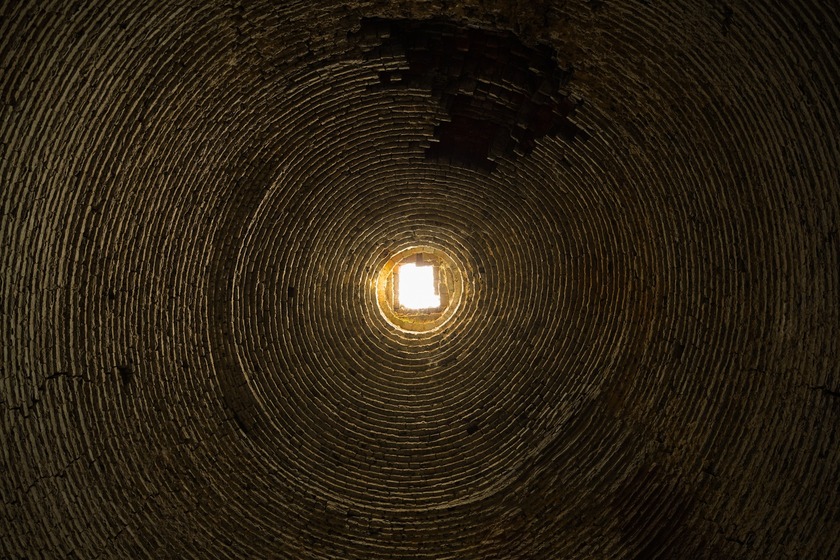
This place is also famous for its unique architecture.
To visit the brick kilns, from the center of Vinh Long city, visitors can take a boat down the Co Chien River for about 8km. Alternatively, visitors can combine land and water transport to reach the Mang Thit brick kilns. From the center of Vinh Long city, take the Muoi Bon Thang Chin road, pass the intersection at Dinh Khao ferry, then follow DT902 road for about 8km. Upon reaching the Kenh Thay Cai bridge, board a boat to visit the pottery village.
Along with the Co Chien River, the old, smoke-stained brick kilns have silently weathered countless ups and downs, so anyone who comes here can feel its timeless beauty. The Mang Thit brick kilns in Vinh Long possess an ancient and unique charm. The image of the bricks lying silently amidst the peaceful and tranquil scenery of the kilns makes the place even more captivating and serene than ever before. In the late afternoons, the scene of the Mang Thit brick kilns in Vinh Long becomes even more enchanting and impressive.
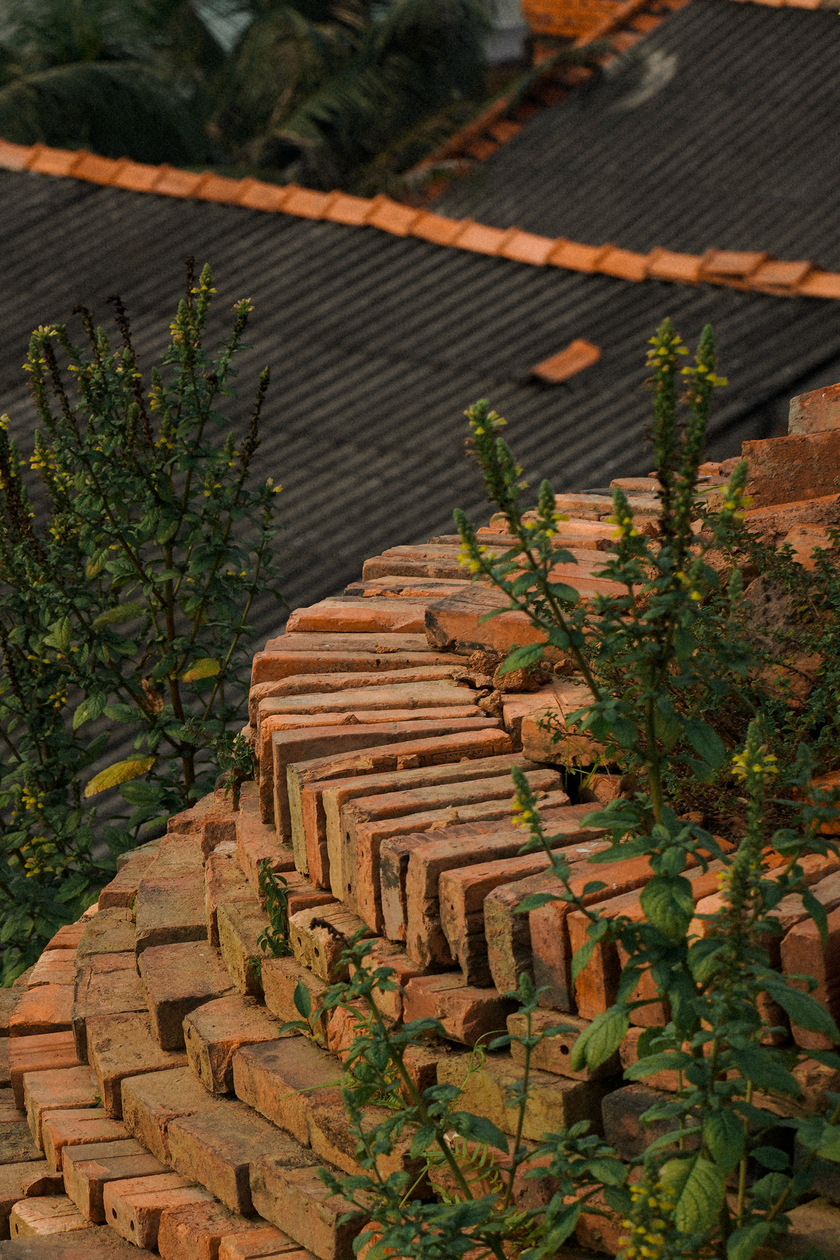
It's no longer just a story of bricks, but a story of an entire golden age.
Mang Thít brick kilns in Vĩnh Long are home to many valuable ancient primary clay deposits. All these primary clay deposits are located within traditional red brick-making villages along both banks of the river. This is the most important raw material for making decorative or construction products such as red bricks, fired pottery, etc. From the experienced hands of skilled craftsmen, thousands of valuable works have been created, providing people with many useful applications.
Preserving the "red kingdom"
According to local accounts, the traditional handcrafted brick-making industry in Vinh Long once flourished and flourished to such an extent that every family living along the river owned a kiln. That's why the Mang Thit brick-making village in Vinh Long still preserves many traditional values. Each brick kiln is considered a symbol of time, imbued with many memories.
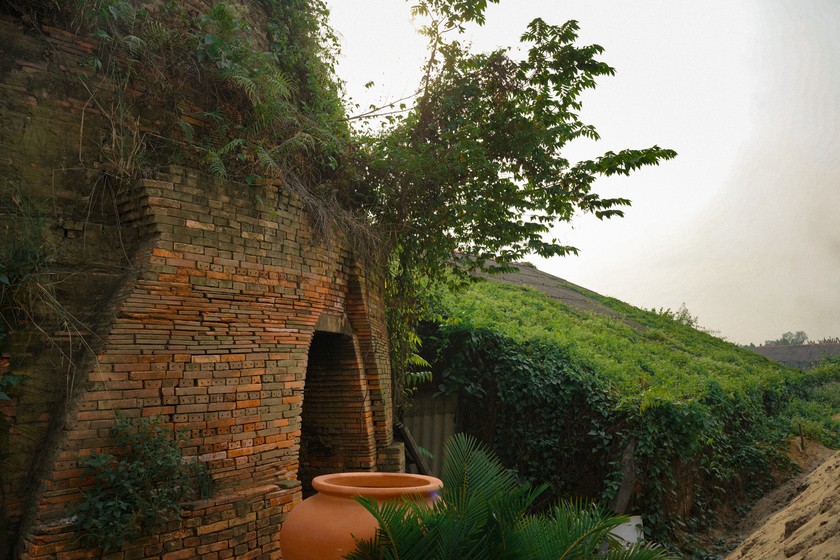
Local authorities are striving to transform Mang Thít, the "red kingdom," into a unique contemporary heritage site of international stature, an attractive destination with top-quality services in all three aspects.
In particular, the red bricks here are not simply building materials but also works of art. Through the skillful hands of artisans, these bricks are transformed into masterpieces in a variety of forms. From simple red bricks, artisans have created many unique decorative products that reflect rich traditional culture.
Mang Thít pottery village has its own unique characteristic: unglazed pottery. Unlike the deep red of bricks and tiles, Mang Thít pottery has a natural pink color, which, after firing, has a faint white powdery sheen on the surface like dew. Not only impressive for its pottery color, Co Chien village in Vinh Long also boasts a unique architectural structure, almost one of a kind in Vietnam: the pottery houses. Although no longer as prosperous as before, some Mang Thít families still maintain production and preserve the traditional craft. According to statistics from the Department of Culture, Sports and Tourism of Vinh Long province, out of a total of 1,424 brick kilns, 877 still retain their original architecture.
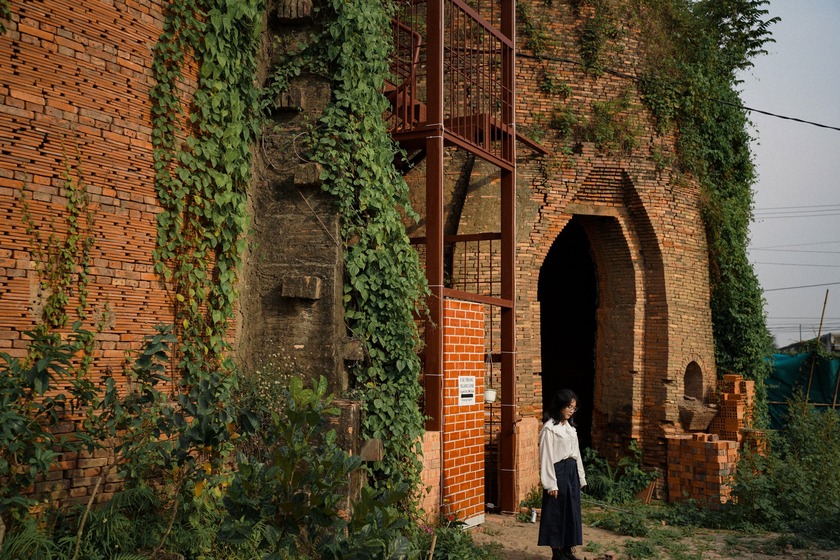
The kilns here burn brightly day and night, producing beautiful, unique, and high-quality products.
A brick kiln is typically about 12 meters high. It takes 5 days to load and unload the bricks, 15 days to fire them, and 10 days to build the kiln door and wait for the bricks to cool. The bricks are fired using rice husks, with a very careful process of checking and monitoring the fire to ensure they are perfectly fired. After about a month of firing, approximately 120,000 standard bricks are produced. In the past, before transportation was developed, bricks were transported throughout Southern Vietnam by river.
Despite the many challenges in developing and maintaining the traditional red pottery village of Mang Thít, Vĩnh Long, the kilns here continue to burn brightly day and night, producing beautiful, unique, and high-quality products. The artisans diligently continue their craft, creating cultural elements that embody the Vietnamese spirit and Eastern culture, enduring through the ages.
In addition to technological innovation in production, the Mang Thít brick-making village is being explored by Vinh Long province for tourism development under the "Mang Thít Contemporary Heritage" project, aiming to preserve the unique cultural values left by previous generations. This will help local people diversify their livelihoods, improve their living standards, contribute to the development of the tourism industry, and create momentum for socio-economic development in the locality.