VI
VI


Located right in the heart of Saigon, at the corner of Nguyen Dinh Chieu and Tran Quoc Thao streets, within the grounds of the Archdiocese of Ho Chi Minh City, this chapel is considered the oldest building in Saigon today, with a history spanning over two centuries.
Going back in history, in 1799, the house was built by King Gia Long - Nguyen Anh as a residence for Bishop Pigneau de Behaine, who was the direct tutor of Prince Canh at the time. At that time, the house was located on the right bank of the Thi Nghe canal (the area of the Saigon Zoo today).
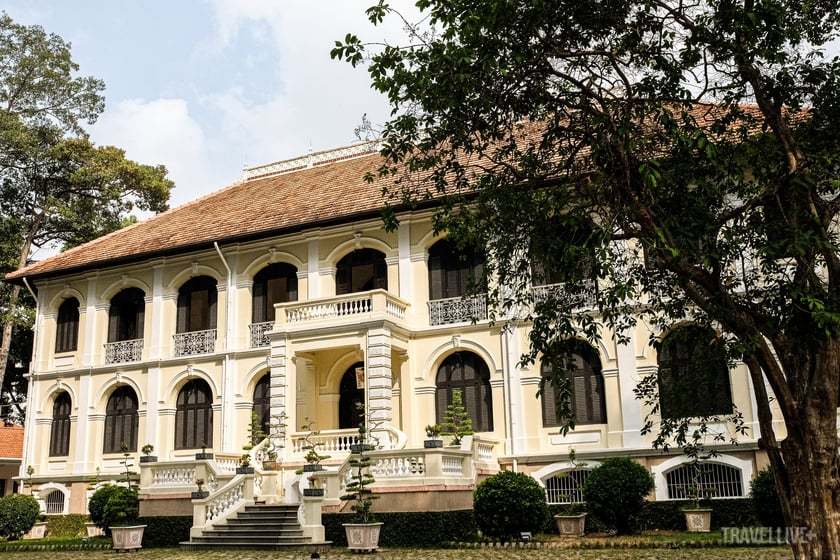
The Saigon Archbishopric is located in District 3.
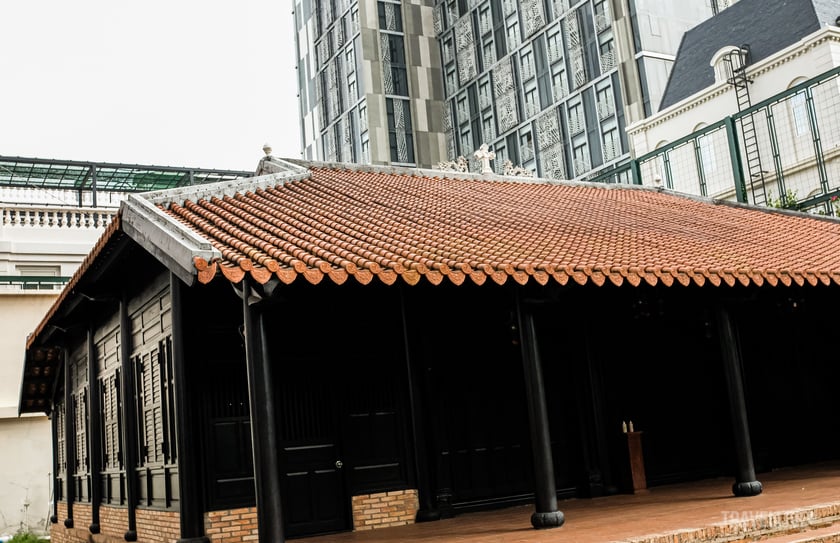
The house retains the traditional architectural style of old Vietnamese houses, consisting of three main rooms and two side wings.
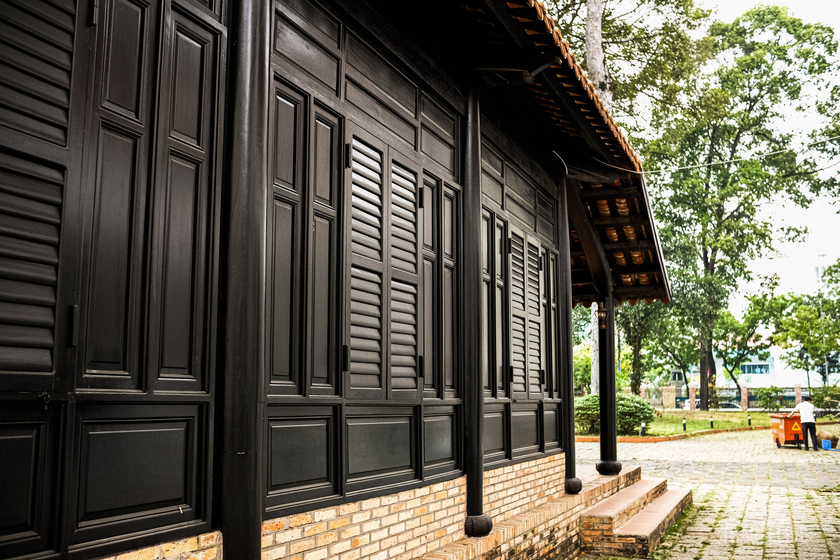
A tranquil and serene space amidst the bustling city of Saigon.
In 1864, a decision was made to build a zoo in the Thi Nghe area, so the old house was moved to the land of the missionaries (near the current Reunification Palace). In 1911, when the current Bishop's Palace was completed, the house was moved back here and has been preserved to this day.

A particularly striking feature of the chapel is the rare "two dragons flanking the cross" symbol, placed on the roof. This is a variation of the "two dragons flanking the moon" symbol, which is commonly found in Vietnamese temple and pagoda architecture. This variation is a natural consequence, as this is a structure built by Catholics. From a cultural perspective, the combination of a symbol from Vietnamese architectural culture with changes to better suit Western religious meanings enhances the beauty of this structure's fusion.
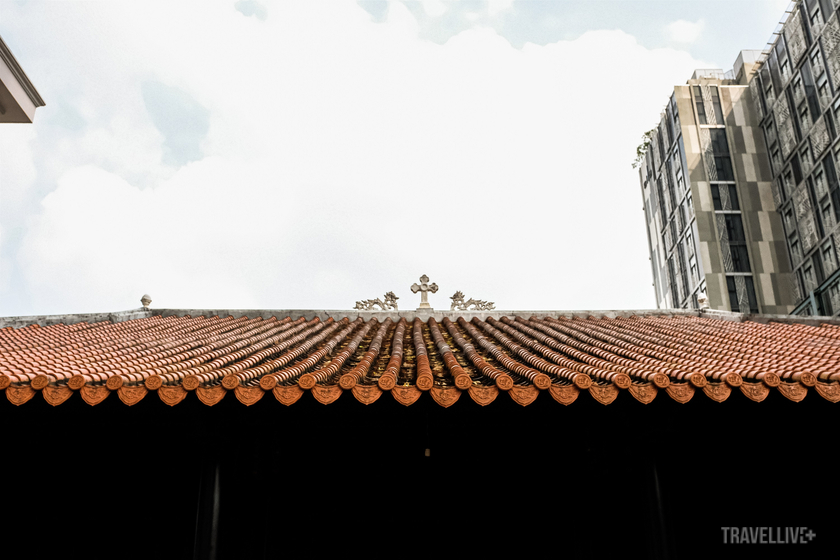
The symbol of the home.
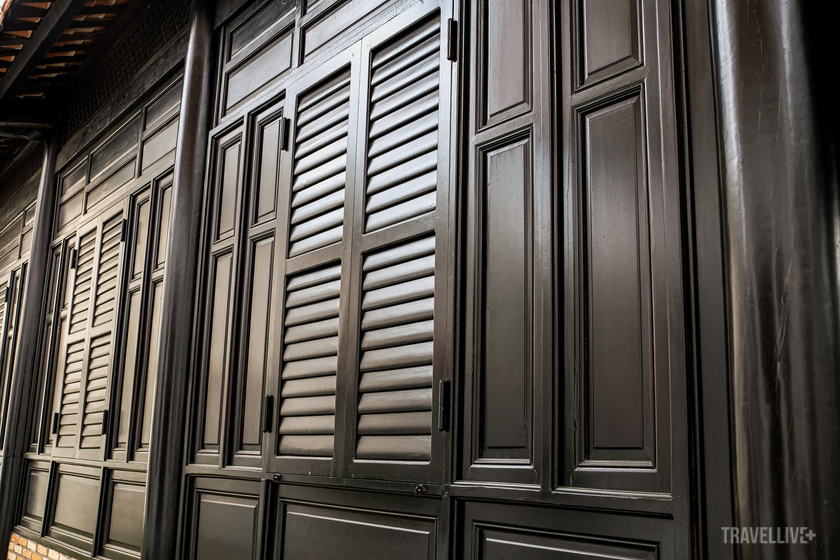
The entire house was built using precious wood.
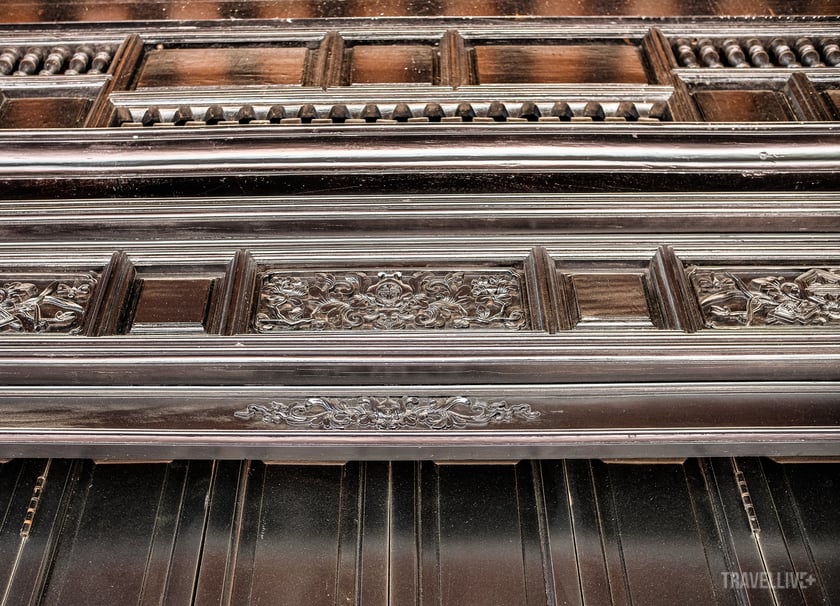
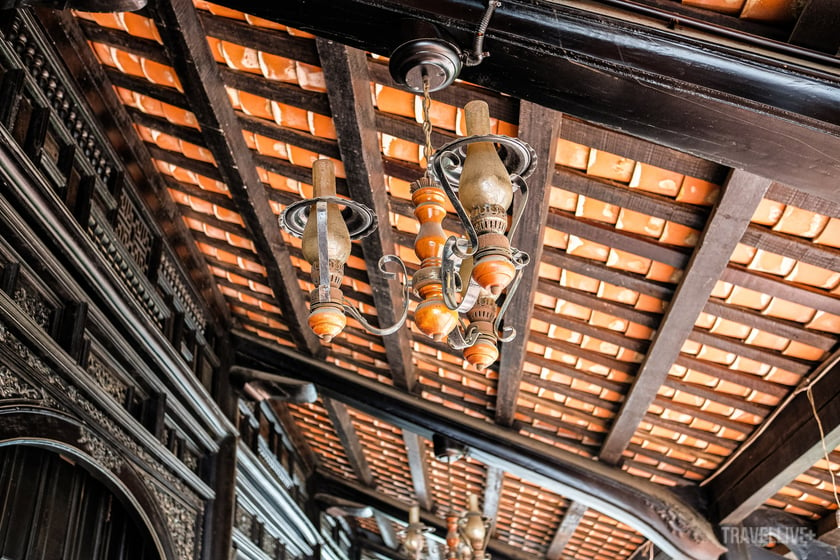
The intricate carvings on the doors and walls remain intact and have not been worn away.
Structurally, the house is made entirely of wood, with the frames tightly joined together using mortise and tenon joints without any nails.
The exquisite carvings on the doors and walls remain intact, undamaged. The meticulously crafted decorative motifs, placed right at the main entrance, create a balanced and antique feel, showcasing the unique creativity of the people of the past.
Today, the house serves as a place of worship for Christian believers on religious holidays. On Sundays and mornings, the house is open for services. Believers can come here to find peace and pray in this unique old house.
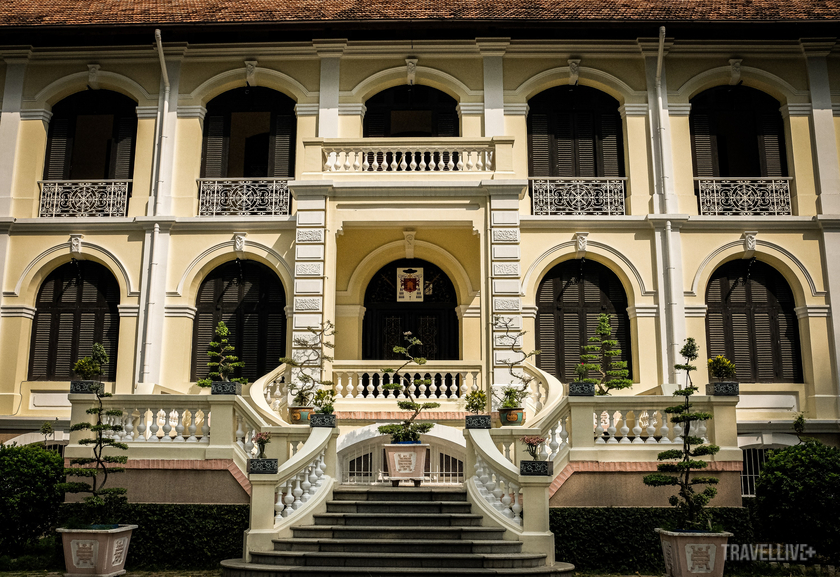
The front of the Saigon Archbishop's Palace, where this more than 200-year-old house is currently 'hidden'.
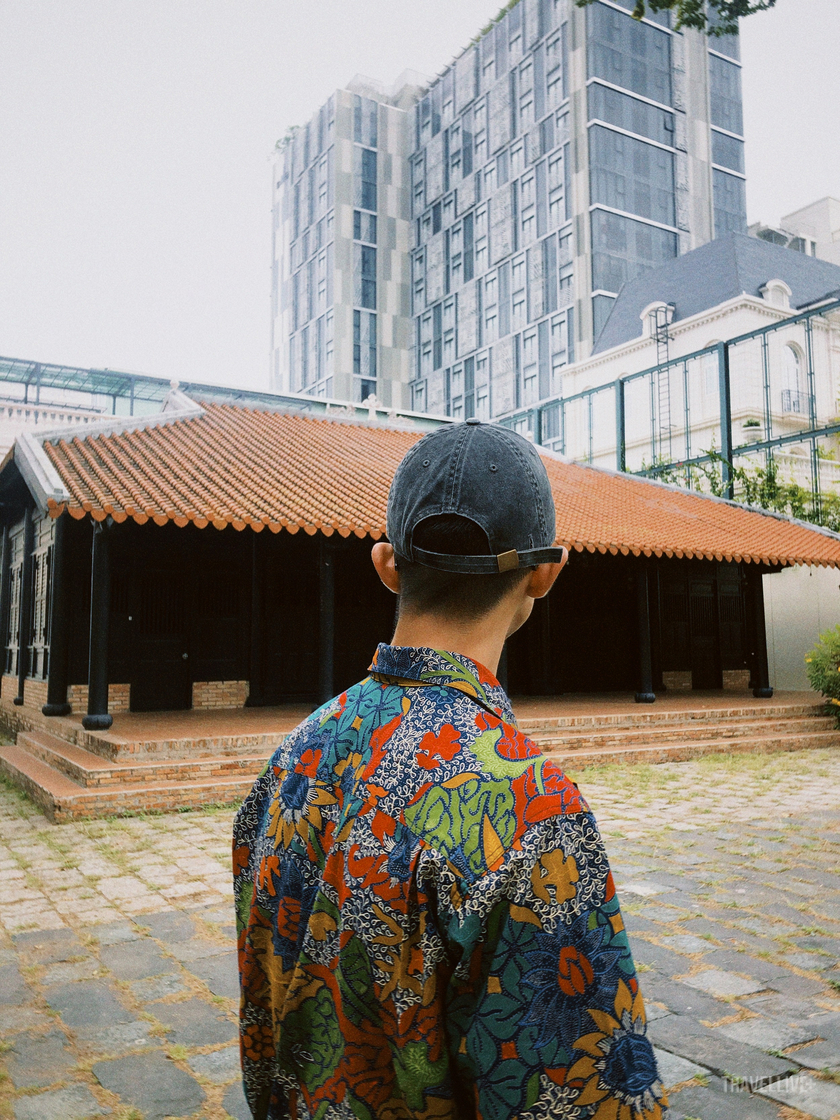
Thịnh – the author of the article – was completely captivated by the antique beauty of the house.
About the author:Thinh, a writer specializing in cultural geography, currently lives and works in Ho Chi Minh City. Thinh is a storyteller, sharing his experiences through articles, photo series, and documentaries. His stories are personal reflections and experiences from his travels across the country.