VI
VI


green adventure in Slovenia
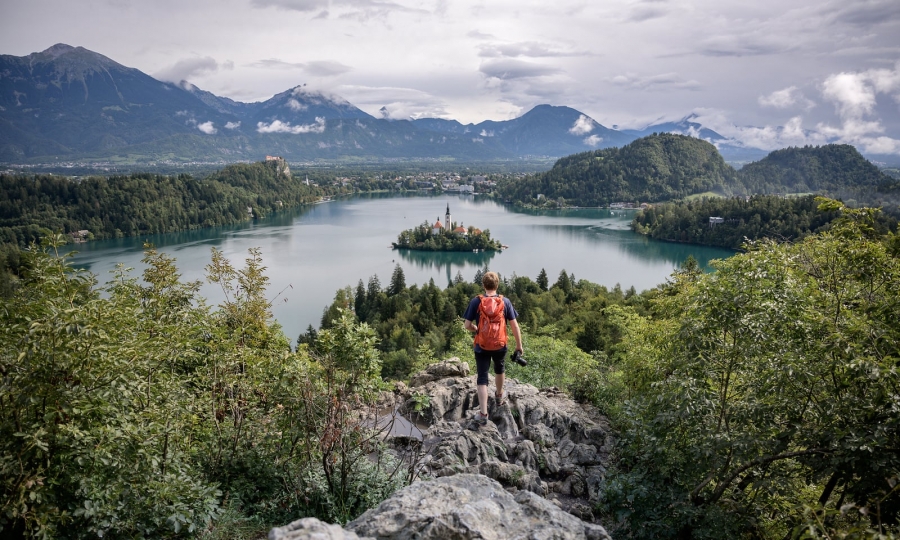
Slovenia is located in Southeast Europe and is the only country in Europe with the Alps bordering the Mediterranean Sea. It covers an area of only about 20,000 square kilometers.2However, 60% of its area is covered by forests, including more than 40 parks and reserves. This makes Slovenia an ideal location for outdoor adventures, such as at Lake Bled or Triglav National Park. And, in particular, visitors shouldn't miss the 270 km Juliana Trail that winds through the Alps.
Discover the eco-city of Gothenburg in Sweden.
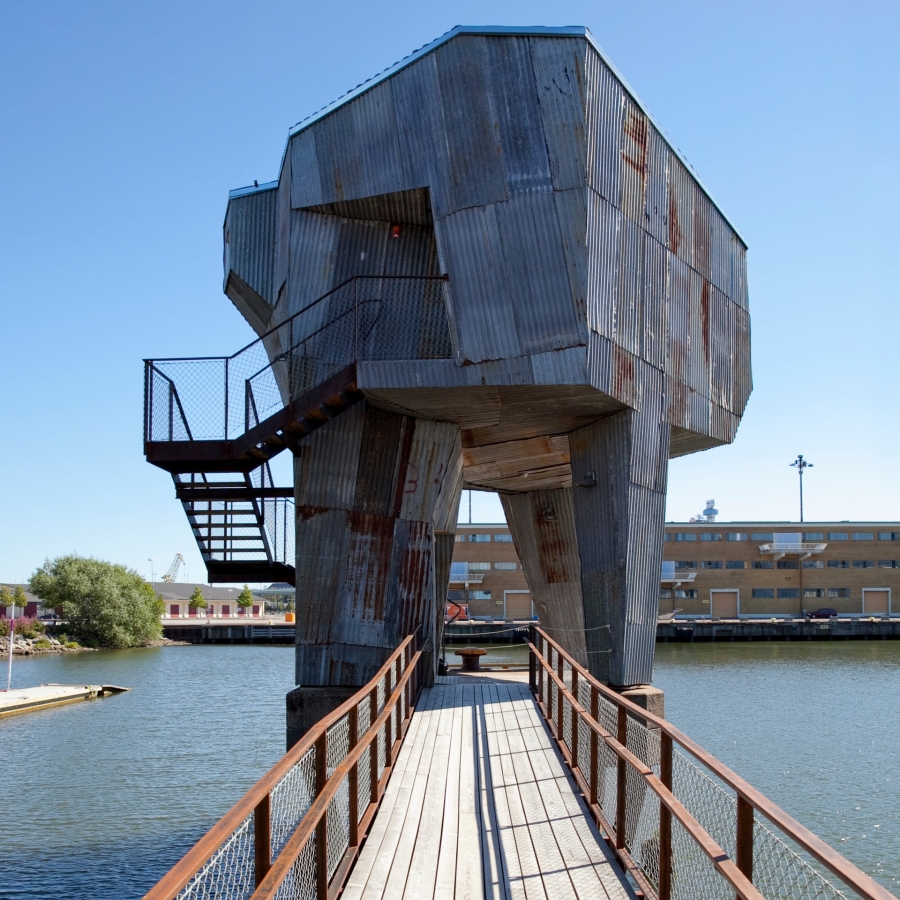
For the past three years, Sweden's second-largest industrial city has consistently topped the Global Destination Sustainability Index. This is all thanks to efforts to minimize the negative impact of human activity on the environment. All tourist attractions and 92% of hotels in Gothenburg are eco-certified, making it one of the greenest cities in the world.
Val di Vara - The Green Valley of Italy
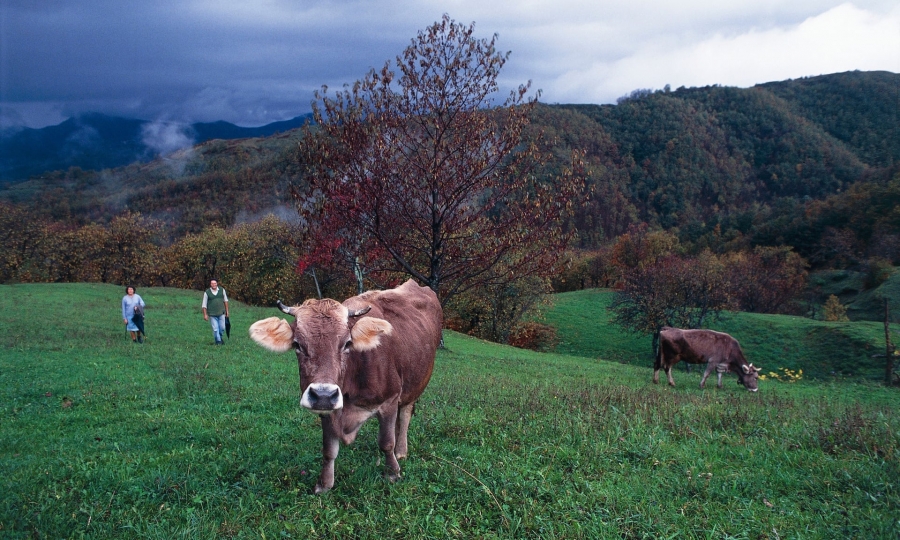
The Vara Valley is located in western Italy and covers an area of 345 square kilometers.2However, 55% of the land is being cultivated organically. Over 100 businesses are certified organic, while farmers around the San Pietro Vara area are raising Limousin cattle in a wild, unman-controlled environment to produce the right kind of cheese according to ancient recipes. Also, in recent years, many green farms have opened to visitors, offering people the opportunity to experience the local lifestyle and meals, including jams, liqueurs, olive oil, and farm-raised meats.
Experience eco-sports in Switzerland.

Switzerland has always been an ideal destination for ski enthusiasts and those who want to immerse themselves in majestic nature. The government is also implementing various measures to mitigate the impact of climate change on the country's vast snow-covered mountainous regions.
Rotterdam - The City of the Future
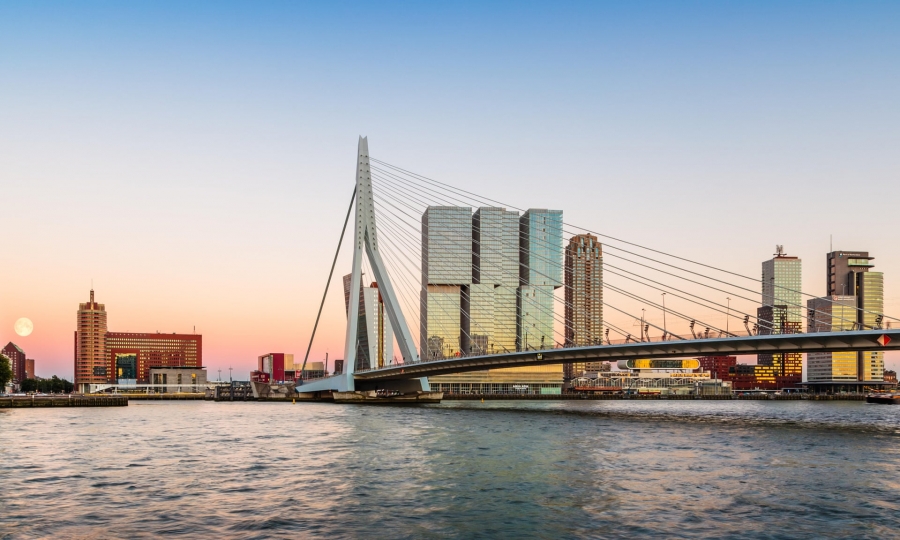
The Dutch city of Rotterdam has always been proactive in experimenting with advanced technologies to enhance its sustainable development. One such project is rainwater harvesting and finding ways to return this water to the natural environment. In particular, Rotterdam aims to be a zero-waste city. To implement this plan, the city has undertaken several pilot projects, such as raising cows using leftover hotel food; these cows produce milk for local residents, and their manure is used as fertilizer for Rotterdam's gardens.
The green island of Mernoca

This island, with its crystal-clear waters, thriving local culture, and unique cuisine, is home to a UNESCO-recognized biosphere reserve since 1993.
Menorca is one of three islands in the Balearic Islands archipelago, located off the coast of Spain, with a population of approximately 94,383. In 1993, Menorca was recognized by UNESCO as a Biosphere Reserve, boasting a rich and diverse flora and fauna, including forests, mountains, swamps, and hillsides. Menorca is renowned for its pristine beaches, coves, and coastal cliffs stretching up to 216 km, making it an ideal destination for adventure travelers and nature explorers. Since 2016, the Balearic Islands have collected a sustainable tourism tax and used it to fund local conservation initiatives such as the Underwater Atlas project, which maps seagrass beds essential for marine ecosystems to avoid disruption from boat anchorage.
Copenhagen - "a carbon-neutral city"

Copenhagen, the capital of Denmark, the "happy country," is where you can ride solar-powered boats and enjoy organic food on every street corner.
Copenhagen has long prioritized sustainable development. They are continuing to implement numerous initiatives and efforts to make the capital city the first carbon-neutral city by 2025. This includes the Copenhill plant, which processes waste into energy to supply tens of thousands of homes and businesses. The plant allows visitors to ski on its roof, while 400,000 tons of waste below are processed into energy and heat for the heating system. The plant's roof is one of the world's largest artificial ski slopes, open 365 days a year, whether it snows or not.

Vienna - a livable city
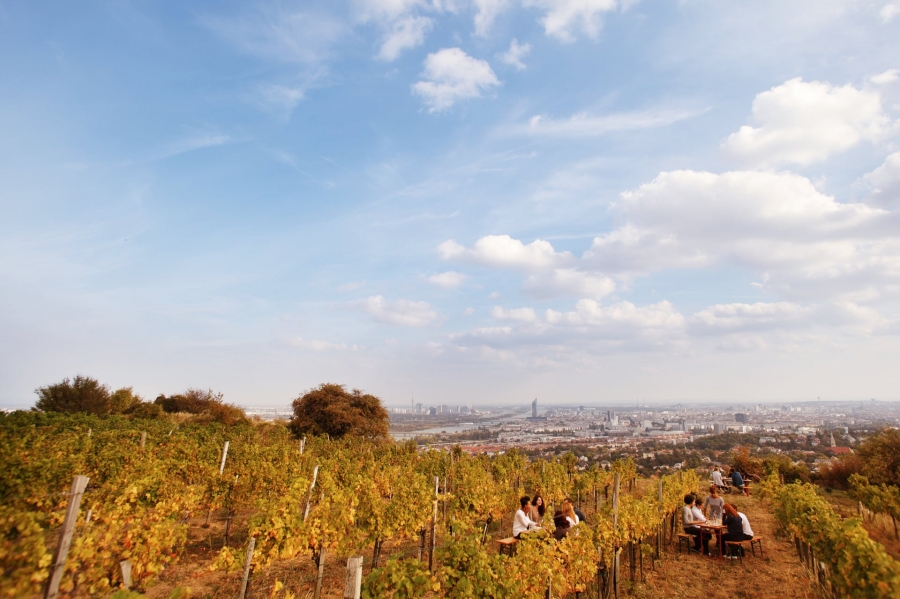
In addition to magnificent architectural landmarks like the Habsburg palaces and traditional cafes and pastry shops, Vienna is also renowned for its clean and green environment, a key factor in the EIU rankings.
Vienna topped the ranking of 140 cities worldwide in 2019, according to the Economist Intelligence Unit (EIU), a London-based economic forecasting, research, and analysis firm. Half of Vienna's urban area is covered in greenery, and it boasts a convenient public transport system. The city is also proud of its pristine drinking water from the Alps, alongside the picturesque Danube River, where residents enjoy swimming in the summer.
ROMANIA: BIODIVERSITY
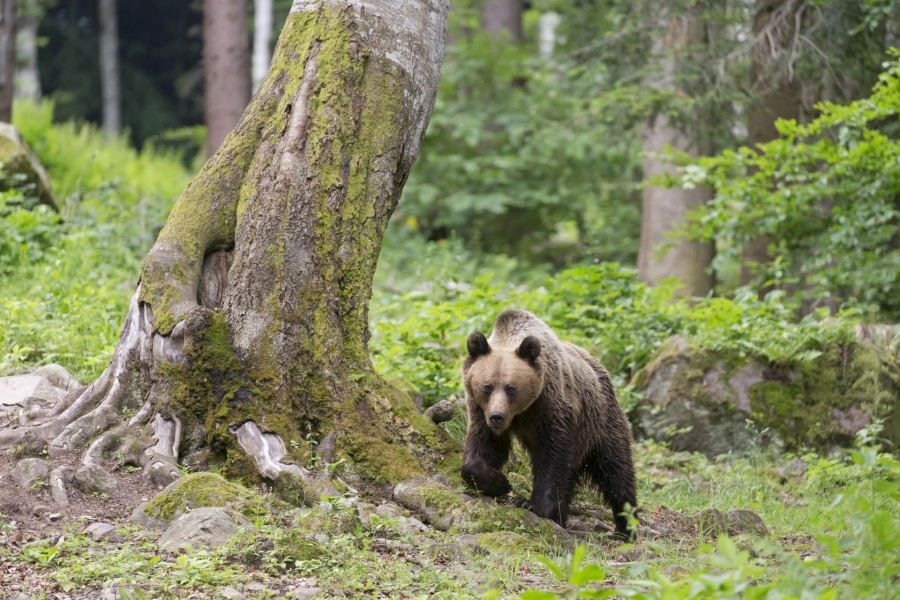
Romania is one of the best places in Europe to see large mammals in their natural habitat. The country has 7 million hectares of forest – a significant portion of which is ancient primary forest – and is home to the continent's largest brown bear population, as well as wolves and lynxes. Environmental organizations here are working to restore degraded forests and further develop the diverse ecosystem through projects such as developing bison and water buffalo populations, and curbing deforestation.
Finland - Natural Beauty and Indigenous Culture

Finland has committed to becoming a carbon-neutral country by 2035. Its capital, Helsinki, famous for its majestic green mountains and pristine white sandy beaches, is also striving to achieve this goal. With an area of approximately 213 square kilometers...2With a population of nearly 630,000 in 2017, Helsinki has a population density of less than 3 people/km².2, the highest in the country. Business activities here follow a sustainable development model, closely linked to social responsibility.
Portugal - transforming tourism into a useful tool for environmental protection.
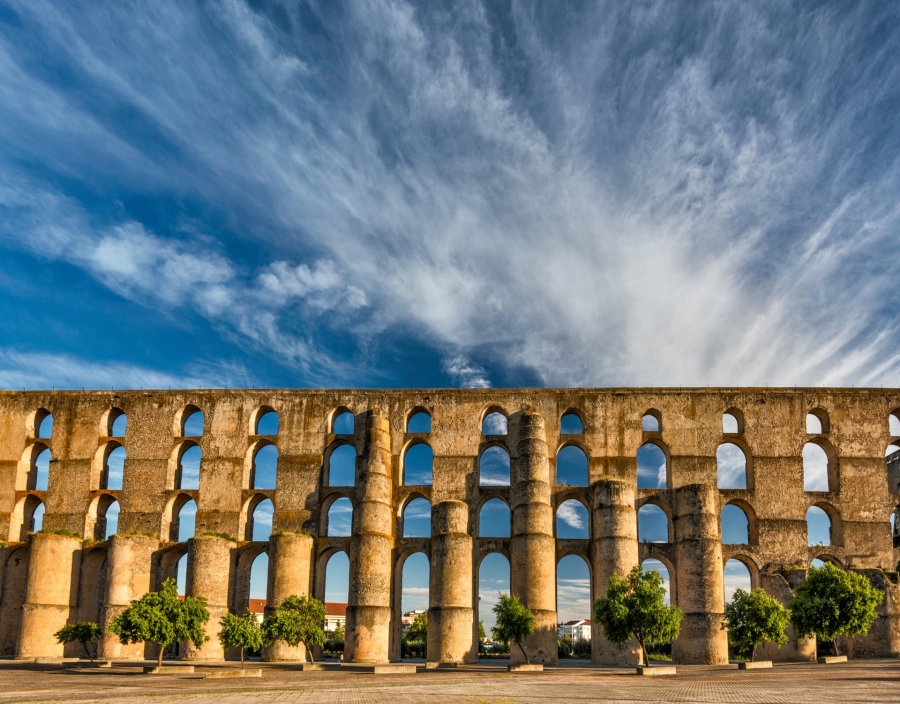
Faced with tourism overcrowding in Lisbon and Porto, the government has launched a 10-year campaign called Revive to transform lesser-known or abandoned heritage sites into new tourist destinations. This multi-million euro plan aims to create balance and sustainable development for the country's tourism industry. Specifically, by 2027, 90% of tourism businesses in Portugal will be required to comply with regulations on water management, waste disposal, and environmentally friendly energy use, with the help of government funding.
Davagh observatory in northern Ireland
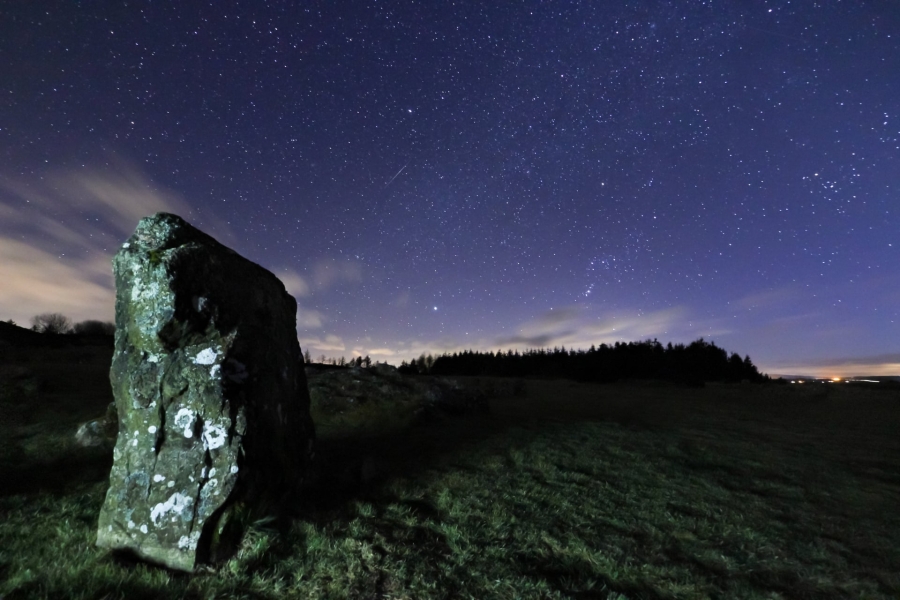
In April 2020, Northern Ireland's first night sky observatory will open in Davagh Forest, offering visitors the chance to experience the night sky without the effects of light pollution. Those wishing to enjoy the night sky for longer can utilize accommodation options that allow for comfortable stargazing from the comfort of their own beds.
Isle of Wight - the green of the future
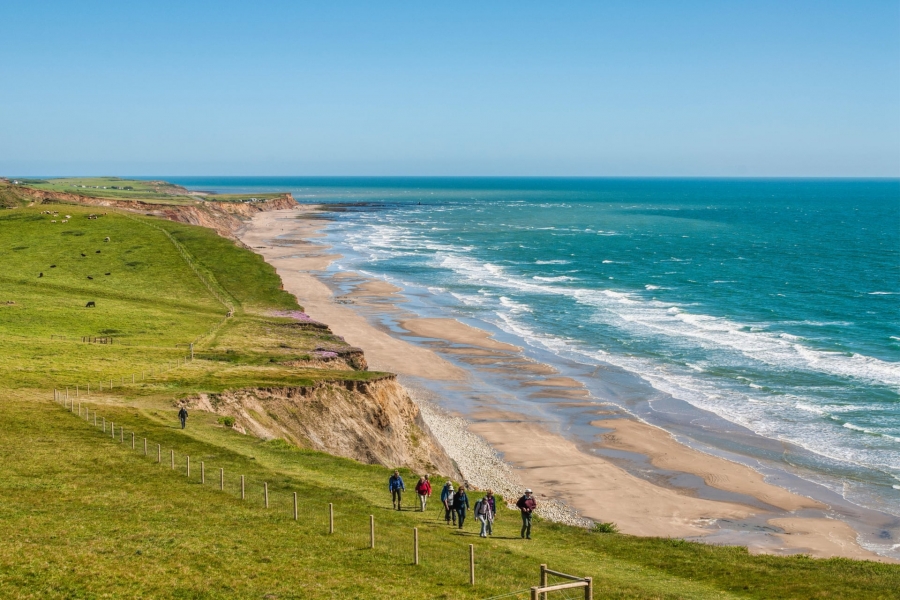
The Isle of Wight captivates visitors with its long, stunning coastlines, over 800 km of walking trails, and historic buildings like Osborne House. Although visible from the mainland, this small, diamond-shaped island often feels isolated from the rest of the world – partly due to its unique relationship with nature. In 1963, half of the island was designated as an area of outstanding natural beauty, and in 2013, dedicated wildlife trails were created. Last June, the Isle of Wight officially became the UK's seventh UNESCO Biosphere Reserve.
Fukushima - The City of Rebirth
Tohoku
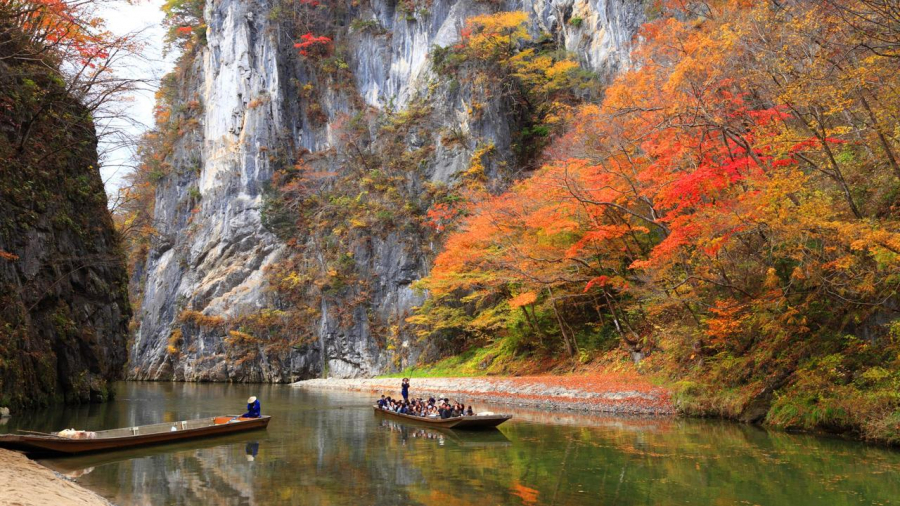
The 1964 Tokyo Olympic Games became a symbol of Japan's economic rebirth after World War II. This time, the Tokyo 2020 Olympic organizers are hoping the event will be an opportunity to revitalize the Tohoku region, devastated by the 2011 earthquake and tsunami, opening up a lesser-known part of the country to tourists. Specifically, the Tokyo 2020 Olympic events will include destinations in Fukushima to help participants connect with the history of the samurai groups of the past, as well as have the chance to admire the outstanding natural landscapes of the area.
Montana - a large nature reserve
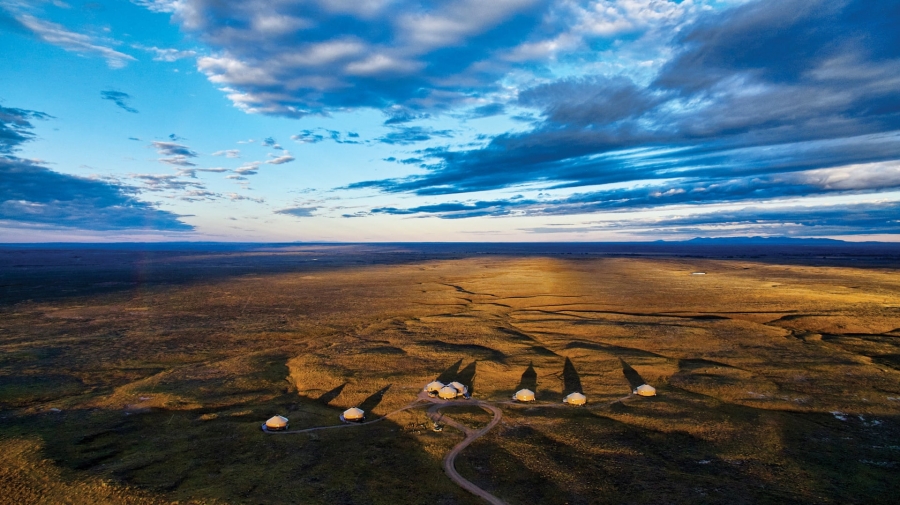
Under the Montana sky, visitors can wake up to a landscape that has remained virtually unchanged for centuries and will be preserved for generations to come.
Tens of millions of bison once thrived on the vast plains of North America, but by the late 1800s, they had nearly disappeared. However, on the high plains of northeastern Montana, these free-roaming animals are making a comeback. This herd conservation effort is just one of many wildlife projects run by the American Grassland Preserve (APR), a non-profit organization dedicated to preserving vast wilderness areas and creating ecosystems where wildlife, large and small, can roam freely.
Vancouver - the city of green
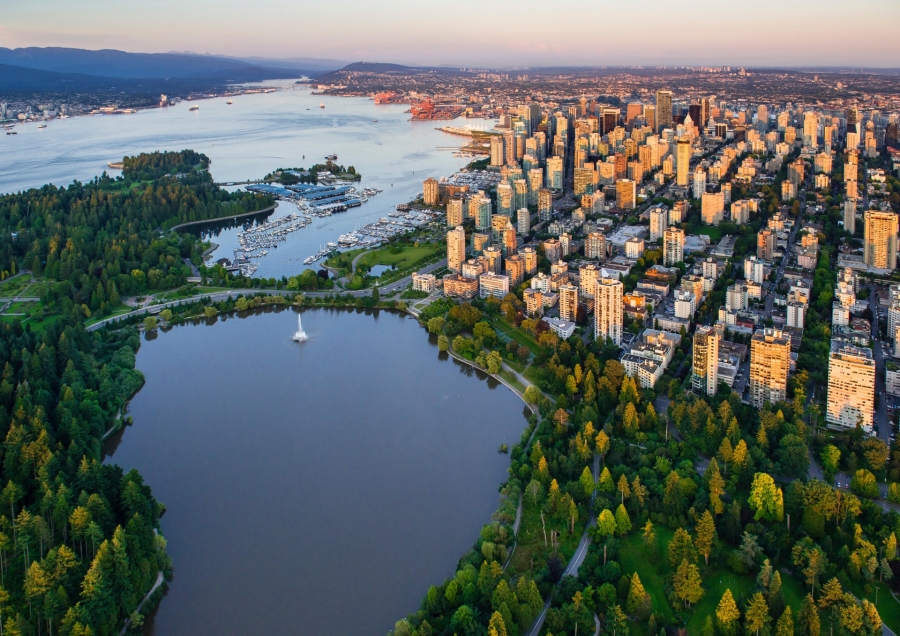
Vancouver
Vancouver has been considered one of the world's greenest cities for many years thanks to its well-planned green spaces. Visitors will find numerous places to connect with nature within the city, such as parks, bike trails, and walking paths through the woods. And in fact, the city continues its "green" efforts by significantly reducing carbon emissions through a project to plant 122,000 new trees since 2010 and future projects involving electric aircraft.
Sri Lanka - Recovering from Terrorist Attacks
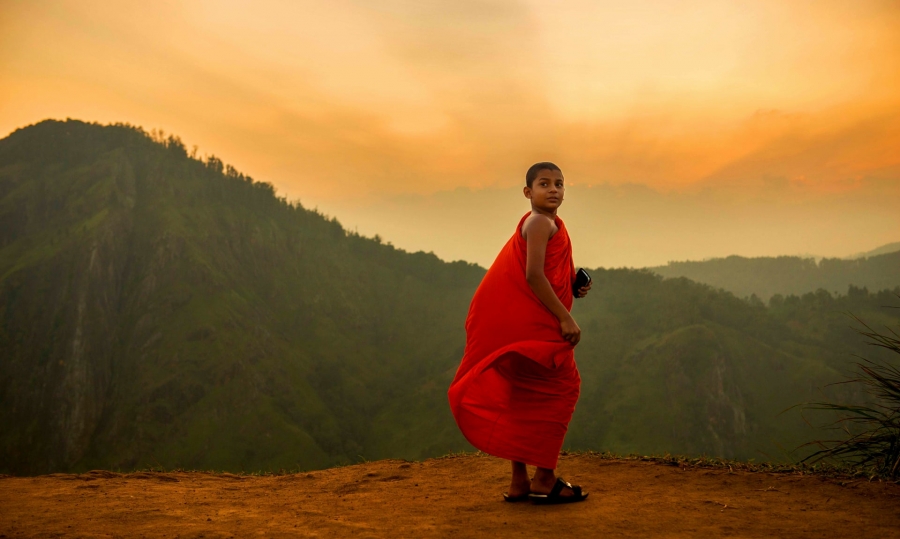
Sri Lanka is recovering strongly from the terrorist attacks of 2019. Having weathered the crisis, the government is striving to restore its tourism potential through sustainable development plans. These include renewable energy projects, mangrove reforestation, wildlife ecosystem expansion, and programs for plastic waste collection and recycling.
Patagonia - "the land at the ends of the earth"
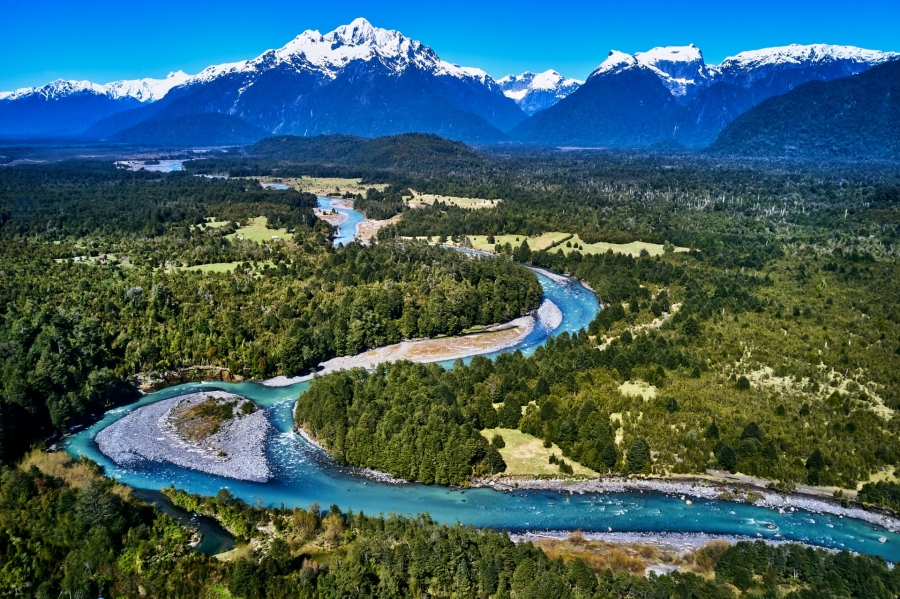
Located in southern Chile, Patagonia is a little-known tourist paradise with some of the most beautiful and enchanting forests, bays, caves, glaciers, and hot springs on Earth. Considered the "end of the world," this land lies just over 1,000 km from the South Pole, surrounded by legends, solitude, peace, and mystery.






.jpg.jpg)


.jpg.jpg)