VI
VI


Chinese films are not only visually stunning works of art, but also invisible bridges connecting the world of cinema with the real world. Each frame is meticulously crafted, each shot carefully selected, contributing to dreamlike films that touch the hearts of viewers. And miraculously, the locations featured in these films, from ancient cities and peaceful villages to majestic mountain ranges, have become famous, attracting millions of tourists to visit and explore.
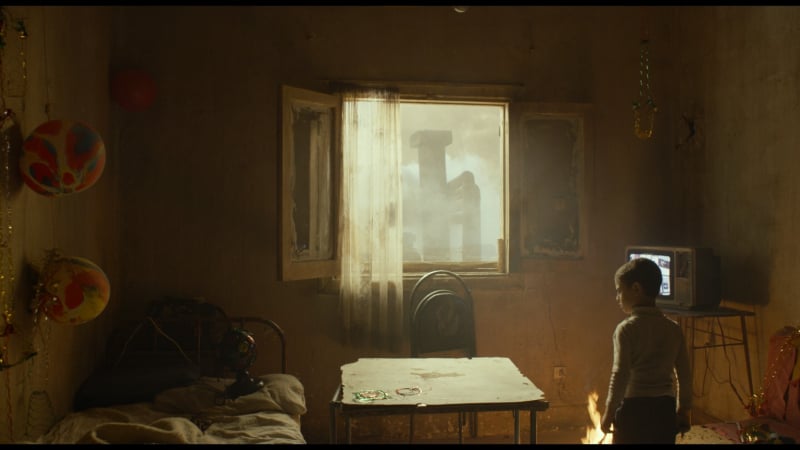
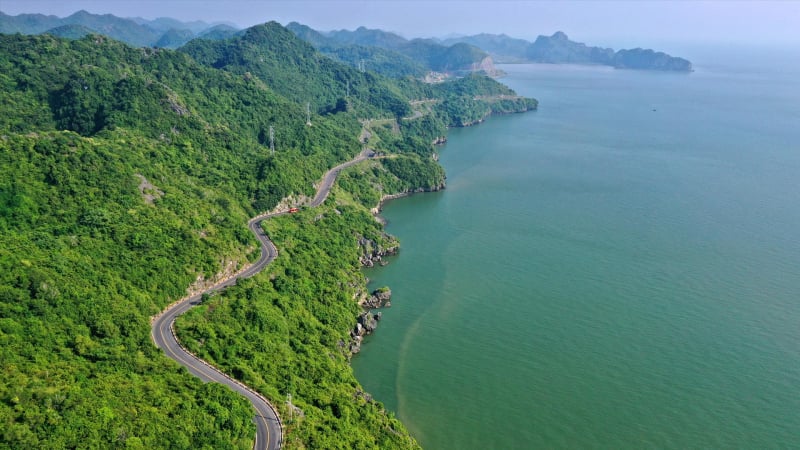
The power of Chinese cinema lies not only in romantic love stories, spectacular martial arts sequences, or thrilling plots, but also in its ability to transform ordinary places into attractive tourist destinations. Each successful film is an effective tourism promotion campaign, turning lesser-known locations into hotspots on the tourism map.
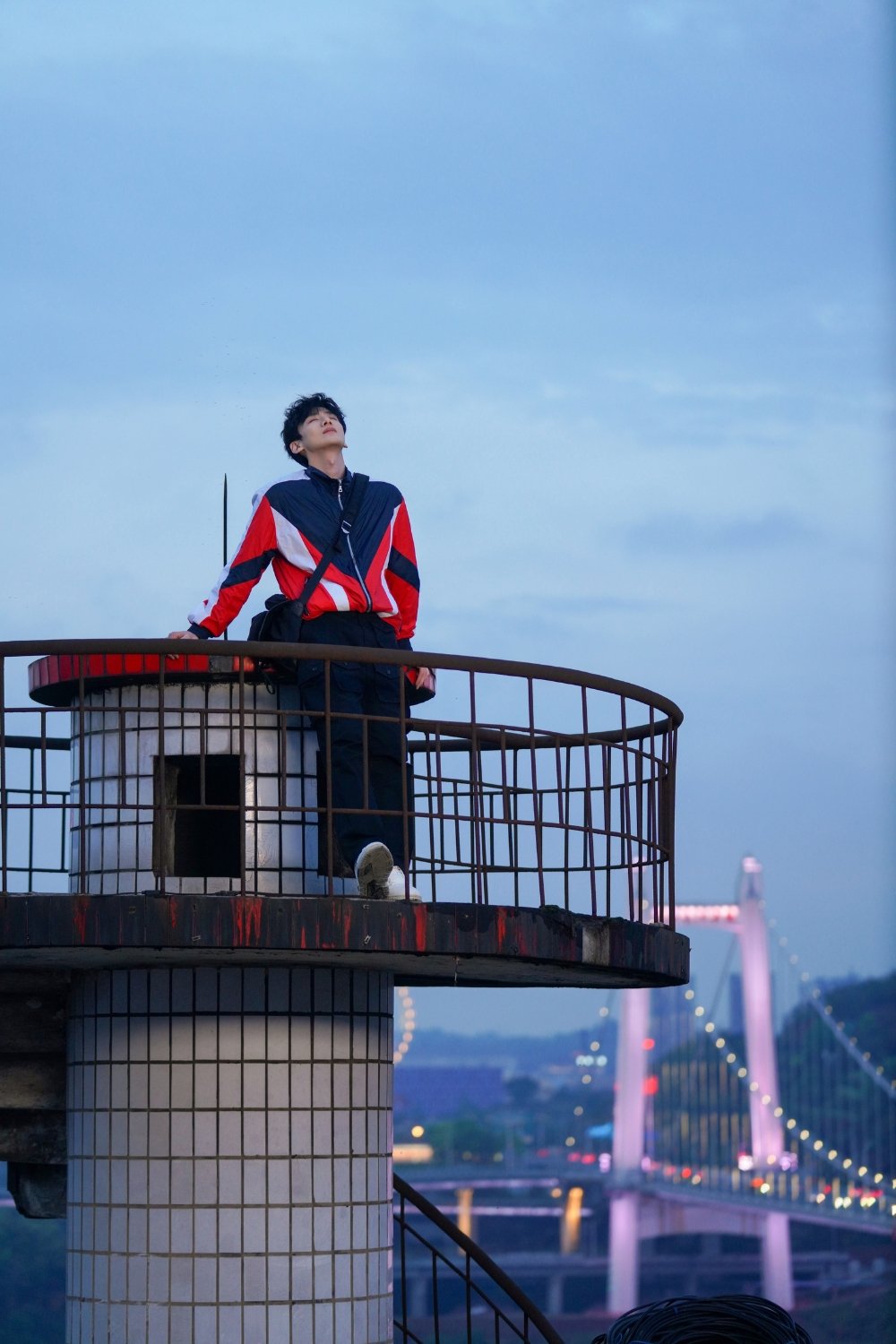
People are flocking to Chongqing to check in, like in the movie "Hard to Win Over".
The Chinese urban romance drama "Hard to Win Over," starring two talented young actors, Bai Jingting (as Tang Yan) and Zhang Ruonan (as Wen Yifan), has created a sensation not only on major Chinese online platforms but also internationally.
Not only does the film captivate audiences with its sweet and romantic love story, but it also makes a strong impression with the stunning beauty of the two main actors, along with the sophisticated cinematography and carefully chosen settings, creating dreamlike scenes.
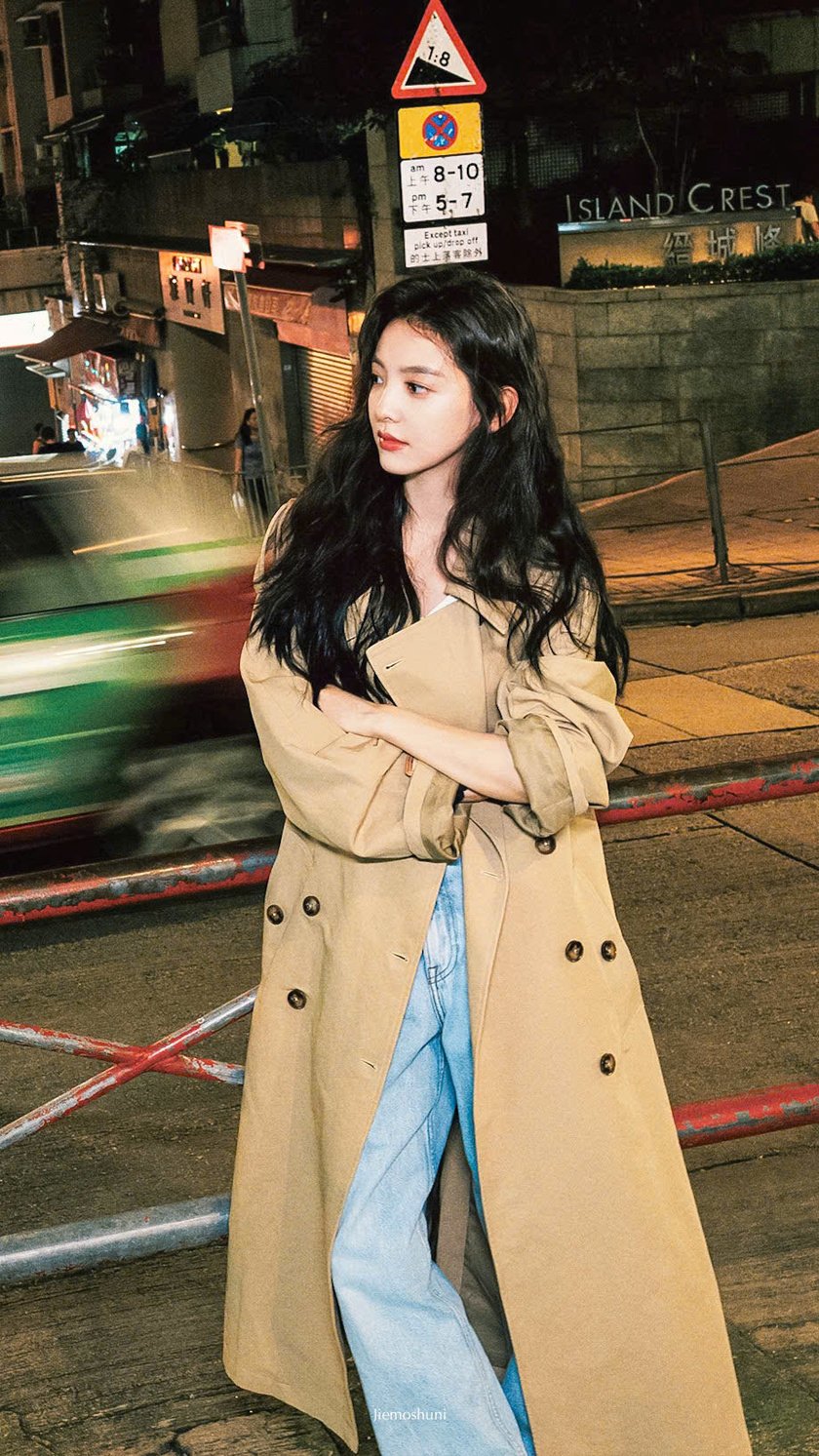
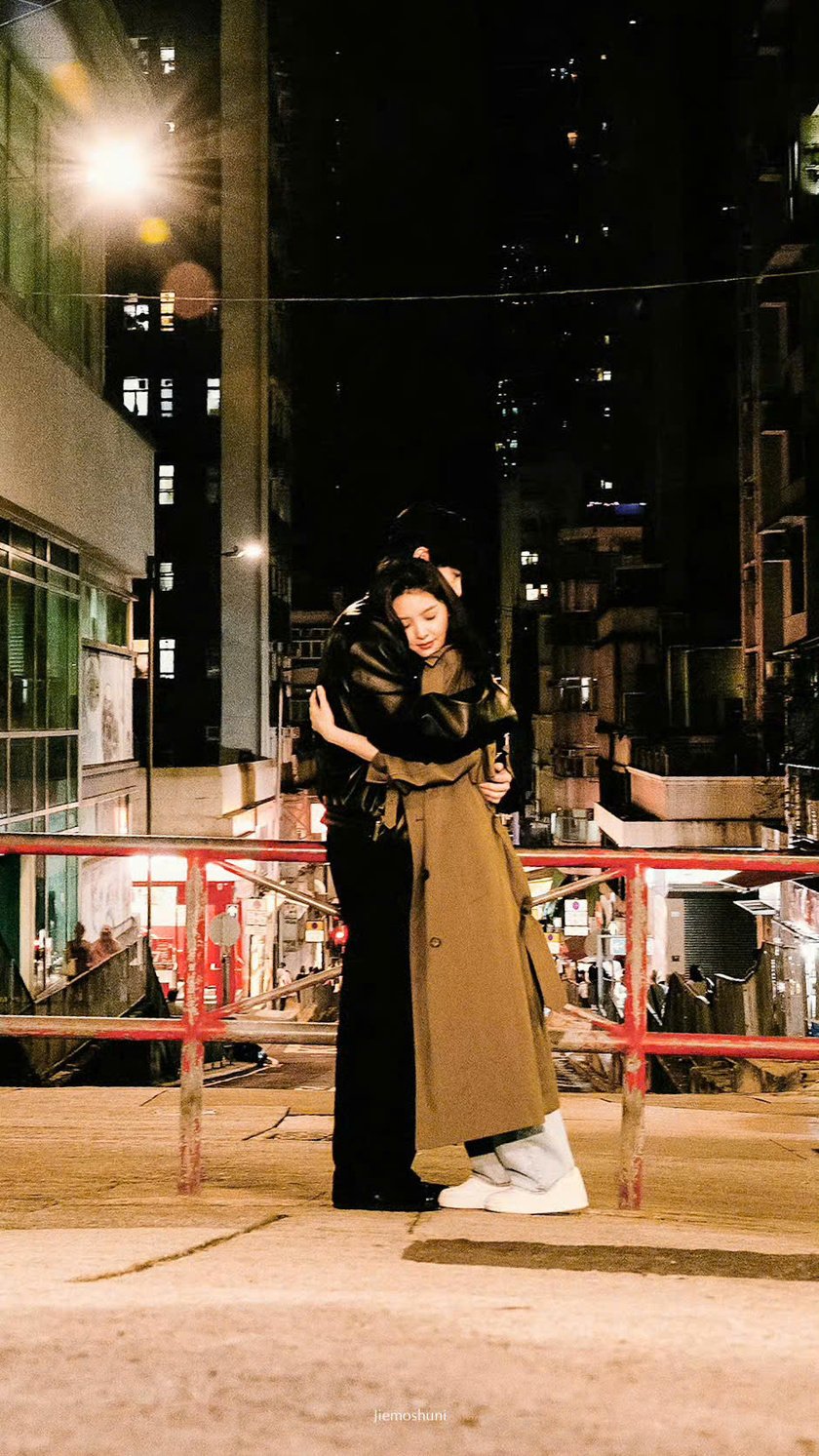
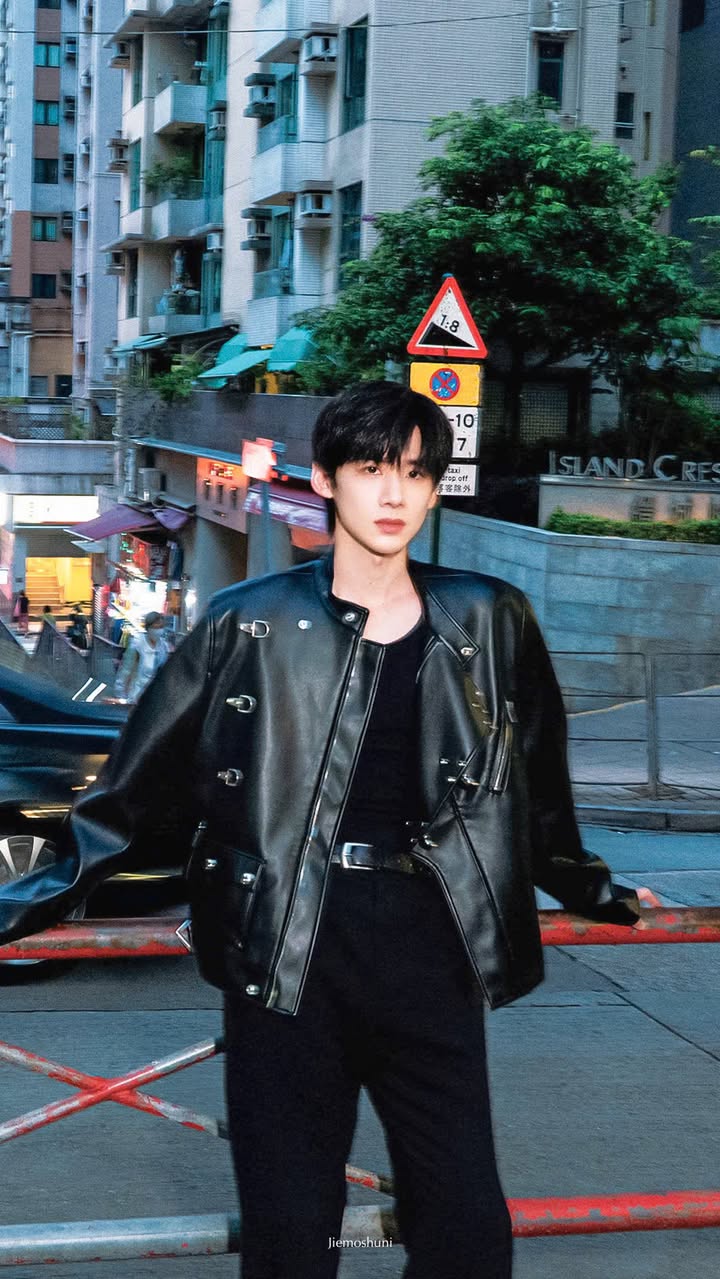
Chongqing, the city chosen as the main filming location for the movie, has unexpectedly become a popular tourist destination, attracting thousands of visitors, especially young people, to check in. Locations featured in the film, from ancient streets and local eateries to modern high-rise buildings, have all become "hot" spots on social media.
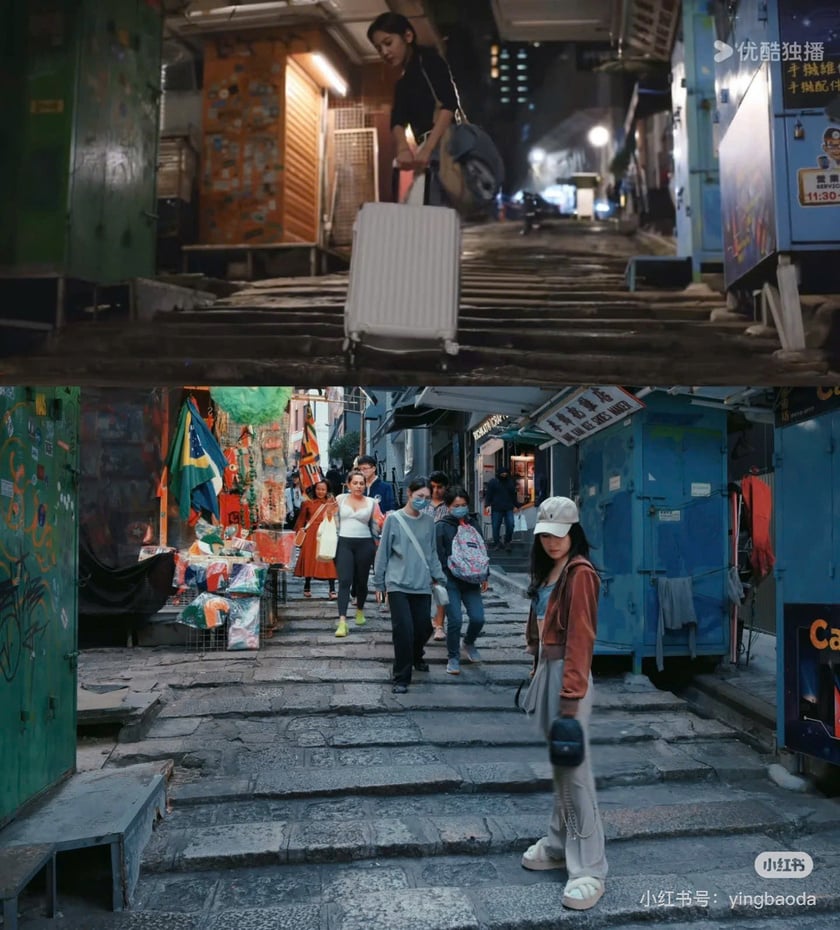
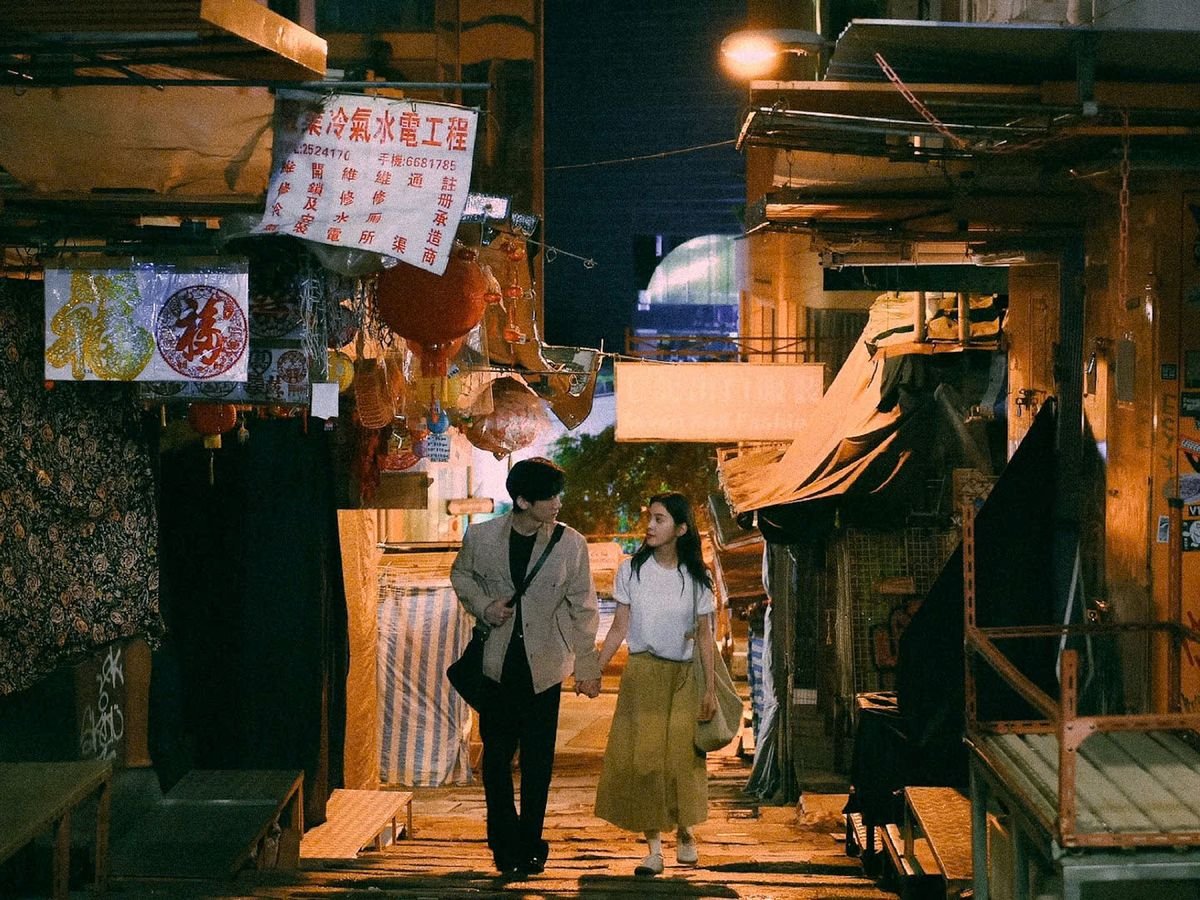
Filming locations that are sought after by young people in China.
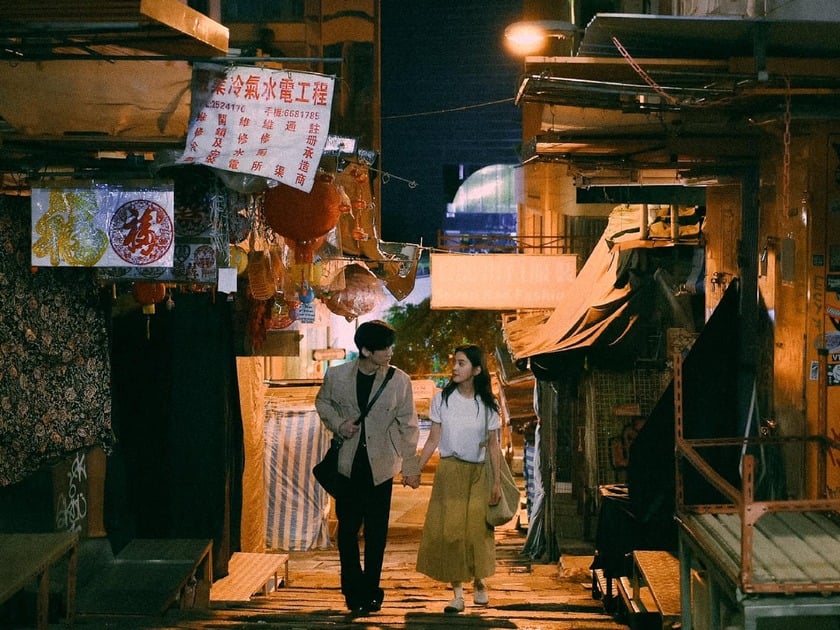
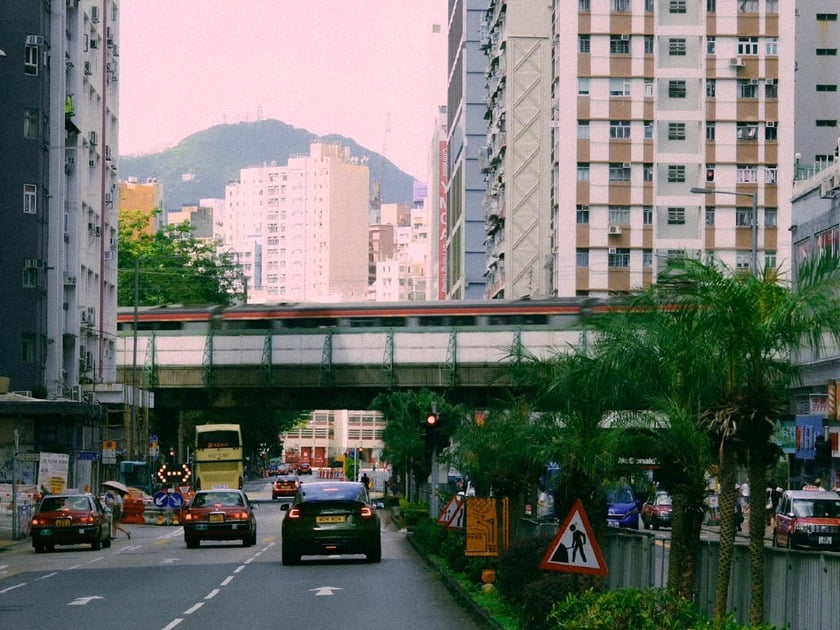
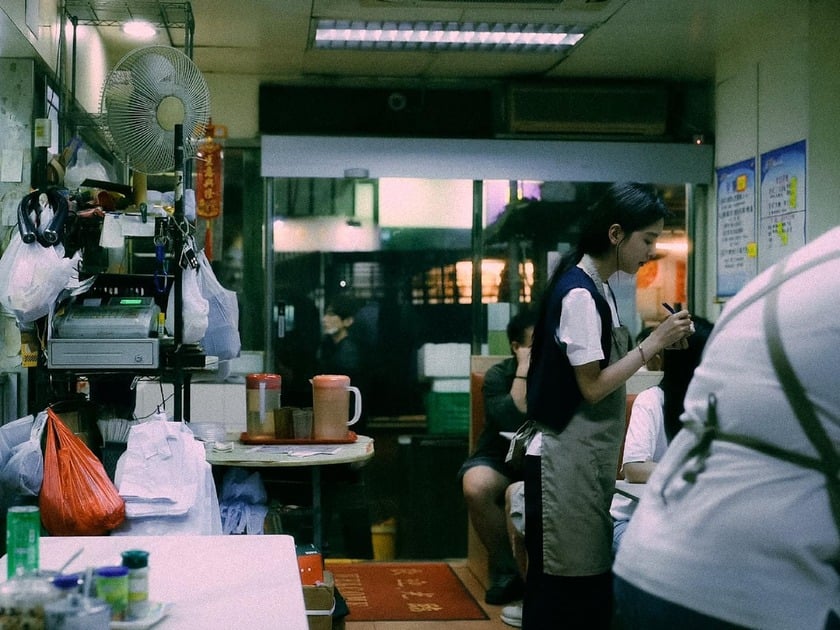
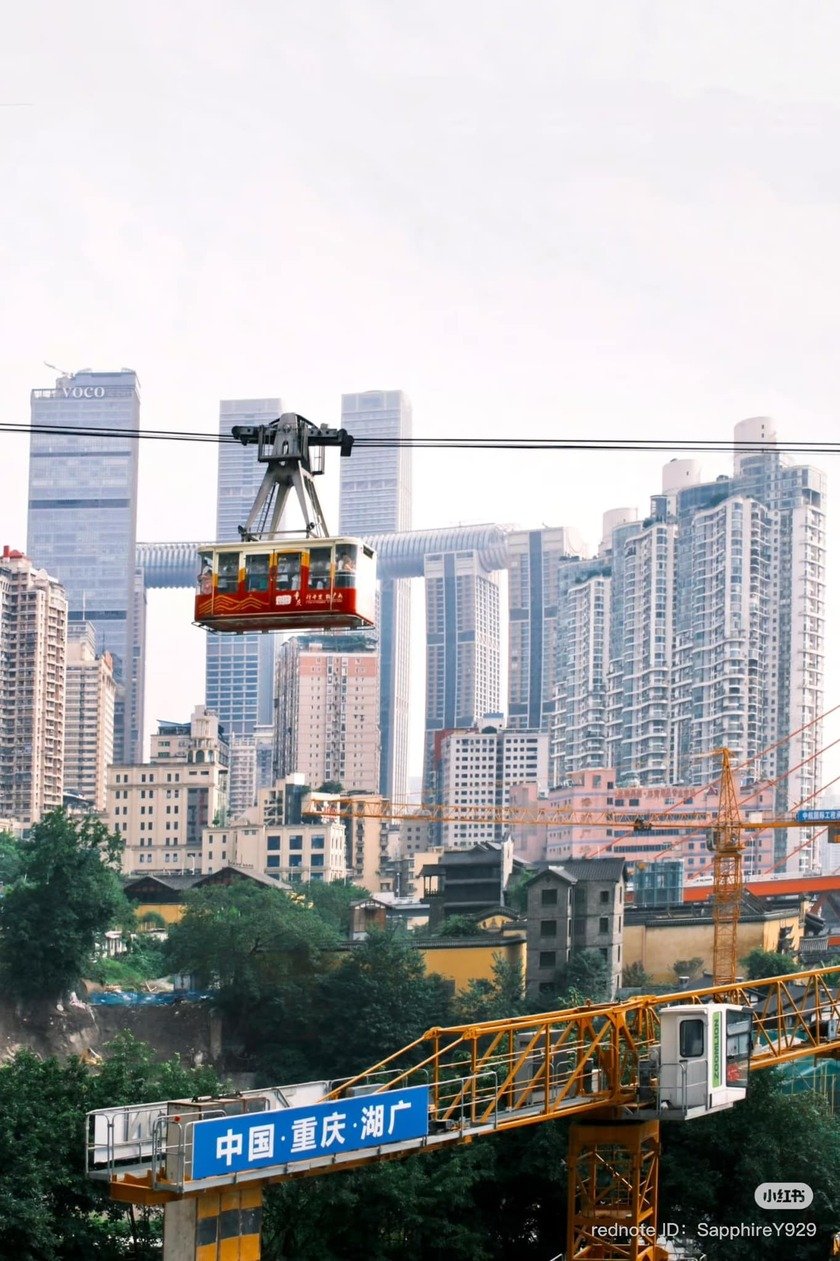
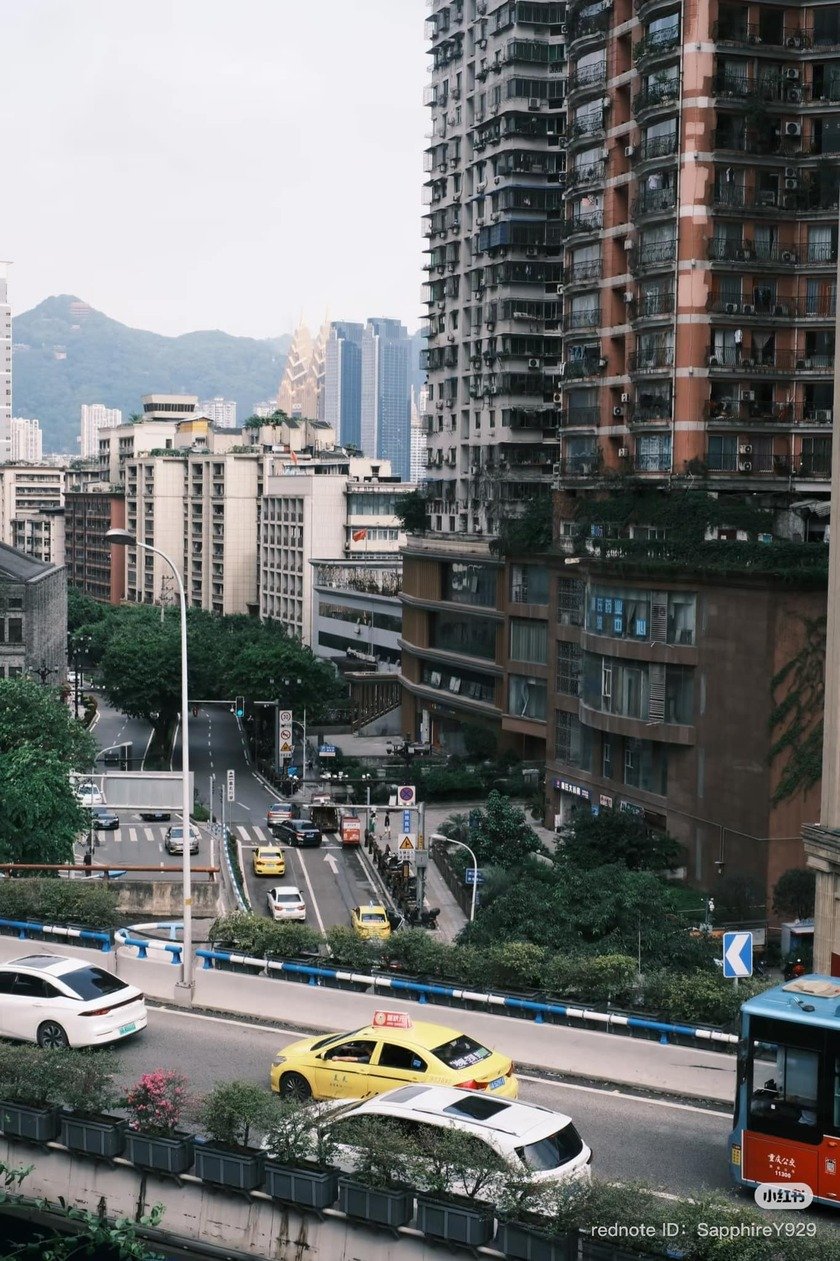
Seizing this opportunity, the Chongqing Department of Culture and Tourism launched a map suggesting check-in spots in the drama "Hard to Please," offering tourists the experience of living in the world of Tang Yan and Wen Yifan.

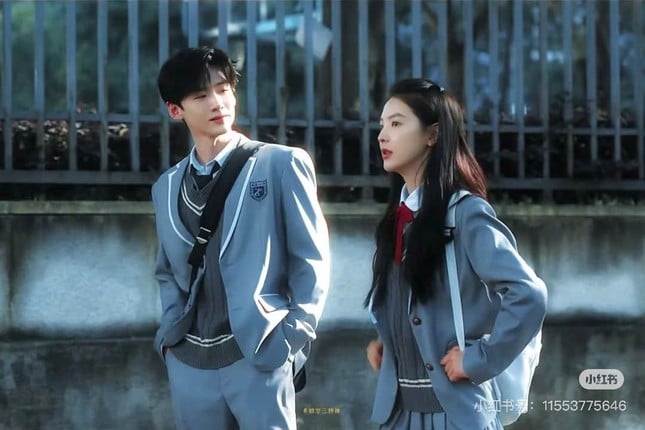
Even the two universities attended by the lead couple became famous thanks to the show's popularity.
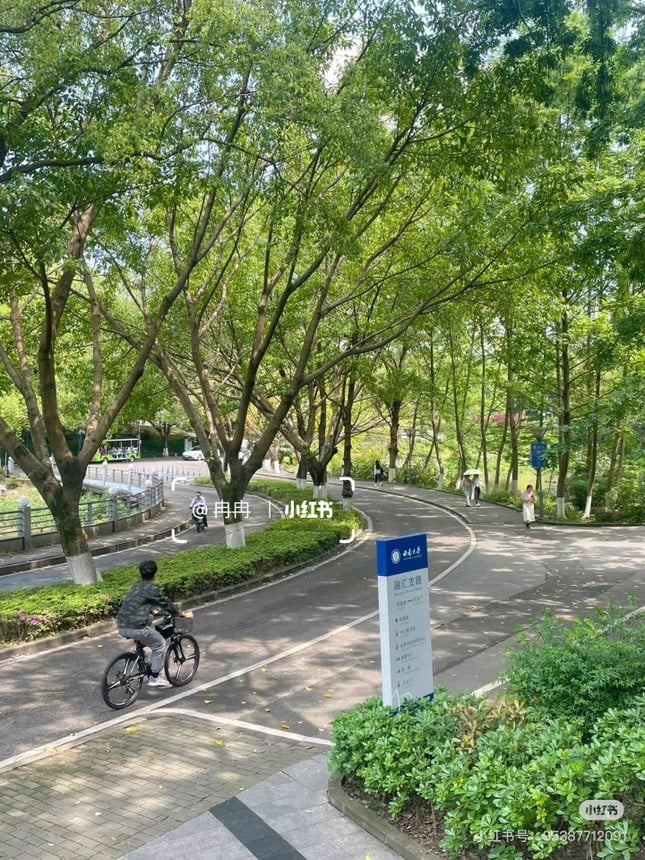
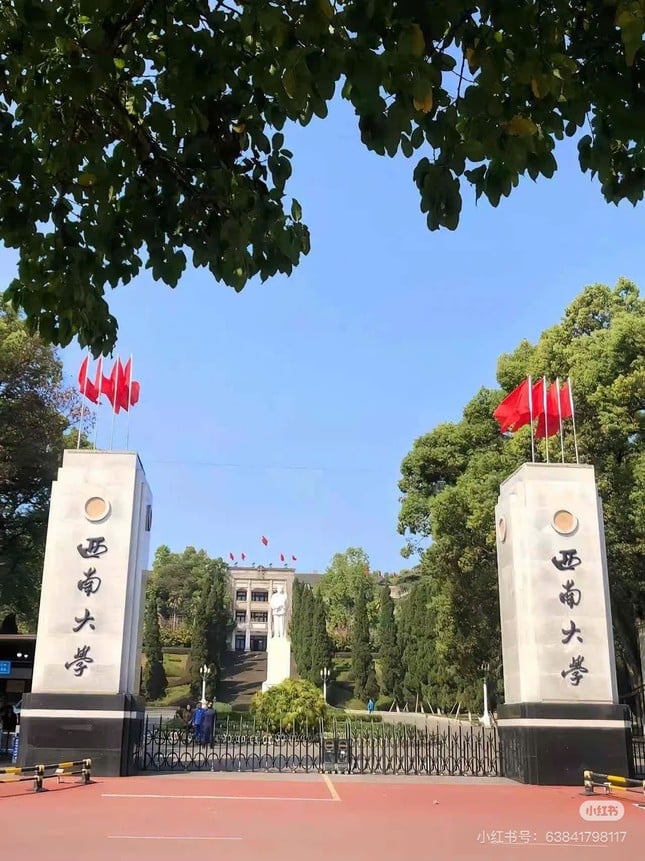
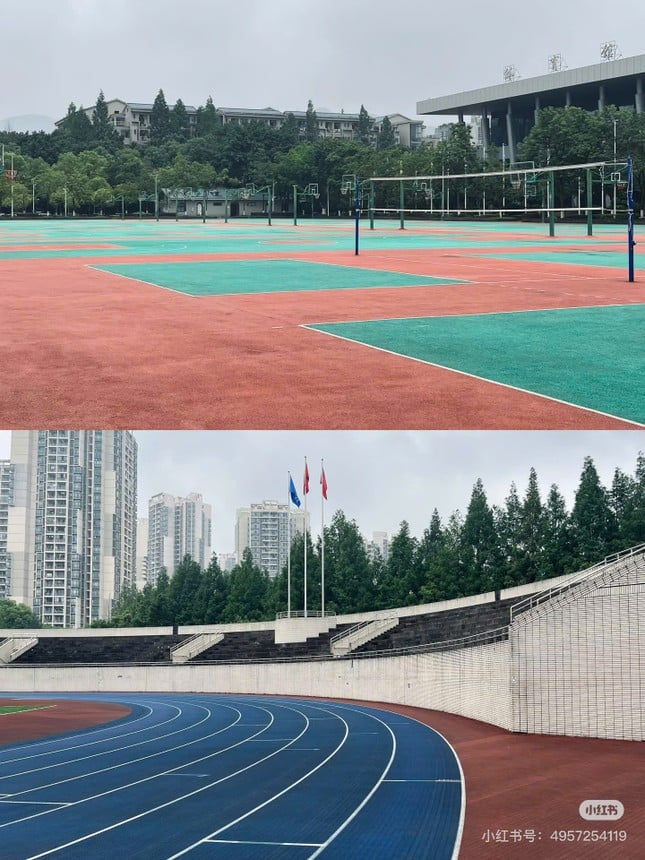
It's clear that the film crew of "Hard to Please" made full use of Chongqing for on-location filming, minimizing the need for studio sets. This gives the film a more realistic feel. Combined with the nostalgic, old-fashioned, and artistic color palette, "Hard to Please" is not just a romantic drama but also brimming with youthful emotions.
If you ever have the chance to visit Chongqing, take your friends or loved one to explore the filming locations, stop by the restaurants and supermarkets that Wen Yifan and Tang Yan visited, and take photos at the places where they shared their passionate moments. Bring a film camera, and you're sure to get some dreamlike photos.
The movie "I Love You" has a strong Korean film vibe.
The urban romance drama "Love You," starring the talented young actors Zhang Linghe and Xu Ruohan, has generated a strong wave of popularity among viewers. Initially, many people sought out the film out of curiosity and admiration for the main actors, but later, they were completely captivated by the dreamy beauty of Hangzhou, the city chosen as the main setting for the film.

A romantic Changzhou captured through every frame of the film.
The film "Love You" is not only a sweet and romantic love story, but also a stunning landscape painting of Hangzhou in spring. The tree-lined streets, the clear blue lakes, the ancient houses—all are depicted delicately and romantically through the lens of the film.

Hangzhou is in a frenzy on Weibo as the drama "Love You" premieres, with Zhang Linghe's fans rushing to check in at the filming locations.
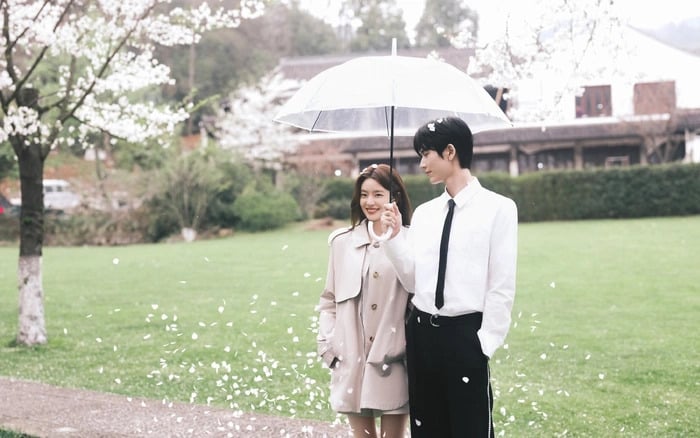
Many viewers have not hesitated to express their surprise and admiration for the beauty of Hangzhou, with some even commenting that the film is like a professional tourism promotional video. Hangzhou, already famous for its natural beauty and long-standing culture, has become even more captivating than ever through the scenes in "Love You".
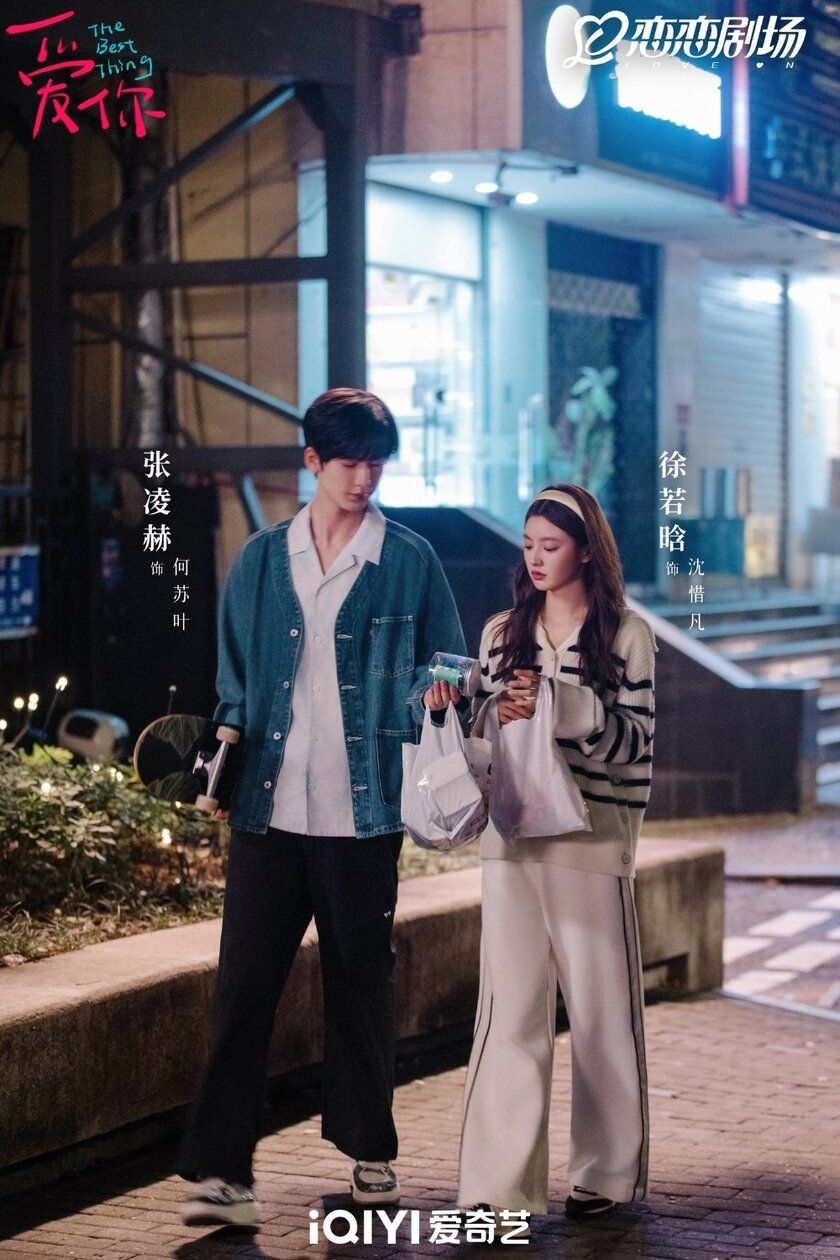
Some even commented that it looked like a Hangzhou tourism promotional video. Indeed, Hangzhou is already beautiful, but through the lens of "Loving You," it becomes even more romantic.
The film ignited a passion for exploration in viewers, making them yearn to visit Hangzhou and witness its beauty firsthand. The film's ripple effect extended beyond simply promoting tourism; it also contributed to showcasing Hangzhou's culture and people to the international community.
"Shhh, the king is hibernating," a healing love story set against a backdrop of white snow.
"Shhh, the King Is Hibernating" is not just an ordinary romantic film, but also a deeply emotional work of art that touches the deepest corners of the human soul. The story revolves around two characters with unspoken emotional wounds and traumas, who find common ground and understanding amidst the cold, snow-covered landscape of northern China.
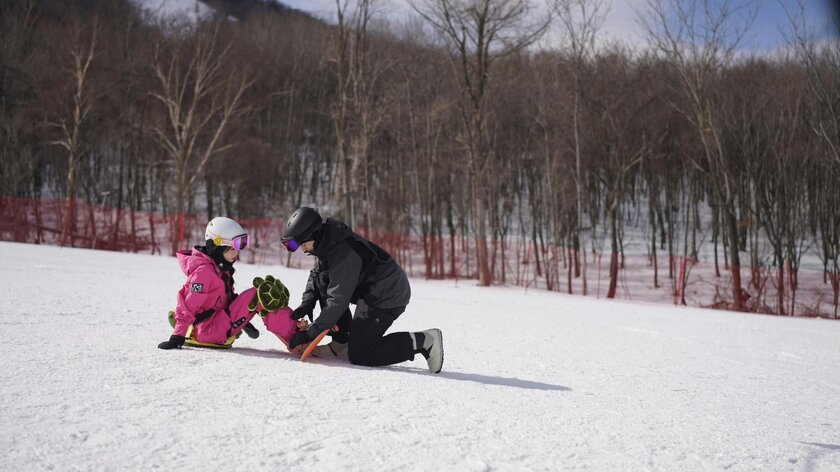
A love story set against a backdrop of white snow helps promote this remote tourist destination in China.
From the very first details revealed, "Shhh, the King Is Hibernating" has attracted public attention due to its unique combination of elements: extreme skiing, unique comic book culture, and a sweet, romantic love story. Although there are still mixed opinions about the cast's acting, it's undeniable that the film's visuals are a major plus, contributing to its success.

Set against a backdrop of dreamy snow-covered landscapes stretching across eight cities, from the Changbai Mountains to the icy lakes of Xinjiang, the film offers picturesque scenes, from snow-capped peaks to breathtaking, enchanting landscapes.
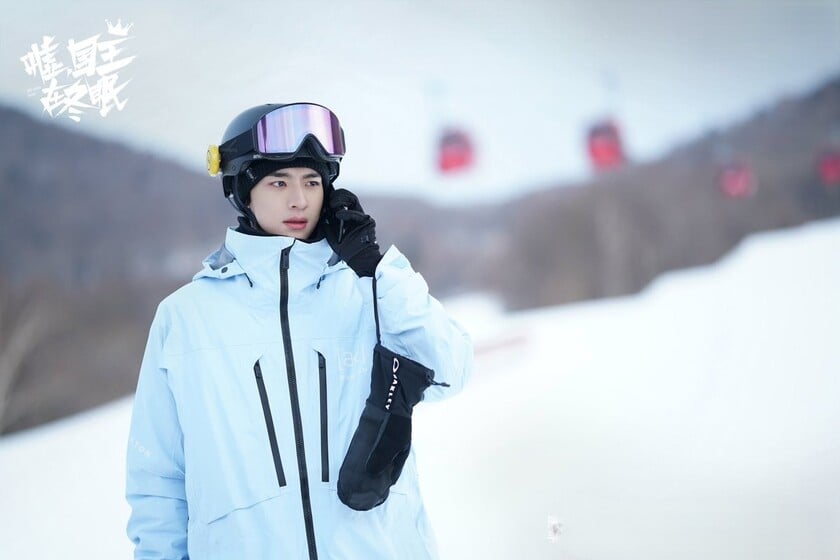
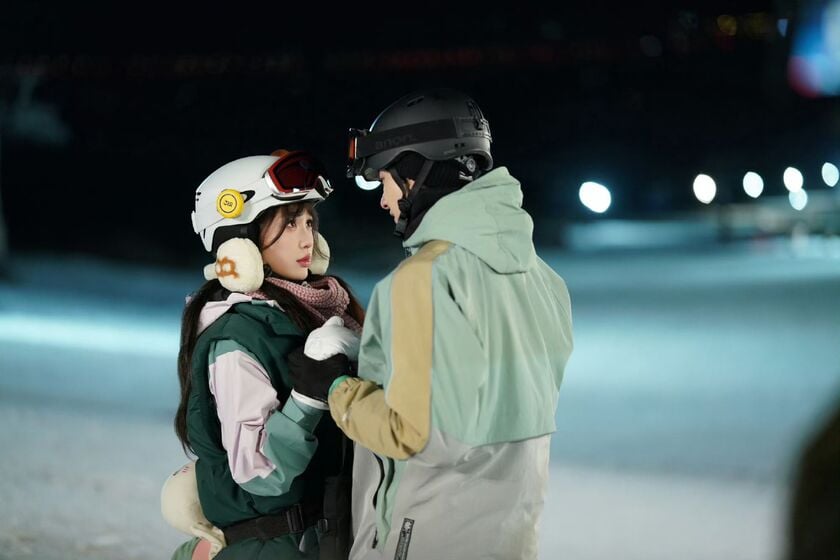
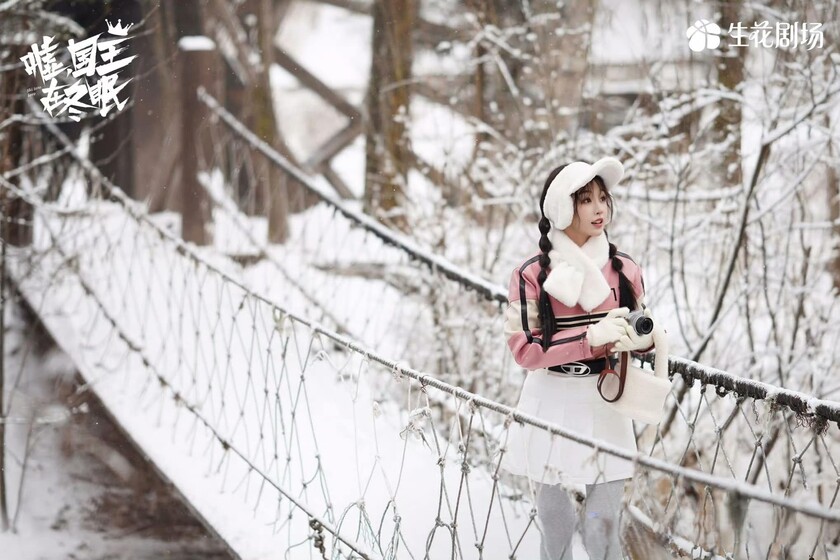
The dreamy, snow-covered landscapes stretching across eight cities, from the majestic Changbai Mountains to the icy lakes of Xinjiang, offered viewers breathtakingly beautiful visuals. From aerial shots encompassing the magnificent natural scenery to close-ups capturing romantic moments between the main couple, everything was meticulously and delicately executed.
The film crew spared no expense in investing in realistic settings, from famous ski resorts to natural ice lakes, creating a poetic and authentic atmosphere. The contrast between the cold white of the snow and the warm tones of the lights and costumes created a striking visual effect, keeping viewers glued to the screen.