VI
VI


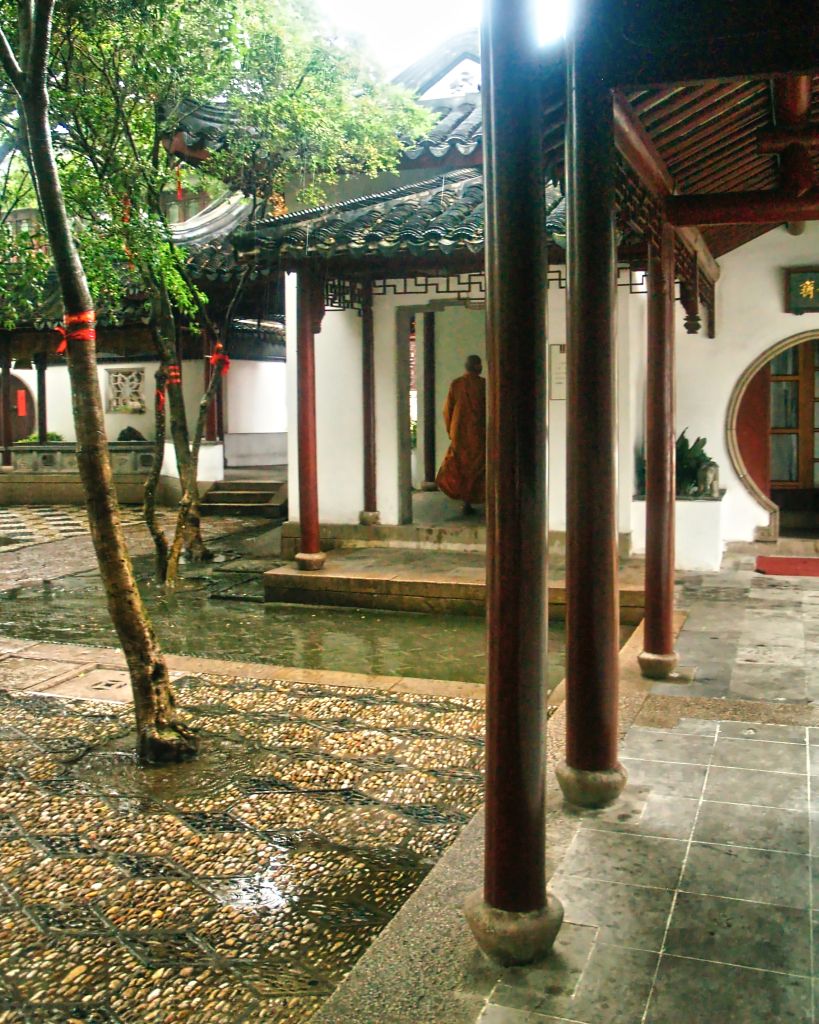
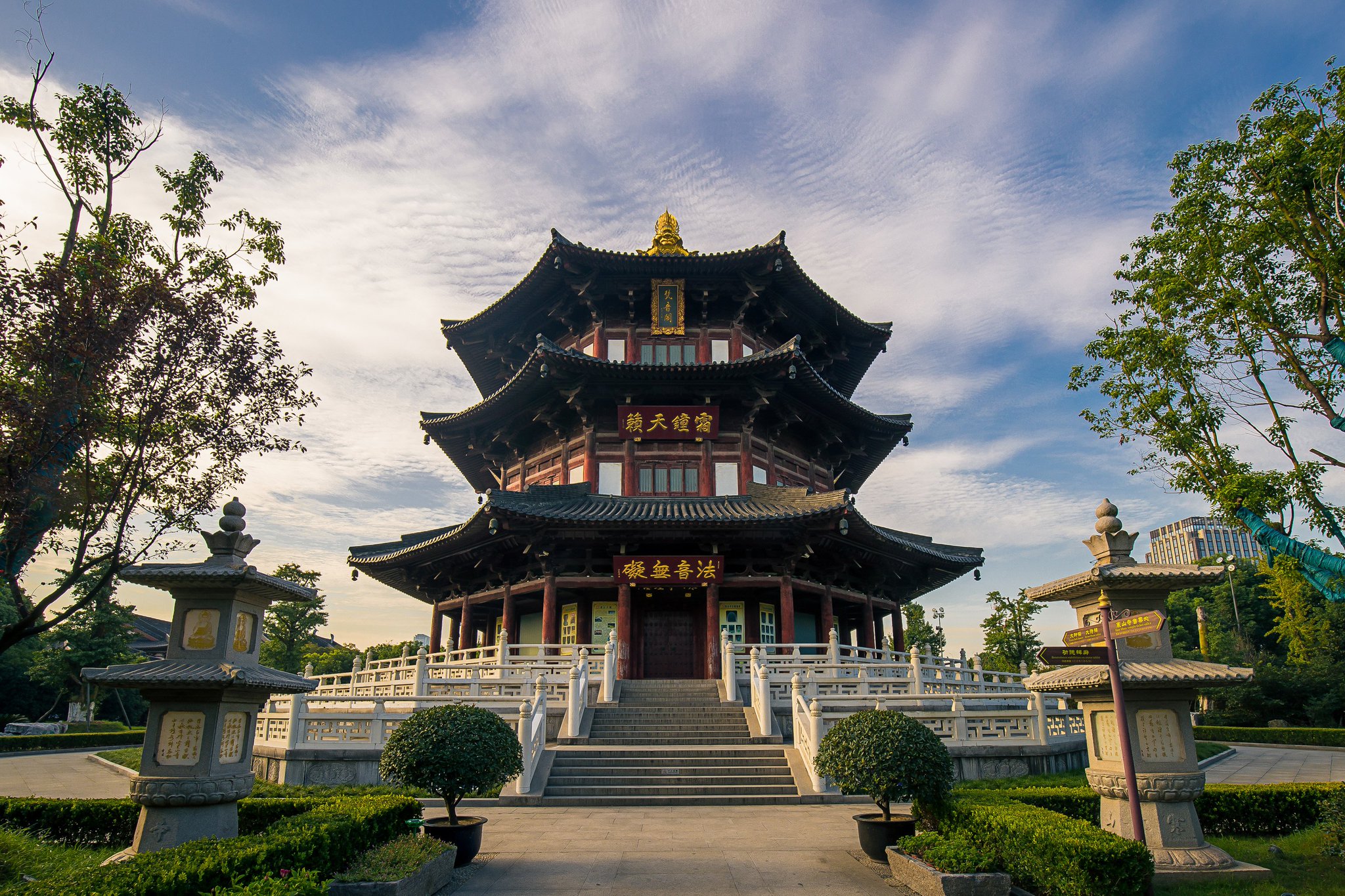
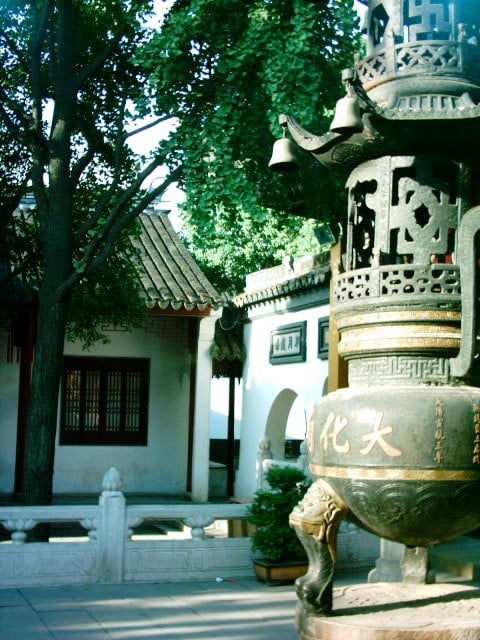
Hanshan Temple is an ancient temple located west of Fengqiao Town, Suzhou. It was built around the beginning of the 6th century, during the Tianjian era (502-519) of Emperor Liang Wudi of the Liang Dynasty, with its original name being Miaoli Puming Pagoda Temple.
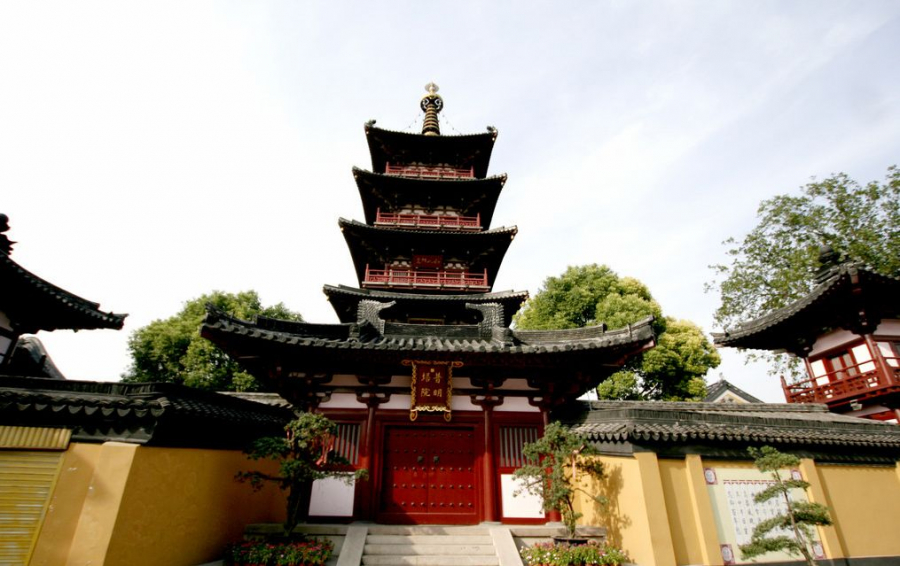
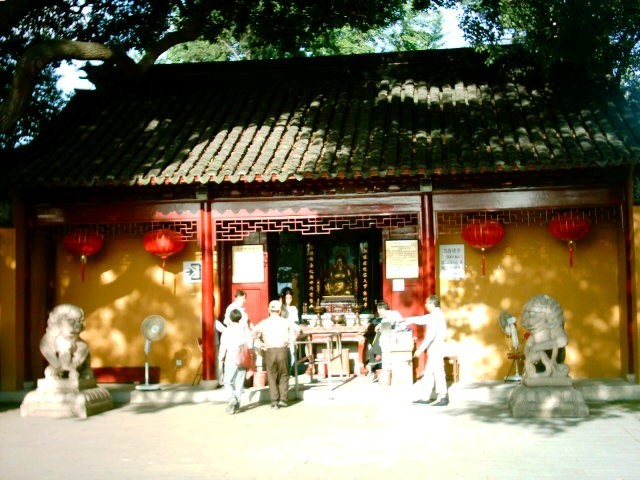
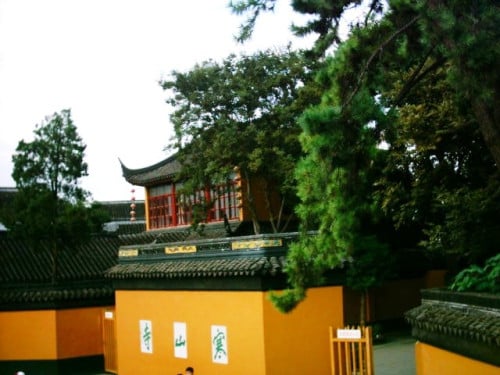
During the Taiping Rebellion, the temple was destroyed and rebuilt in 1905. Around the Zhenguan era (627-649) of Emperor Taizong of the Tang Dynasty, the name Hanshan Temple was given to commemorate a former abbot. After the ups and downs of history, Hanshan Temple has been preserved and restored by dynasties from the Song to the Qing to this day.
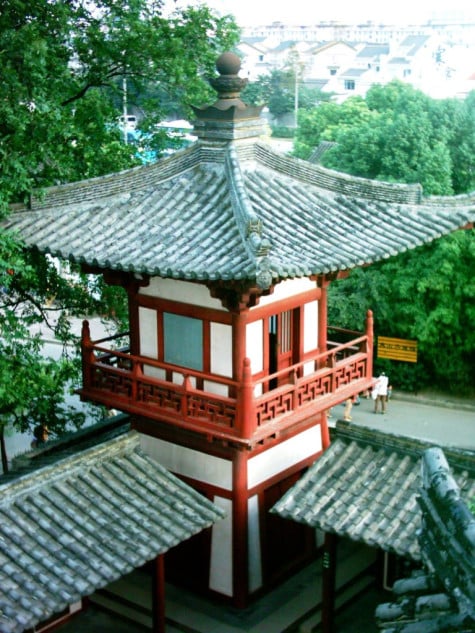
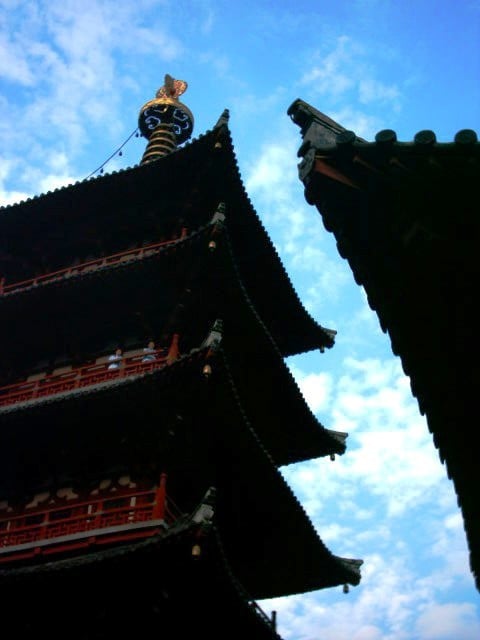
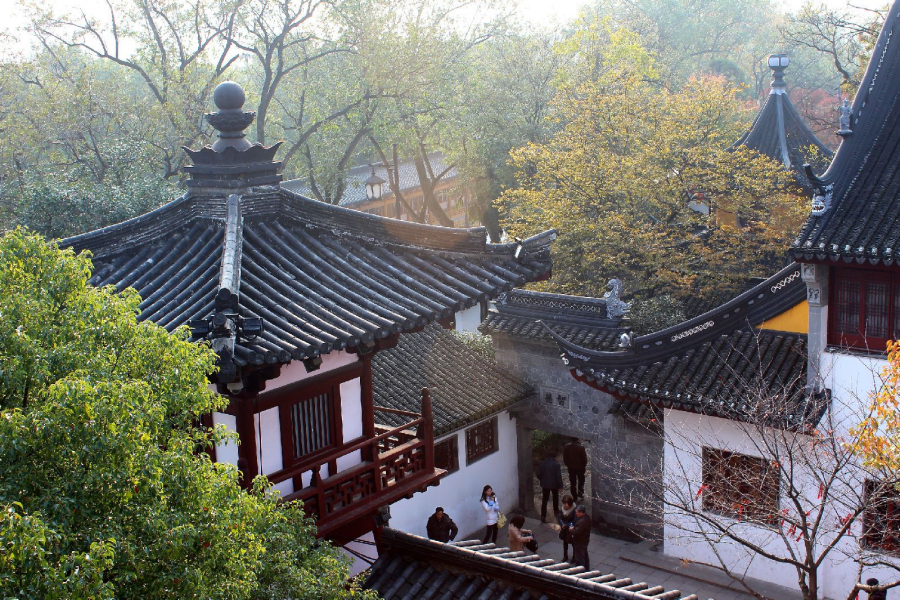
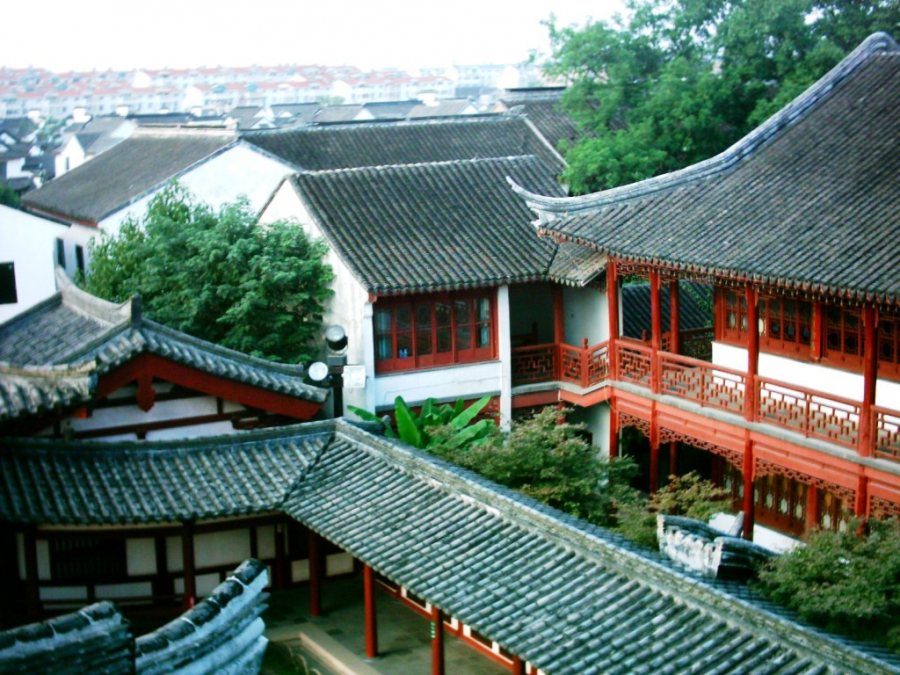
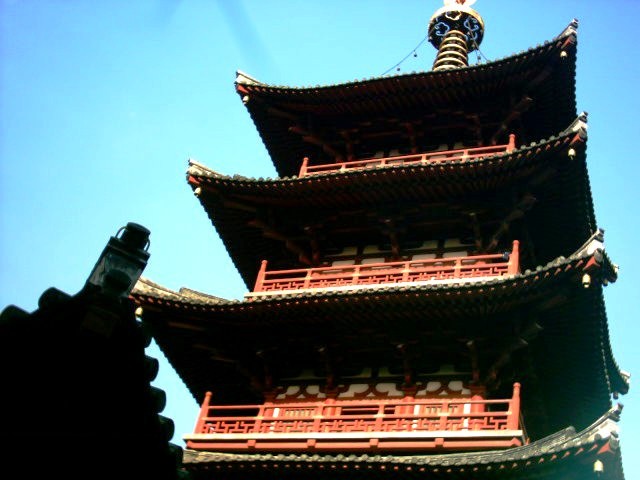
The pagoda is located on a 10,600 square meter plot of land.2The main architectural structures of the temple include the Great Hall of the Buddha, the Sutra Repository, and the Bell Tower. Each structure has its own unique features and value.
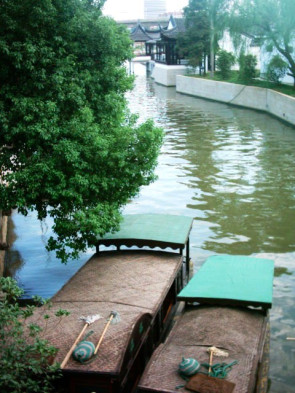
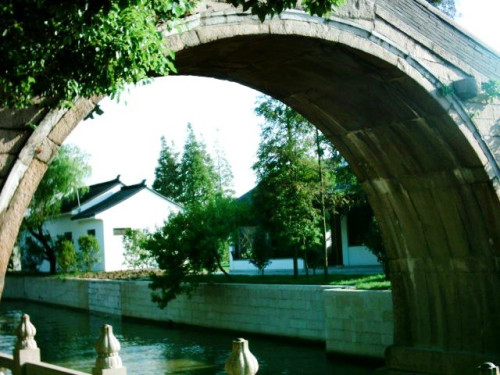
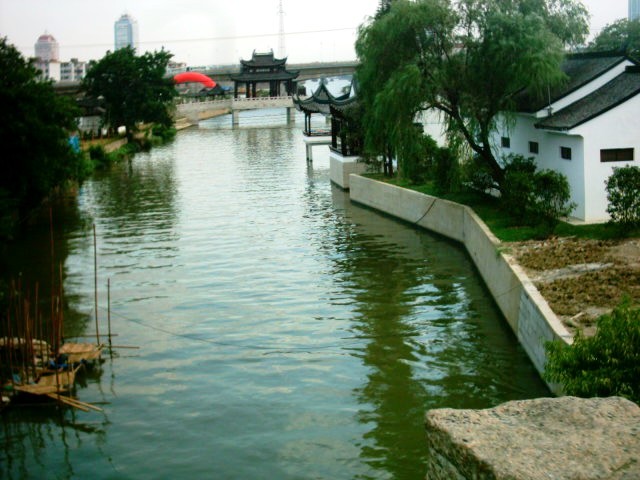
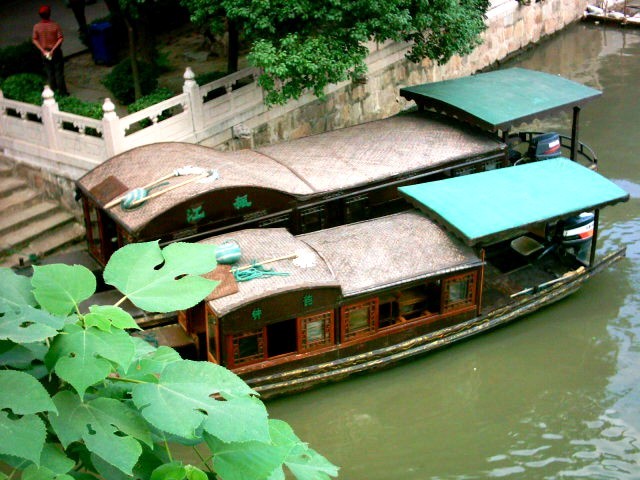
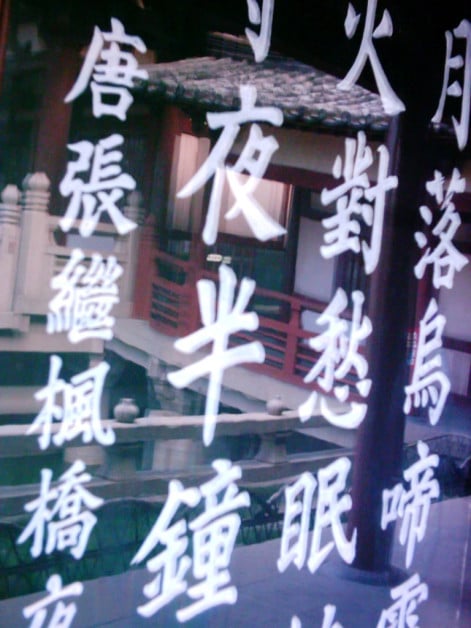
Hanshan Temple not only attracts tourists with its fascinating stories but also serves as an endless source of inspiration for generations of poets. Amidst the picturesque scenery of the Jiangnan region, the Tang Dynasty poet Zhang Ji wrote immortal verses, including the poem...Night at Phong Kieu:
The moon sets, crows caw, frost fills the sky.
River breeze, fishing fire, sorrowful sleep
Hanshan Temple outside Co To city

The shop is open to customers and boats.
Translate the poem:
The moon sets, crows caw in the mist.
The fisherman's fire, the sorrowful trees by the shore, linger in the dream.
Whose boat is moored at Co To wharf?
At midnight, the sound of the bell from Hanshan Temple could be heard.
- Translated by Nguyen Ham Ninh (1808-1867)
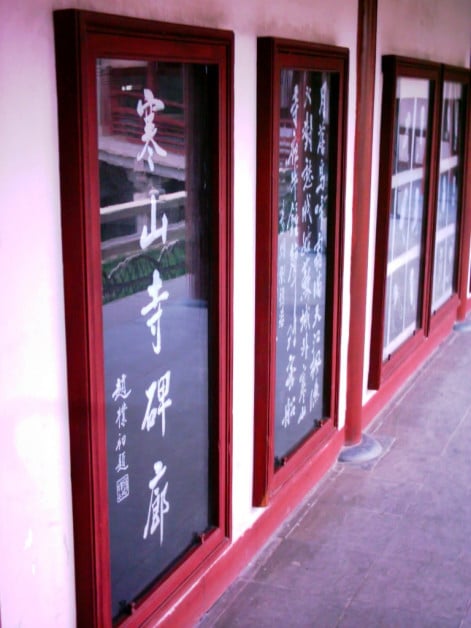
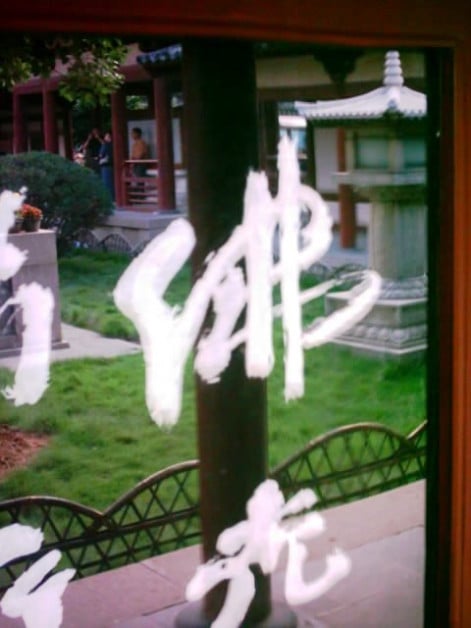
Today, when visiting Hanshan Temple, tourists have the opportunity to admire the famous mural "Hanshan - Ten Blessings" carved on stone by the renowned painter Luo Shengchu of the Qing Dynasty, the calligraphy of the famous calligrapher Zhang Xuliao of the Song Dynasty from the Diamond Sutra, or explore the Sutra Repository - where Buddhist scriptures are stored.
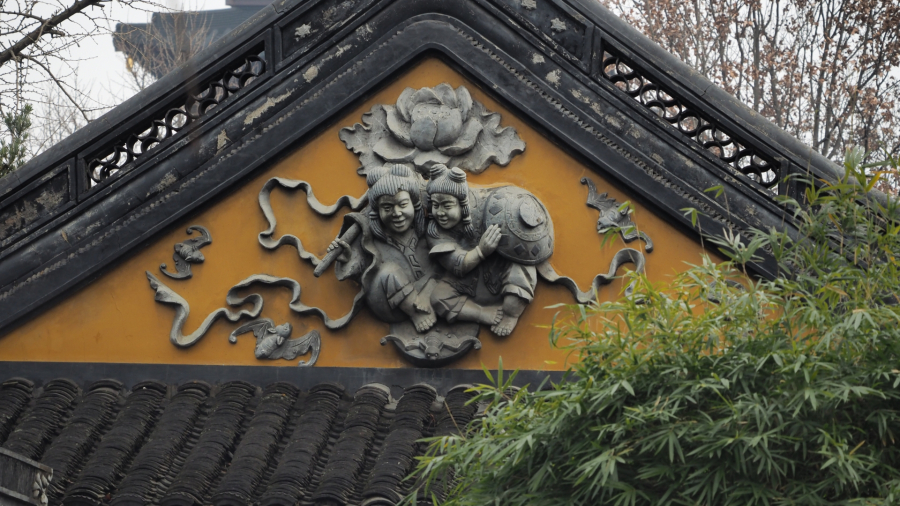
In addition, the temple houses a system of Buddha statues, Monkey King statues, and the Eighteen Arhats, as well as stone steles inscribed with the exquisite poems of various poets in the Long Corridor, and bells that give Hanshan Temple its soul, especially on New Year's Eve when the 108 bells ring out in the night, truly capturing its spiritual essence.Night at Phong Kieuon the Co To waterfront.
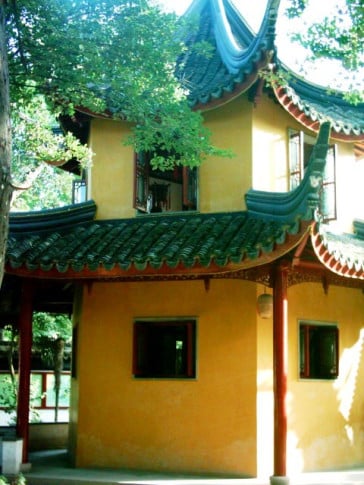
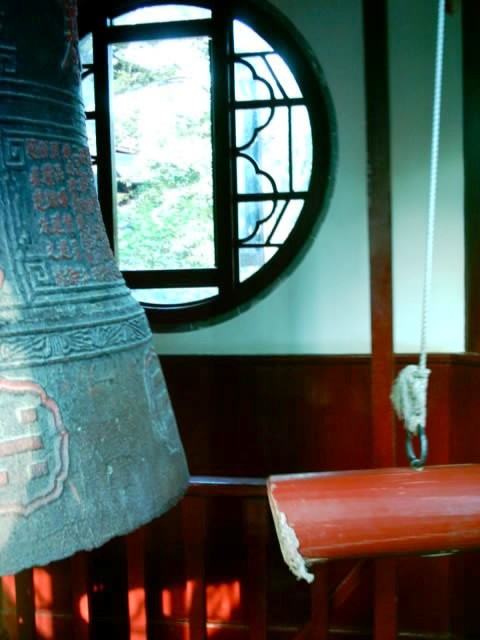
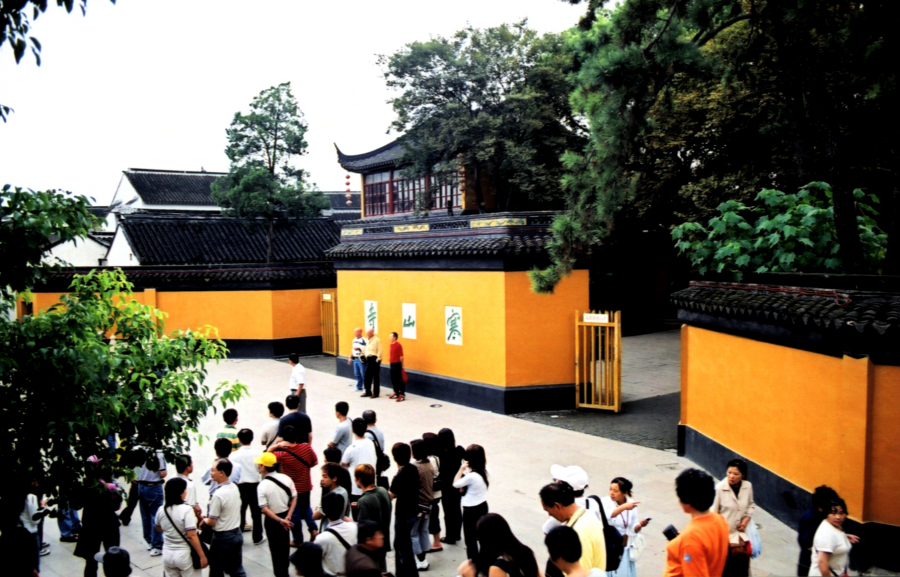
Because of the famous sound of the bells at Hanshan Temple, every year, precisely at midnight on New Year's Eve, Hanshan Temple holds a solemn ceremony to ring the Great Bell, with 108 bell tolls resonating. These 108 bell tolls symbolize the 108 afflictions that people often face in life. This festival usually attracts a large number of Buddhists and tourists. It is believed that whoever hears the bells of Hanshan Temple on New Year's Eve will have their 108 afflictions carried away by the wind, and will be free from worries in the new year.
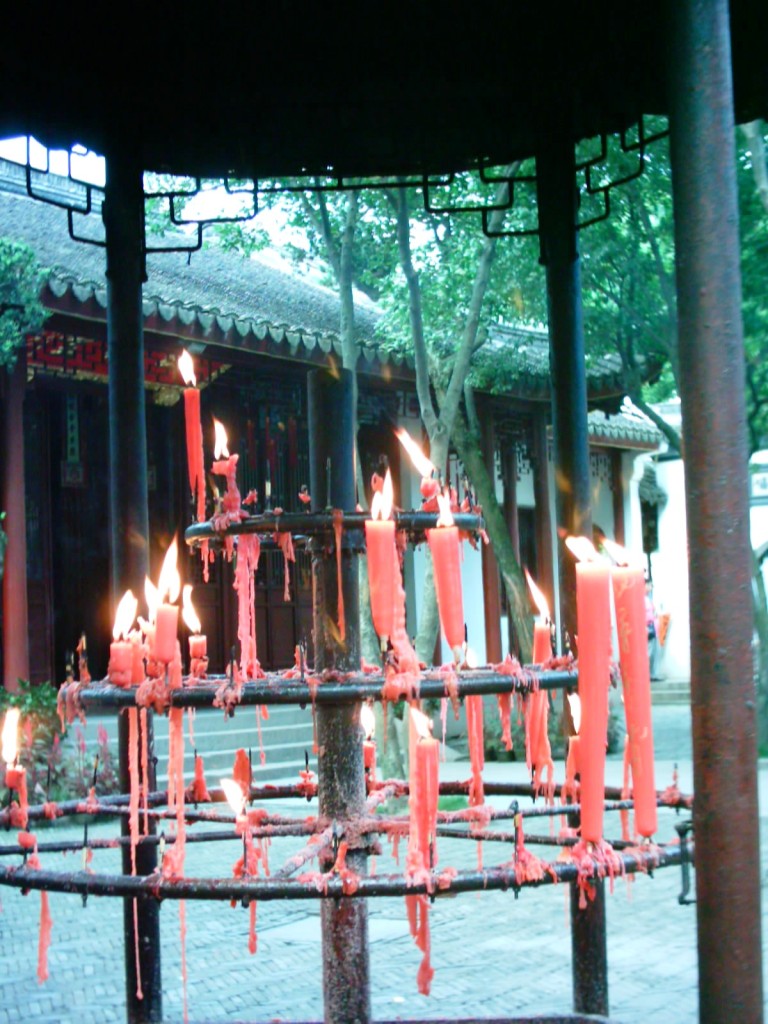
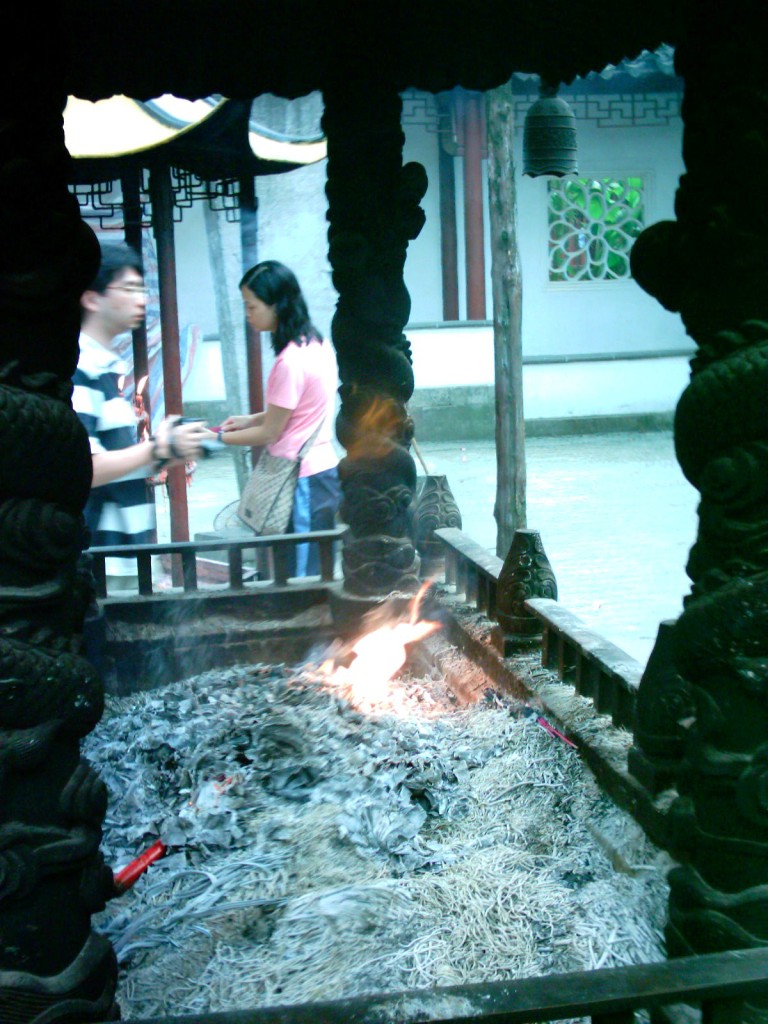
Hanshan Temple is listed as one of the ten most famous ancient temples in China, attracting millions of domestic and international tourists each year who come to visit the temple and enjoy the picturesque scenery of the Gusu River region.