VI
VI



Accordingly, in an effort to optimize immigration policies and boost tourism, the Thai government is considering adjusting the visa-free period. According to information from the Thai Ministry of Foreign Affairs and the Ministry of Tourism and Sports, in-depth discussions have been conducted involving government agencies and the private sector.


Following extensive discussions, all stakeholders reached a basic consensus on proposing a new policy to the Government. This policy will adjust the visa-free period from the current 60 days back to the previous 30 days. This decision was made after careful consideration of economic, social, and national security factors, aiming to ensure a balance between attracting tourists and effectively managing the flow of people entering the country.
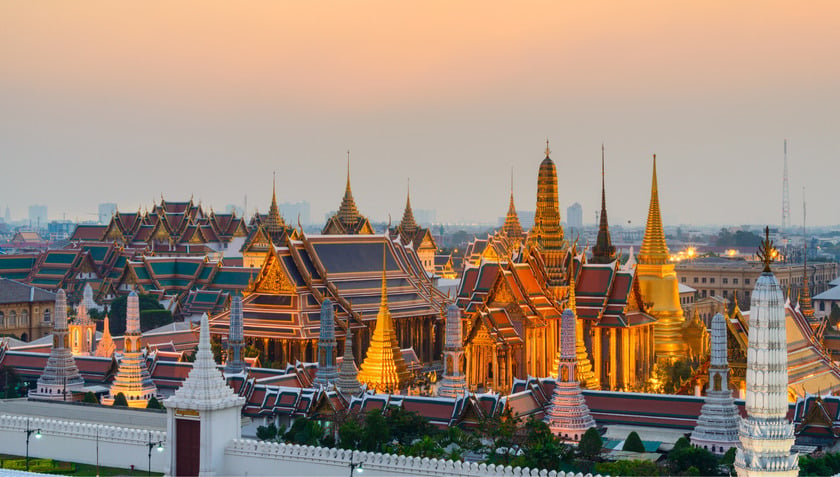
According to Mr. Soravong, the Ministry of Foreign Affairs and the Ministry of Tourism and Sports of Thailand have been discussing this issue with public and private sector agencies recently.
The Thai Minister of Tourism and Sports emphasized that, prior to the official announcement, additional details of the new policy will continue to be discussed and refined. This is to ensure that every aspect of the adjustment, from the impact on the tourism industry to issues related to immigration management, is comprehensively considered.
It's worth reiterating that, since June 2024, the Thai government has implemented a 60-day visa-free policy for citizens from 93 countries and territories, allowing them to enter for tourism purposes. This policy has yielded positive results, significantly contributing to the recovery of Thailand's tourism industry. In 2024, the Land of Smiles welcomed over 36 million international tourists, an impressive figure demonstrating Thailand's strong appeal on the global tourism map.

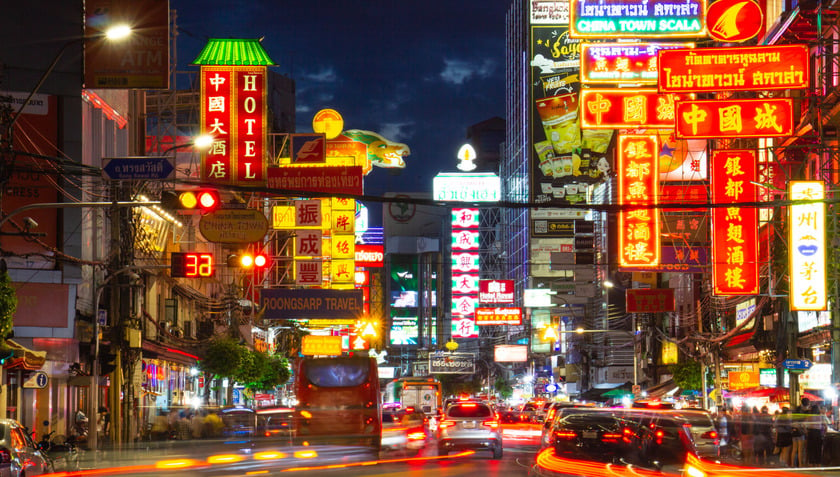
Thailand has agreed in principle to reduce the visa-free period from the current 60 days to 30 days due to security concerns.
Although the 60-day visa-free policy has brought considerable success to Thailand's tourism industry, concerns about its abuse have recently begun to emerge. Many travel companies and the Thai Hotel Association have voiced deep concern that some businesses and foreigners are exploiting the program to engage in illegal work or business activities.
The proliferation of disguised rental apartments, used by foreigners for business purposes without complying with legal regulations, is one of the clear consequences of abusing the visa exemption policy. This not only results in revenue losses for the state budget but also creates unfair competition, negatively impacting legitimate local tourism businesses.

This is seen as a major step to prevent situations that tarnish the image of Thai tourism in the eyes of the international community.
In response to this situation, the Thai Tourist Police have launched a campaign to investigate and strictly crack down on illegal tourism business activities at popular tourist destinations such as Chiang Mai, Bangkok, Pattaya, Hua Hin, Phuket, and Koh Samui. This campaign aims to protect fairness and transparency in the tourism industry, while also ensuring social security and order.
The results of this campaign demonstrate the strong determination of the Thai government in combating illegal activities in the tourism sector. To date, more than 40 businesses have had their tourism business licenses revoked, a number that reflects the government's seriousness in enforcing the law and protecting the rights of legitimate tourism businesses.
Adjusting the visa-free period is not just a simple change in immigration policy, but a strategic, long-term step aimed at comprehensively optimizing Thailand's immigration policy.
Thailand, as one of the world's leading tourist destinations, is constantly striving to find innovative solutions for the sustainable development of its tourism industry. Adjusting the visa-free period is part of that effort, aiming to create a healthy, transparent, and responsible tourism environment.
In the context of the global tourism industry facing numerous challenges, Thailand's proactive adjustment of its entry policy demonstrates the country's flexibility and adaptability. This is a testament to Thailand's commitment to maintaining and sustainably developing its tourism industry, one of the country's key economic drivers.