VI
VI


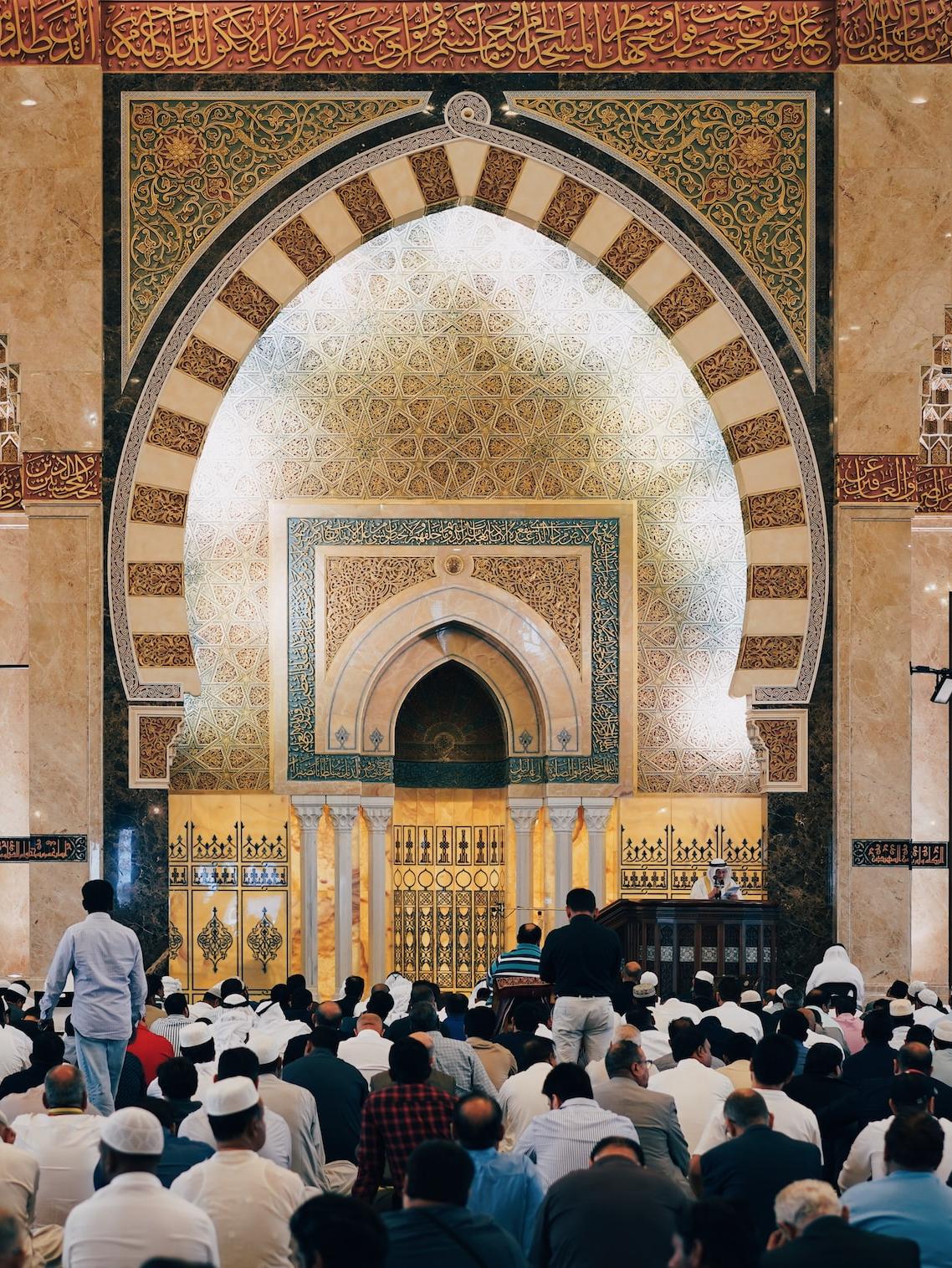

You can plan for the whole year, but you won't know exactly when Ramadan falls.
That's correct; you're only informed about the start of Ramadan one day in advance. Why? Each time the holiday approaches, a traditional activity takes place: devout people in Saudi Arabia observe the moon, and only when the moon reaches the appropriate position for the holiday is the holiday announced. This is done on three occasions: Ramadan, the celebration of Eid al-Fitr, and then two months later, Eid al-Adha, also known as the festival of sacrifice. This year, Ramadan falls from March 22nd to April 20th.
Activities that Muslims must follow during the holy month of Ramadan include: fasting, abstaining from food and drink, smoking from sunrise to sunset, praying five times a day, giving more alms, and making a pilgrimage to Mecca.
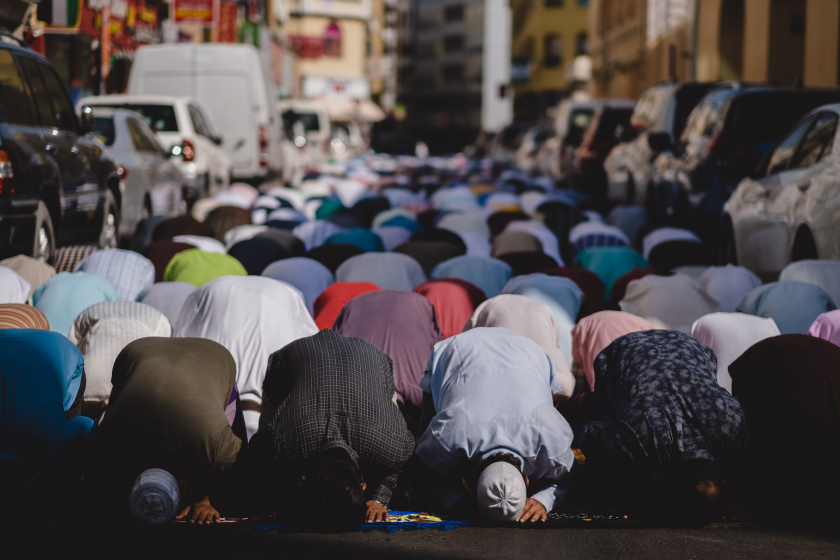
When it's time for prayer, believers will put aside whatever work they are doing.
Fasting during Ramadan is considered the most important practice.
The purpose of fasting is for believers to empathize with the poor and suffering, while also restraining desires and practicing resistance to temptation. For Muslims, it is a way to train their spirit and body, and to bring them the most blessings.
The first meal of the day after sunset is called "iftar." Some countries fire cannons daily to signal the time when it is permissible to eat. In contrast to the somber atmosphere during the day, the period from "iftar" onwards is the most lively and joyful. Mosques often host free "iftar" meals for the public. People usually gather in large numbers to pray and wait for the mealtime.

Although the fasting is prolonged, Ramadan sees food consumption double that of normal days. Lavish feasts at night, gatherings with friends and family with large quantities of delicious food are served almost all night long. After eating and drinking, they celebrate and toast each other until late at night. Then they rest and wake up at 2-3 am to prepare for the last meal called "suhoor" before sunrise, marking the beginning of a new day of fasting.
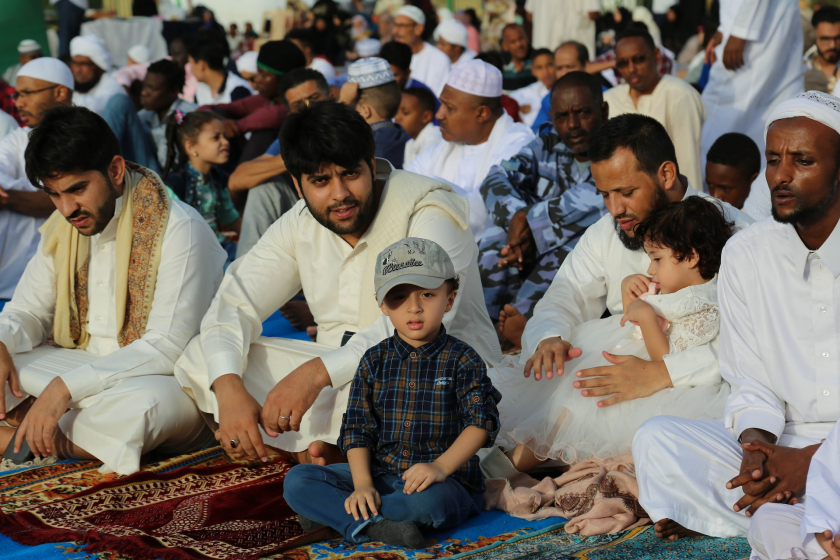
Muslims await the end of their daily fasting period.
Things to note when traveling during Ramadan.
To support the fasting during Ramadan, restaurants close in the mornings, or if they do open to tourists, they discreetly use black curtains and place customers in secluded corners. The sale of alcohol is severely restricted during this month. If you travel to Muslim countries during this time, you should dress modestly and avoid eating and drinking in public to show respect for their fasting. In some stricter countries, they will remind tourists and ask us to comply.

Restaurants will be closed or have to keep their curtains drawn all day during the holiday month.
Try an "Iftar" meal with the locals at a large restaurant; they will offer you a sweet date and a cup of hot tea served from a large Arabian teapot before moving on to the next feast of delicious dishes. Dates are also an extremely important and widely available item during Ramadan. Eating a few nutritious dates helps your stomach gradually adjust to absorbing energy after a day of fasting before indulging in lavish meals.
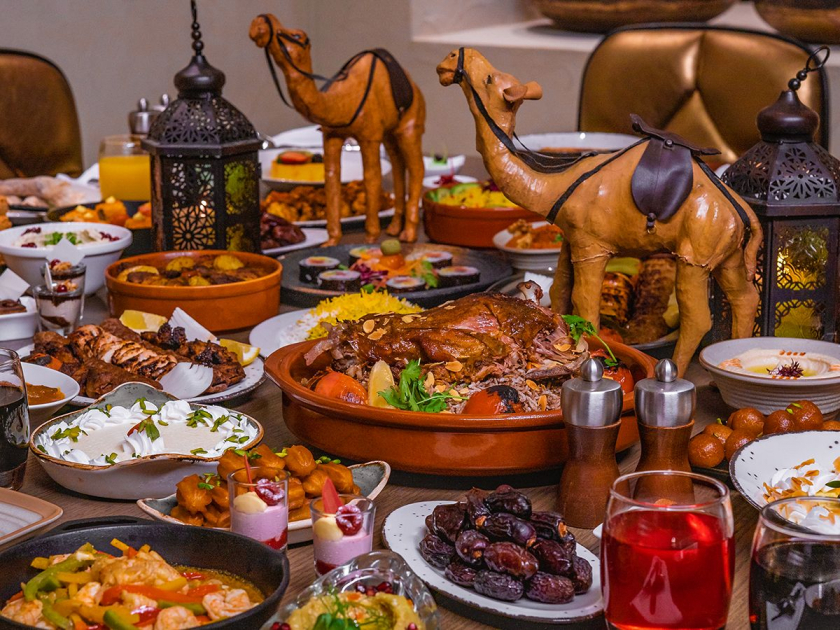
An "iftar" meal with dates at a 5-star hotel in Dubai.
Because prolonged fasting can affect people's ability to work during the day, please be understanding if you encounter an unfriendly Muslim worshipper, a grumpy taxi driver trying to squeeze through the crowd, or a tired waiter overwhelmed by too many requests. Although fasting occurs annually, it is still a great challenge for many people.
Popular Muslim-majority countries on the tourist map include: Indonesia, Malaysia, Brunei, Pakistan, Saudi Arabia, Turkey, Egypt, UAE, Morocco, Jordan, etc.