VI
VI


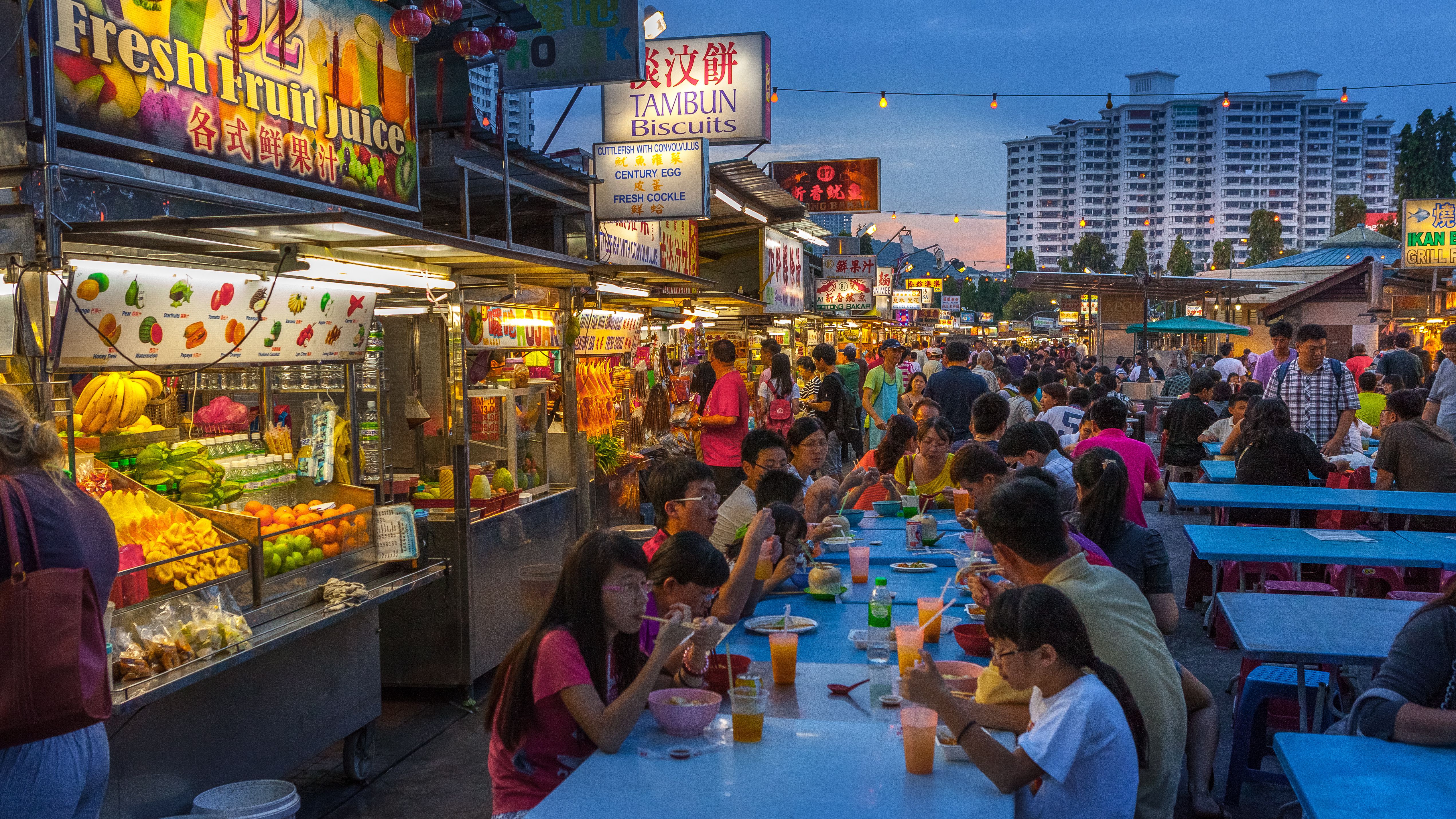
A paradise for food lovers
Penang cuisine is a blend of traditional dishes from Malay, Chinese, and Indian countries, as well as stylized local dishes such as Baba Nyonya or Peranakan – combining indigenous ingredients and cooking methods from both China and Malay. Visitors can find an abundance of these signature dishes in hawker centers and shops throughout George Town.
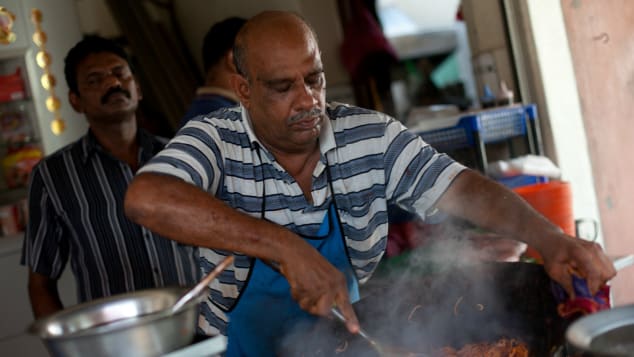
A man is preparing the famous mee goreng mamak, a dish with yellow noodles, beef or chicken, shrimp, soy sauce, vegetables, and egg.
Beyond the city's famous historical buildings in various styles, from the old British colonial castle to Chinese antique shops and mosques, Penang is also an ideal island for strolling and enjoying street food culture.
What makes Penang cuisine so special?
One person credited with contributing significantly to Malaysian cuisine is Norman Musa, a Malaysian chef and restaurateur from Penang. He has not only written cookbooks and organized cooking shows, but he is also considered an ambassador for his country's culinary heritage, promoting authentic local dishes at food festivals abroad and through his restaurants in Manchester, based in the UK. According to Musa, what makes Penang cuisine special is not just its unique dishes, but also the distinctive atmosphere that permeates the streets, with the sounds of cooking and the aromas wafting through the air. "That's something you can only experience in Penang, not anywhere else in Malaysia."

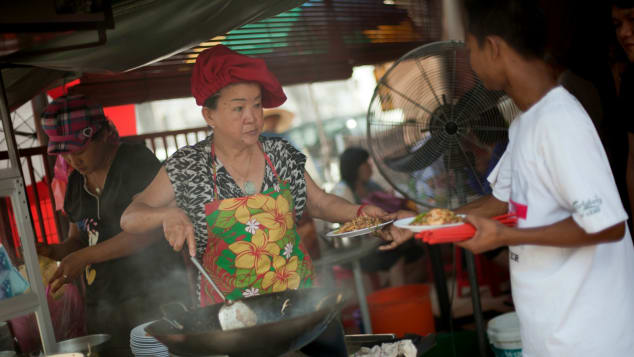
The piping hot kerbside is often served with the delicious char koay teow, a dish of flat noodles mixed with chili sauce, shrimp, tofu, clams, eggs, and sprouts.
Meanwhile, Robyn Eckhardt, a Penang-based food writer, explains what makes Penang's cuisine stand out from other parts of Malaysia: "Many street chefs today are second or third-generation inheritors of stalls in Penang, while street food culture is beginning to disappear in Kuala Lumpur due to modernization. In Penang, there are still artisans and craftspeople who continue their work, not to serve tourists but to meet the needs of the local people. The vendors..."asam laksa"They still pile the fish on top of the noodles. The shrimp paste and soy sauce are still fermented in barrels in the traditional way."
Advice for first-time visitors to Penang.
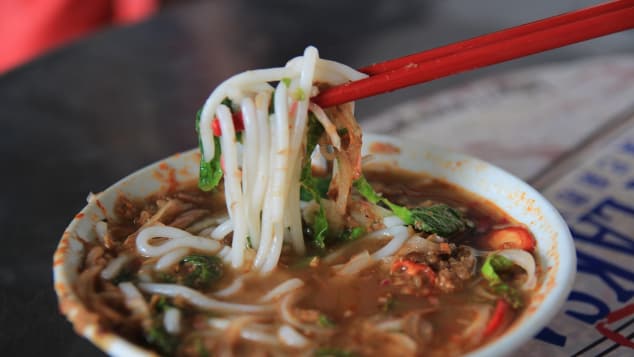
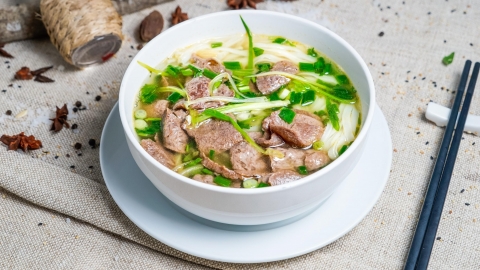
Assam laksa is a dish with a sour fish broth.
If you're unfamiliar with Penang food in particular and Malaysian cuisine in general, try not to get carried away by every stall or think, "I won't leave until I've tasted all the dishes."
However, many of the portions here are relatively small and reasonably priced, meaning you can comfortably try a variety of different dishes.
And to truly enjoy authentic street food, skip the hotel breakfast buffet. Just stroll down the street and seek out the stalls frequented by locals.
Delicious dishes according to experts.
Eckhardt introduces:Char koay teow, asam laksa, nasi kandar, thosai and roti (salty, not sweet like in Thailand), lor bak and koay teow th'ng.
Musa introduces:Nasi lemak, beef rendang, char koay teow, roti canai.