VI
VI


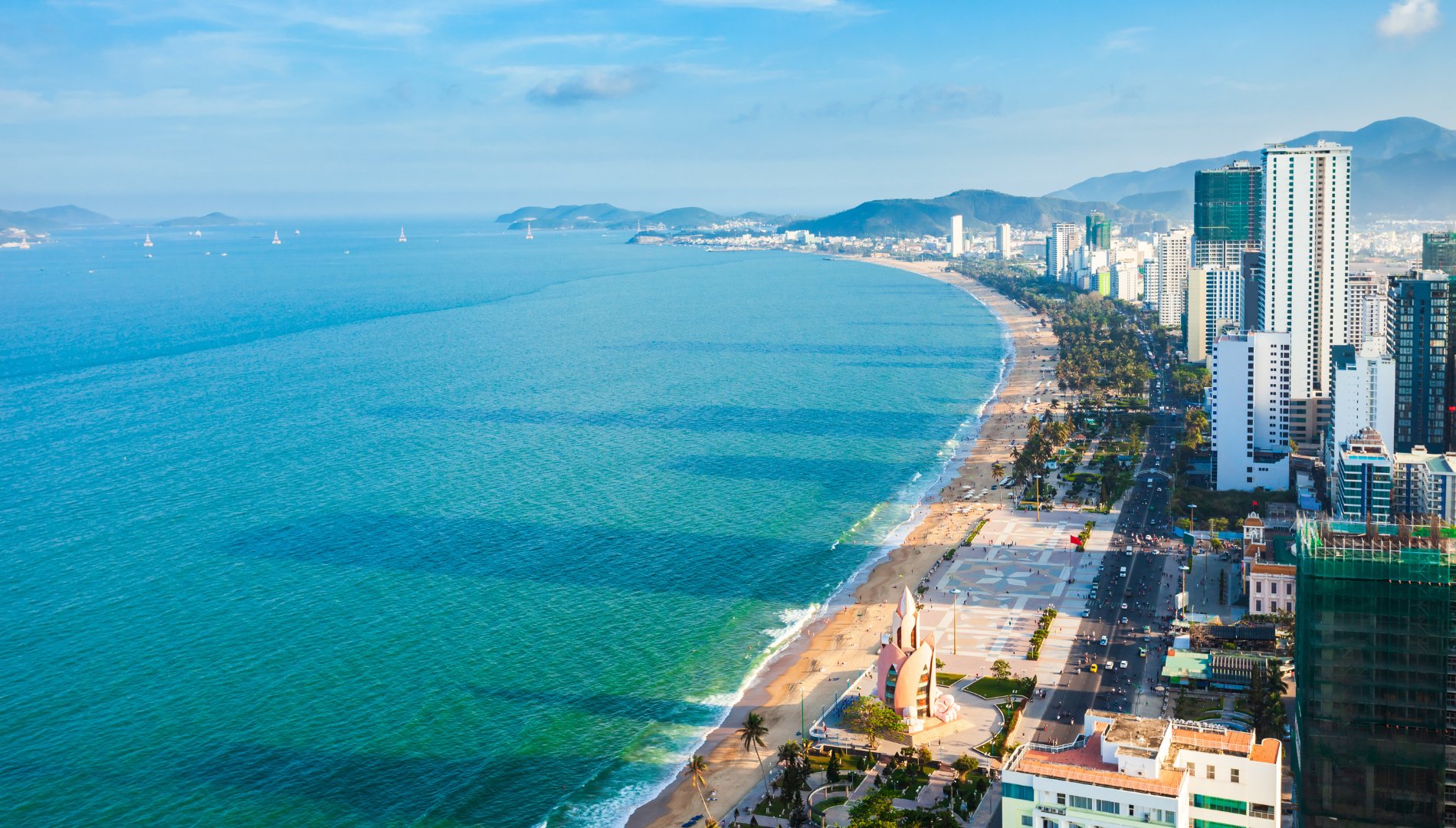
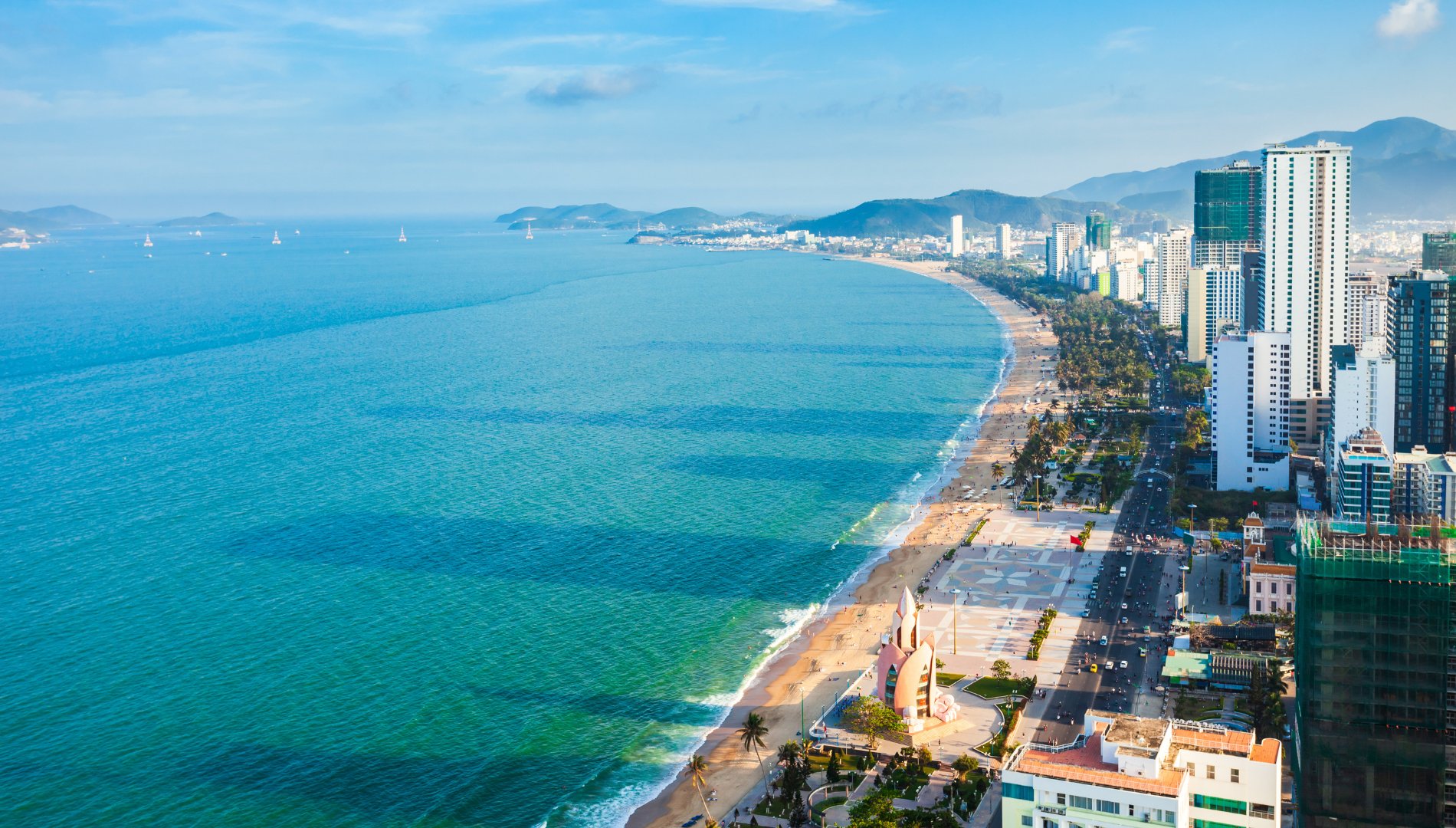
In order to protect the natural beauty, ensure a clean environment, and maintain public order at one of Vietnam's leading coastal tourist destinations, the People's Committee of Nha Trang City has just issued the "Regulations for Nha Trang Coastal Park". These regulations apply to the entire coastal park area, stretching nearly 15km along Tran Phu and Pham Van Dong streets, from Bach Dang Park to Mai Xuan Thuong street.

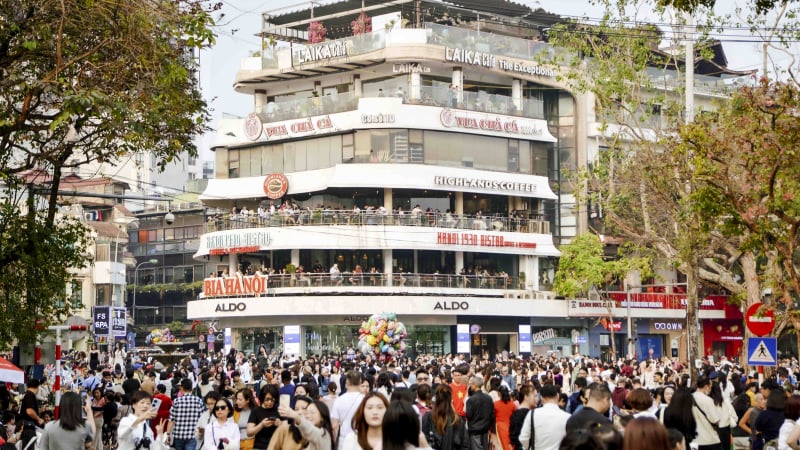
According to the new regulations, both residents and tourists must strictly adhere to the rules of conduct when visiting Nha Trang coastal park. These regulations apply to agencies, organizations, individuals, tourists, and the local community involved in tourism, recreation, and entertainment activities within Nha Trang coastal park.
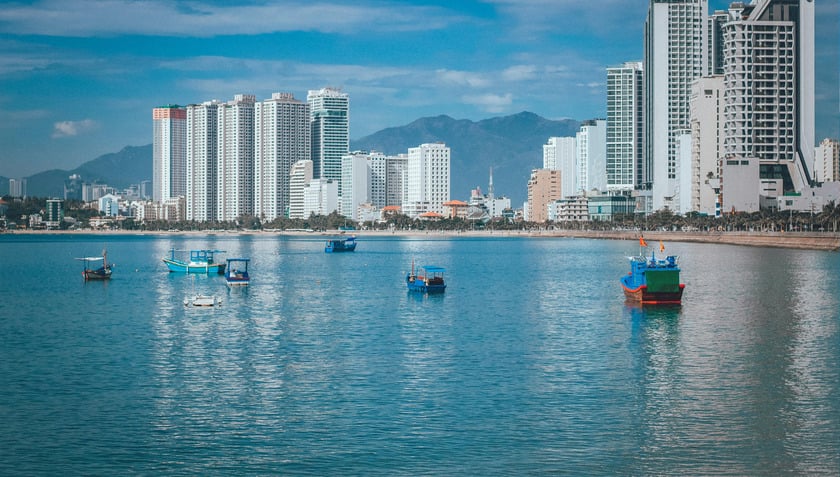
The regulations list 10 behaviors that locals and tourists are not allowed to do at Nha Trang coastal park.
Specifically, organizing sports activities, camping, and recreational events requires written approval from the Nha Trang City People's Committee. The use of the coastal park area for bonfires, kite flying, food and beverage services, and other service activities is also restricted, except in cases permitted by the competent authority.
To protect the landscape and public facilities, residents and visitors are prohibited from lying on park benches, sitting on or stepping on the grass, cutting down, breaking, picking, or damaging trees, flower gardens, and lawns, and from illegally using or damaging equipment, structures, and architectural objects within the park. Personal hygiene is also emphasized, with urinating, defecating, and littering in inappropriate places strictly prohibited.

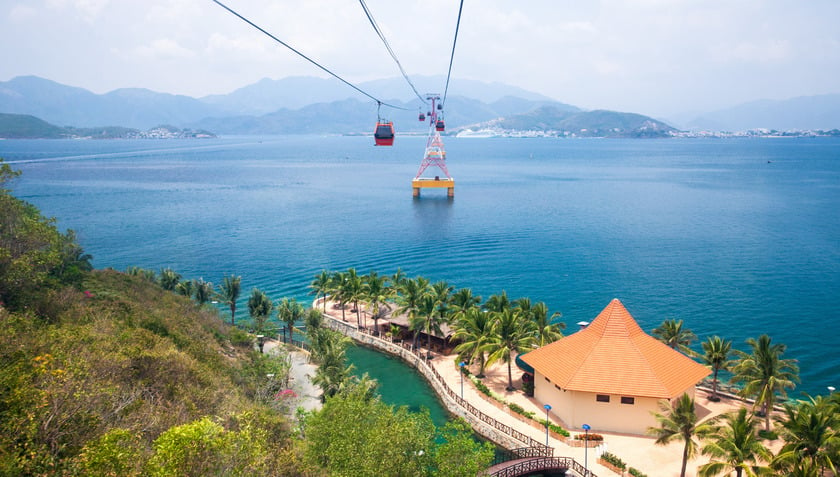
These regulations have been carefully considered based on the current situation in Nha Trang.
The management of domestic animals is also strictly regulated, with penalties applied for allowing animals to roam freely, defecate in coastal parks, or swimming alongside people in the sea. To ensure safety while swimming, fishing near the shore within the bathing area and swimming outside of marked buoys or areas with signs prohibiting swimming are also prohibited.
Beach sports activities are also restricted, with football and volleyball being banned in coastal parks. To protect transportation infrastructure, driving vehicles on flowerbeds, lawns, and walking paths in parks, as well as parking in prohibited areas, will also be penalized.
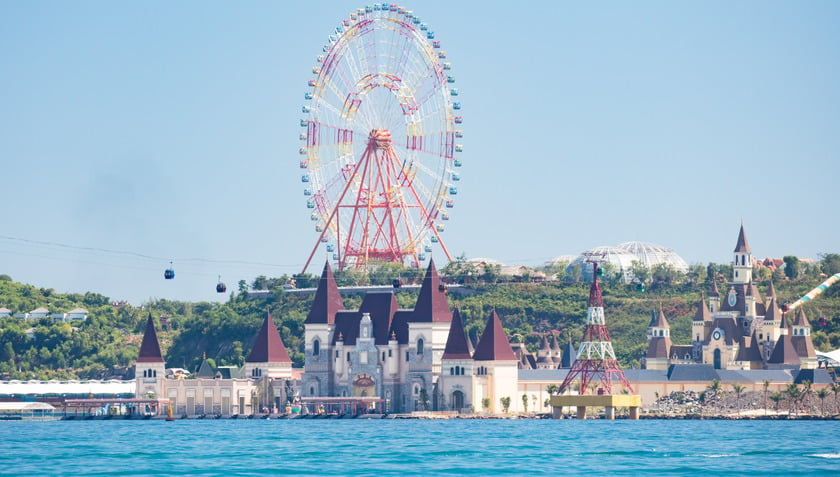
This is an opportunity for locals and tourists to work together to protect the landscape.
Finally, allowing water-based recreational vehicles to operate in the coastal park (except for rescue purposes) or within the buoyed area, using water fountains along the coastal park for other purposes, and bathing, showering, or washing clothes in the coastal park are all prohibited activities.
With these regulations, the People's Committee of Nha Trang City aims to build a civilized, clean, and safe tourism environment, contributing to improving the quality of life for residents and the experience of tourists visiting this beautiful coastal city.
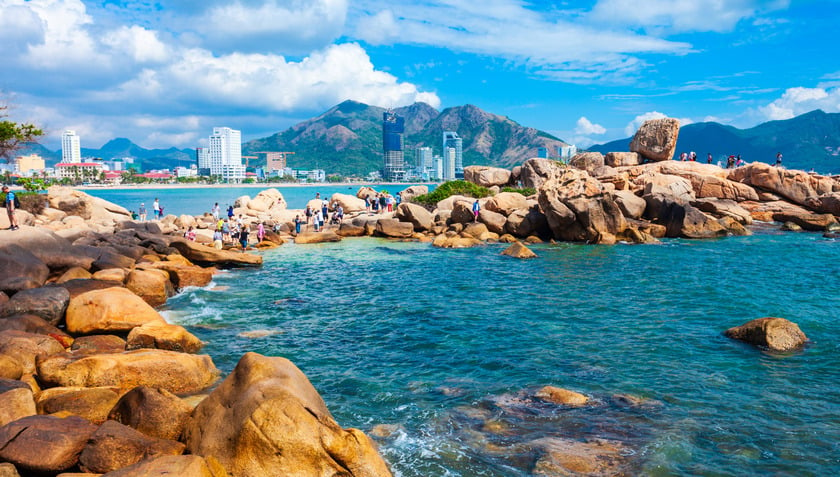
At the same time, this also serves as a driving force for the development of the "non-polluting industry" (tourism, tourism, and healthcare).
With the desire to create a civilized, clean, and safe tourist space, the People's Committee of Nha Trang City has issued strict regulations to protect and maintain the stunning landscape of the coastal park. This is not only an effort to improve the quality of life for local residents but also an investment in memorable experiences for tourists visiting this beautiful coastal city.
Nha Trang's coastal park, stretching nearly 15km along Tran Phu and Pham Van Dong roads, is one of the city's most attractive destinations. Every day, it welcomes thousands of locals and tourists who come to relax, swim, enjoy the fresh air, and admire the stunning natural beauty. However, to protect this valuable space from negative impacts, establishing clear and strict regulations is absolutely essential.