VI
VI


Historical landmarks
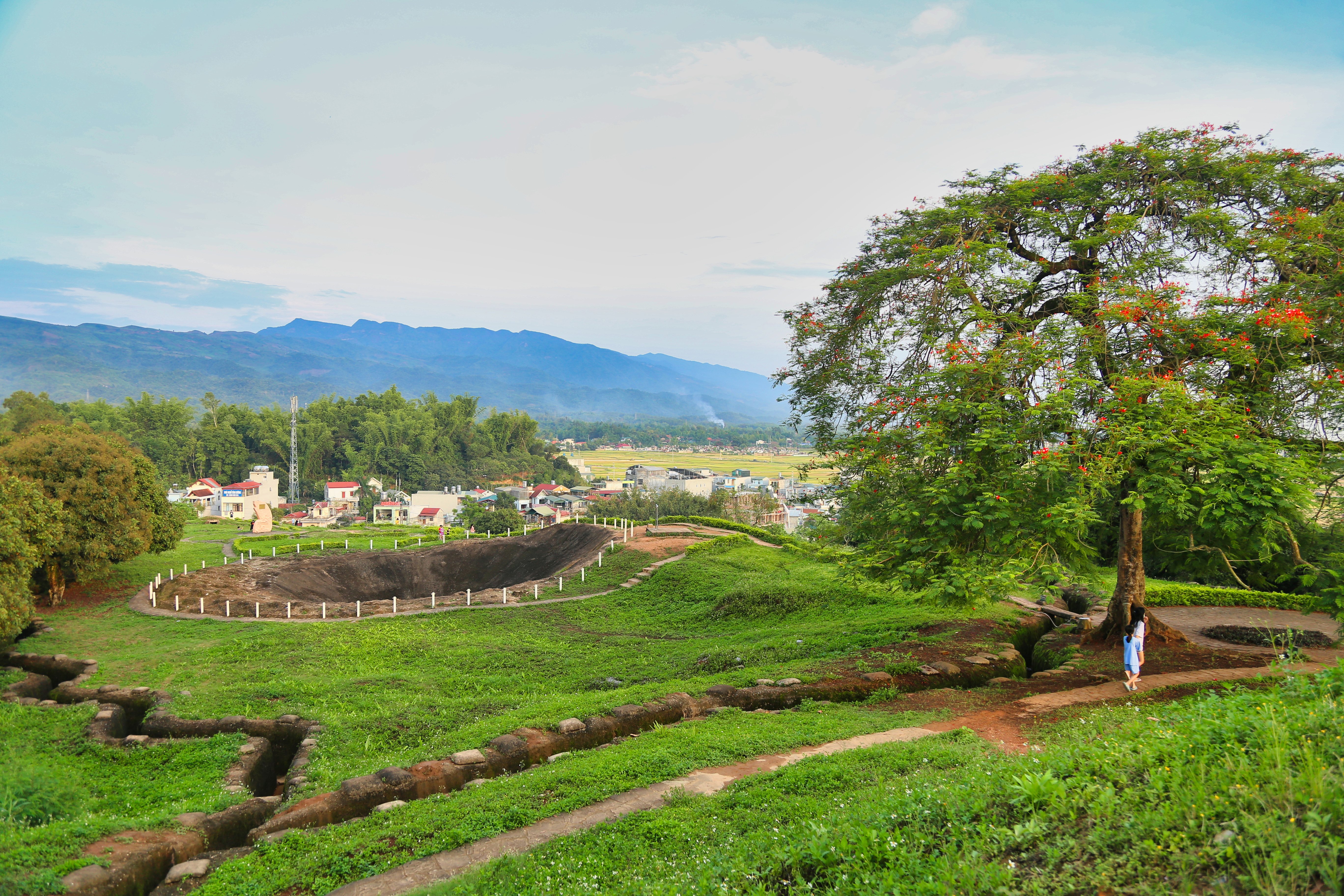
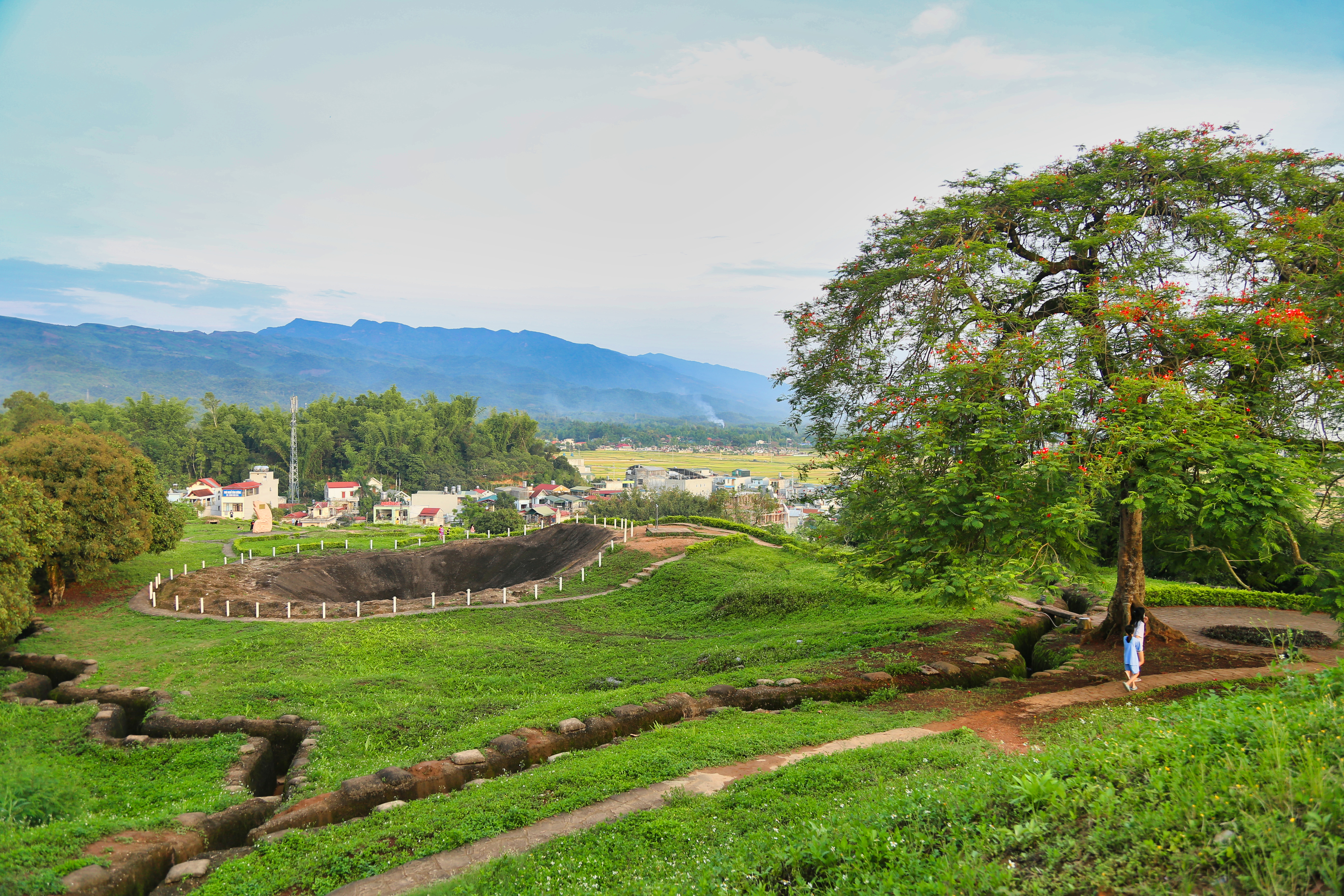
During the Battle of Dien Bien Phu in 1954, Hill A1 was considered the most important stronghold in the French army's defense system protecting the central Muong Thanh area. At this stronghold, the French deployed a large number of troops with strong firepower, a complex system of fortifications, and a solid battleground.
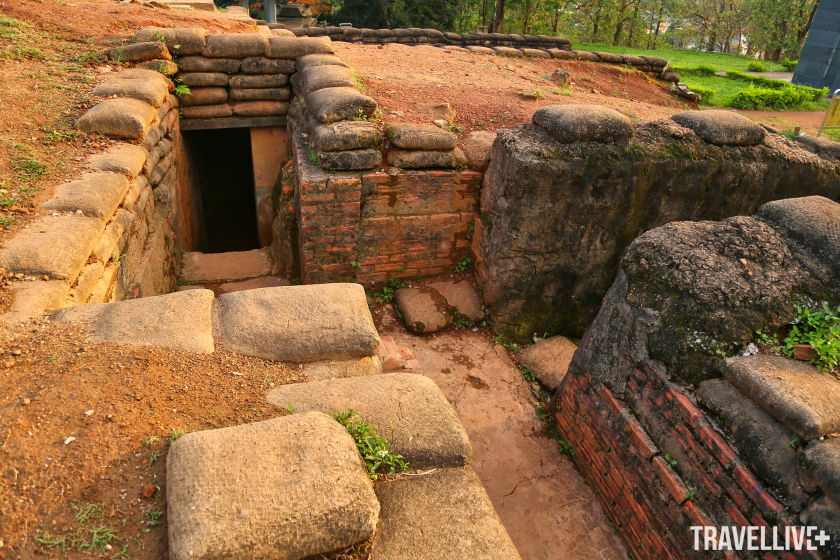
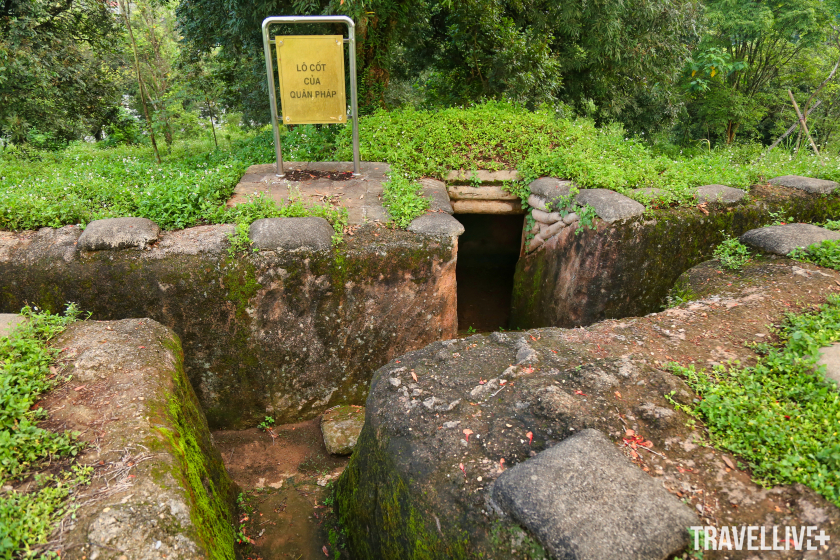
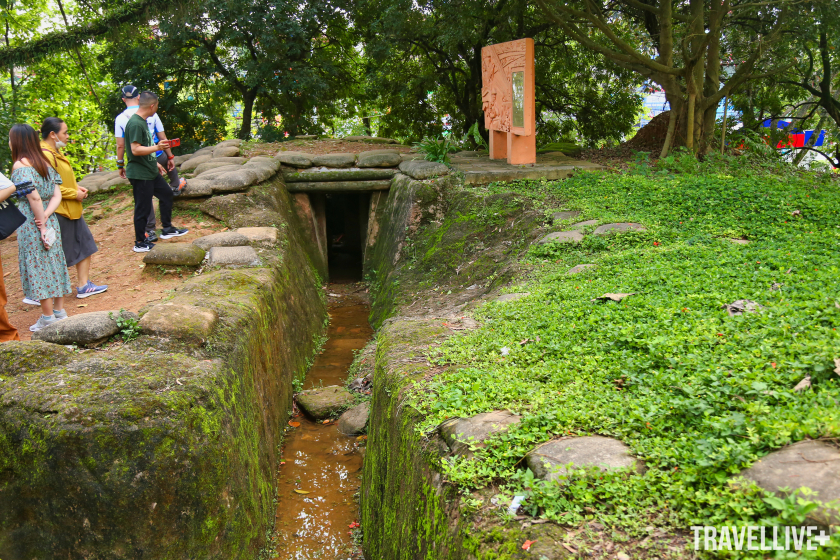
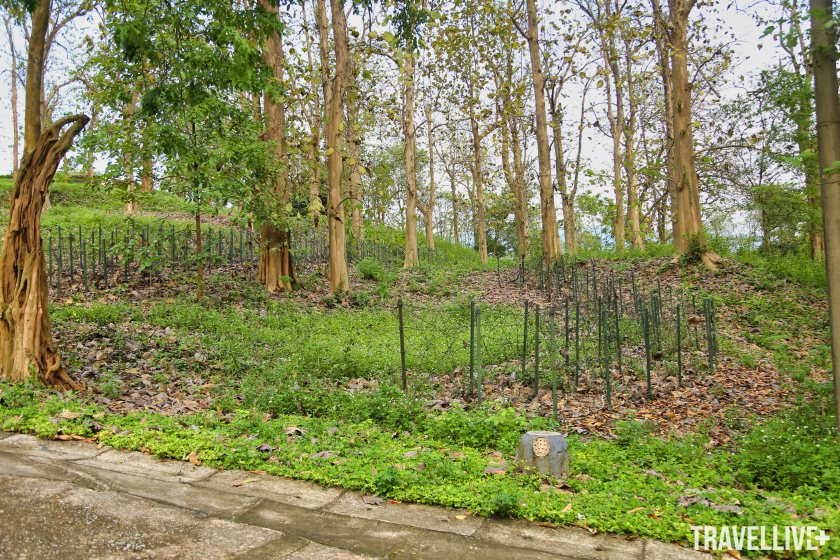
The (recreated) barbed wire fence system and the intricate, fortified fortifications of the French army.
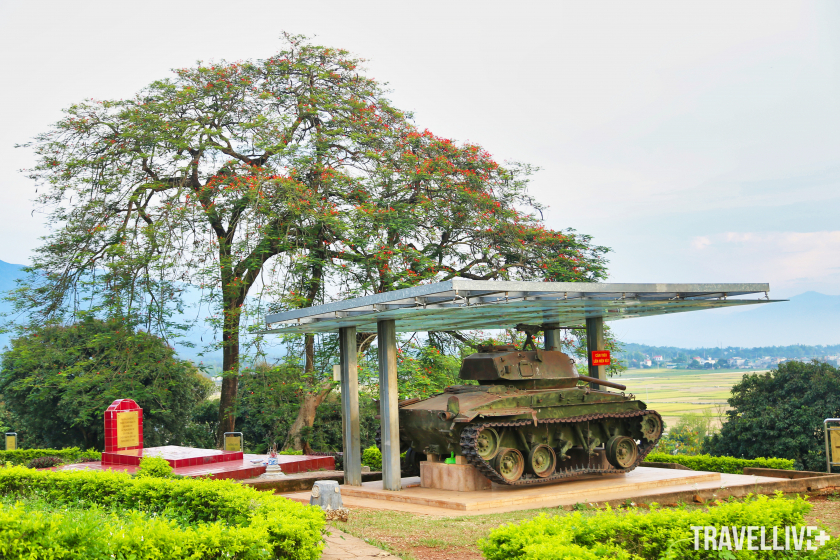
At this stronghold, our troops eliminated many enemy soldiers and their military equipment – such as the Bazeille tank, now on display on Hill A1 – but many of our soldiers also lost their lives.
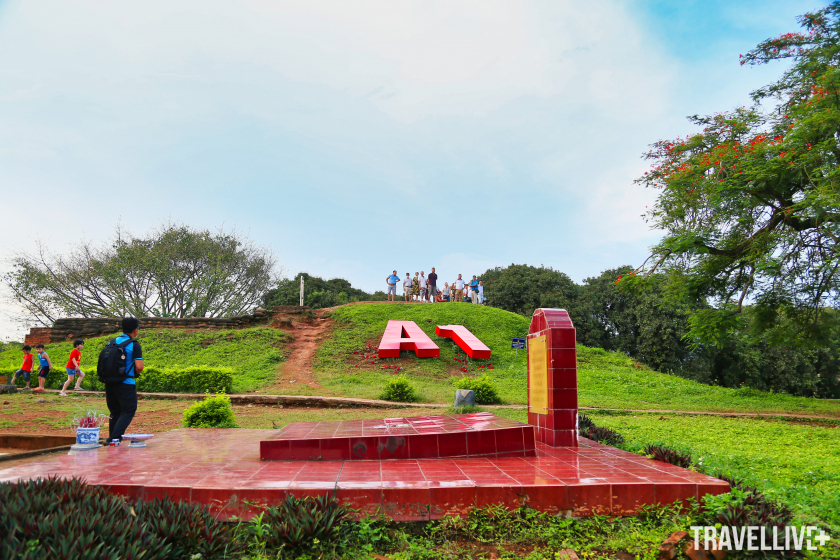
Our troops and the French troops fought for every meter of land here for 39 days and nights.
The attack on Hill A1 was one of the most glorious battles of the Dien Bien Phu campaign. On the night of May 6, 1954, our forces detonated a 960 kg explosive charge – brought close to the command bunker of Hill A1 by digging an underground tunnel. By 4:30 a.m. on May 7, 1954, the final day of the campaign, our troops had completely taken control of this important stronghold, and a few hours later captured General De Castries, ending the campaign.
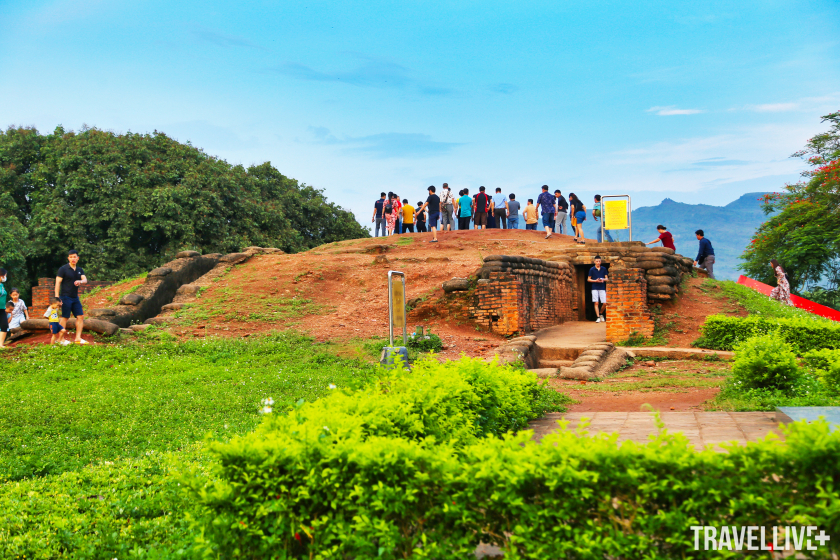
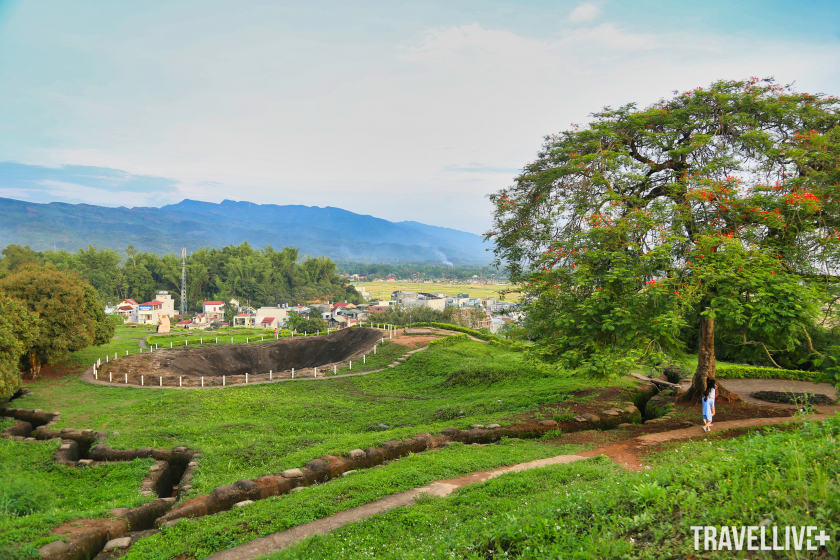
This crater was created when our troops detonated a 960 kg explosive charge on the night of May 6, 1954, marking the beginning of the battle to capture the command bunker at A1 stronghold.
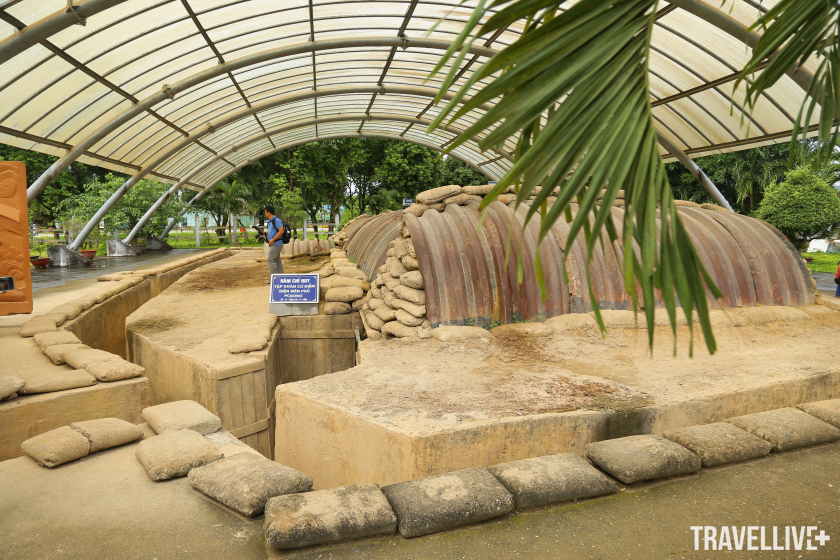
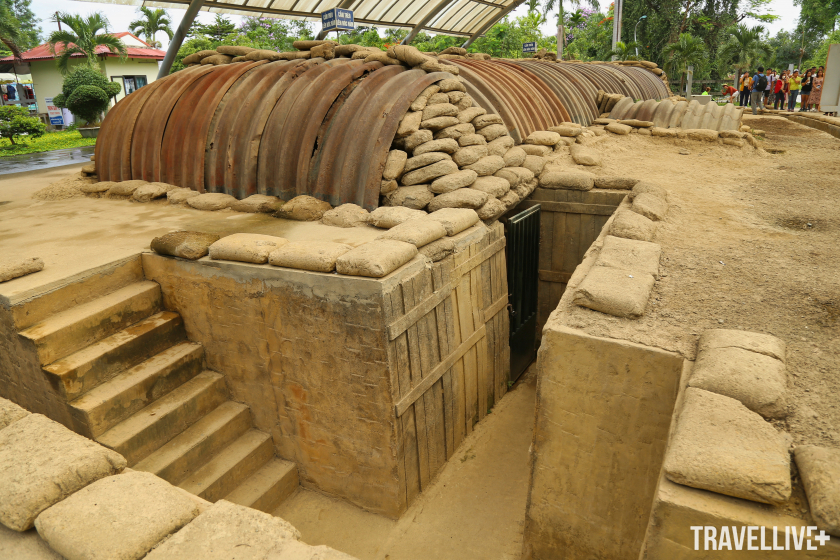
The De Castries Bunker is the site where, at 7:30 AM on May 7, 1954, our troops captured General De Castries, the commander of the French Dien Bien Phu stronghold, thus ending the campaign.
A peaceful Dien Bien
Dien Bien Phu, once a fierce battlefield, has now become a peaceful and attractive city for tourists. Besides historical sites, the city also boasts stunning tourist attractions and beautiful scenery. Among them is the Him Lam stilt house – the largest wooden stilt house in Vietnam, located in the Him Lam Eco-tourism Area (Group 6, Him Lam Ward, Dien Bien Phu City, Dien Bien Province), about 4 km west of the city center.

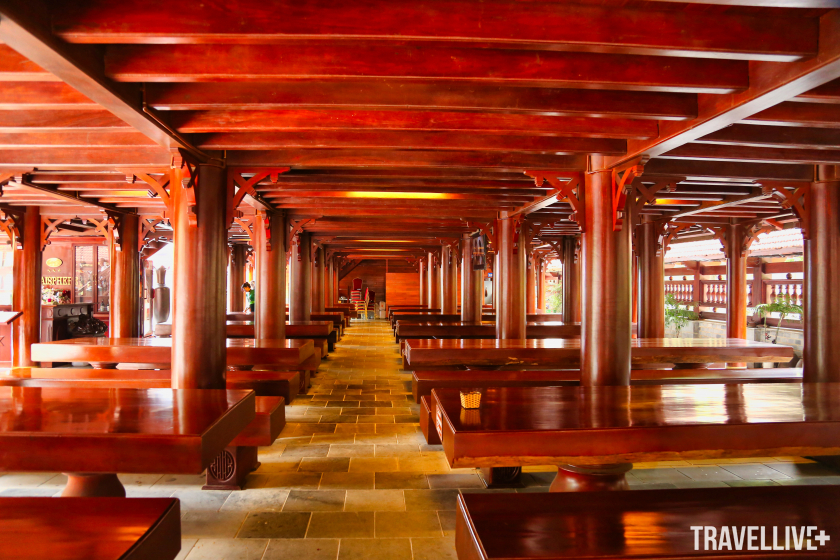
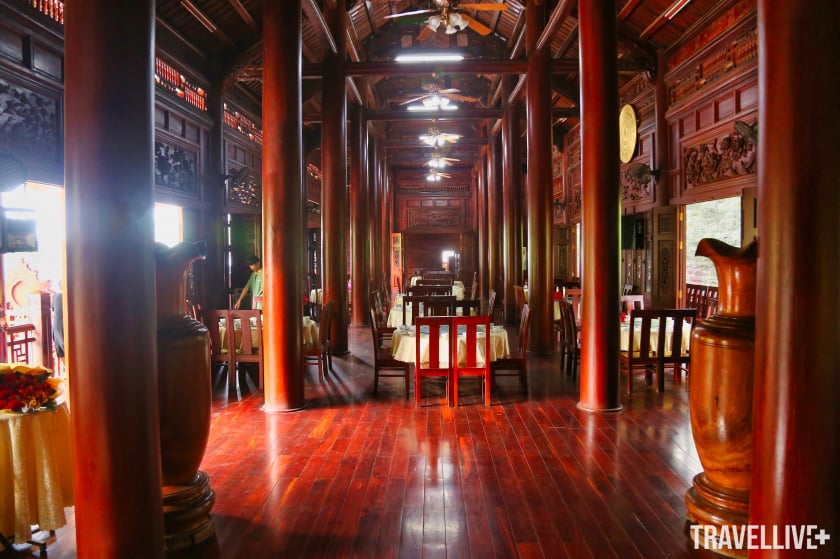
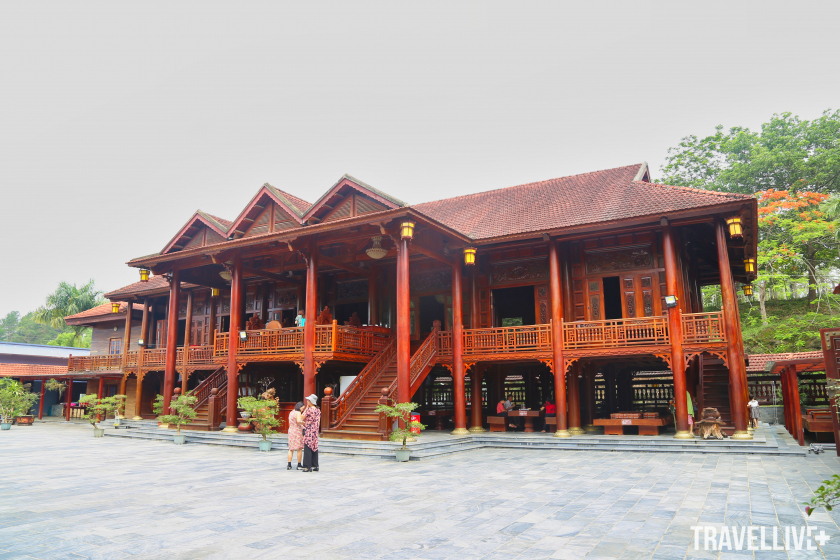
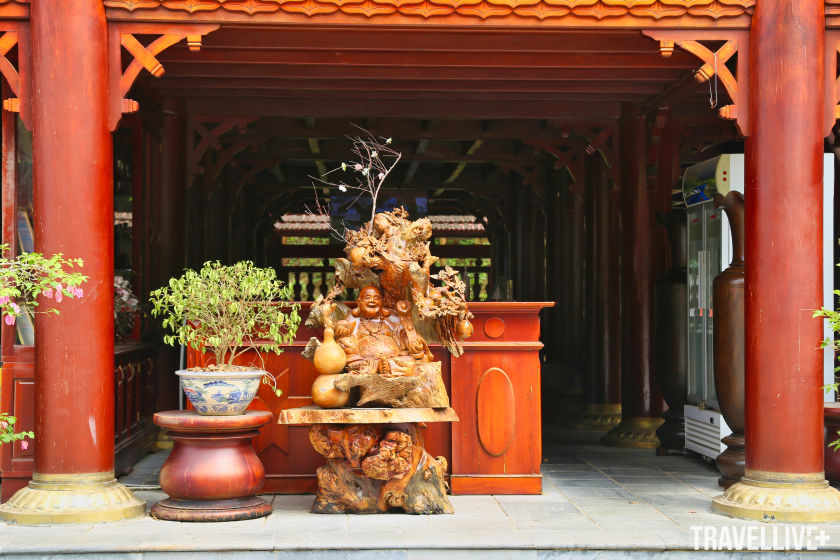
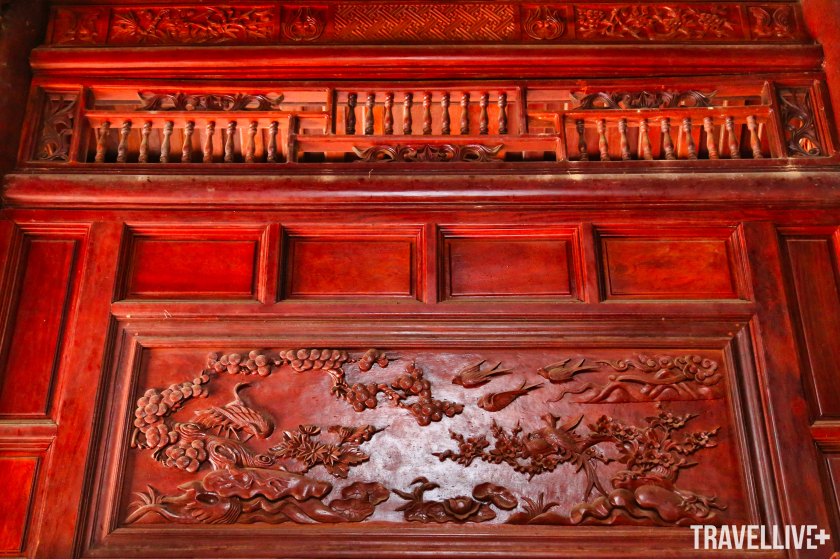
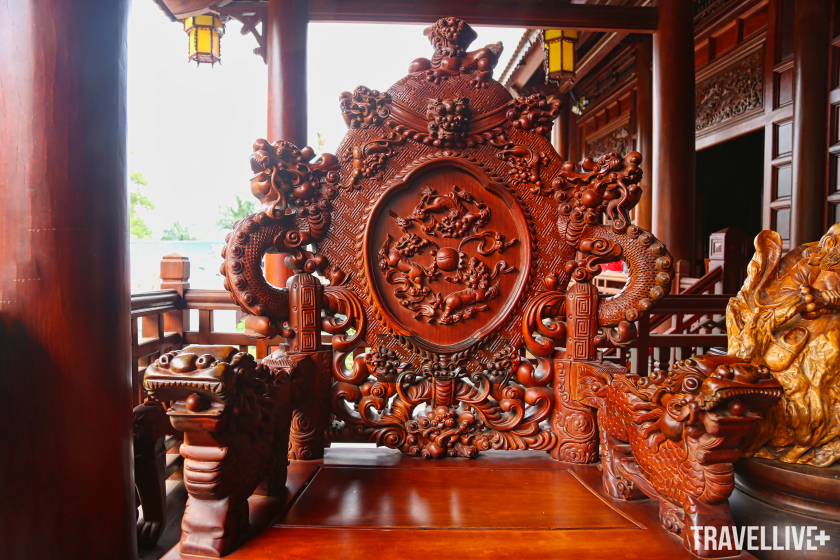
Him Lam stilt house made of ironwood.
Located right next to the large Huoi Pa lake, within a lush green ecological tourist area, Him Lam stilt house is a must-see destination for visitors to Dien Bien Phu city.
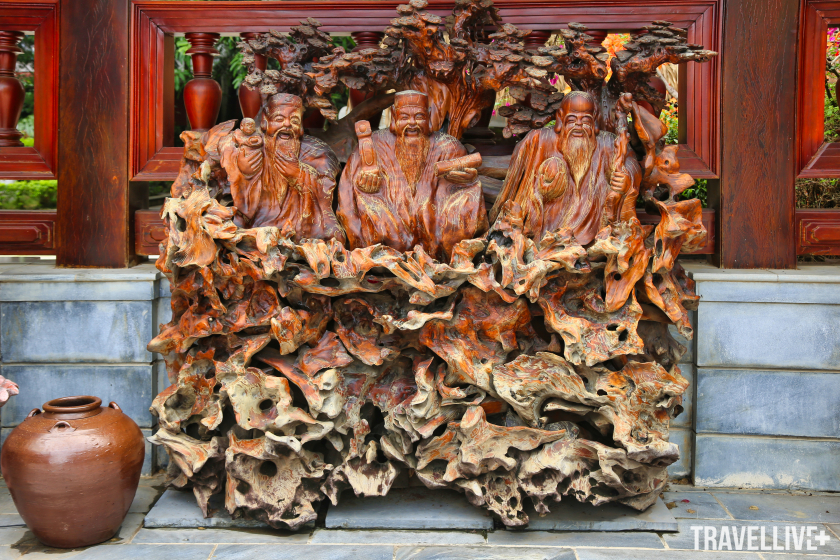
The stilt house was built from nearly 500 square meters.3The house is constructed from ironwood and 3.5 tons of copper (covering the column bases), with a total of 64 pillars, two stories high, each story consisting of seven bays, 3.8 meters wide, and four staircases (two main staircases in the middle and two side staircases). The lower floor features 14 sets of solid sandalwood beds. The entire stilt house is decorated with many exquisitely and elaborately carved wooden details.
Another landmark associated with Dien Bien Phu city is the Muong Thanh plain. This is the largest rice field in the Northwest region, stretching over 20 km in length and approximately 6 km in width within the Muong Thanh basin.
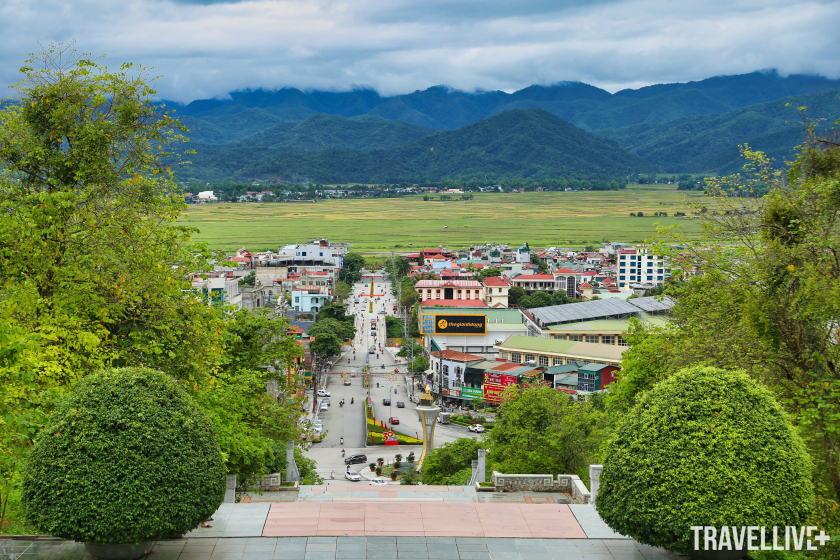
A view of Dien Bien Phu city and the Muong Thanh plain, seen from the top of Hill D1.
In mid-May, as the villagers were harvesting the winter-spring rice crop, the fields of Muong Thanh were bustling with laughter and chatter, and plumes of smoke rising from the burning rice stubble stood out against the backdrop of the surrounding mountains.
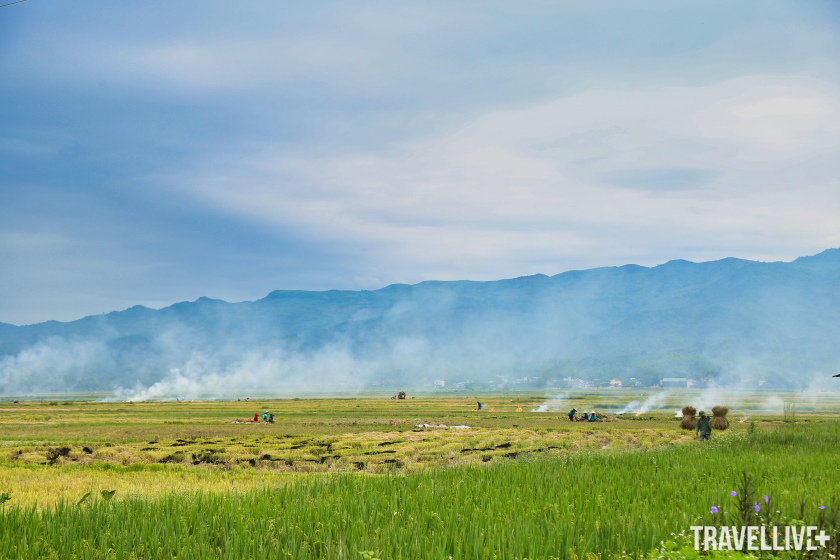
The smoke from burning fields drifted lazily across the distant green mountain range.




Farmers carry bundles of ripe, golden rice stalks, gathering them along the roadside. Then, tractors loaded with ripe rice travel back and forth to the villages, creating a unique scene of peaceful rice fields on a May afternoon.