VI
VI


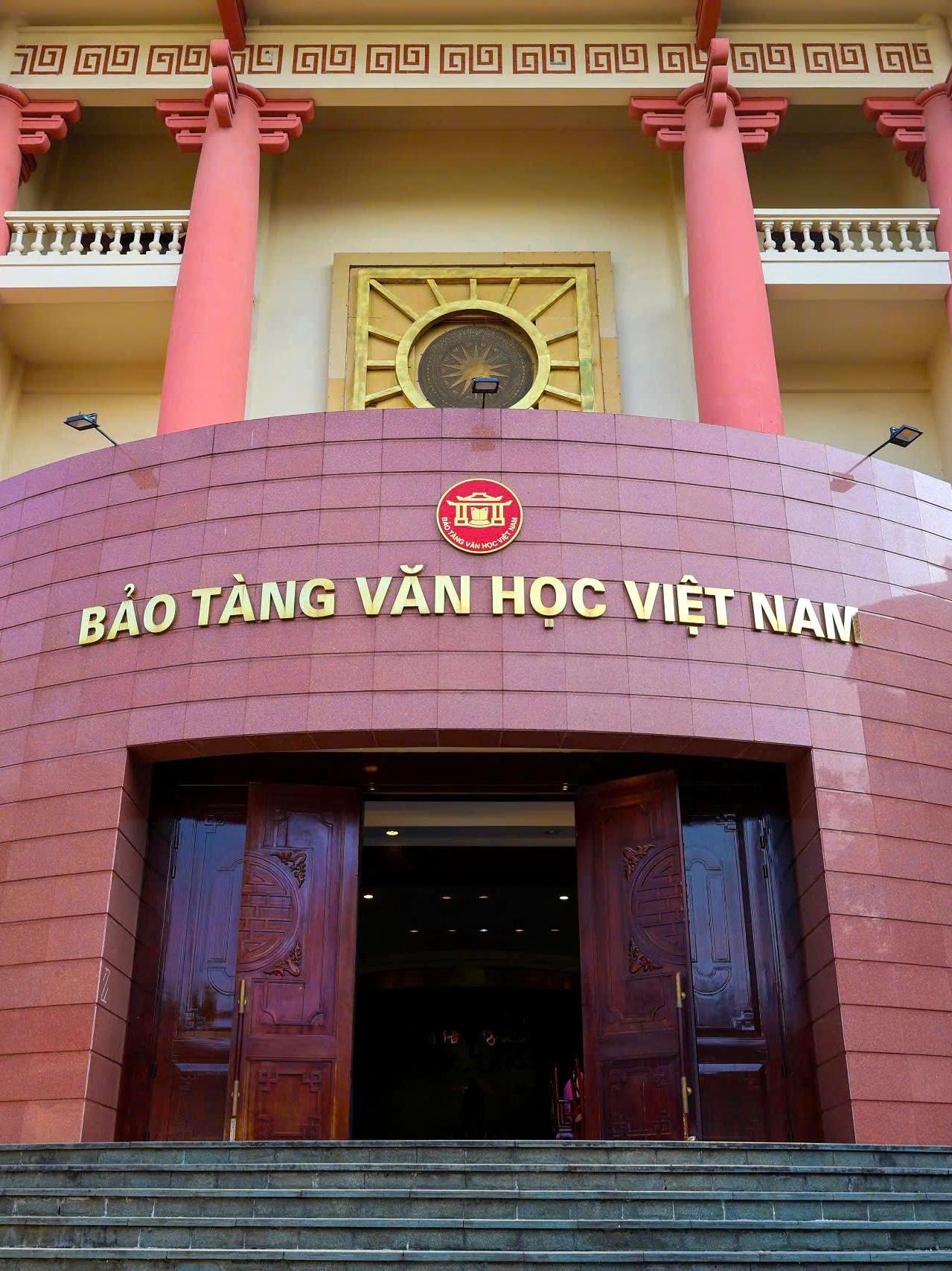
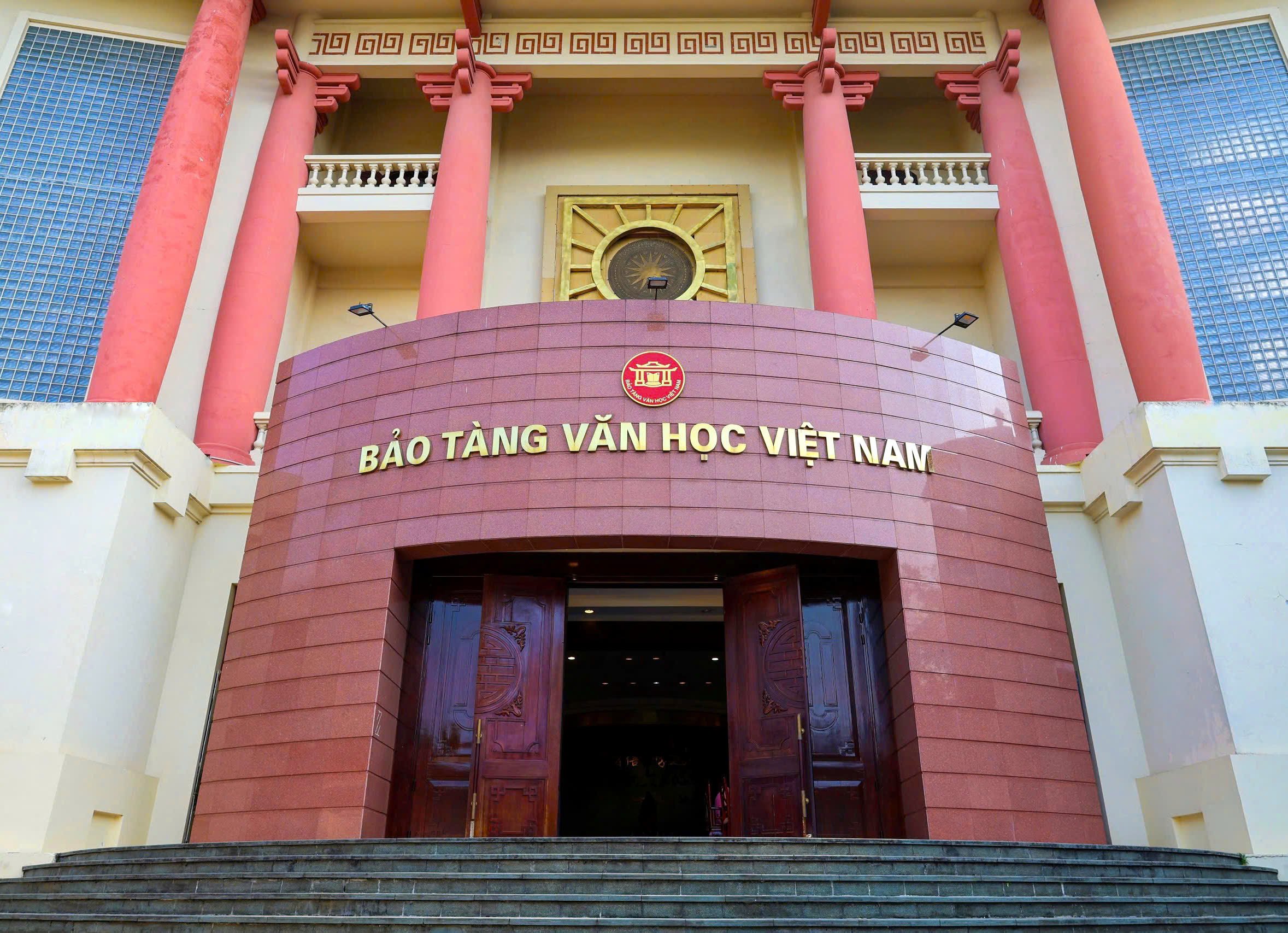
The museum is located at 275 Au Co Street, Quang An Ward, Hanoi, on land that was once the Quang Ba Writing School of the Vietnam Writers Association in the 1960s and 70s. It preserves the legacy of great writers and poets, and is part of the nation's literary heritage. The choice of this location not only demonstrates respect for previous generations of writers but also creates a meaningful destination for future generations to learn about and appreciate the cultural values left behind by their ancestors.
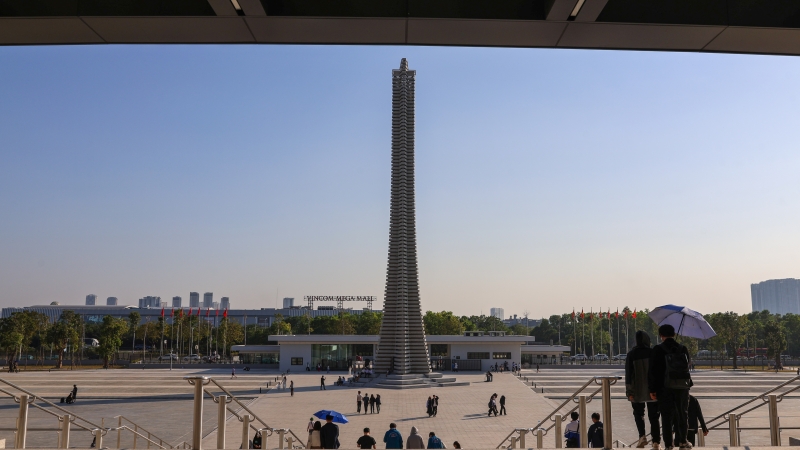
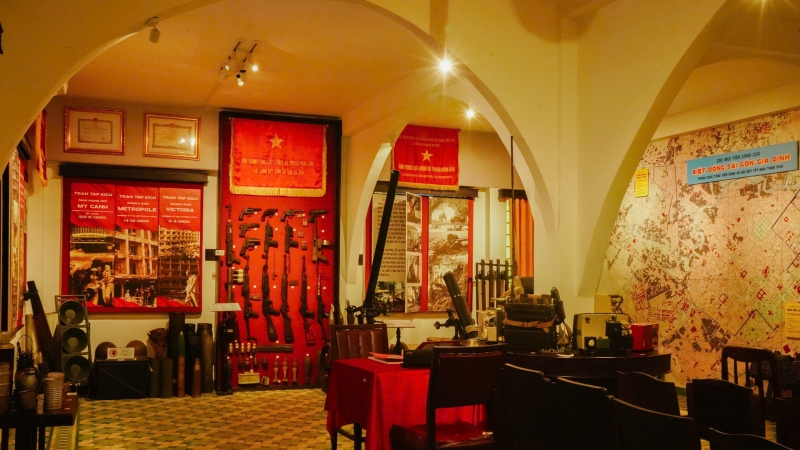
Spanning over 3,000 square meters, the Vietnam Literature Museum is divided into two main exhibition sections: outdoor and indoor, reflecting the entire development of Vietnamese literature throughout historical periods. The museum has two exhibition sections: an outdoor exhibition and an indoor exhibition.
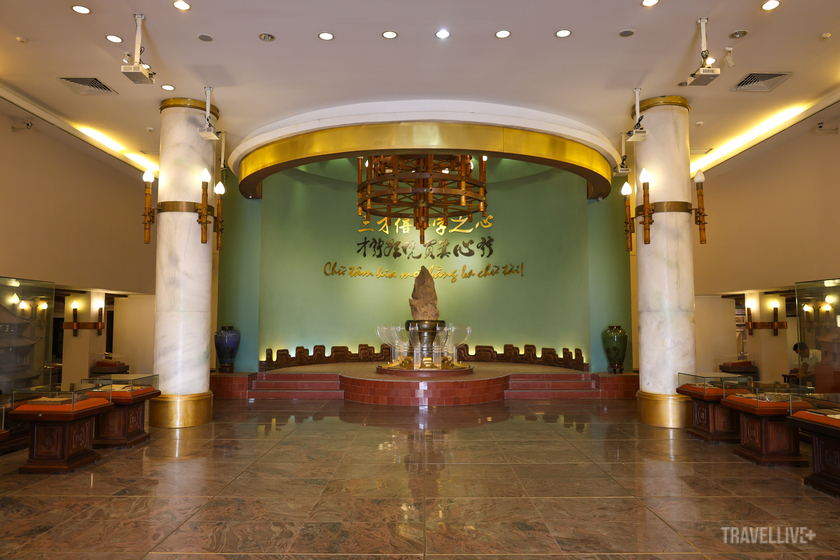
The first floor features the "Sacred Stone" as its central image – a symbol of the pen and creative passion of generations of writers and poets.
In the outdoor exhibition area, ceramic reliefs depicting familiar legends and folk tales are displayed, along with 20 statues of prominent literary figures from ancient and medieval times. These sculptures are not only artistic artifacts but also symbols of Vietnam's rich and diverse folk literature, evoking traditional stories and poems deeply rooted in national identity.
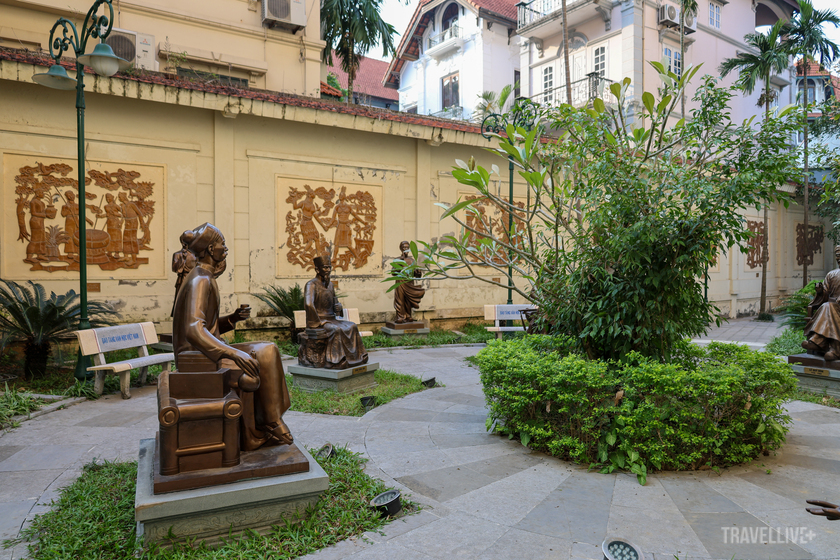
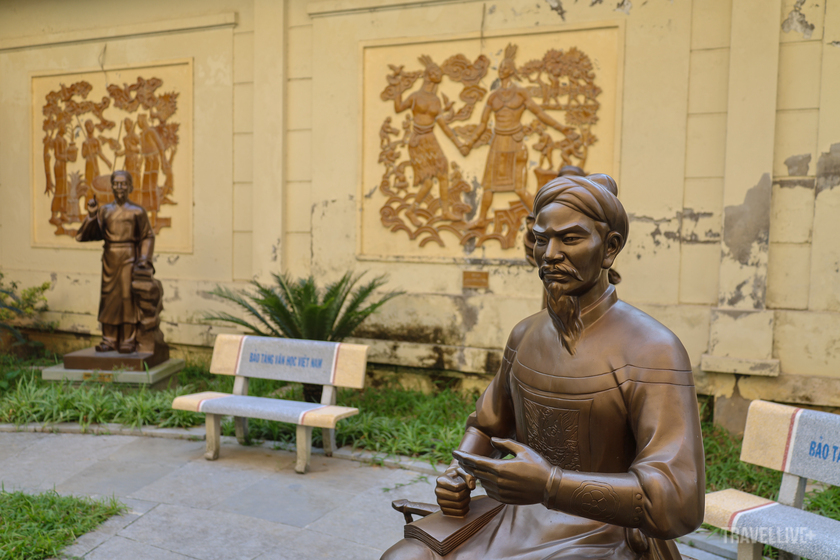
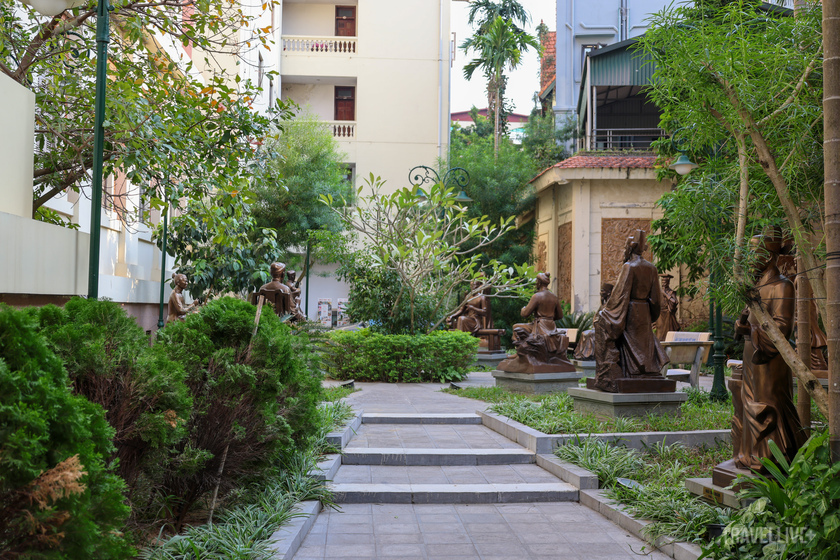
Outdoor space at the museum

The indoor exhibition, spanning over 2,000 square meters, currently houses thousands of artifacts and documents related to famous writers from the Ly Dynasty to the present day. The indoor exhibition is arranged across three floors, each focusing on a particular period of Vietnamese literature.
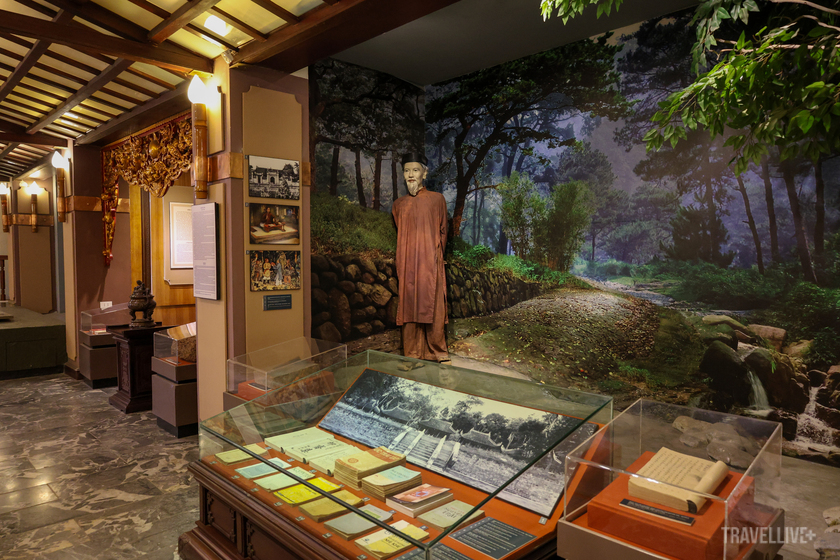
- Floor 1: Here, visitors will find artifacts and documents about literature from the ancient and medieval periods (10th to 19th centuries). In addition, the museum showcases the education system and the imperial examinations during the feudal era, creating a realistic and comprehensive picture of life, learning, and examinations in Vietnam in the past.
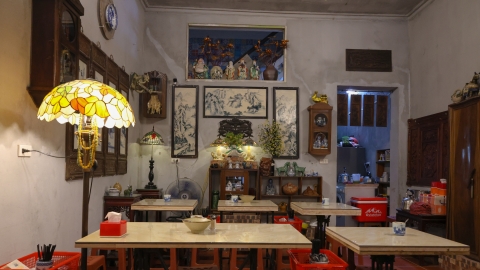
- Floor 2: This space honors writers who have won the Ho Chi Minh Prize and showcases achievements in Vietnamese literature in the early 20th century. This floor also features the "Xom Choi Cultural Space" complex, a vibrant model recreating the headquarters of the Vietnam Association of Literature and Arts during the resistance against the French.
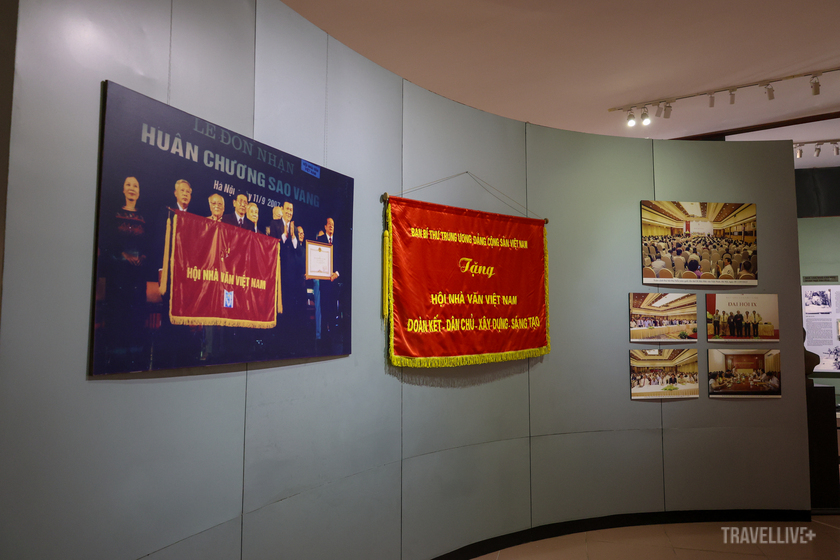
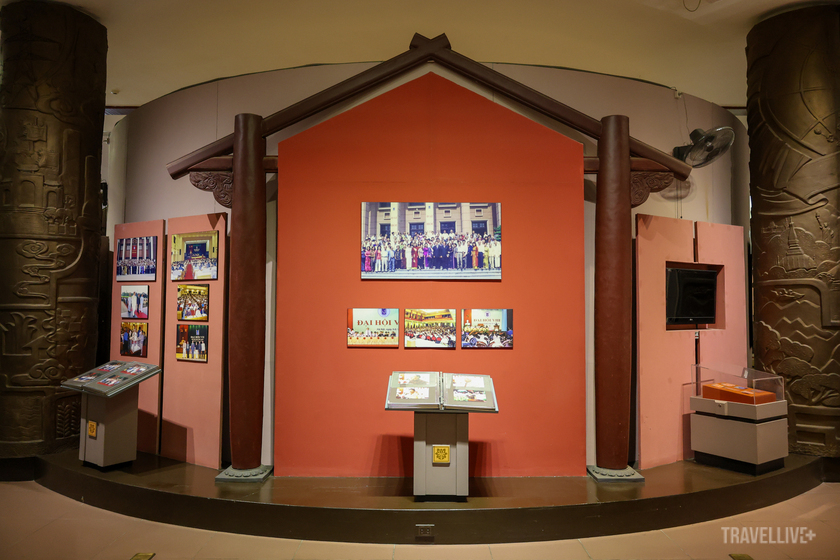
- Floor 3: This floor honors writers who have won State Prizes and showcases the congresses of the Vietnam Writers Association. Floor 3 helps visitors understand more about the role and contributions of writers in the country's literary and cultural movements. Besides the main exhibitions, the museum also has thematic exhibitions on "Vietnamese Rural Cultural Living Space" and "International Cooperation," offering visitors insightful perspectives on Vietnamese village life through literary works such as "Chi Pheo," "Tat Den," and cultural stories from old villages.
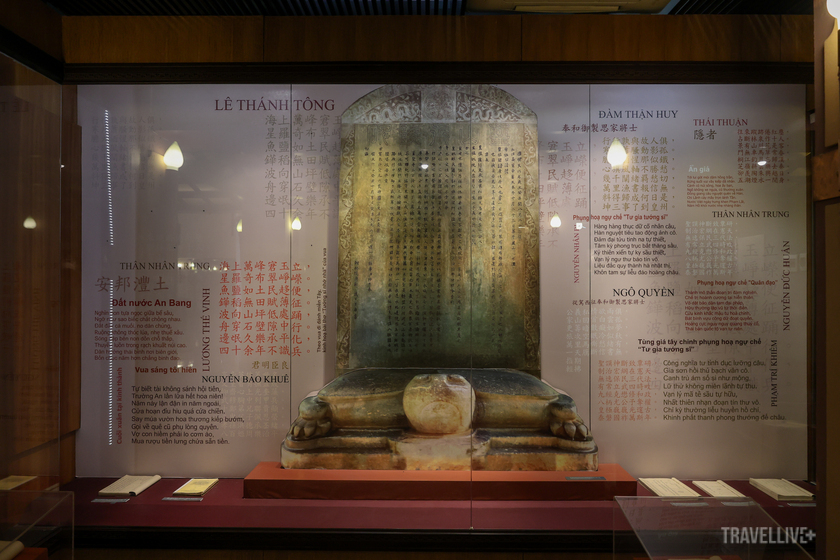
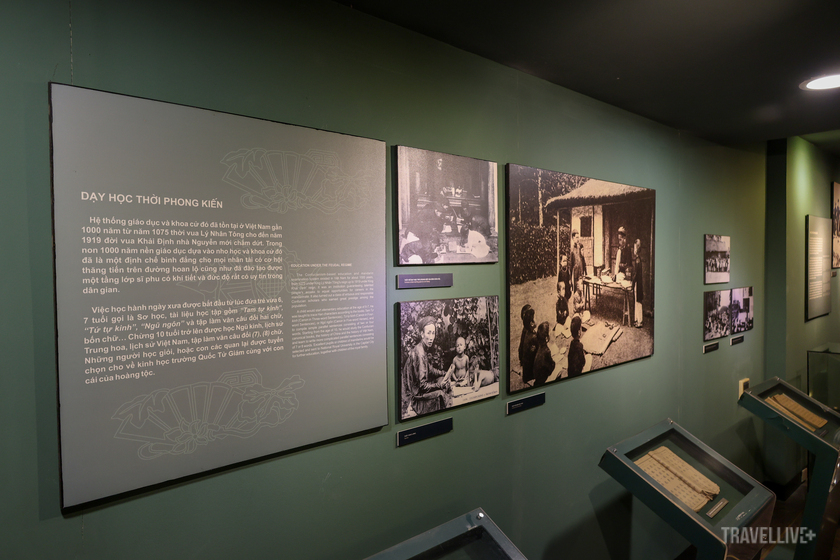
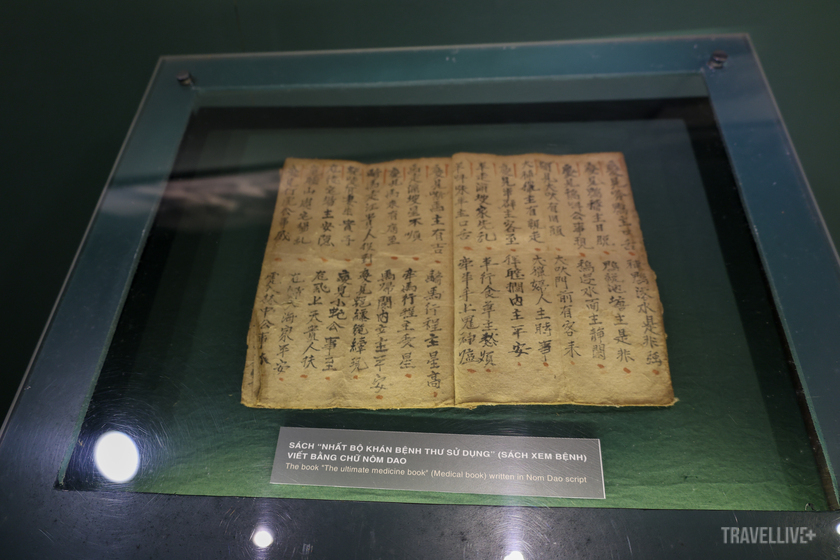
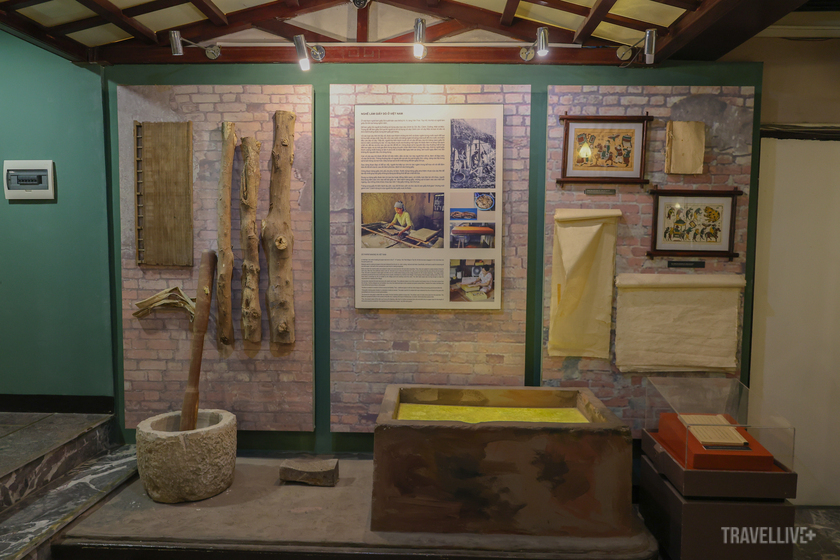
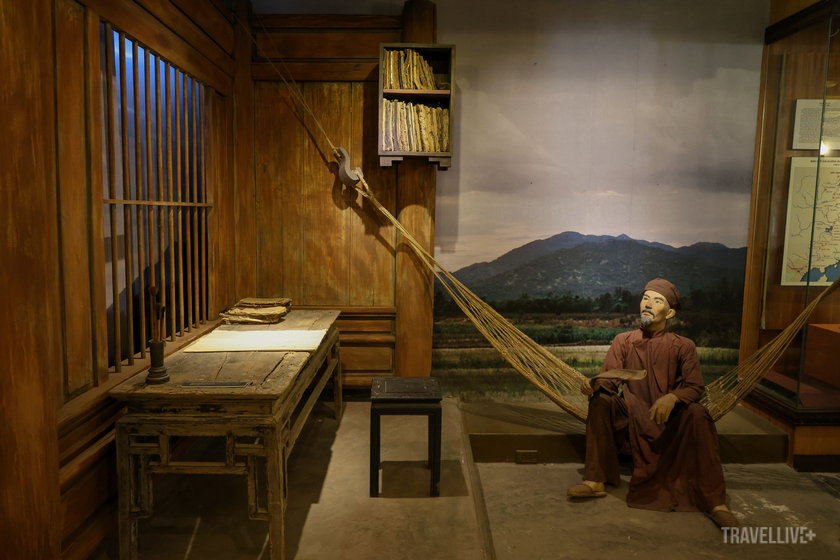
The artifacts and documents are displayed and recreated.
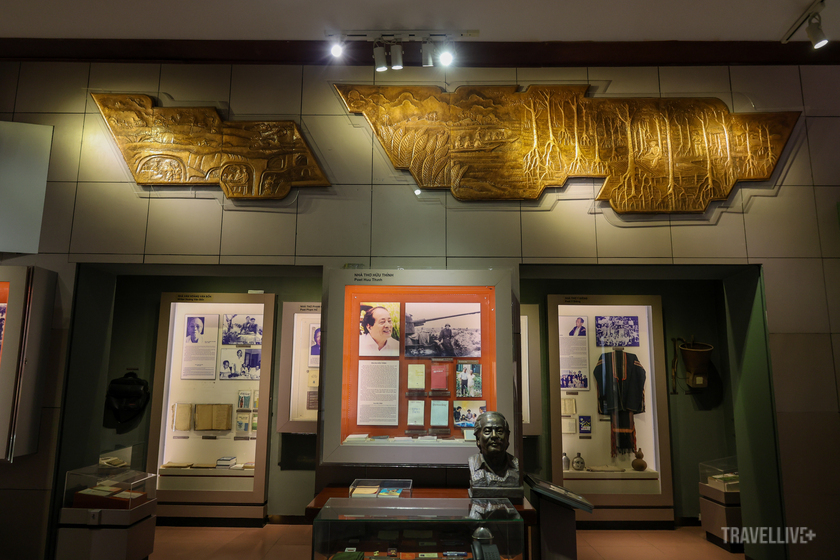
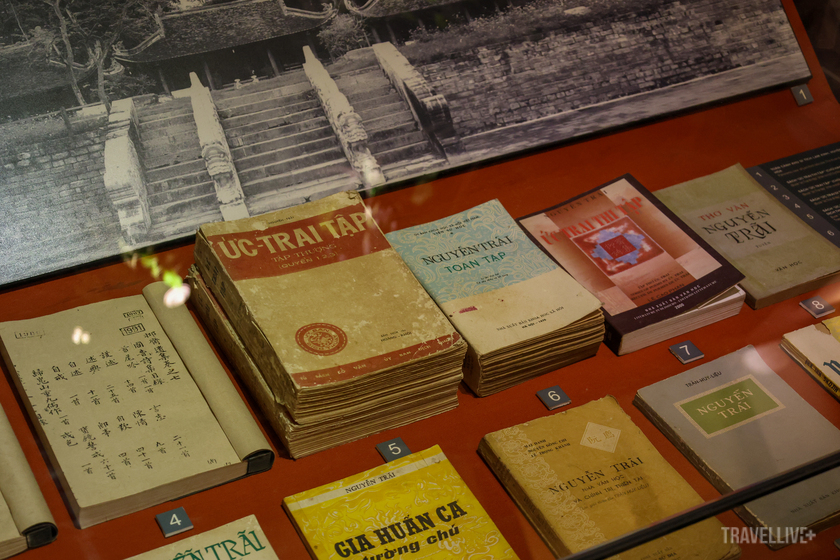
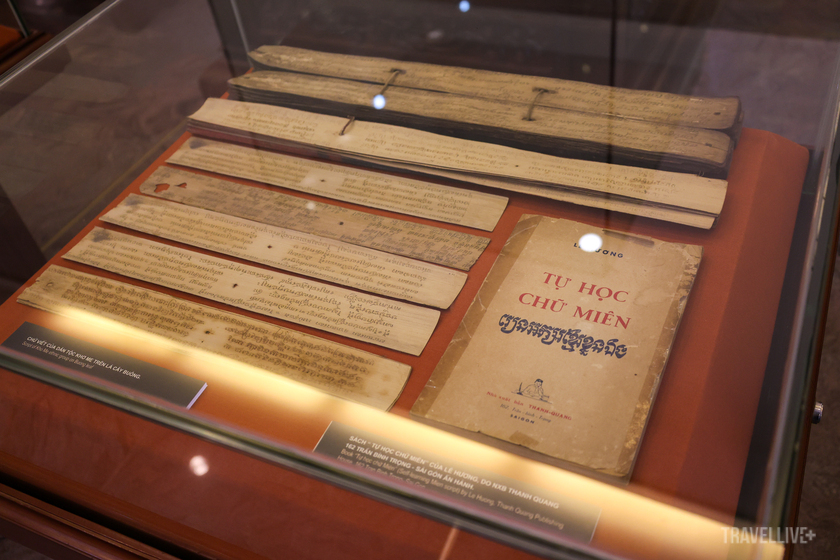
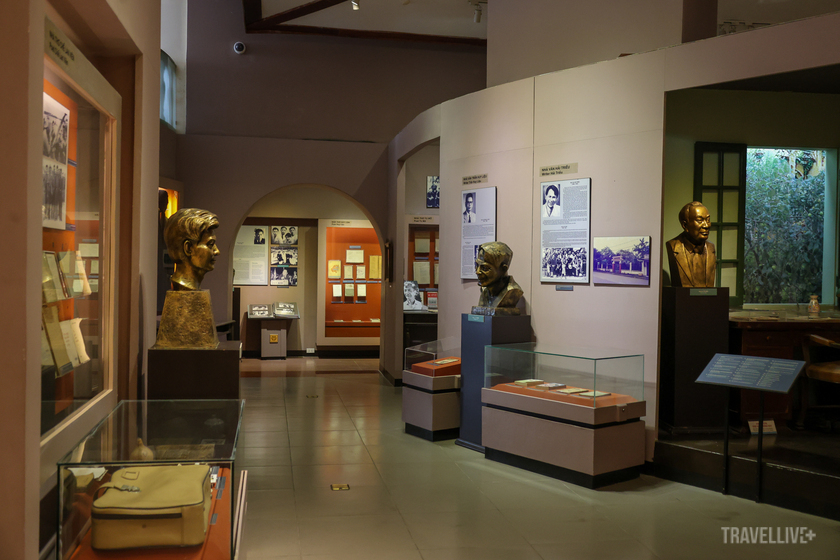
The Vietnam Literature Museum has created a space to honor famous writers in the history of Vietnamese literature such as Nguyen Du, Nguyen Trai, Nguyen Dinh Chieu, Nam Cao, Xuan Dieu, and many others. The exhibits, including writing desks, books, handwritten manuscripts, and personal mementos of these famous writers, all tell authentic stories about their creative process and lives.
Among the museum's remarkable exhibits, a prominent one located in the center of the first floor is the "Sacred Stone"—a symbol of the pen and creative spirit of generations of writers, placed prominently on a Dong Son bronze drum. This is not only a unique artifact but also a profound cultural symbol, recalling the rich cultural heritage of the nation and the significant contributions of writers to the development of Vietnamese literature.
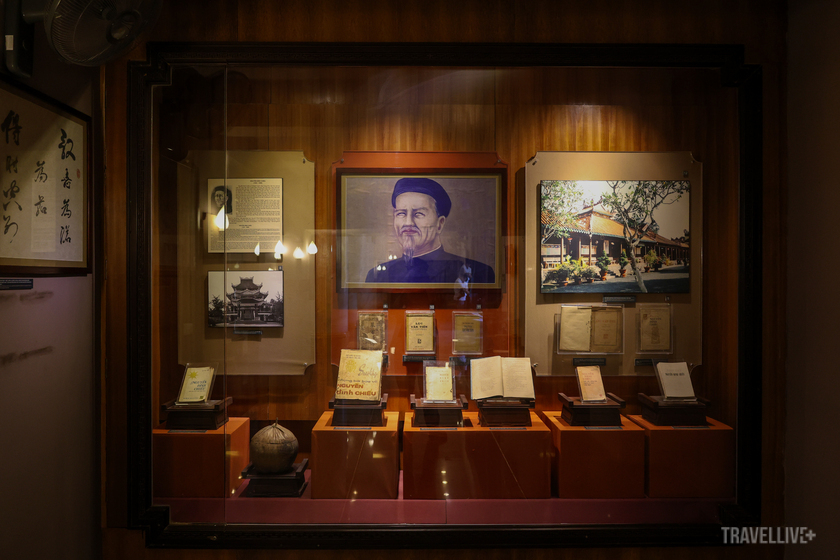
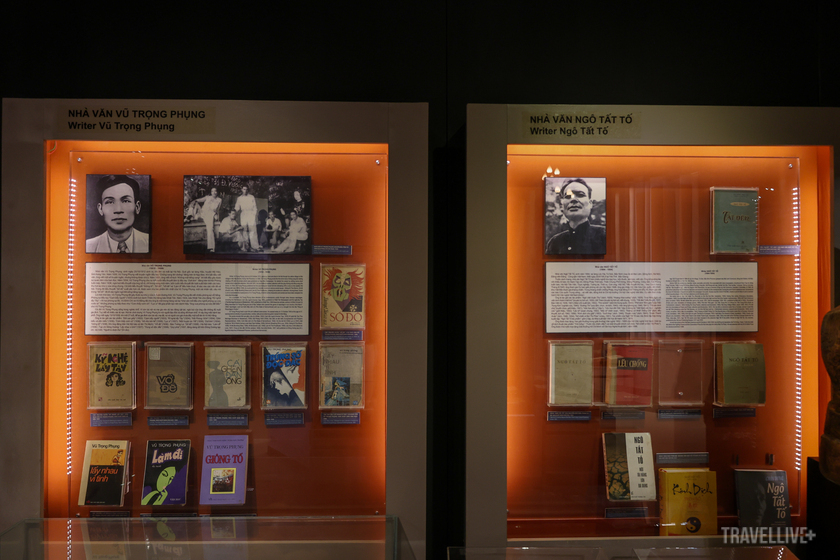
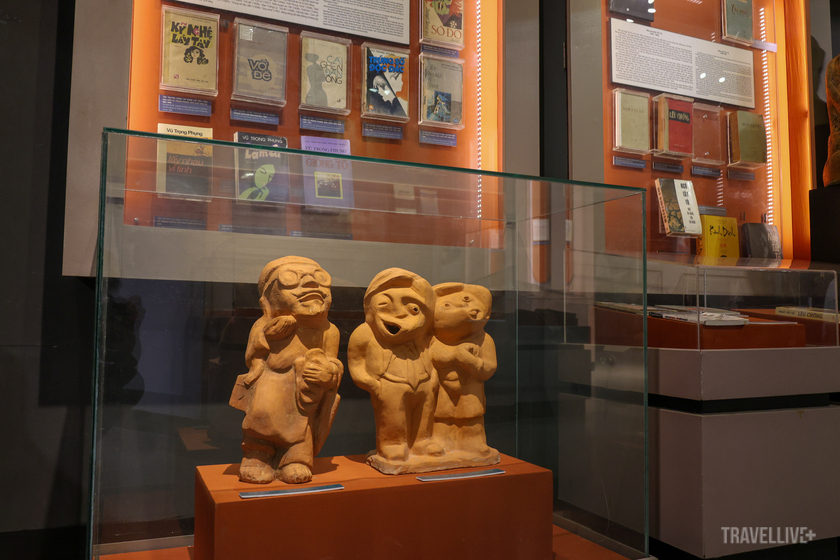
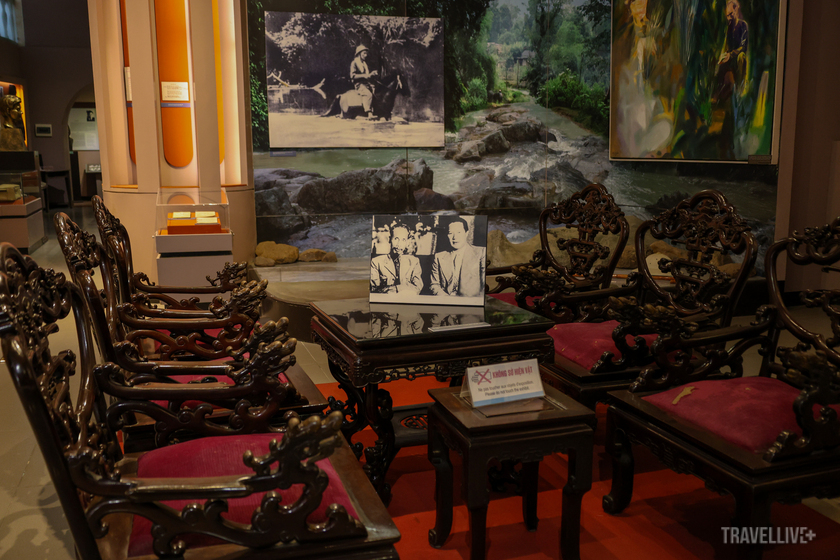
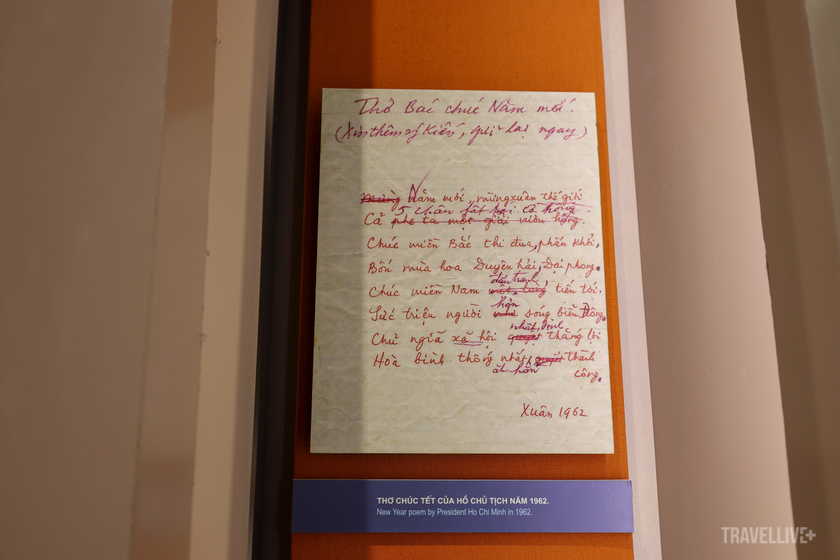
A letter from President Ho Chi Minh
The Vietnam Literature Museum is not only a repository of precious artifacts but also a unique cultural destination, taking visitors on a journey to discover the essence of Vietnamese literature through different historical periods. Visiting the museum, you will feel the connection between culture, history, and literature, and gain a deeper understanding of the nation's cultural values. Here, visitors will have the opportunity to experience emotionally resonant literary stories, from legends and folk tales to modern literary works. The combination of indoor and outdoor exhibition areas, artifacts, and stories creates a rich and vibrant exhibition space, attracting visitors of all ages.
Not only is it a repository of valuable artifacts and documents about national literature, but it is also a meaningful cultural and educational destination for the younger generation and literature lovers. With its respect for, preservation, and promotion of literary values throughout history, the Vietnam Literature Museum is making a significant contribution to the preservation and promotion of the nation's cultural heritage. This is definitely a must-visit destination when you come to Hanoi, to better understand and appreciate the cultural and literary values of the country.
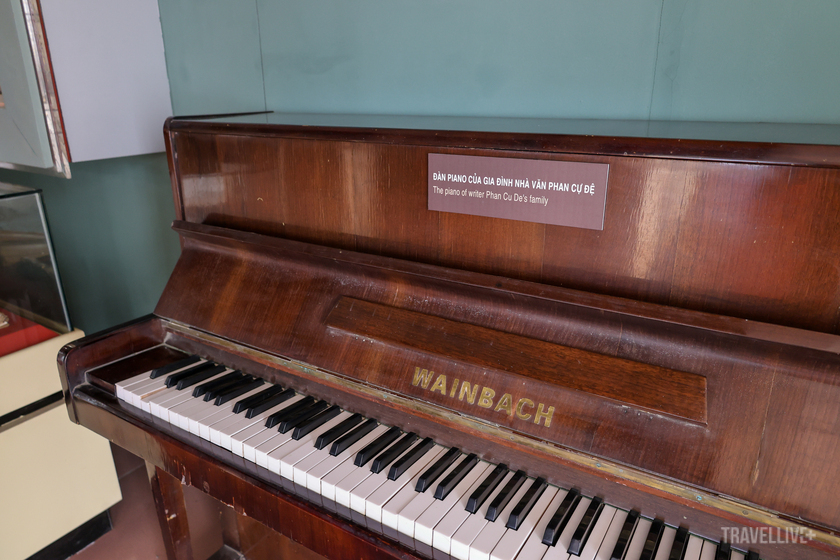
Here are some more photos from the museum:
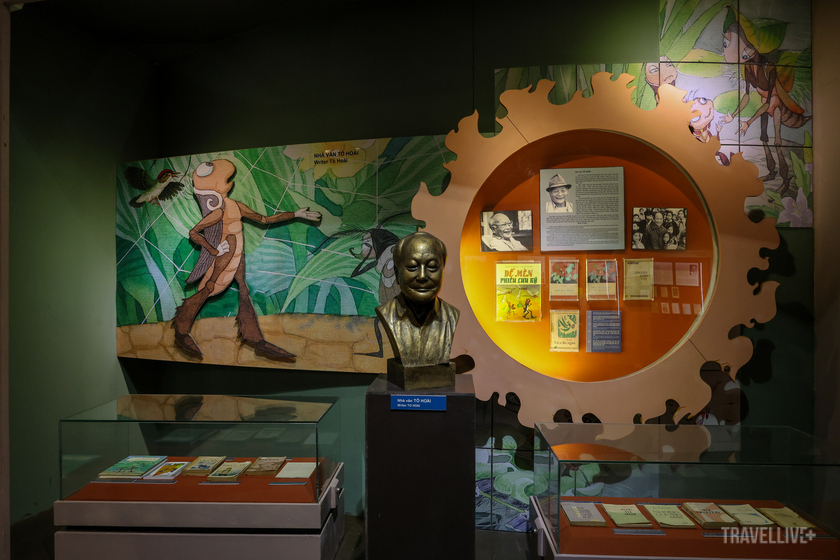
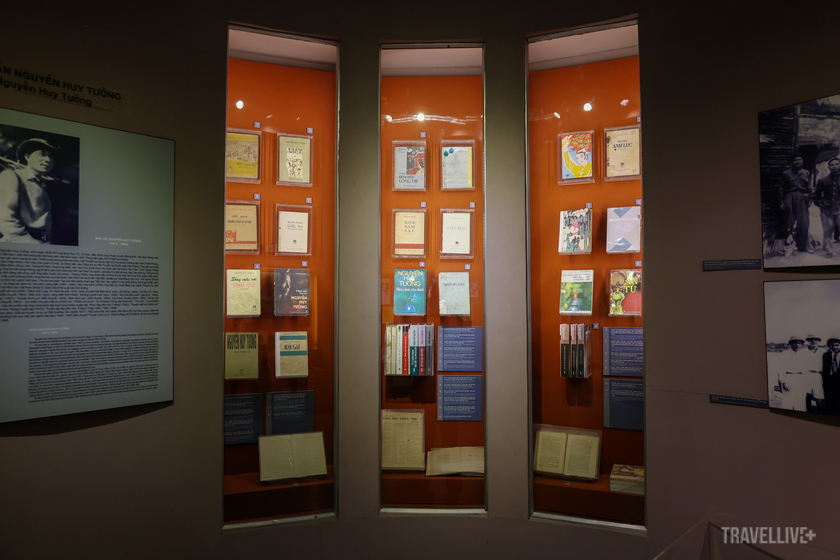
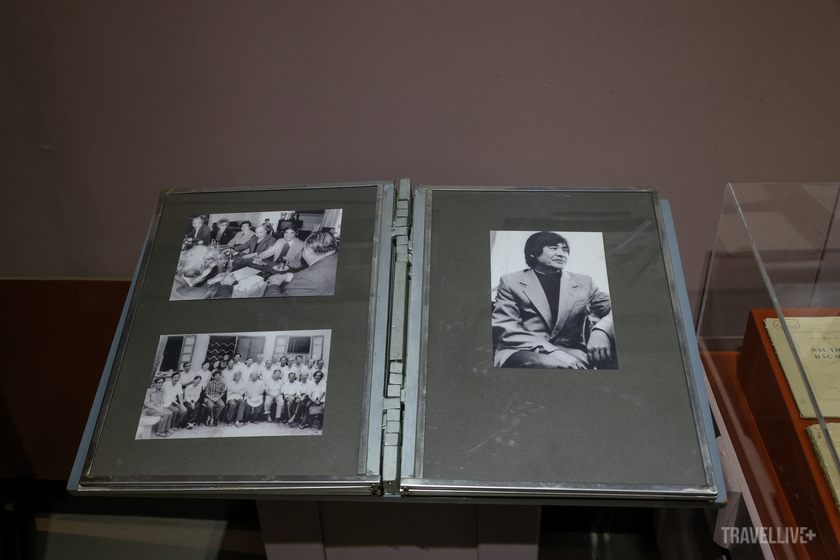
Works by writers and poets throughout different periods.
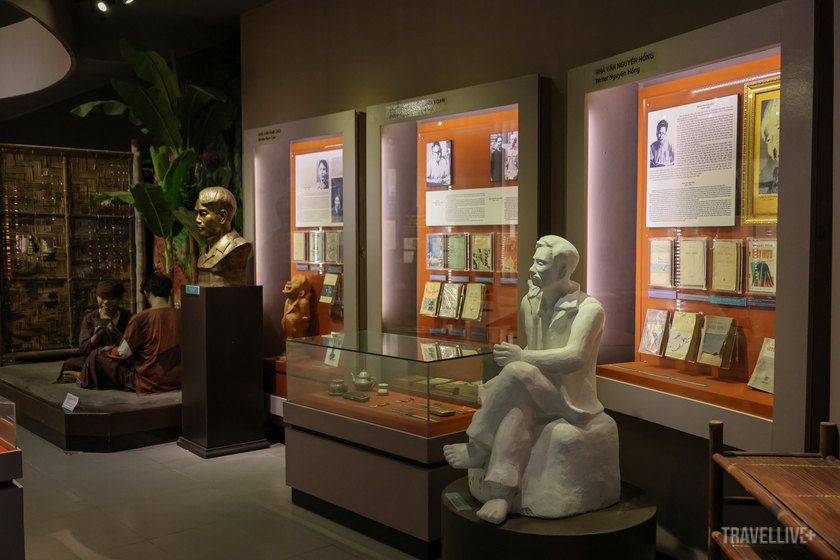
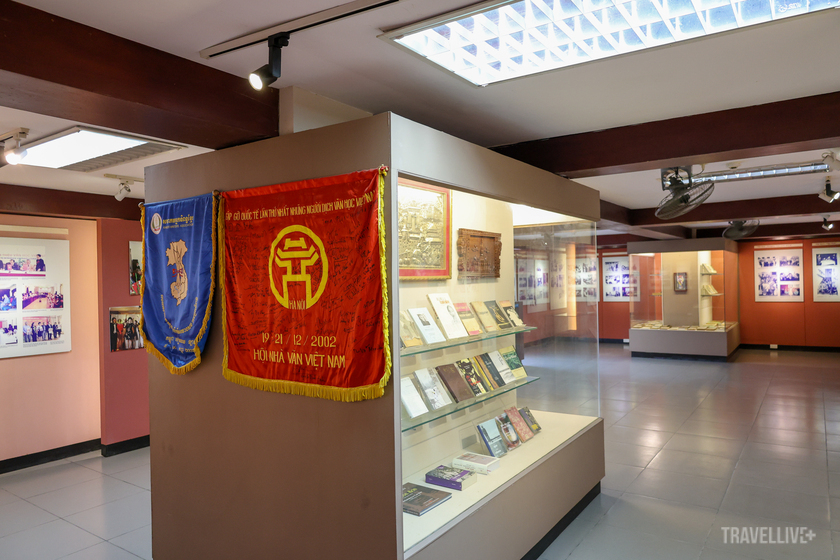
Exhibition Room on International Exchange and Cooperation
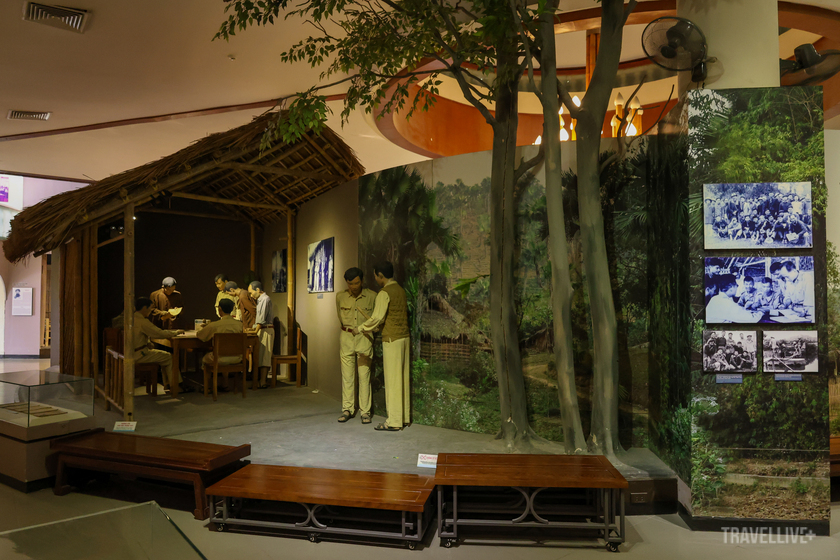
Museums not only research, collect, and preserve valuable documents and artifacts, but they are also attractive cultural destinations.