VI
VI


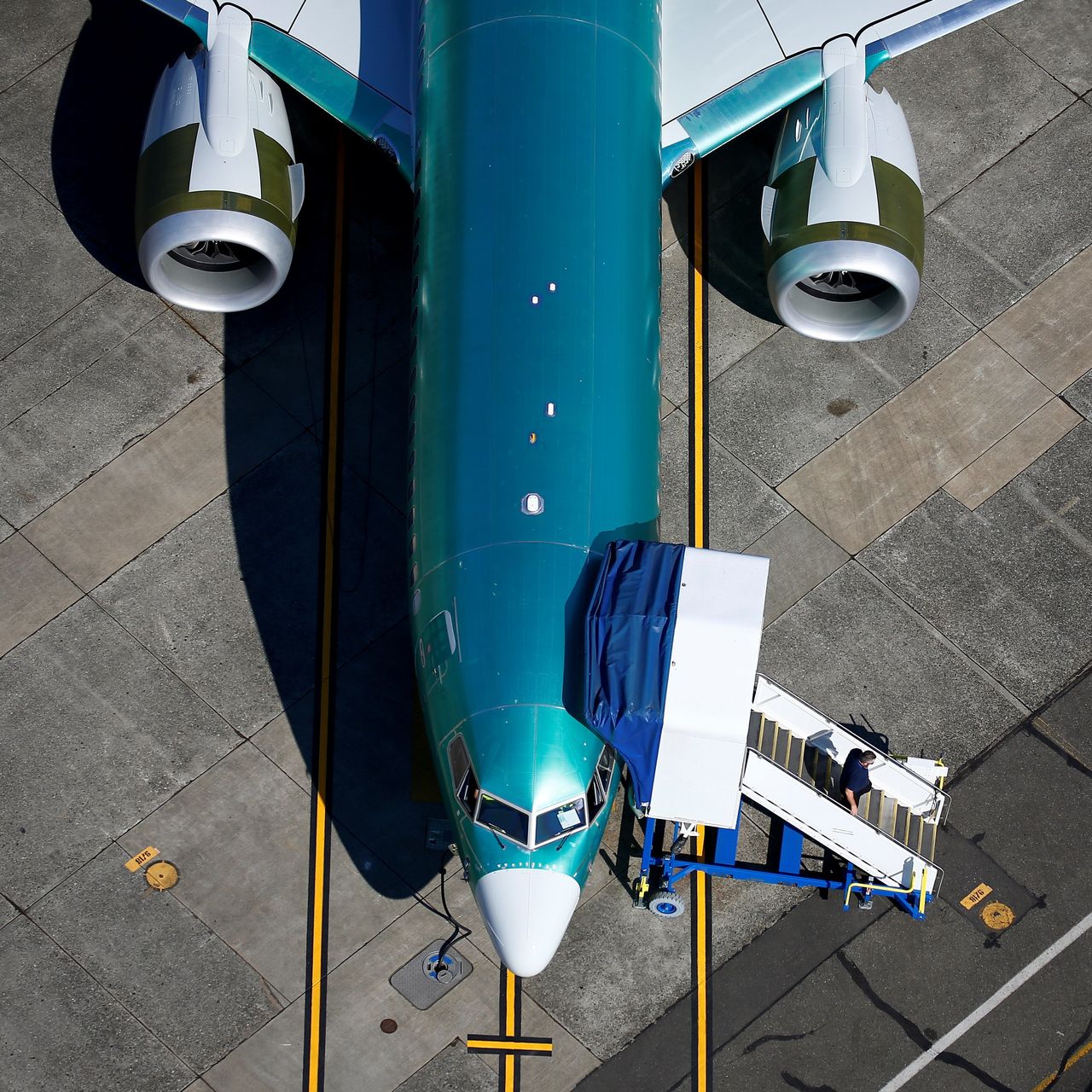

Boeing and the University of Arizona have recently incorporated heat sterilization, a classic method, into the fight against the Covid-19 pandemic. Researchers have demonstrated that applying heat to surfaces, particularly on hard-to-clean cockpit equipment, can effectively eliminate the SARS-CoV-2 virus.
The results showed that the virus could be destroyed by more than 99.99% after three hours of exposure to a temperature of 50 degrees Celsius.oC, and will continue to effectively kill over 99.9% of viruses at a temperature of 40°C, and will continue to kill more than 99.9% of viruses at a temperature of 40°C.oC.
Michael Delaney, executive director of Boeing's Confident Travel Initiative, said: “The safety of our passengers and crew is our top priority – from the passenger cabin to the cockpit. Heat disinfection can be another effective tool for killing Covid-19 in hard-to-reach and sensitive areas, thereby protecting pilots.”

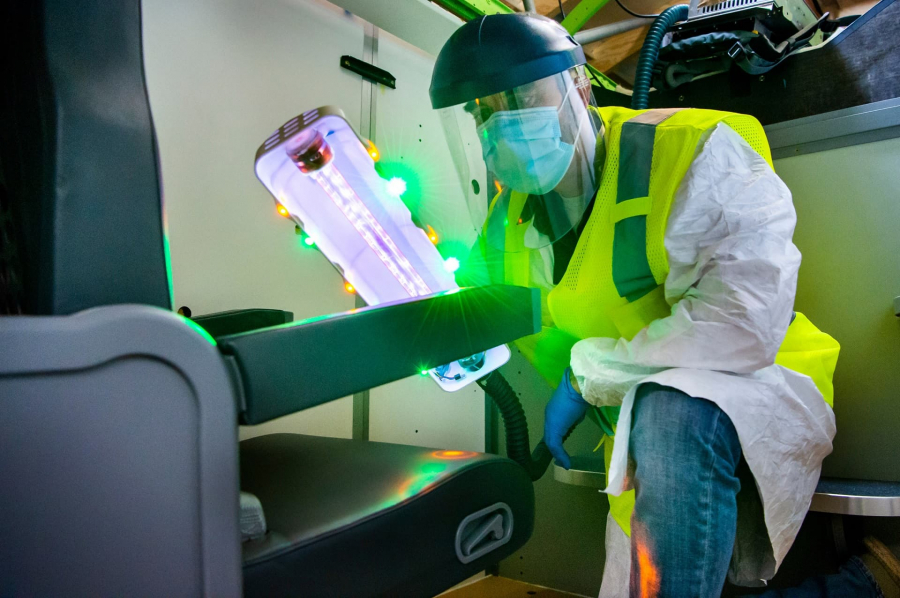
Boeing has completed testing as part of its Travel Confidence Initiative to support customers and enhance the safety and health of passengers and crew during the Covid-19 pandemic. This testing was conducted in a protected laboratory environment at a university last fall, using cockpit components and SARS-CoV-2, the virus that causes Covid-19.
Dr. Charles Gerba, a microbiologist and infectious disease expert at the University of Arizona, shared: “We simply ‘cook’ the virus. Heat sterilization is one of the most classic methods for killing disease-causing microorganisms. Microbiologists in our lab use this method daily.”
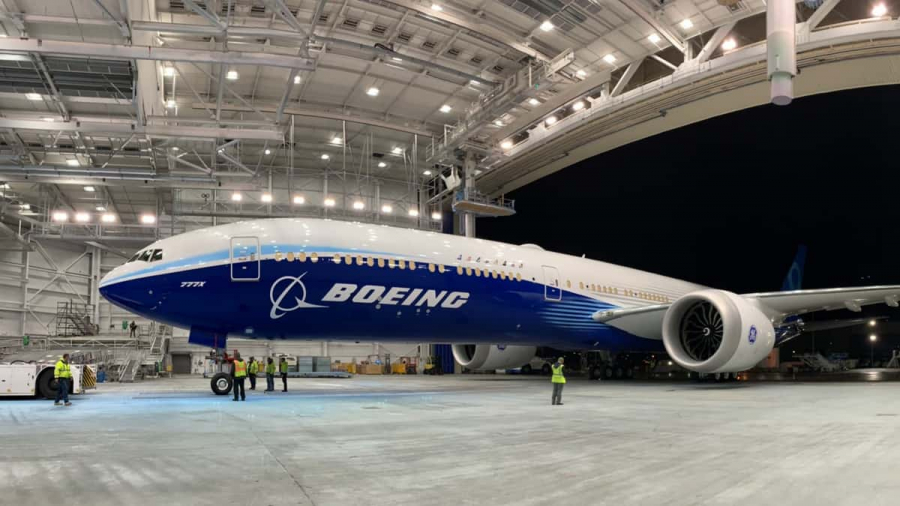
The cockpit is one of the most difficult areas to clean using traditional disinfectants. In areas with sensitive electronics, heat can kill bacteria without the harmful effects of traditional sanitizing equipment. The cockpit is designed to withstand temperatures up to 71°F.oC, making heat sterilization a safe, practical, and effective hygiene method.
Amidst the disruption to air travel due to the global Covid-19 pandemic, Boeing and the University of Arizona are continuing to test recommended disinfection methods in a laboratory against SARS-CoV-2 and similar viruses to validate their effectiveness.