VI
VI


SELLING PRICE SOARS BY HALF A MILLION DONG
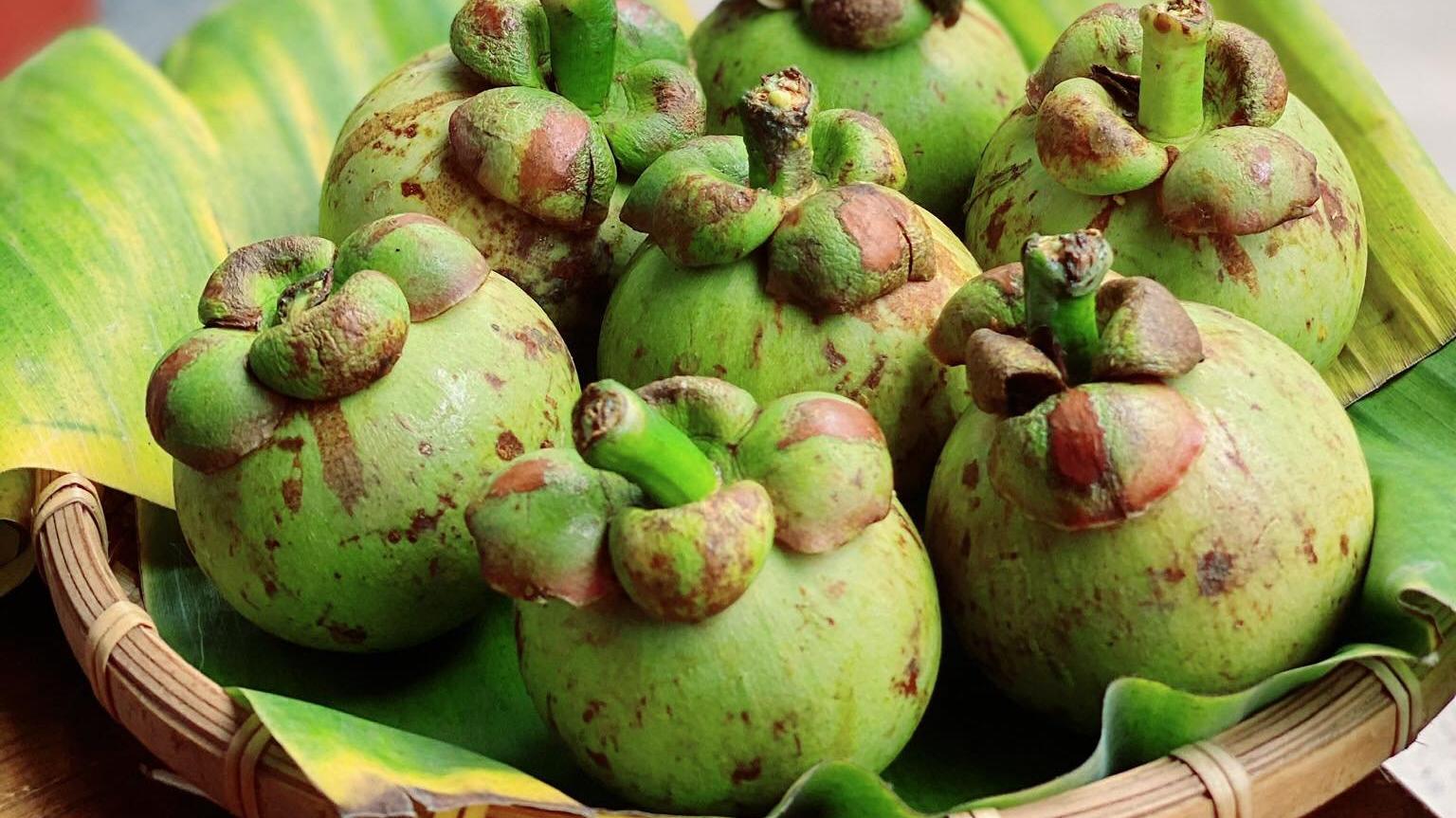
This time last year, mangosteen chicken salad was all the rage on social media, becoming a trend embraced by everyone. Even though it's no longer a trend this year, green mangosteen is still being sold for 400-500 thousand VND/kg on many social media platforms.
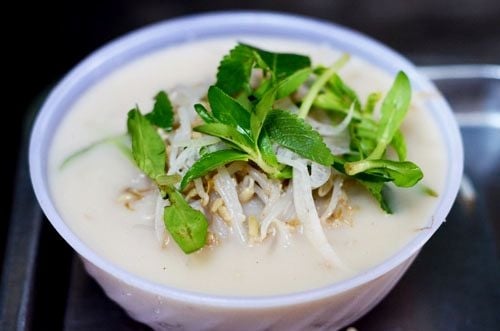
According to many online groups, green mangosteen is being sold by traders and farmers at prices ranging from 70,000 to 90,000 VND/kg. Peeled green mangosteen sells for 400,000 to 500,000 VND/kg. Sellers advertise it as premium quality, with large, juicy, and crunchy fruits, and some places even sell it for over 600,000 VND/kg.
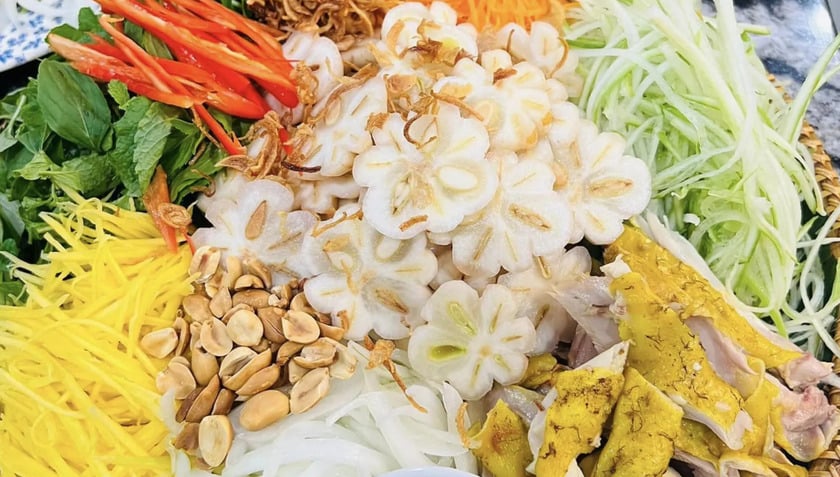
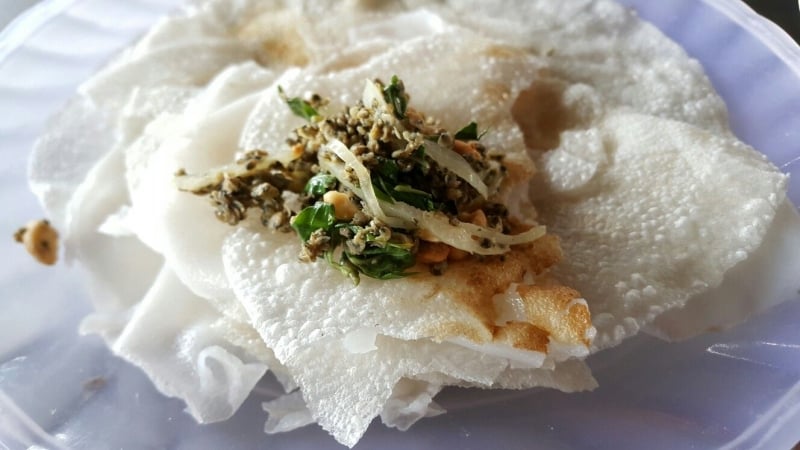
The chicken and mangosteen salad that went viral on social media a year ago.
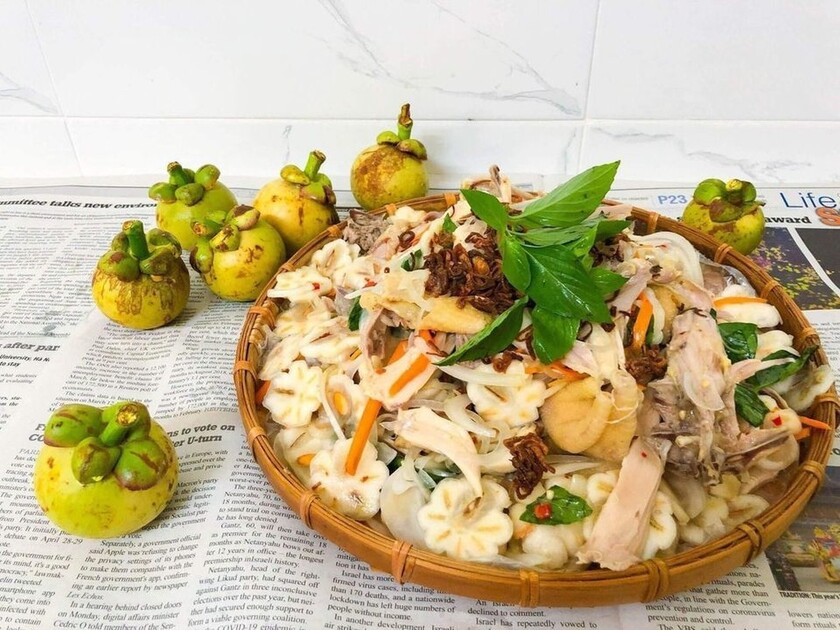
Many vendors say that it takes 6-7 kg of unripe mangosteen to peel just 1 kg of pulp suitable for making salad. Furthermore, peeling this fruit is not as easy as other fruits. Therefore, the much higher price is not surprising.
Unripe mangosteens contain a lot of sap, and the fruit is quite hard when unripe, making it difficult to peel. During processing, peeling must be done underwater to prevent browning. To obtain 1 kg of unripe mangosteen pulp, approximately 6-8 kg of fruit must be peeled. Therefore, the price of unripe mangosteen with the peel intact differs significantly from that of processed mangosteen.
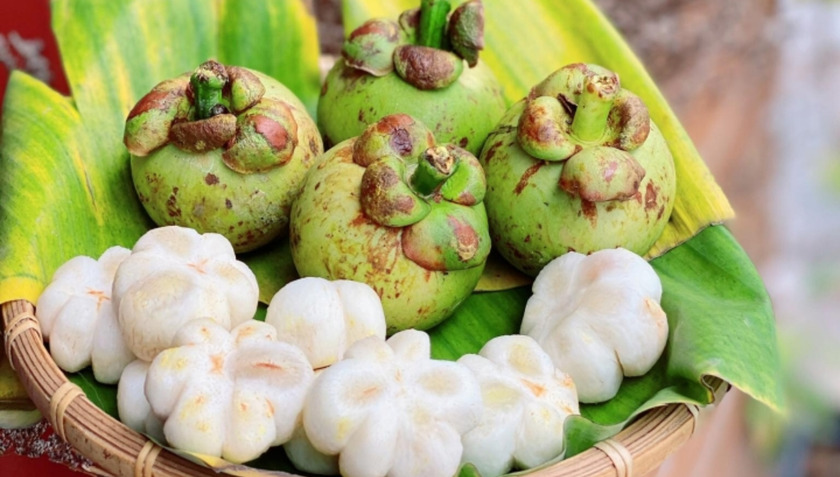
Green mangosteens are selling like hotcakes on social media.
Although green mangosteen is expensive, it sells very well due to high demand. Most people buy green mangosteen to use in salads, while a few eat it raw, enjoying its sour, sweet, crunchy, and slightly astringent taste, which is quite unique.
The trend of preparing chicken salad with green mangosteen has made green mangosteen a popular choice this year. This dish is now not only enjoyed in some southern provinces but is also known and appreciated by many tourists from all over.
MANGOSTEEN - A DISH ONCE NAMED BY THE KING
Mangosteen is a famous tropical fruit known for its delicious flavor, nutritional value, and is nicknamed the "Queen of Fruits." Few people know that this fruit also has a long history and is associated with many interesting stories, including the story of the name "Giáng Châu Tử" bestowed upon it by the king.

The mangosteen originates from Southeast Asia, believed to have first appeared in Indonesia. It was then introduced to Vietnam via maritime trade routes starting in the 17th century.
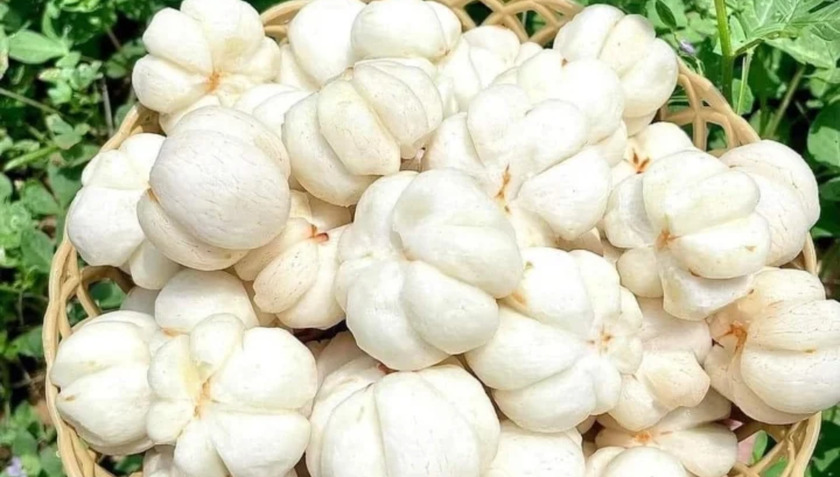
The mangosteen is a fruit that the king named, meaning a gem bestowed from heaven.
Mangosteen is considered a precious fruit, symbolizing good fortune, prosperity, and abundance. It is often offered to ancestors during festivals and holidays. Mangosteen has also been a source of inspiration for many works of art and literature.
According to records in "Dai Nam Nhat Thong Chi," mangosteen was brought to the capital city of Hue during the reign of Emperor Minh Mang. Emperor Minh Mang greatly admired this fruit and gave it the beautiful name "Giang Chau Tu," meaning "heavenly pearl bestowed down."
According to the Handbook on Exporting Fruits to the Chinese Market by the Trade Promotion Department - Ministry of Industry and Trade, the total area of mangosteen cultivation in Vietnam is approximately 7,600 hectares, commonly grown in the Mekong Delta and Southeast regions with areas of 3,800 hectares and 2,900 hectares respectively, yielding harvests of about 26,000 tons and over 11,000 tons. Provinces with significant mangosteen cultivation include: Ben Tre, Vinh Long, Tra Vinh, Can Tho, Hau Giang, Soc Trang, Binh Duong, and Dong Nai.
ARE THESE POPULAR DISHES SAFE FOR CONSUMERS' HEALTH?
Although mangosteen is very nutritious, you should only eat about 30g, equivalent to 2 medium-sized fruits, per day, and only 2-3 times a week. Eating too much at once can lead to unwanted side effects.
Furthermore, mangosteen should not be eaten before lunch, or with sugar and carbonated drinks, as these food combinations are incompatible and can easily cause food poisoning and negatively affect health.
Mangosteen contains a lot of lactic acid, and eating too much of it is not good for the stomach. People undergoing treatment for acute stomach conditions should avoid this fruit as it may worsen their condition.
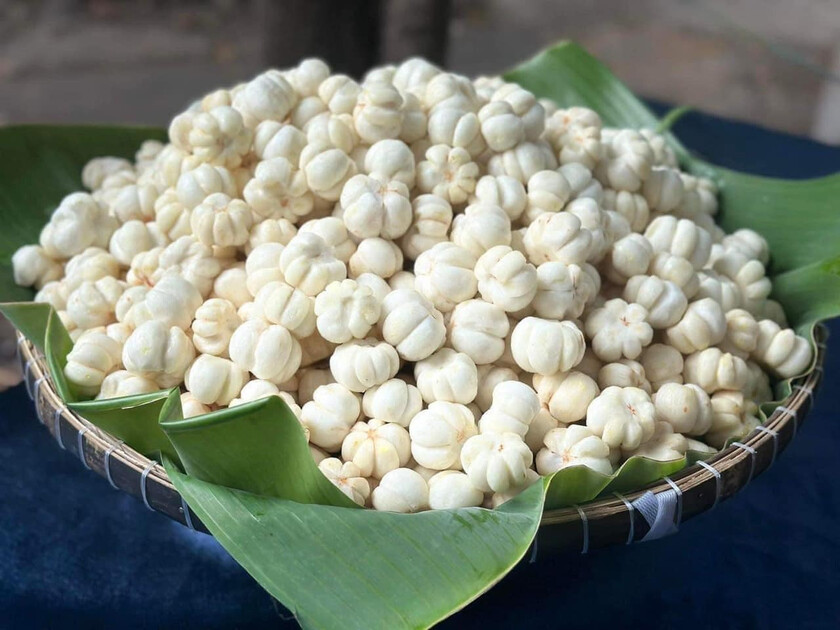
Although mangosteen is a trending fruit, many people are wondering whether eating too much of it is harmful to their health.
There is a possibility of lactic acidosis.
A study by the Memorial Sloan-Ketting Cancer Center (USA) indicated that daily consumption of mangosteen for 12 months can cause severe lactic acidosis.
Mangosteen contains a small amount of fructose, which, when digested, can be converted into lactic acid in the body. Therefore, when eating a lot of mangosteen, excess fructose can accumulate in the blood and lead to lactic acidosis.
Symptoms of lactic acidosis include nausea and weakness; if left untreated, it can lead to shock and be life-threatening.
Interference with the blood clotting process and its impact on the healing process.
Mangosteen is a delicious and nutritious tropical fruit enjoyed by many. However, according to nutrition experts, eating mangosteen may affect blood clotting and cause some health problems.
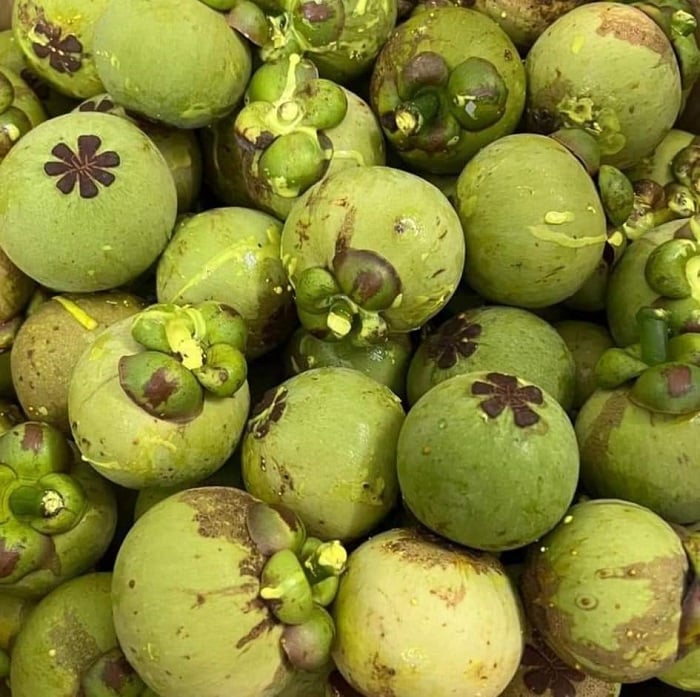
Mangosteen contains a small amount of fructose, which, when digested, can be converted into lactic acid in the body.
Mangosteen contains xanthones, compounds that can slow blood clotting. Therefore, people with pre-existing blood clotting disorders such as hemophilia or von Willebrand disease should limit their mangosteen consumption or consult their doctor before eating it. Consuming mangosteen at the same time as blood thinners like warfarin may increase the risk of bleeding.
However, this does not negate the fact that mangosteen, with its sweet and sour taste and high nutritional value, helps to cool the body and provides vitamins, making it very popular among people. It is often consumed directly like other fruits after meals or can be used to prepare many other dishes and drinks.