VI
VI


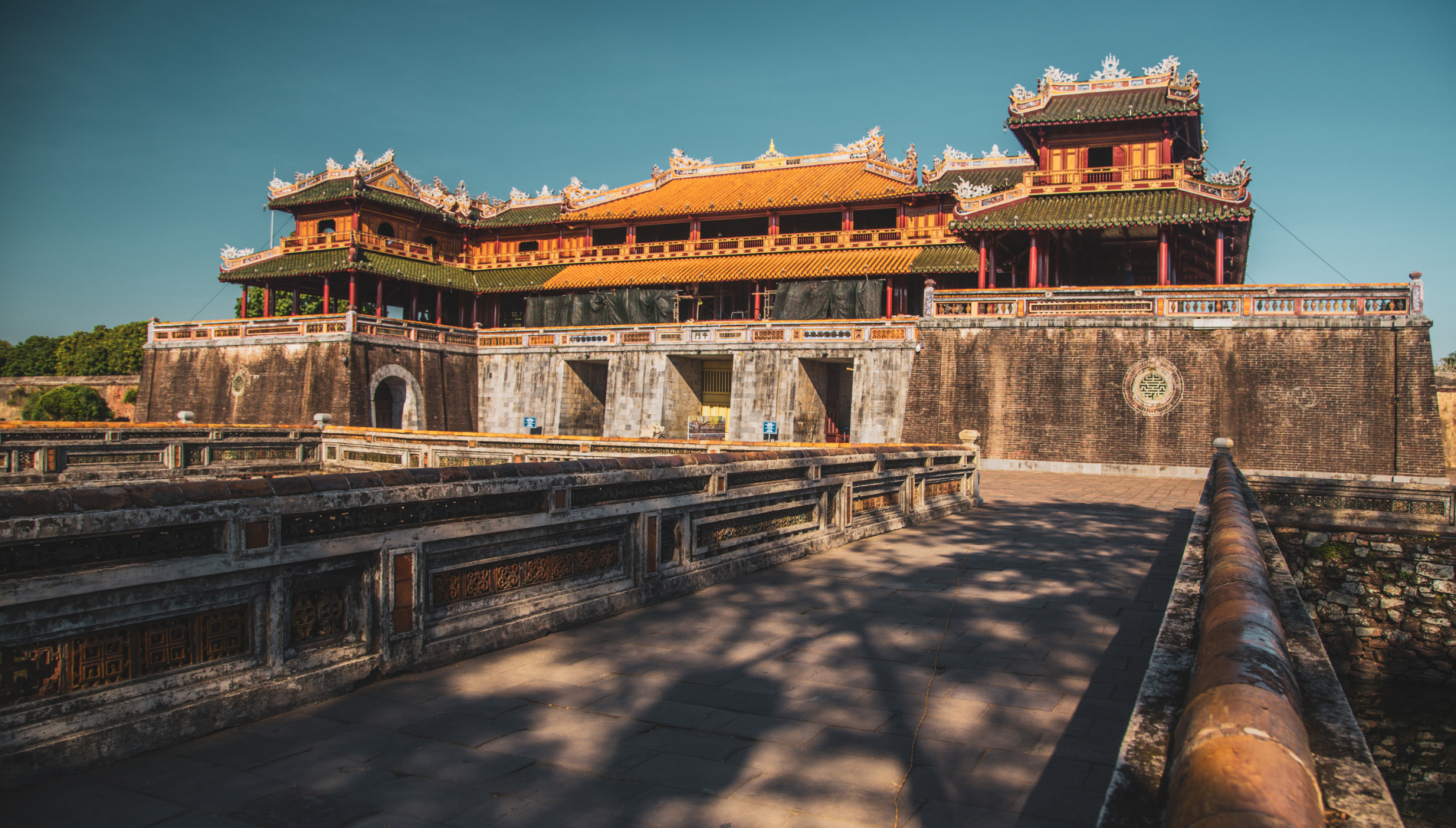
Accordingly, the People's Council of Thua Thien Hue province has passed a resolution approving the investment plan for the restoration project of the Dai Cung Mon (Great Palace Gate) from the Nguyen Dynasty inside the Hue Imperial Citadel. This is the main gate of the Forbidden City - the area where the emperors and concubines of the Nguyen Dynasty lived and worked inside the Hue Imperial Citadel.
The project to restore the Dai Cung Mon (Great Palace Gate) relic has a total estimated investment of nearly 65 billion VND from the provincial budget, and is expected to be implemented in early 2025 and completed within 4 years. The project focuses on repairing and restoring the structure according to strict standards to preserve its cultural and traditional architectural value.
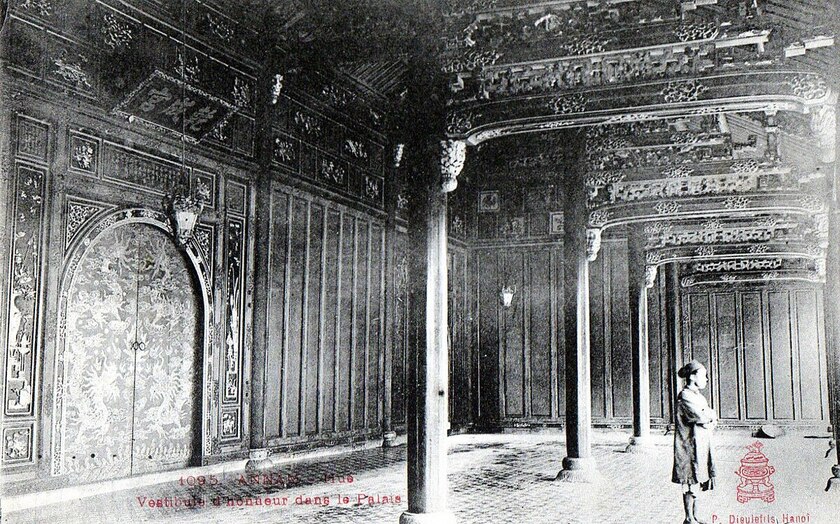
The Great Palace Gate was located on the sacred axis of the Hue Imperial City, north of the Thai Hoa Palace. This structure was destroyed in 1947, leaving only its foundations.
Accordingly, the project will carry out the restoration of the building's foundation using traditional brickwork, Thanh stone column bases, moisture and termite control for the foundation, installation of a termite control system, restoration of the foundation, steps paved with Thanh stone, walls built with traditional brickwork plastered with traditional mortar, and traditional color finishing.
The project will restore the main part of the Grand Gate, which includes the wooden frame structure, roof, wooden walls, connecting beams, and doors made of Group II wood. The components will be carved with patterns and gilded with gold leaf.

The wooden components were protected against moisture and termites. The roof was covered with glazed ceramic tiles, the eaves were restored, the gable ends were inlaid with ceramic patterns and restored enamelwork, and the ridge and gable ends were decorated with enamel animal figures. The joints between the two roofs of the corridors on either side were treated with waterproofing, and the rafters, purlins, and roof tiles of the two corridors were restored and connected to the gable walls of the Grand Palace Gate.
The project also includes the restoration of the front and back courtyards, the railings and screens behind the Grand Palace Gate; the renovation of the building's lighting system, interior and exterior artistic lighting; the renovation and installation of the drainage system; and the installation of fire prevention and fighting systems, camera systems, etc.
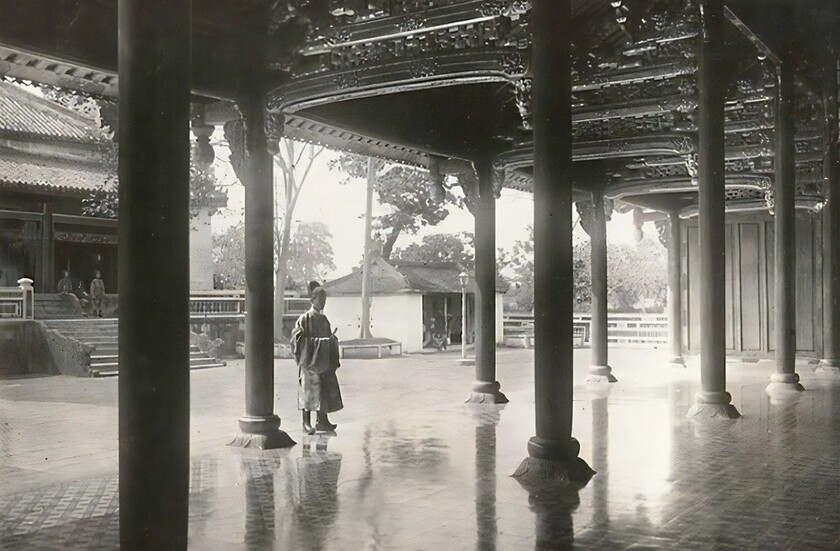
The Grand Palace Gate holds significant cultural, historical, and artistic value for the Forbidden City area in particular and the Hue Imperial Citadel complex in general.
The Grand Gate, along with the Can Chanh Palace of the Nguyen Dynasty within the Hue Imperial Citadel, was completely destroyed by war in 1947. The restoration and reconstruction of this structure plays a crucial role and holds great significance in fully restoring the architectural appearance of the Hue Imperial Citadel complex, yielding high effectiveness in tourism, education, and research.
Dai Cung Mon is the main gate of the Forbidden City – the residence and workplace of the Nguyen Dynasty emperors and their concubines in the Hue Imperial Citadel. The structure was built in 1833 during the reign of Emperor Minh Mang, with five bays and no side wings, featuring three doors, the central one reserved exclusively for the emperor.
The architecture of the Grand Palace Gate represents the pinnacle of Nguyen Dynasty art, with its magnificent gilded facade and ornate panels featuring classical motifs such as the eight treasures and four mythical creatures, interspersed with poetry and prose. The connecting corridor at the rear leads to the Left and Right Wings, creating a sense of unity and harmony in the area.