VI
VI


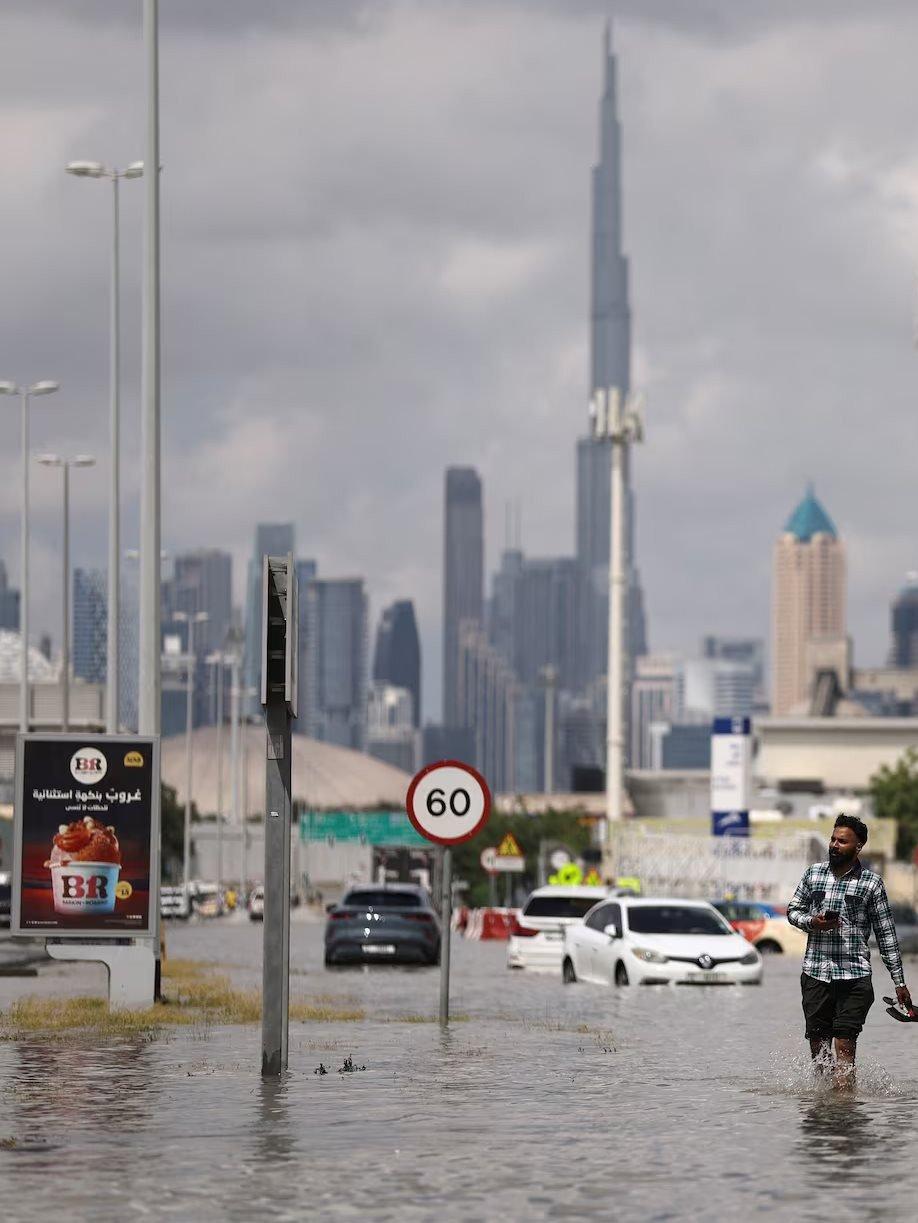
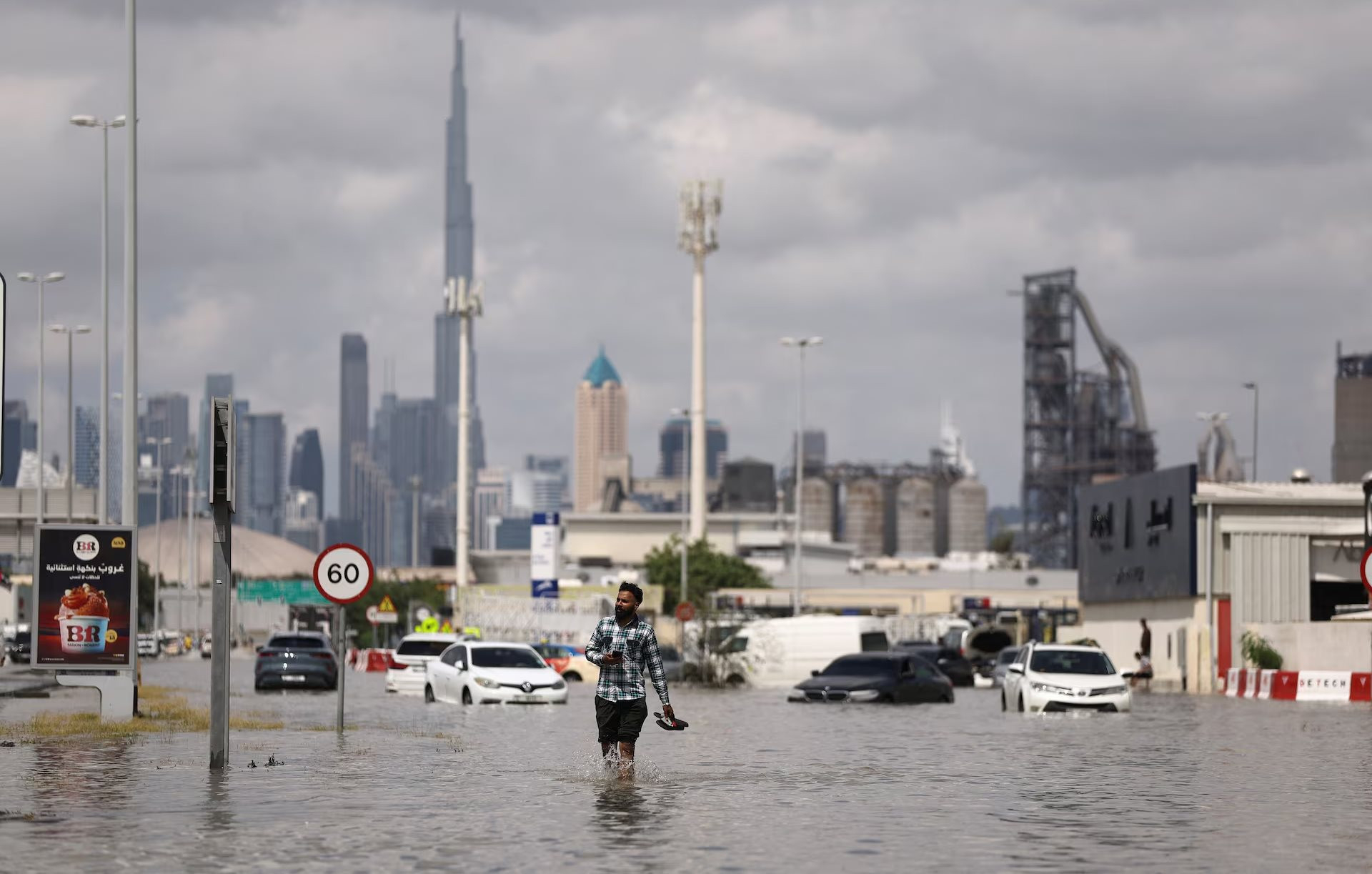
This is considered the heaviest rainfall in Dubai's recorded history, with a measured amount of 42.2 mm in 24 hours. The heavy rain caused chaos at the airport. Many flights were canceled or delayed, leaving thousands of passengers stranded. Some areas of the airport were also flooded, making passenger movement difficult.
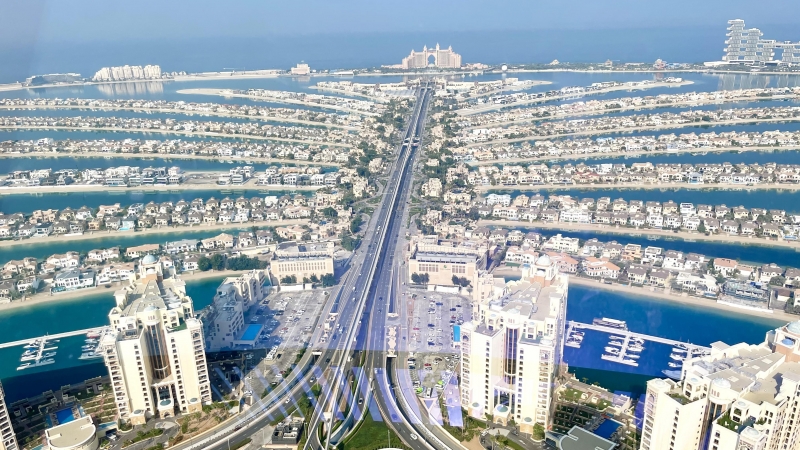

Specifically, more than 1,000 flights to and from the most populous city in the United Arab Emirates (UAE) were canceled; many others were diverted and experienced lengthy delays. Dubai Airport, which typically handles around 250,000 passengers daily, had to impose restrictions on the number of arrivals.
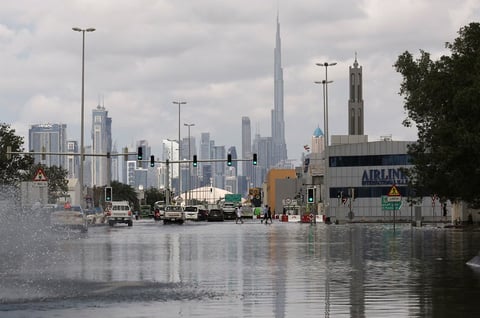
Dubai experiences unbelievable flooding, with supercars and luxury vehicles floating in the water.
Furthermore, the heavy rain also damaged the infrastructure of Dubai International Airport. Rainwater damaged several electrical systems and electronic equipment, affecting airport operations. Dubai, being a city with a hot, dry climate and infrequent rainfall, has not had its urban infrastructure built to cope with such large-scale rain events.

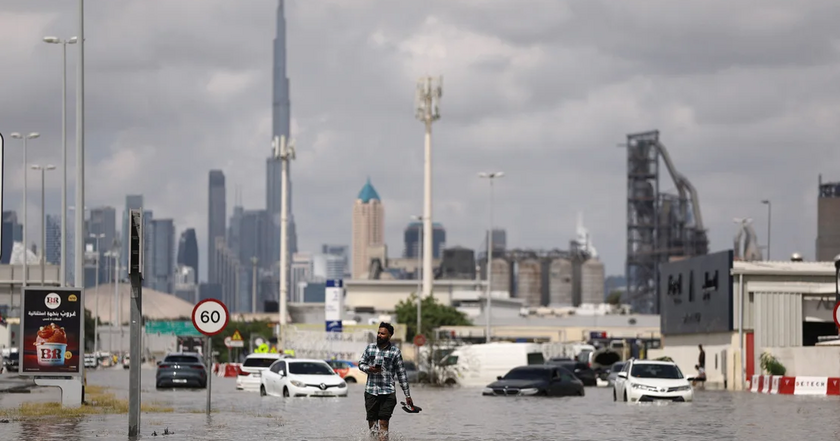
Dubai Airport struggles to resume flights after historic flooding.
To address this situation, the management of Dubai International Airport has mobilized staff to clean up the dirty water and repair damaged infrastructure. However, due to the heavy rainfall and the complexity of the damage, the repair work is likely to take a considerable amount of time.
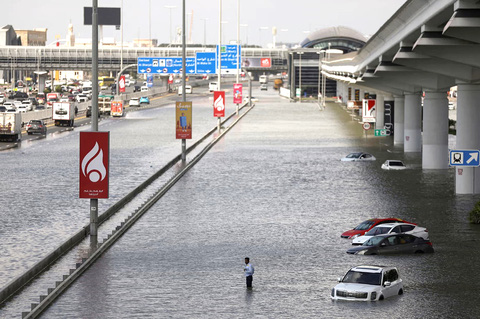
Unprecedented heavy rains hit the UAE desert.
This historic rainfall serves as a reminder of the immense power of nature and the impact it can have on humanity. It also highlights the importance of preparing for extreme weather events, particularly for critical infrastructure such as airports.
Most schools across the UAE have closed, and government employees have been encouraged to work remotely if possible. Many workers have also chosen to stay home due to flooding, although some have risked going out, resulting in their vehicles breaking down along the way.