VI
VI


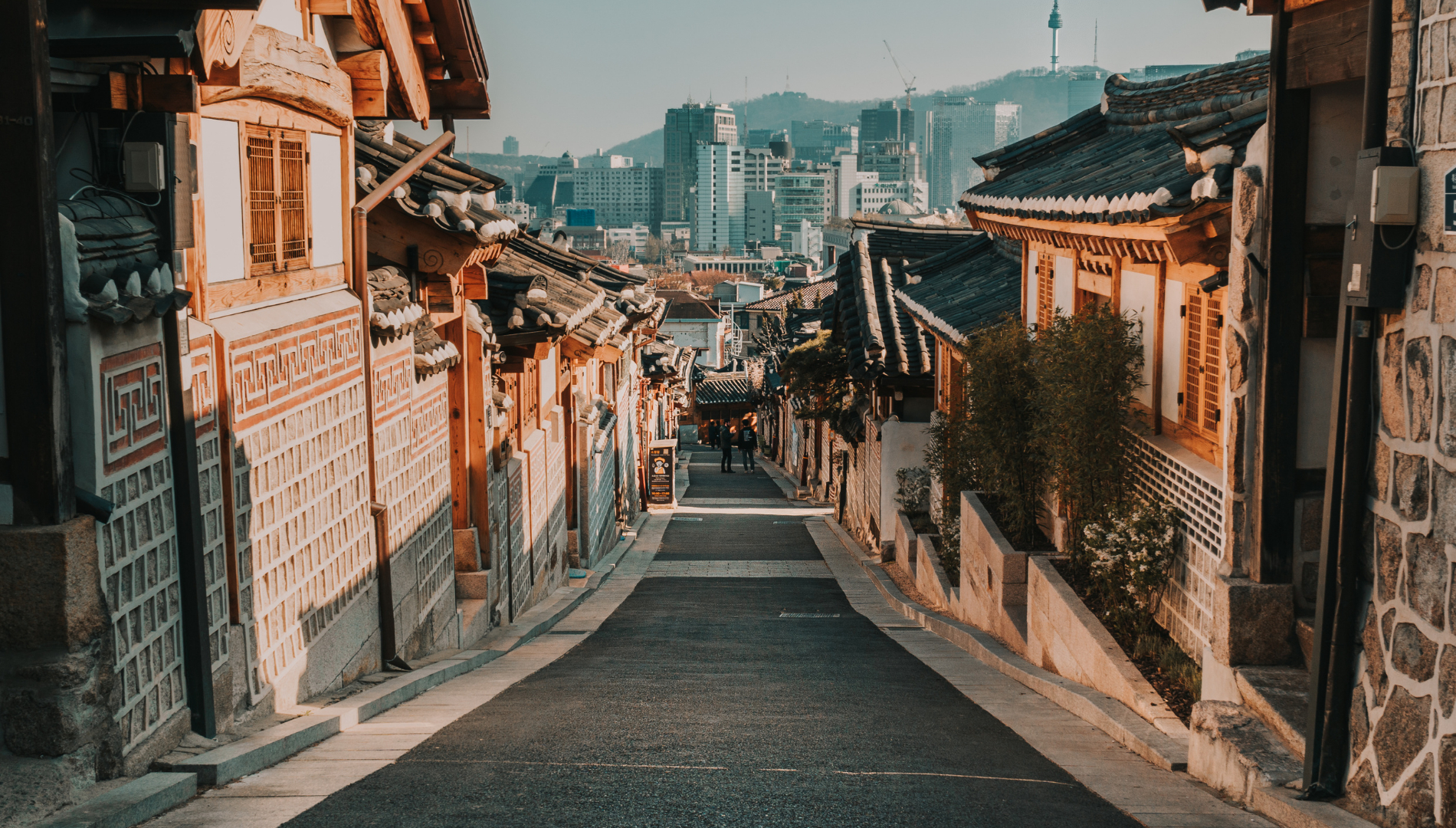
Bukchon Hanok Village, located in Seoul, South Korea, is a residential area with narrow, winding alleys dating back to the Joseon Dynasty. This area is one of South Korea's most famous and iconic tourist destinations. Recently, the Seoul government implemented a curfew in the area, scheduled for trial in November 2024, to alleviate tourist overcrowding. This policy is causing considerable controversy among both locals and tourists.
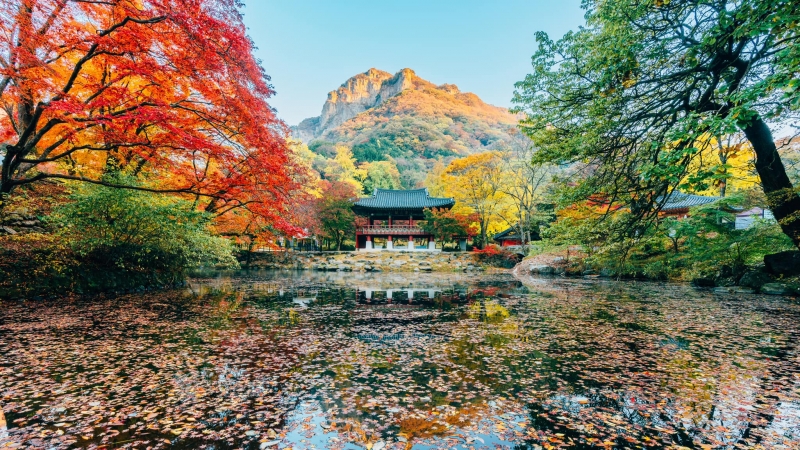

The Jongno District Office in Seoul announced that the curfew will be tested from November for three months in densely populated and popular areas of the village. The regulation will officially be implemented in March 2025. Under the curfew, day-trip visitors who violate the curfew will be fined up to 100,000 won (US$72). Residents, business owners, and overnight guests staying in traditional hanok houses within the village will be exempt.

Bukchon Hanok Village imposes curfew, sparking controversy.
Residents of the ancient village and tourists alike have mixed opinions regarding the curfew regulations. Some agree, arguing that it helps ensure a better quality of life for the residents.

Another group argued that the idea was inappropriate, with tourists feeling restricted by being limited to strolling and visiting the ancient village only during certain hours. A villager shared skepticism about the effectiveness of the local government's policy restricting tourist access.
Since 2020, a wave of change has taken place in Bukchon Hanok Village as the Seoul government decided to relax regulations on accommodation businesses in hanok houses. This decision breathed new life into the once peaceful atmosphere of the village. Many families decided to rent out their traditional homes for guesthouses and homestays, transforming these ancient hanok houses into attractive tourist destinations. This change not only provided a new source of income for local residents but also contributed to the development of the tourism industry in Seoul.
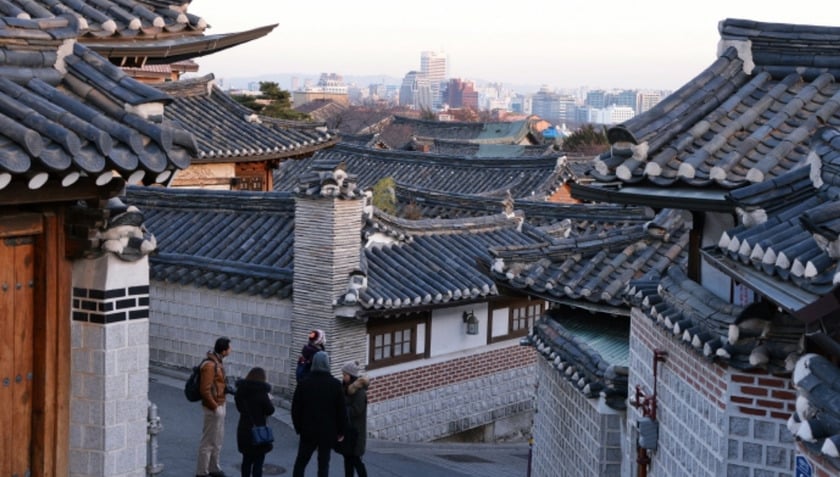
This decision was made to minimize tourist overcrowding, protect the ancient architecture, and ensure a peaceful life for the local residents.
In 2010, there were about 10 traditional houses in Bukchon registered under business names. By October of this year, that number had increased to 116, according to data from the Jongno district office.
Bukchon Hanok Village is a traditional village dating back to the Joseon Dynasty (1392-1897). It attracts tourists with its many narrow alleys lined with traditional hanok houses featuring wooden pillars and tiled roofs. Since being featured on a Korean television program 10 years ago, the village has gained increasing attention from visitors worldwide.
In 2023, the ancient village attracted approximately 6.4 million tourists, more than 1,000 times its resident population of around 6,100 people. Residents of Bukchon are facing a series of problems stemming from tourism overload, such as noise pollution, littering, and the constant invasion of privacy. Some tourists even enter people's homes without permission, peeking inside or taking photos without asking.