VI
VI


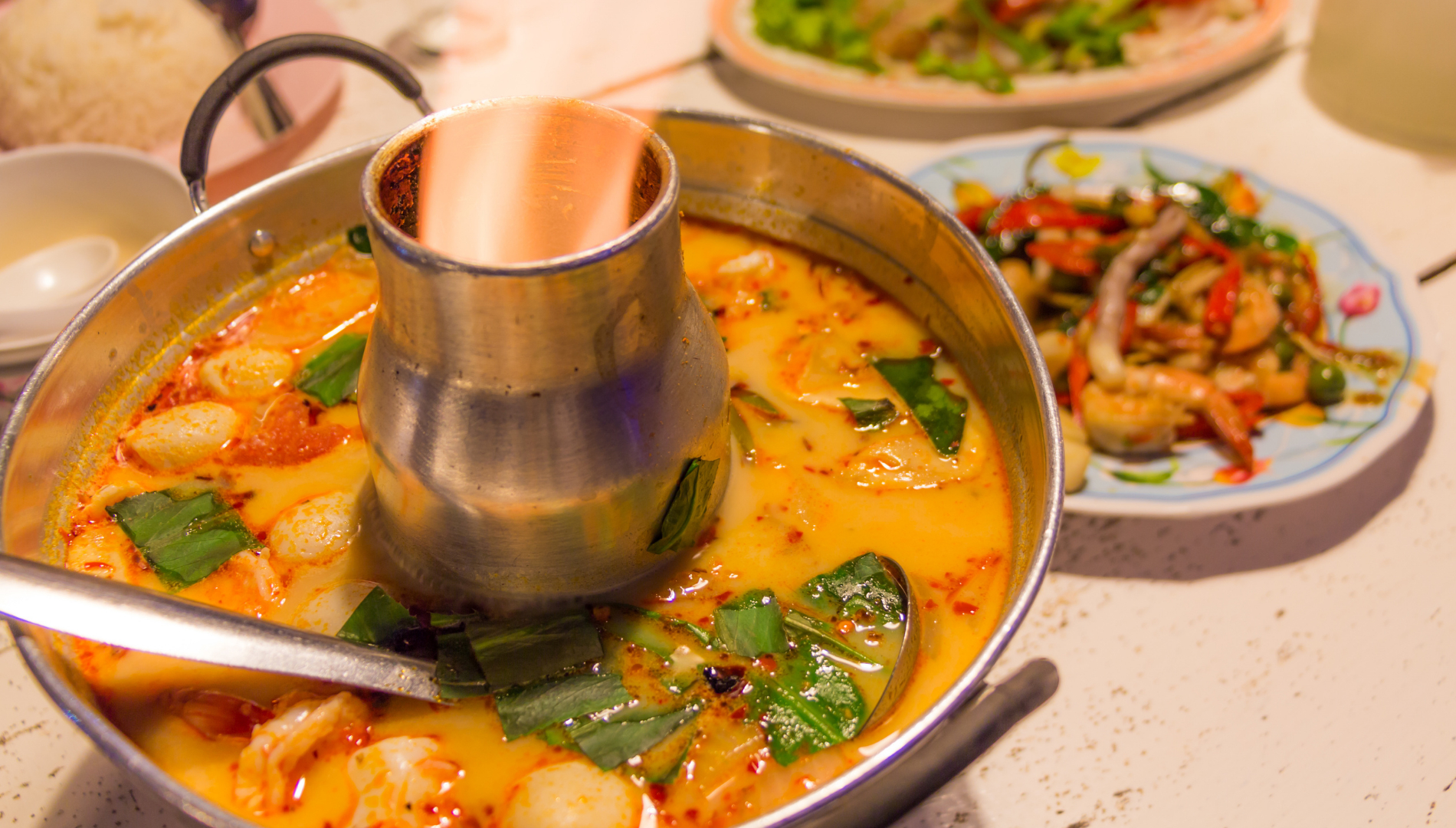
According to The Nation, the announcement was made on December 3rd during the 19th session of the Intergovernmental Committee for the Protection of Intangible Cultural Heritage in Asuncion, Paraguay. Besides Tom Yum Kung, other Thai cultural heritages include Khon mask dance, Thai massage, Nora drama in Southern Thailand, and the Songkran festival.

Tom yum kung is not only a popular dish on Thai dinner tables but also a symbol of the harmonious blend of cultural knowledge, culinary skill, and abundant natural ingredients.
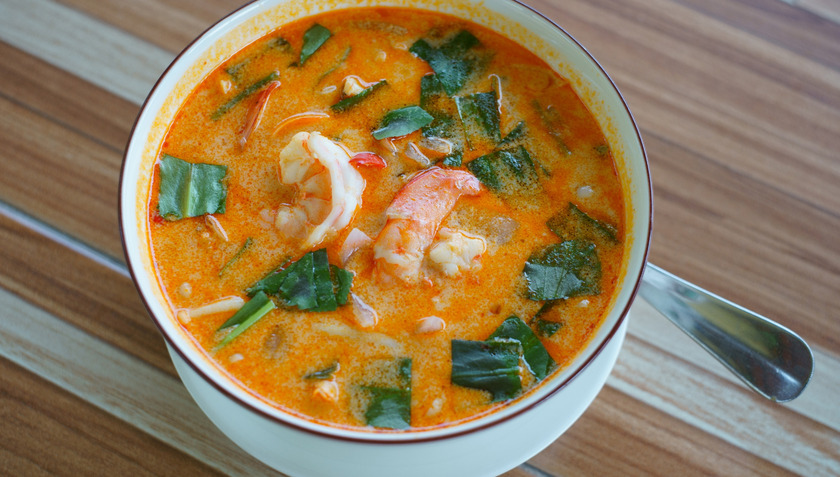
Tom Yum Kung is not only a popular dish on Thai dinner tables but also a symbol of the harmonious blend of cultural knowledge.
According to Thailand's Minister of Culture, Sudawan Wangsuphakijkosol, Tom yum kung reflects the Thai people's lifestyle in harmony with nature. "This is a dish of the people in the riverside agricultural communities. All the ingredients are locally sourced. The people have prepared them into a healthy dish," she said.

To make Tom Yum Kung, shrimp are boiled in water and mixed with herbs such as galangal, lemongrass, and kaffir lime leaves. The main flavor of the soup is the sourness of the lime, followed by the saltiness of salt or fish sauce, the spiciness of chili peppers, the sweetness of the shrimp, and a slight bitterness from the herbs.
The journey to bring tom yum kung to this international recognition began in March 2021, when the Thai government decided to propose this dish for inclusion in the UNESCO list. Prior to that, in 2011, tom yum kung was recognized as an important cultural element in the fields of knowledge, nature, and nutrition in Thailand.
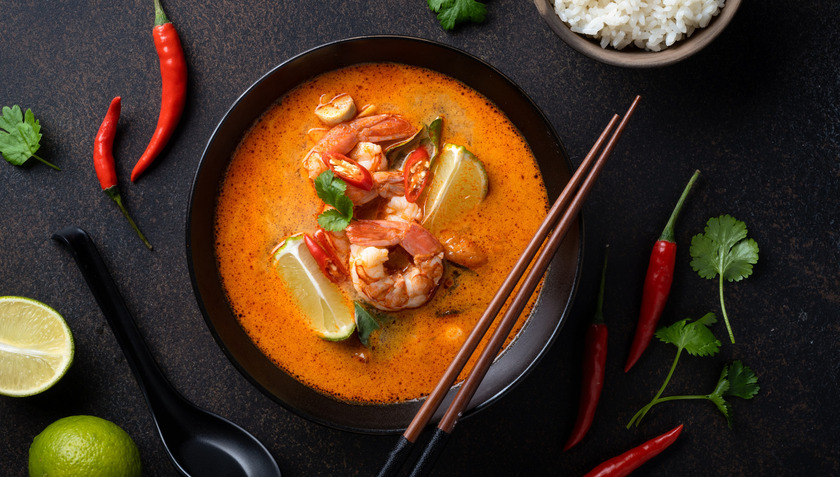
Recognition from UNESCO is not only a source of pride but also opens up opportunities for economic and cultural development.
UNESCO recognition is not only a source of pride but also opens up opportunities for economic and cultural development. The Thai Ministry of Culture has planned to use this event as a tool to promote Thai cuisine and tourism through media programs, international events, and campaigns promoting tom yum kung as a symbol of Thai culture.
"Tom Yum is a testament to Thailand's soft power, built on its cultural heritage," said Prime Minister Paetongtarn Shinawatra. To celebrate this event, the Ministry of Culture will host a three-day festival at the EmQuartier shopping mall in Bangkok from December 6th to 8th. The event will include: Cooking demonstrations; a Kebaya fashion show honoring the traditional Southeast Asian attire currently being nominated for UNESCO recognition; cultural performances, including traditional art displays and exhibitions showcasing the history of tom yum kung and kebaya; and free tastings of the famous spicy soup, exploring the cultural depth behind each ingredient and preparation process.