VI
VI


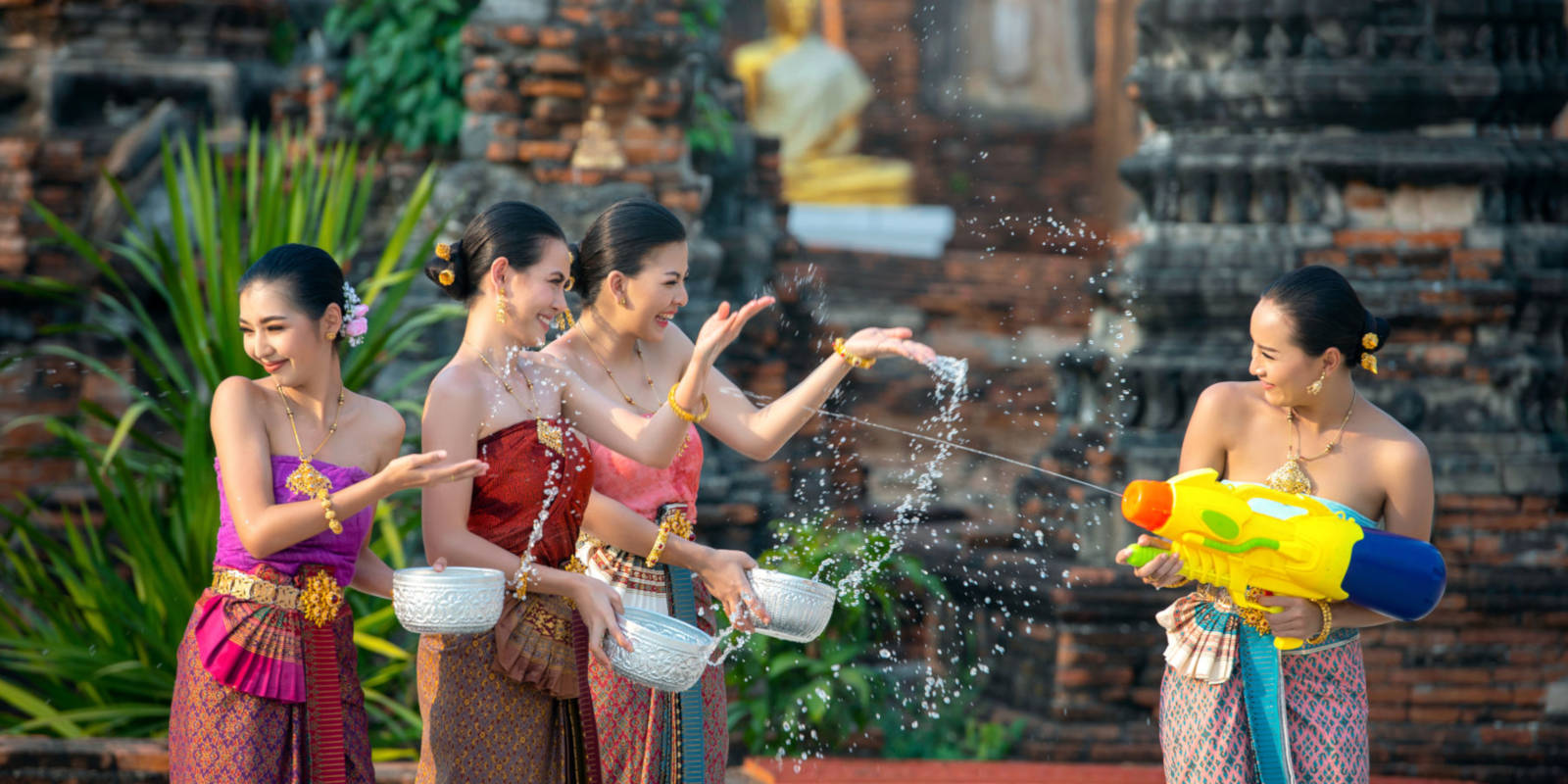
In Thailand, where Buddhism is revered as the national religion, people celebrate the new year according to the Buddhist calendar. The Songkran water festival, held from April 13th to 15th each year, is one of the most spectacular cultural events, attracting tourists from all over the world.
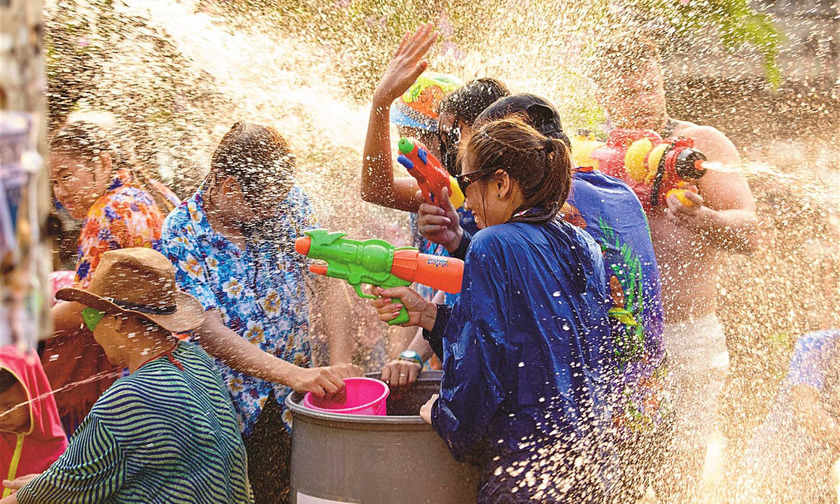
The vibrant Water Festival is held annually in Thailand.
Origin and spiritual significance
"Songkran" originates from Sanskrit and means "transition," symbolizing the time when the sun moves from the constellation Pisces to Aries.
The Songkran festival is not simply about splashing water; it also carries deep cultural significance. Thais believe that water is a source of wealth, good fortune, and purification. Splashing water on each other symbolizes washing away the bad luck of the old year and wishing for a prosperous and peaceful new year.
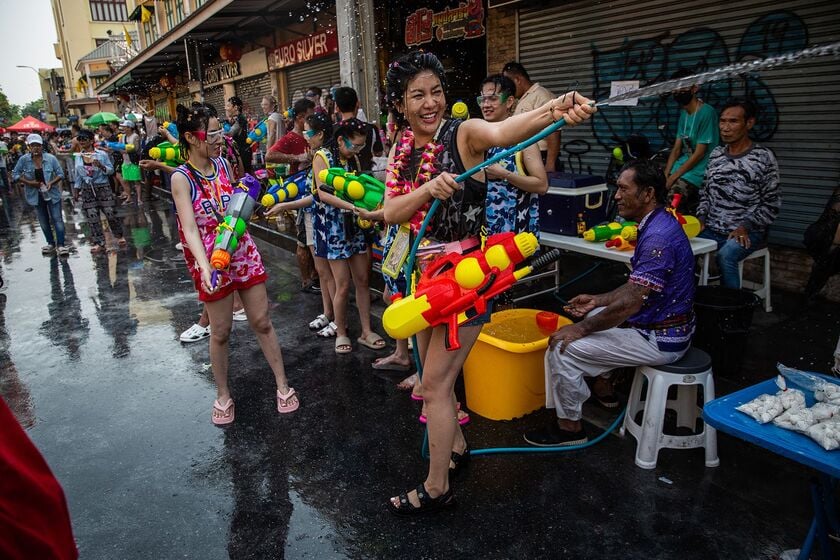
During this festival, people splash water on each other and on elders to show respect and wish each other good fortune.
Leading up to Songkran, people spend two days cleaning their houses, preparing food, and getting ready. The festival officially begins with the ritual bathing of Buddha statues at temples, expressing reverence and praying for peace and well-being.

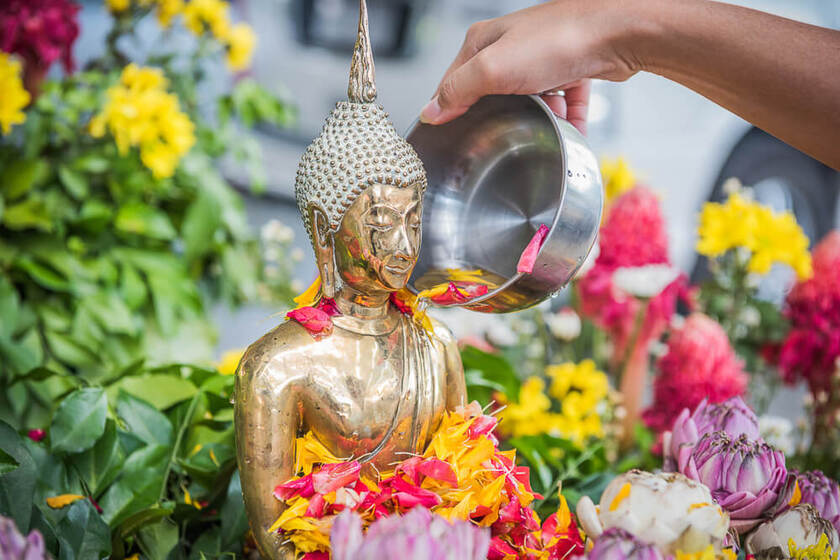
People also go to temples to attend the Buddha bathing ceremony, bring fruits and vegetarian dishes to offer to the monks, release animals into the wild, etc.
Besides the water-throwing activity, the Songkran festival also features many other activities such as parades, beauty contests, and art performances. Tourists also have the opportunity to enjoy traditional Thai food and immerse themselves in the unique cultural atmosphere of the country.
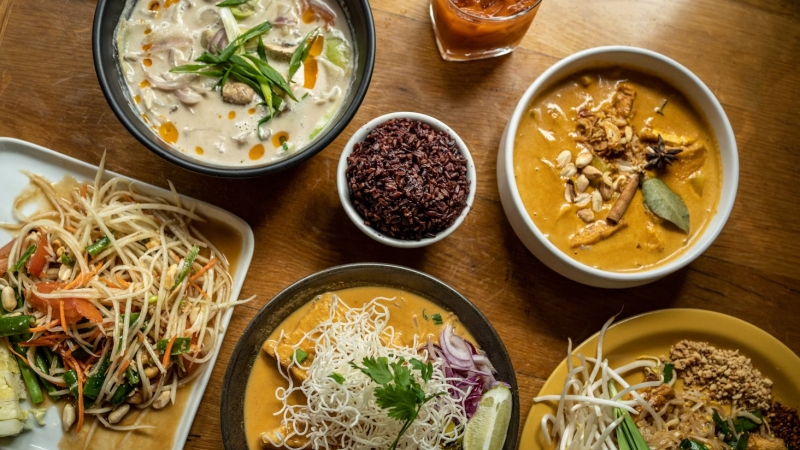
The streets were filled with vibrant festive colors.
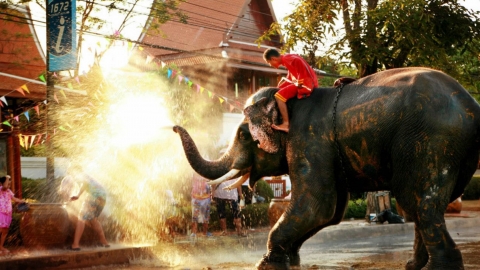
Traveling to Thailand during this time, tourists can participate in the water festival to pray for good luck. People use buckets, water guns, water balloons, etc., to splash water on each other, creating a joyful and lively atmosphere throughout the streets.
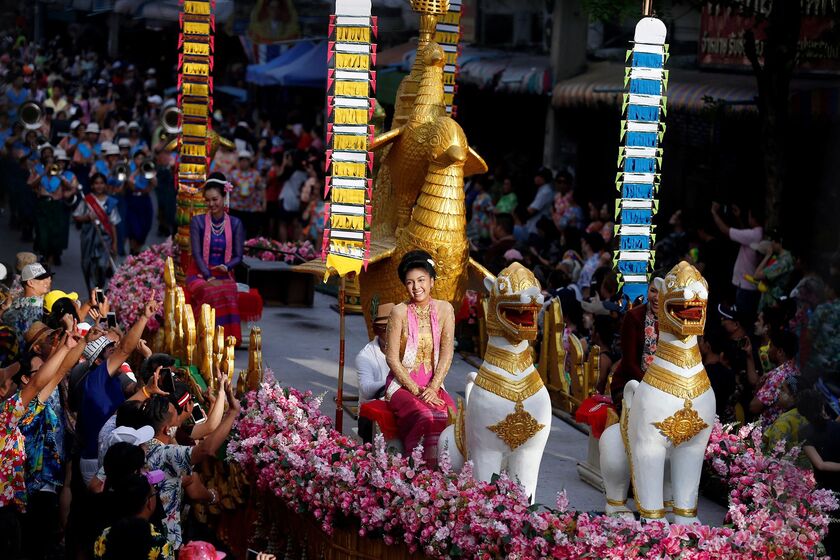
Many other activities also take place during the festival.
The Songkran festival concludes on Wan Parg-bpee, a time for prayer, remembrance of elders and ancestors. People sprinkle holy water on each other to express gratitude and wish each other good fortune in the new year.
The Songkran festival is a distinctive cultural feature of Thailand, attracting tourists with its vibrancy, excitement, and positive meaning. The Thai water festival is more community-oriented than the more intimate family gatherings of traditional Vietnamese or Chinese New Year celebrations. Therefore, the Songkran water festival is also an ideal occasion for tourists to witness and experience the unique culture of the "Land of Golden Temples" while immersing themselves in the festivities.
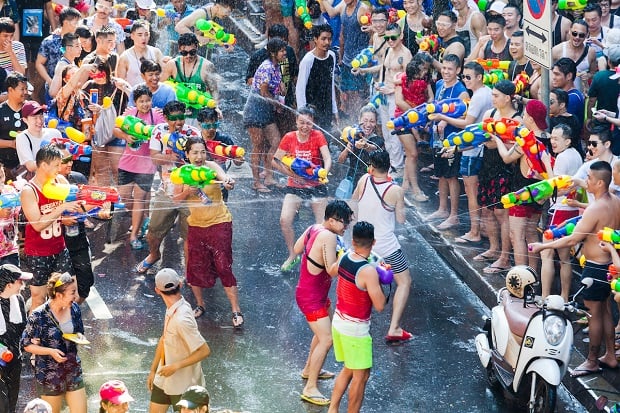
This is an opportunity to boost tourism in Thailand.
The Songkran festival is celebrated throughout Thailand, with each region having its own unique characteristics. Visitors can participate in the festival in Chiang Mai to experience the traditional atmosphere with solemn religious rituals, or head to Bangkok to "let loose" with vibrant and lively street parties. Phuket and Koh Samui are also ideal destinations for visitors to enjoy the water festival with exciting recreational activities.
To have a complete and safe Songkran experience, visitors should keep the following points in mind:
Prepare appropriate attire:You should wear thin, lightweight, quick-drying clothes and bring clean clothes to change into.
Take good care of your belongings:Use a waterproof bag to protect your phone, camera, and other important items.
Respect local culture:Do not splash water on monks, nuns, the elderly, children, or those who do not wish to participate.
Drinking water safely:You should buy bottled water to avoid digestive problems.