VI
VI


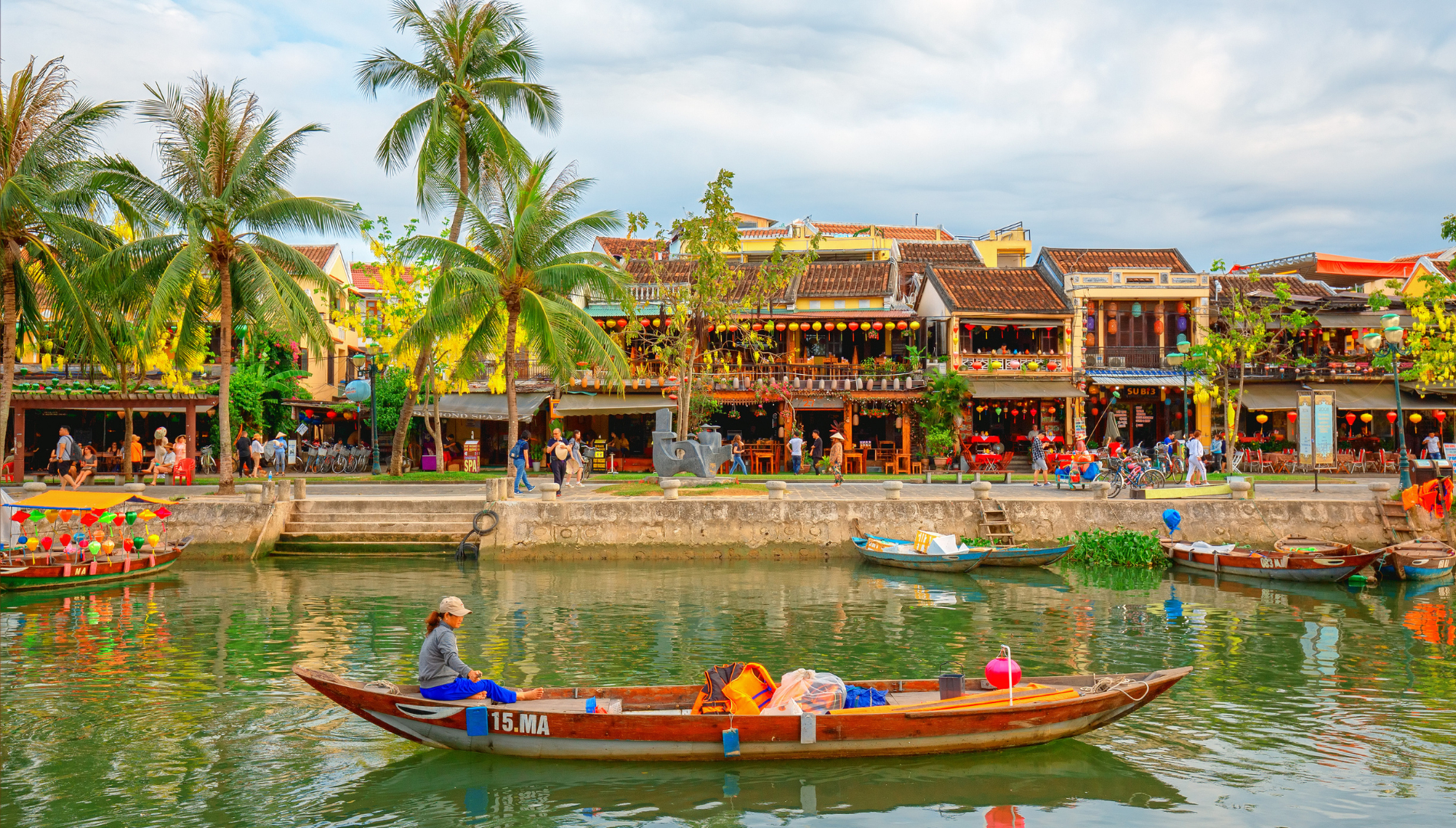
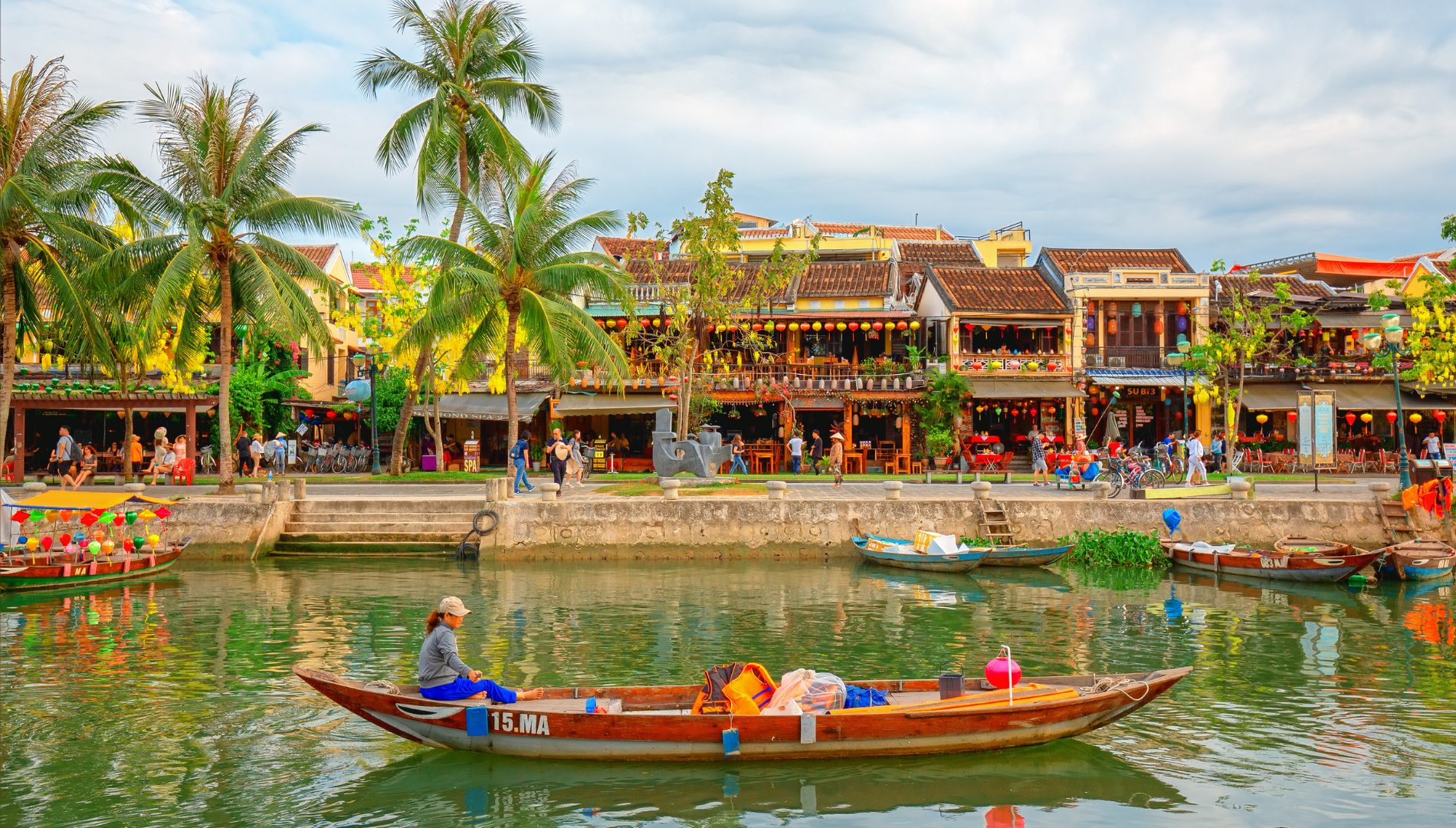
The Tan Ky Ancient House in Hoi An is a skillful and harmonious blend of three architectural styles: Japanese, Chinese, and Vietnamese. It preserves many valuable artifacts with positive philosophical meanings, reminding future generations of precious lessons about humanity, propriety, and righteousness. Therefore, the ancient house has become an attractive tourist destination for both domestic and international visitors, including government officials who come to admire and visit.
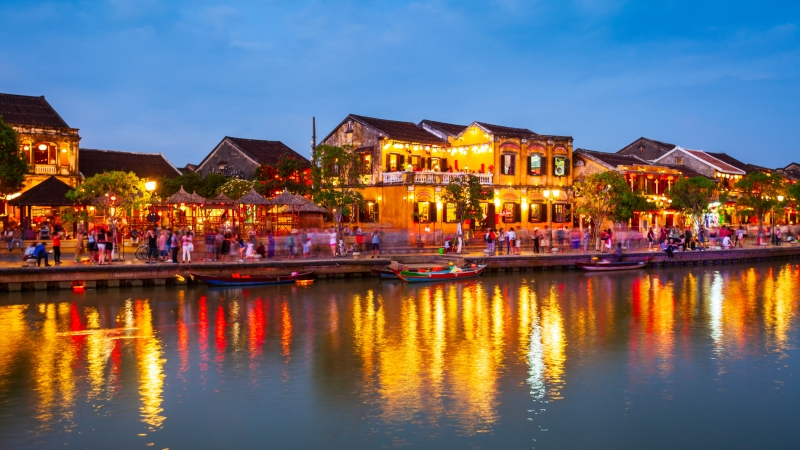
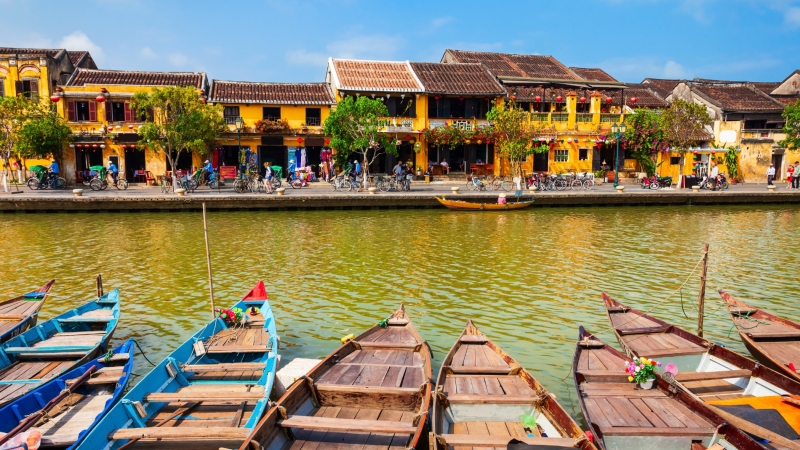
A place that preserves the old-world beauty of Hoi An.
The Tan Ky Ancient House is located at 101 Nguyen Thai Hoc Street, Minh An Ward, Hoi An City. This location is excellent because it's situated along the same street as other famous cultural and historical sites, including the Hoi An Folk Culture Museum, the Hoi An Traditional Performing Arts Center, and the Sa Huynh Culture Museum. Furthermore, from Nguyen Thai Hoc Street to the Chau Thuong Van intersection, you'll immediately encounter the Thu Bon River – known as the Mother River of Quang Nam Province.
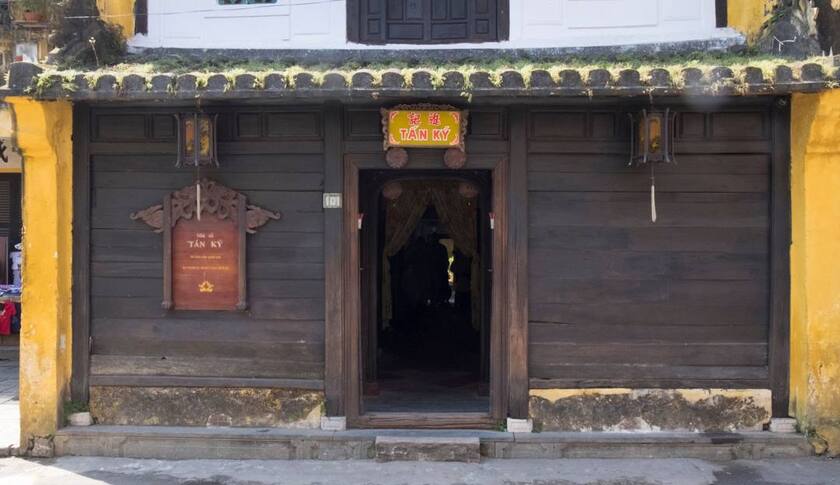
The Tan Ky ancient house, located at 101 Nguyen Thai Hoc Street, Hoi An City (Quang Nam province), possesses very special characteristics, and therefore, in 1985, it was classified as a National Monument.
The old house was built in 1741, at the end of the 18th century. This was where the Le family lived for seven generations. From the second generation onwards, the family began naming the house Tan Ky (meaning prosperity) and expanded their business, trading in agricultural products.
In 1964, a historic flood occurred, severely affecting this ancient house, with the entire first floor submerged. Fortunately, it retained almost all of its architectural and cultural values. In 1990, Tan Ky Ancient House was honored with the title of National Historical and Cultural Monument and was also recognized as a World Heritage Site by UNESCO.
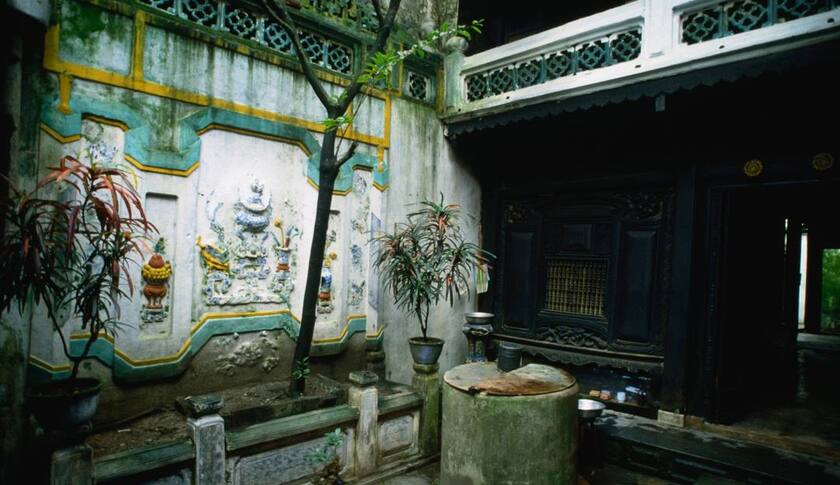
Hoi An's centuries-old living heritage
To date, this place is over 200 years old, guarded by the 7th generation of descendants, with most of the architecture still well-preserved despite having survived many natural disasters. However, it remains a private old house, with the owner still living on the top floor, while the ground floor is open to tourists.
Mr. Le Cong, a Chinese-Vietnamese merchant, made his fortune trading agricultural products at that time. He used boats to travel up the Thu Bon River to the highlands to source agricultural products for trade in Hoi An, and his wealth grew from there. In his son's generation, the house was named Tan Ky – meaning prosperity in business.

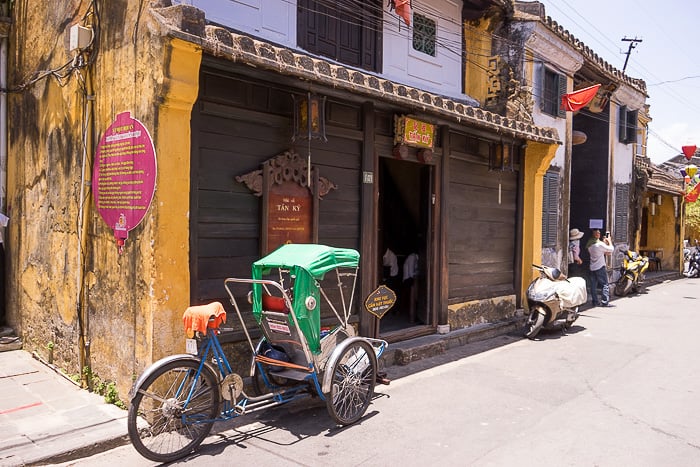
The name Tan Ky Old House was given by the second generation of the family with the meaning of wishing for prosperity and success in business and trade.
In front of the house was the bustling Nguyen Thai Hoc street, a popular commercial area, while behind it flowed the tranquil Thu Bon River, facilitating the import of goods. By the 20th century, the alluvial deposits of the Thu Bon River narrowed the river mouth, preventing large merchant ships from entering Hoi An. This caused the once-famous trading port to gradually decline, and the Le family's business was also affected, eventually fading away.
The Tan Ky ancient house has witnessed many historical floods. The most extreme was in 1964, when floodwaters reached the roof of the first floor, yet the house remained completely unharmed, defying the ravages of time.
Architecture that blends multiple cultures.
The Tan Ky ancient house has two floors and three bays, built in an architectural style that blends three cultures. From the outside, the Tan Ky ancient house clearly depicts the traditional tube-shaped architecture with yin-yang tiled roofs, mixed with a common Chinese decorative element: a large sign inscribed in Chinese characters with Vietnamese text below, introducing the house's name.
The house is built in the typical tube-like style of Hoi An's old town, with many separate rooms and sections inside. Despite the lack of windows, it remains incredibly airy and cool.
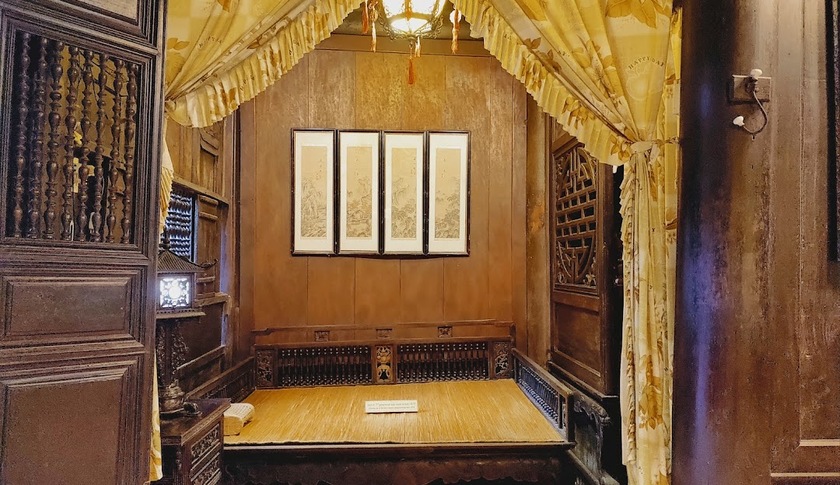
The two-story house is divided into three main sections, built according to feng shui principles (Metal – Wood – Water – Fire – Earth).
What's unique about this house is that it has no windows; sunlight shines through the courtyards, verandas, and rooms. At Tan Ky Ancient House, visitors can easily find Chinese characters carved on the columns, and the tables and chairs used for entertaining guests and enjoying tea are intricately carved with exquisite patterns, giving it a blend of antiquity and elegance.
The old house is designed in the traditional Vietnamese three-bay style, with a roof covered in yin-yang tiles. The main highlight of the house is the intricately carved pillars, rafters, and crossbeams (vertical wooden beams connecting the columns) featuring characteristic images such as: "fish head and dragon tail architecture," "pumpkin," "pomegranate," or carved "peach" symbolizing longevity, "bat" symbolizing happiness, etc.
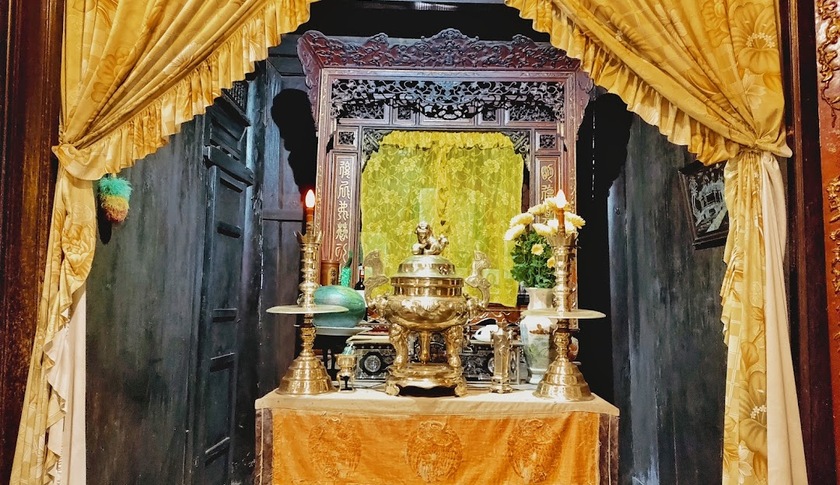
Through the skillful hands of the artisans of Kim Bong carpentry village, the interior furnishings and decorative items of Tan Ky ancient house have become exquisite, enduring through time.
It is known that the types of wood used are all precious woods, such as ironwood, reflecting the owner's prosperity. On the ceiling, instead of modern light bulbs, there are golden lanterns illuminating the space, along with wooden beams, all reflecting a classic touch in the interior architectural design.
The living room is designed according to Feng Shui principles: Metal, Wood, Water, Fire, and Earth. The tiled roof is arranged in a harmonious Yin-Yang pattern, creating a cool and airy atmosphere in the summer, while remaining warm and cozy in the winter, reflecting a distinctly Japanese architectural style.
The ancient house still preserves many beautiful horizontal and vertical couplets, with notable examples such as: "Maintaining a peaceful mind" (meaning keeping the mind always calm), "Accumulating virtue for future generations" (meaning teaching descendants to maintain good virtues for future generations). Particularly noteworthy is the "Hundred Birds" couplet, written with 100 strokes, each stroke resembling a flying bird, considered unique by archaeologists.
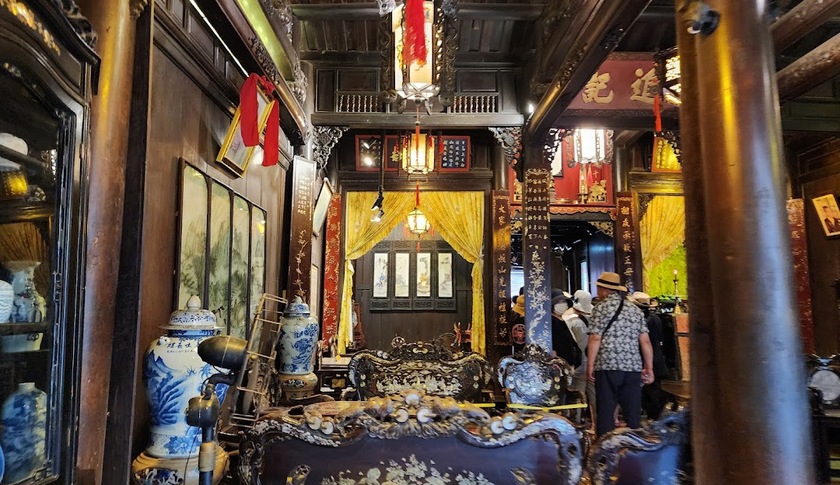
In the early period of Emperor Tự Đức's reign, the house was only one story high because the emperor stipulated that houses could not be built taller than the height at which the emperor's palanquin passed.
Furthermore, one of the most precious artifacts displayed at the Tan Ky ancient house is the unique Confucius cup, the only one of its kind in Vietnam. According to historical records, the "Confucius" cup dates back 550-600 years. This cup has been in the Le family's possession for 200 years. Its unusual shape, seemingly simple at first glance, carries a profound meaning: it only holds about 80% of its capacity; adding more will cause the water to automatically overflow. The ancients believed this cup was meant to encourage self-restraint and maintain a pure mind. According to the Le family, this priceless cup was purchased by their ancestor from wealthy Chinese merchants who had brought it here for trade.
Despite the passage of time and the erosion it has endured, the 200-year-old Tan Ky ancient house still stands tall, a witness to the ups and downs of history.