
 VI
VI


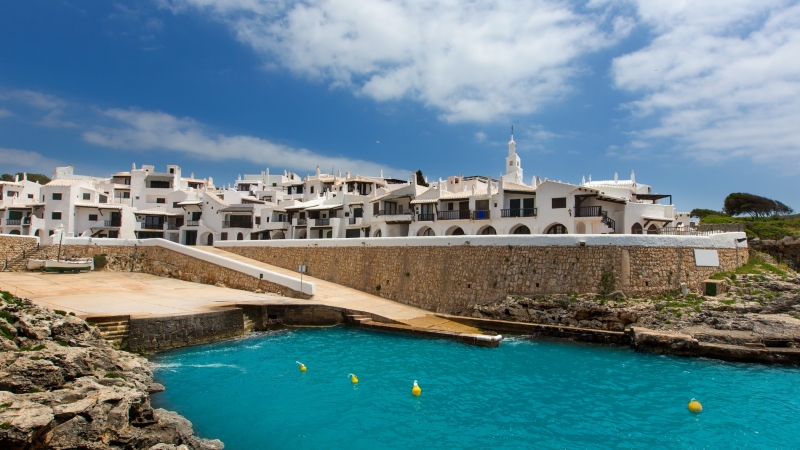
Tourism has played a key role in boosting the Spanish economy over the past two years. According to figures from the Bank of Spain (BBVA), the tourism sector contributed 11.6% of GDP and 9.3% of employment to the country in 2022. International tourists spent more than €125 billion in Spain in 2023, contributing significantly to the economic recovery after the COVID-19 pandemic.
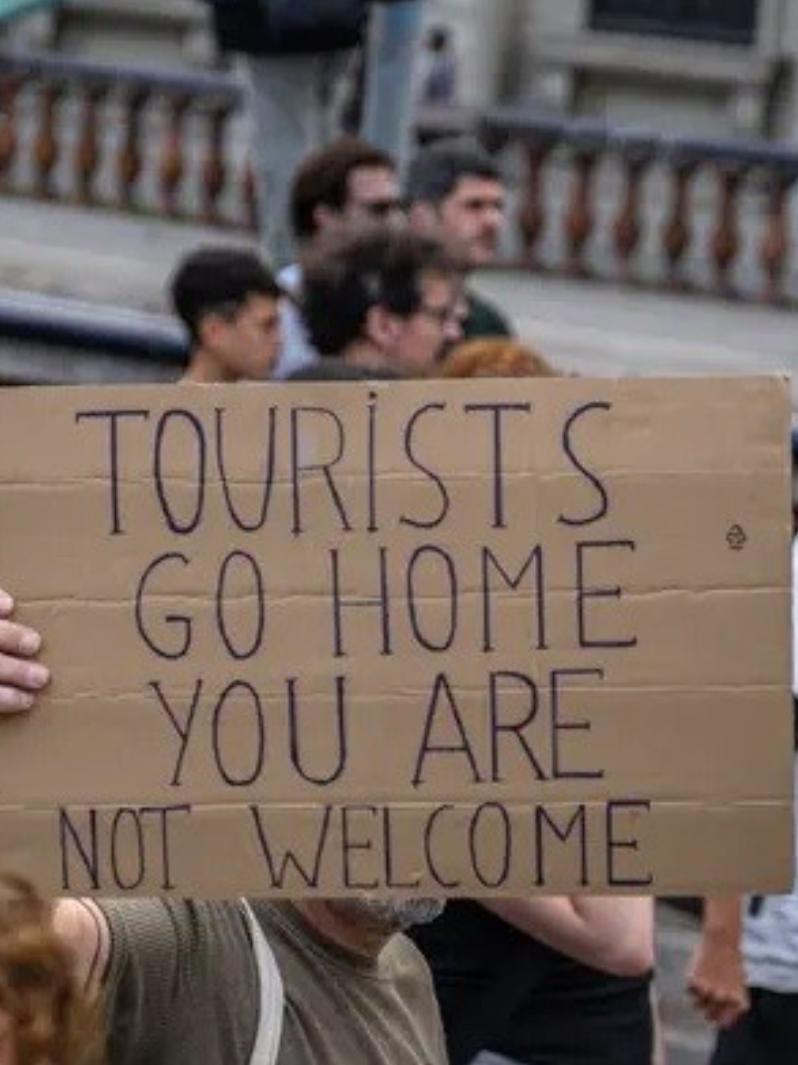
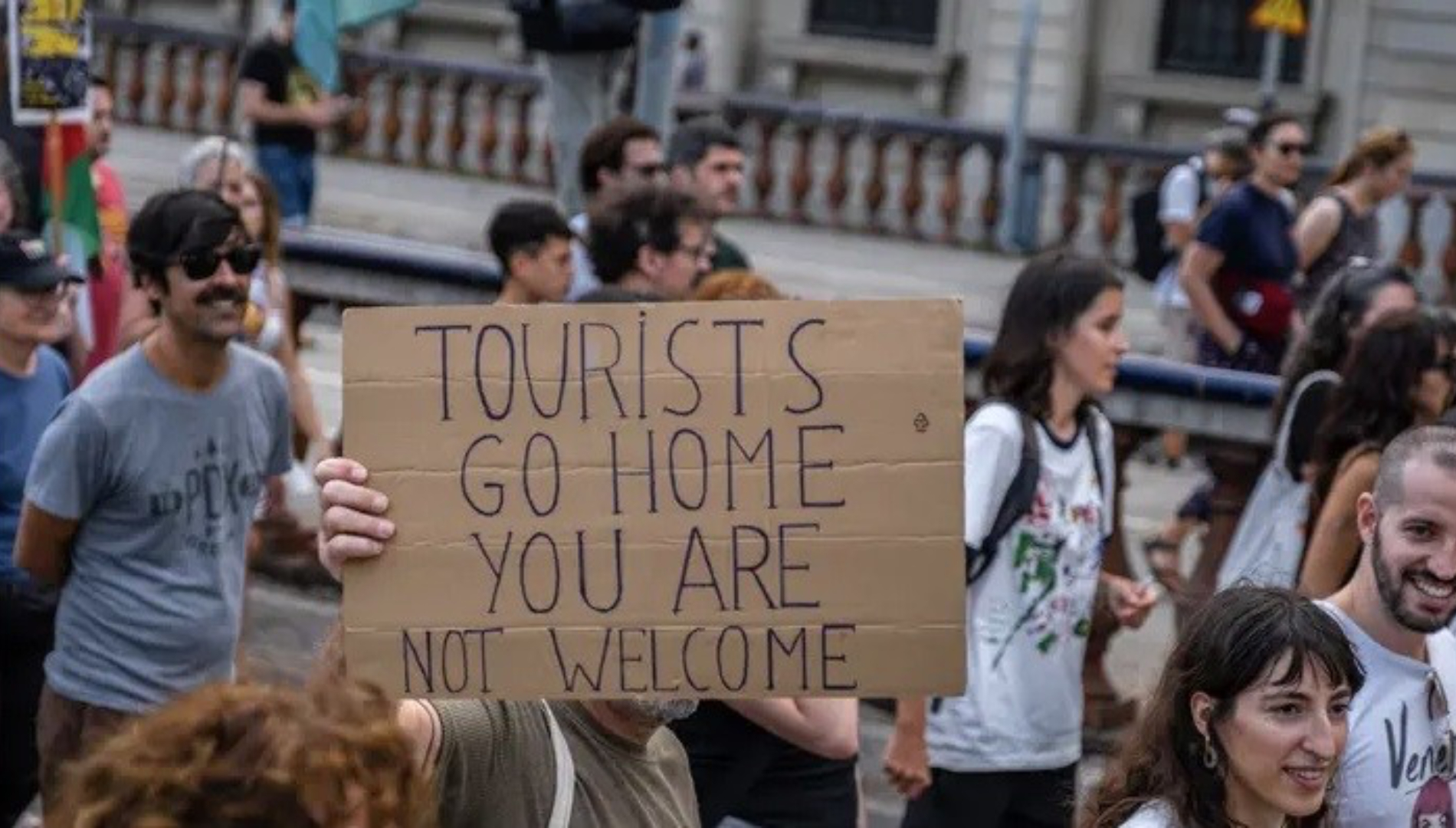
However, thousands of Barcelona residents took to the streets to protest, firing water guns at tourists to oppose "tourism overcrowding" and its impact on housing in the city.
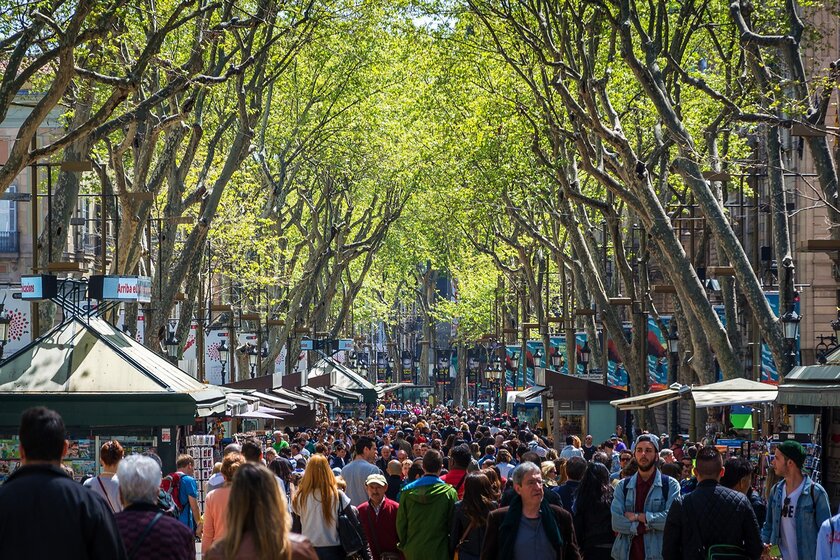
Overcrowding of tourists in Barcelona.
Protesters marched through Barcelona's tourist-heavy areas, chanting "tourists go away" and spraying water at others. Some held up signs reading: "Barcelona is not for sale." Around 2,800 people participated in the demonstration, calling for a new economic approach aimed at reducing the number of tourists.
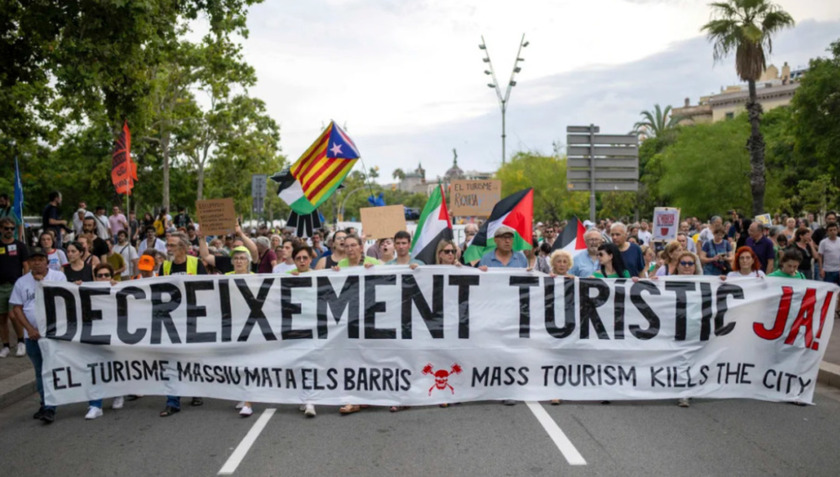
Many people took to the streets to protest, aiming to drive tourists out of their country.
Diners at restaurants in the area were also sprayed with water, and residents chanted, "Tourists, get out of our city!" Many locals have become frustrated by the huge number of tourists flocking to this beautiful European coastal city, as rents, consumer goods, and essential items have all increased in price.
The crowd also used thick tape to block the entrances to hotels and sidewalk cafes in the Barceloneta residential area. This was an act expressing their desire to close those businesses.

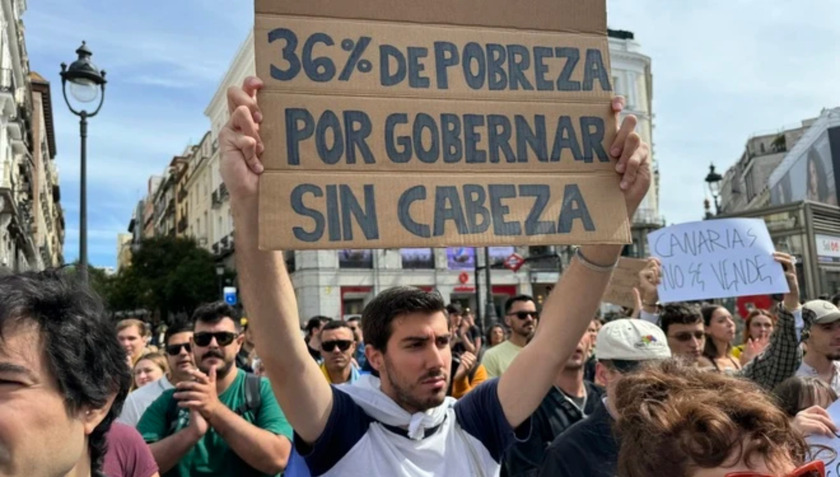
The protesters stopped demonstrating after 20 days because they felt officials "didn't care" about their health, but the hotel construction had to be halted due to environmental concerns. Local residents urged the government to abandon the hotel expansion plan, fearing that overtourism would destroy the island's environment.
Barcelona Mayor Jaume Collboni announced plans to remove around 10,000 short-term rental properties by 2028, but opponents argue this will only lead to the proliferation of hotels.
The Wall Street Journal reported that while Germany, the engine of the European economy, was stagnating, tourism helped Spain become the fastest-growing major economy on the continent. A report from the Spanish central bank in early 2024 clearly indicated that tourism had been the country's "key growth engine" for the past two years.
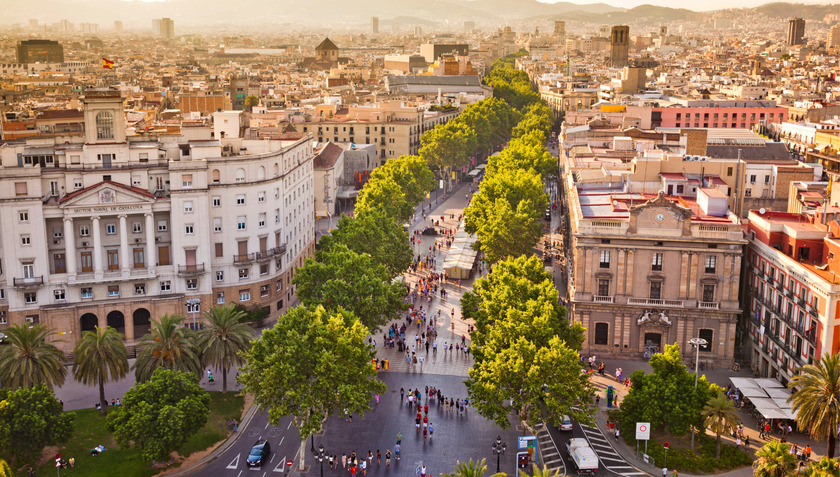
Despite tourism being the engine of Barcelona's economy, the locals are not letting this overcrowding continue.
According to AP, Spain welcomed a record 85 million international tourists in 2023. However, tensions between locals – and especially the city of Barcelona – had been building for a long time before that.
The number of hotels in Barcelona quadrupled between 1990 and 2023 to accommodate a surge in tourists, from 1.7 to 7.8 million during the same period. This figure doesn't even include the millions who travel to the city's suburbs.
Opponents of tourism argue that the consequence of this situation is that land prices have become so expensive that many locals can no longer afford to live in the city. Barcelona Mayor Jaume Collboni acknowledged that rents in the city have increased by 68% over the past decade.
Even those who acknowledge the economic contribution of tourism are less enthusiastic than before due to the overwhelming number of visitors. The report points out: "More and more people believe that Barcelona has reached the limit of the number of visitors the city can accommodate."












