VI
VI


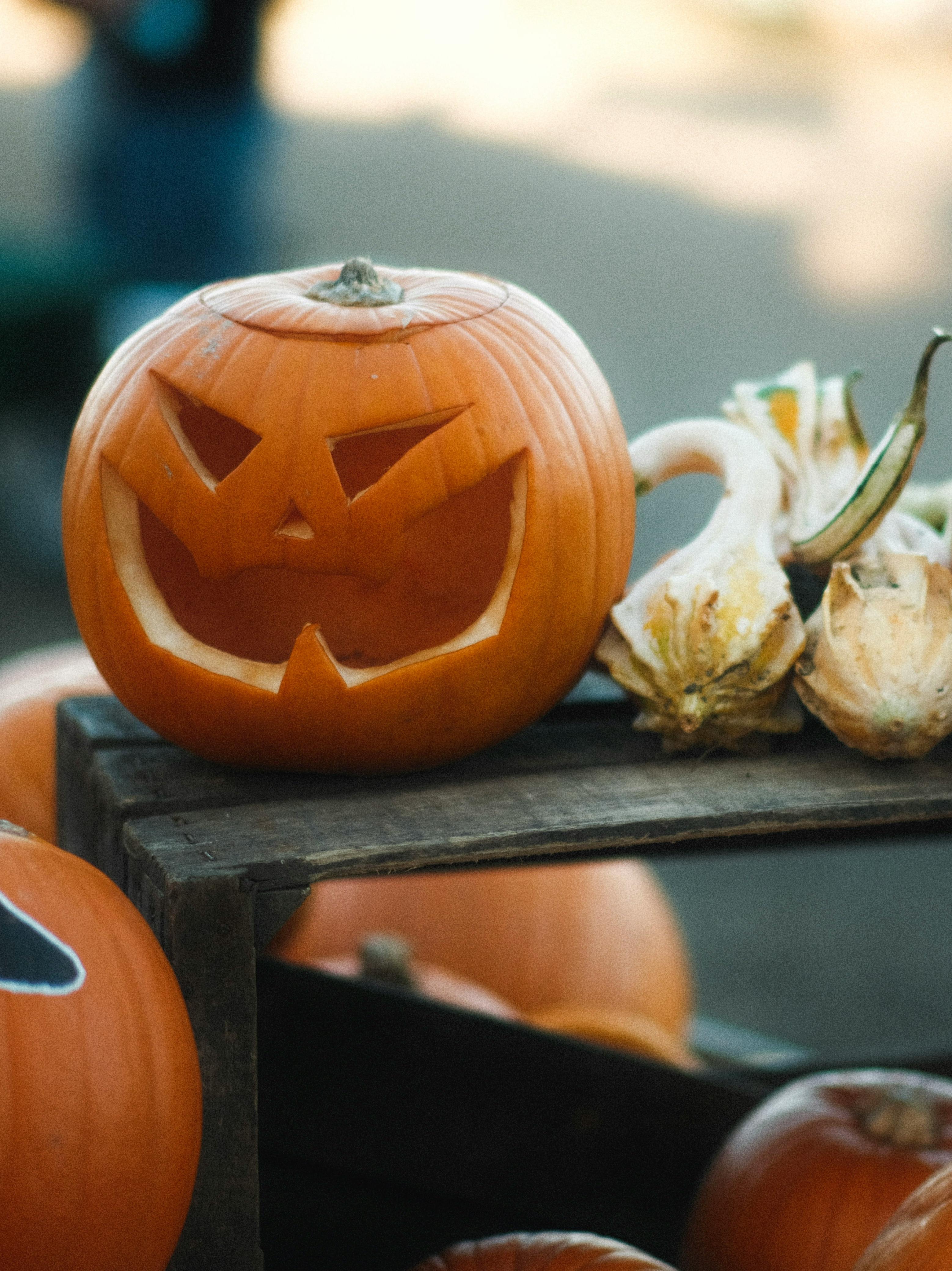
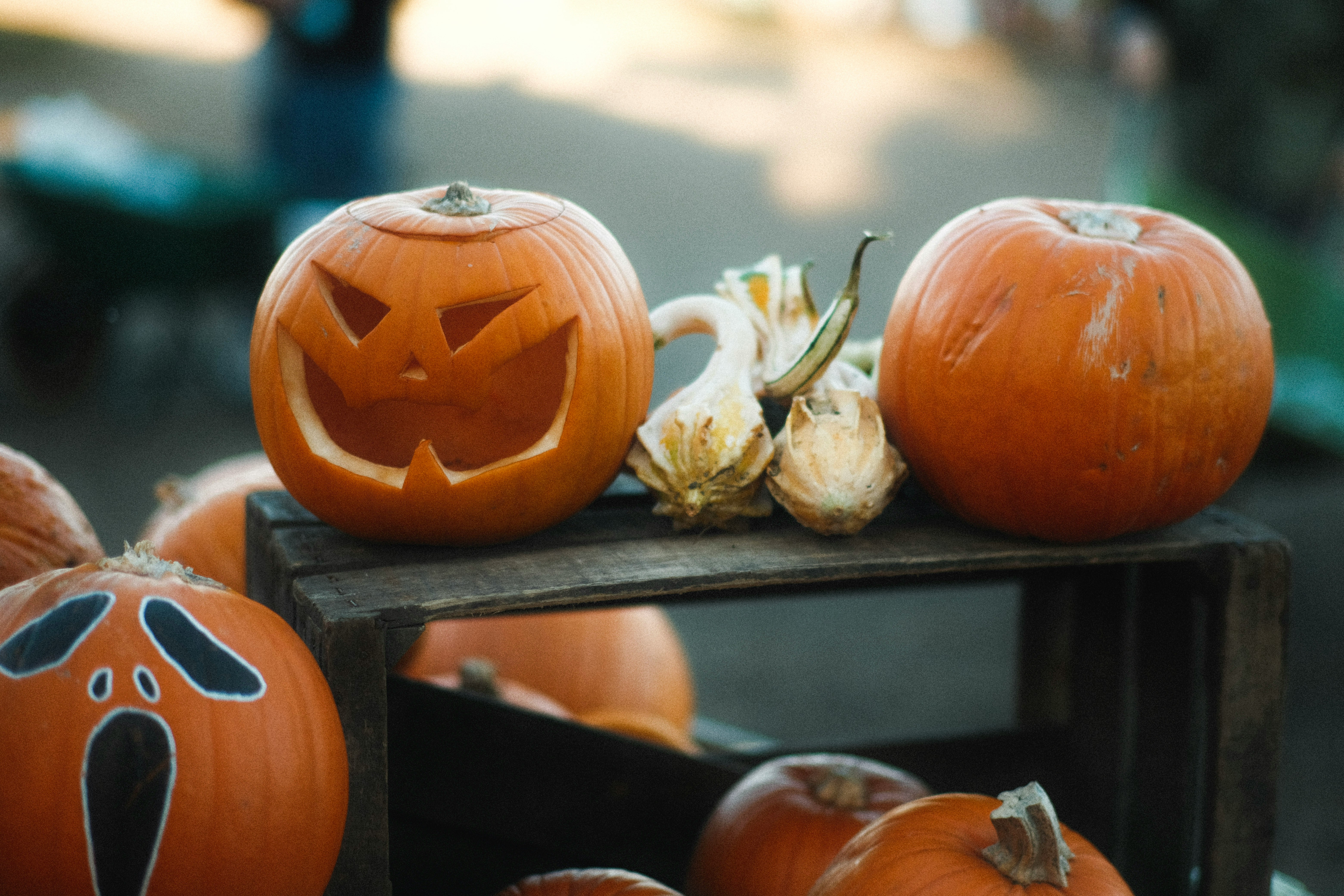
Halloween is not only a time to dress up as spooky characters, but also an opportunity for people to gather together and enjoy traditional dishes characteristic of the occasion. In Western countries, families and groups of friends often get together to prepare and enjoy special dishes that are full of festive spirit.
Pumpkin Pie
Pumpkin pie is not only a delicious treat but also holds deep cultural and historical significance. The image of the round, vibrant orange pumpkin has long been associated with autumn and Halloween. When you taste it, you'll experience the sweet, creamy flavor of the pumpkin blended with a crispy crust, fragrant with cinnamon and other autumnal spices. Taking a bite, you'll feel like you've wandered into a fairytale garden filled with ripe, fragrant pumpkins.
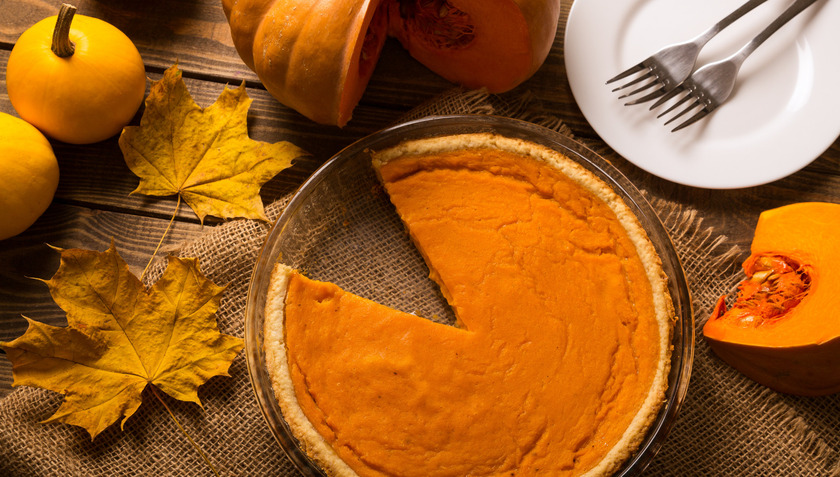
Pumpkin pie is a type of custard-filled dessert made from seasoned pumpkin.
The Halloween pumpkin is one of the most iconic symbols of the festival, carrying many profound meanings. Originating from Celtic legend, people in the past believed that pumpkins were used to ward off evil spirits and ghosts. They carved scary faces onto pumpkins, creating light from within to protect themselves from negative forces on Halloween night.
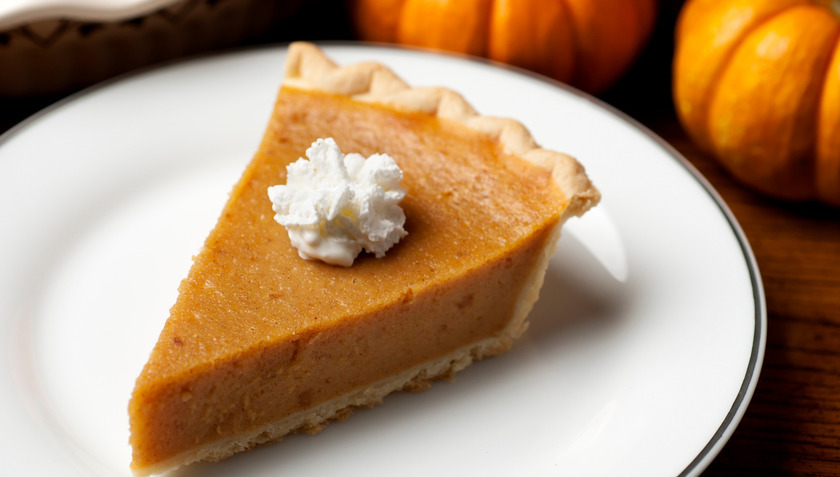
It wasn't until the early 19th century that recipes appeared in Canadian cookbooks or pumpkin pie became a popular side dish.
Pumpkins also symbolize the transition of seasons, marking the end of summer and the arrival of winter. The image of a vibrant pumpkin also represents the abundance and warmth of autumn, creating a familiar and intimate feeling.
Soul cake
Ghost cakes are a traditional Halloween treat in many countries, originating in England. Ghost cakes are not just a traditional food but also a creative culinary art form. For centuries, these cakes have been made to remember and pray for the souls of the deceased. The image of these small, simple cakes with raisins arranged in a cross symbolizes the connection between the living and the afterlife, bringing a feeling of warmth and peace to this mystical holiday.

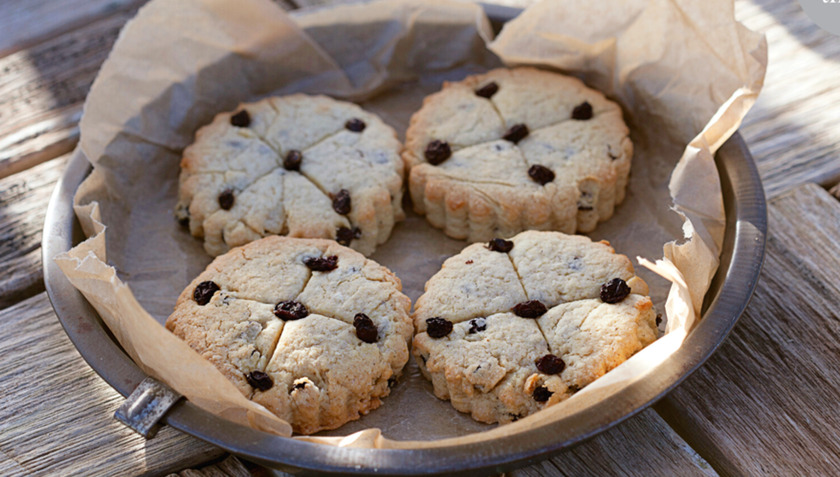
The simplicity of the cake symbolizes the spirits, awaiting a prayer for deceased loved ones from the recipient.
There are many legends about the origin of the traditional Halloween cake. Some recount that the "soul cakes" were baked during the Samhain bonfire night. The unfortunate person who chose a burnt cake would become a sacrifice to the villagers to ensure a bountiful harvest the following year. This legend is somewhat gruesome and cruel, so we have a milder version.
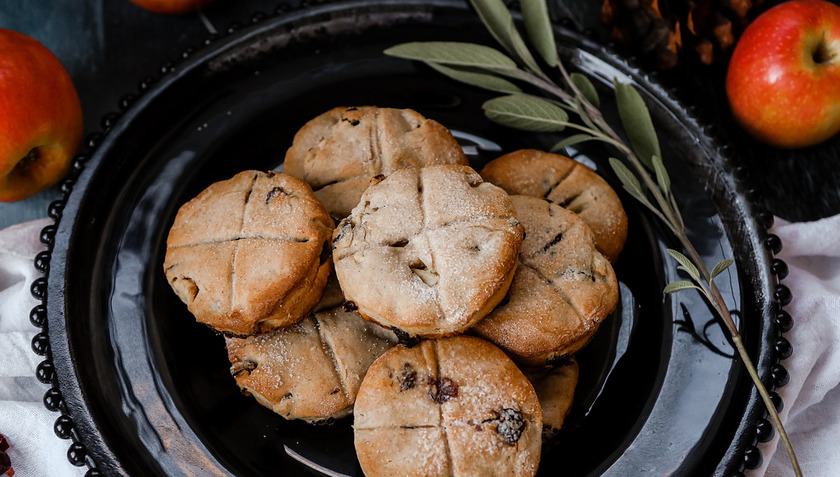
Soul cakes taste like regular cinnamon cookies, often with added raisins, and are arranged in a cross shape.
Soul cakes would be thrown around a designated area to appease wandering spirits roaming in animal form. The cakes would be a precious gift to the hungry ghosts, thus ceasing their harassment of people and their crops.
In the 8th century, the traditional Halloween cake – the soul cake – was sanctified and civilized. The cake was given to beggars on Ghost Night. The beggars would receive the cake and pray for the deceased members of their family. When a Halloween cake was given away, it was believed that a soul had been saved.
Dumb cake
"Dumb cake" – the name sounds strange and funny, but it holds a deep cultural and traditional meaning. Contrary to its name, this cake is not "stupid" at all, but is an important part of an ancient ritual, performed by unmarried young women throughout the United Kingdom and North America from the 18th century.
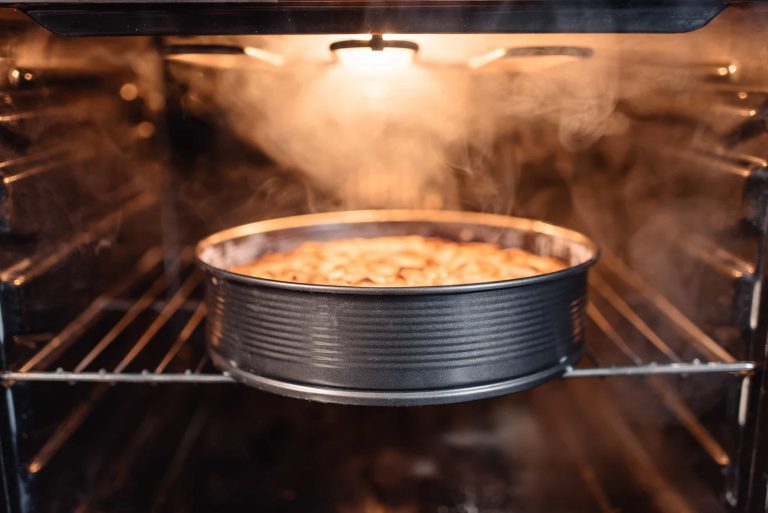
It represents a baking ritual performed by young, unmarried women throughout the United Kingdom and North America from the 1700s to the mid-1900s. Two or three girls would gather in the kitchen late at night. They had to bake a simple cake consisting of flour, water, and salt in absolute silence. Each girl would mark the cake with her initials, then put it in the oven without saying a word. After taking the cake out of the oven, the girls would break it apart, each taking a bite, and then begin to walk backward toward their beds. Legend says that after placing the traditional Halloween cake under their pillows, they could dream of their future husbands.
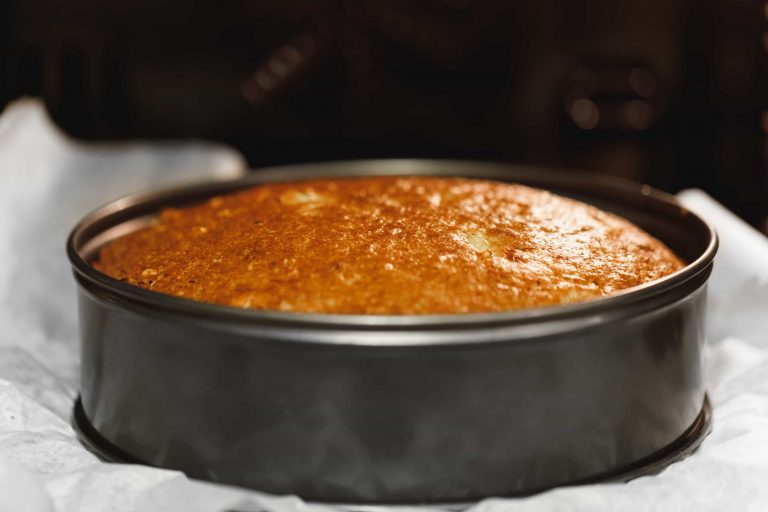
In the past, this cake was similar to customs such as summoning the image of a loved one in a mirror, throwing apple peels over the shoulder so that the peels formed the first letter of the future husband's name… all aimed at discovering the identity of one's future spouse.
Pumpkin Soup
Besides pumpkin pie, pumpkin soup is another traditional dish not to be missed during Halloween. Pumpkin soup is not only warm and nutritious but also easily satisfies even the most discerning diners. The delicate flavor of pumpkin combined with various spices creates an irresistible dish.
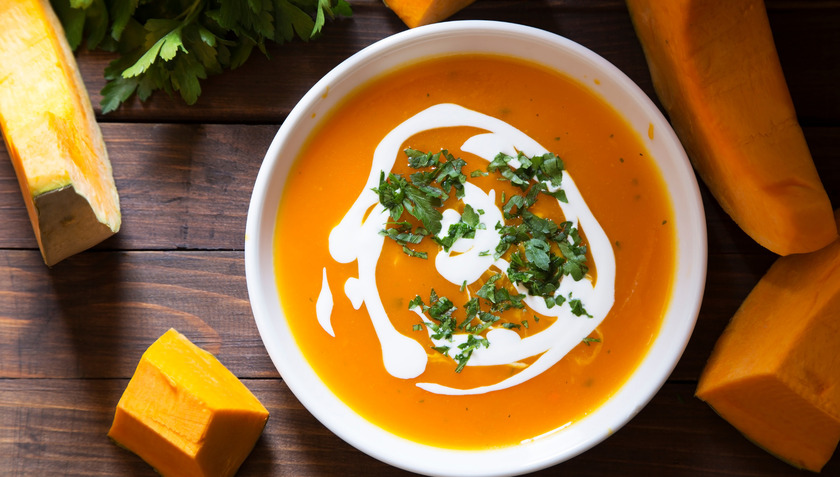
This soup is delicious eaten on its own, or with simple toppings.
Halloween is not only an occasion to immerse oneself in a spooky atmosphere, but also a time for people to be creative and enjoy special dishes. Whether it's a lavish party or a simple cozy evening with family, traditional Halloween dishes are sure to bring satisfaction and joy to everyone involved.