VI
VI


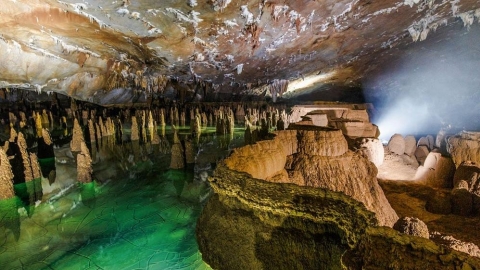
I've been to Tan Hoa, breathed in the fresh air of my hometown, Quang Binh, wandered along the small village roads, and enjoyed delicious local specialties. But I still have one regret: I haven't set foot in Tu Lan Cave. They say that if you've been to Tan Hoa but haven't visited Tu Lan, you've only seen half the experience. And I'm one of those "half-experienced" people – and I've promised myself: I must return!
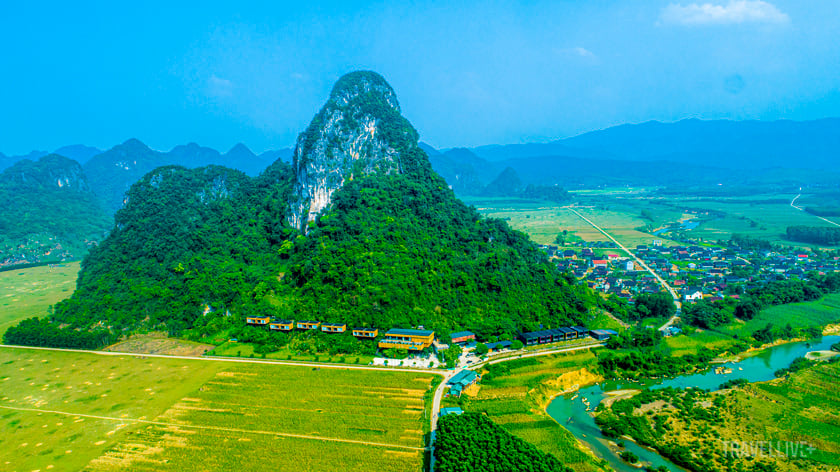
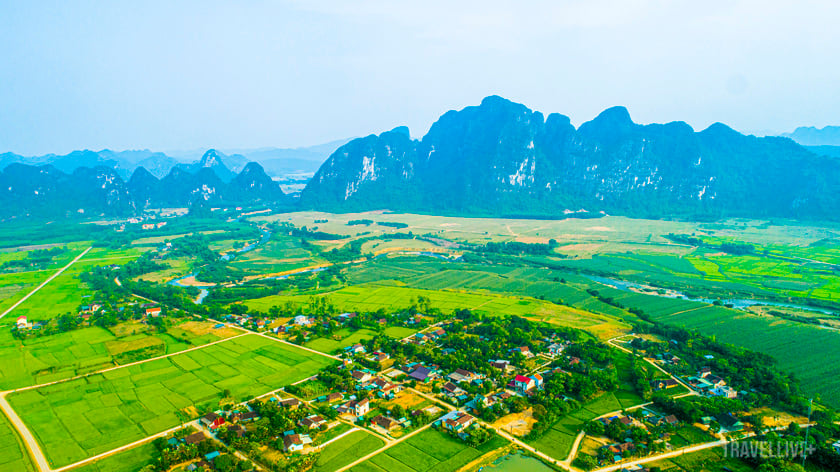
Tan Hoa Tourist Village
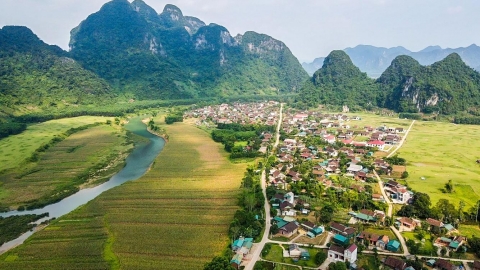
Tan Hoa, a small village in Minh Hoa district, Quang Binh province, is not only a peaceful stopover but also one of the most renowned tourist villages on the world map. In 2023, Tan Hoa was honored by the World Tourism Organization (UNWTO) as the "Best Tourist Village in the World," becoming a source of pride for Vietnamese tourism. Trekking tours to Tu Lan not only offer an adventurous experience but also help visitors better understand the ecosystem and how the local people live in harmony with nature.
Since being recognized by the UNWTO, Tan Hoa has continuously developed while still preserving its pristine beauty. Many local people have been trained to become professional tour guides, tourism infrastructure has improved without losing its rural identity, and while international tourists are flocking to the area, the sustainable tourism model is still maintained.
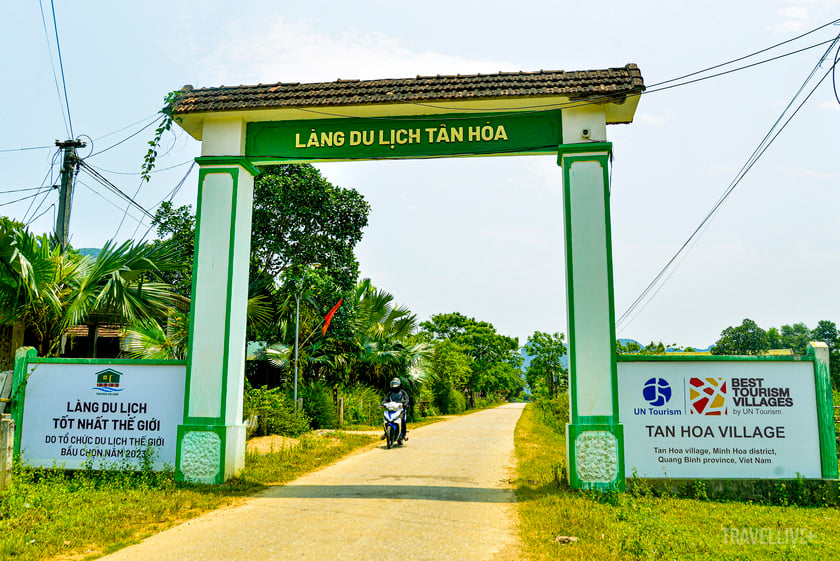
Tan Hoa Tourist Village, Quang Binh
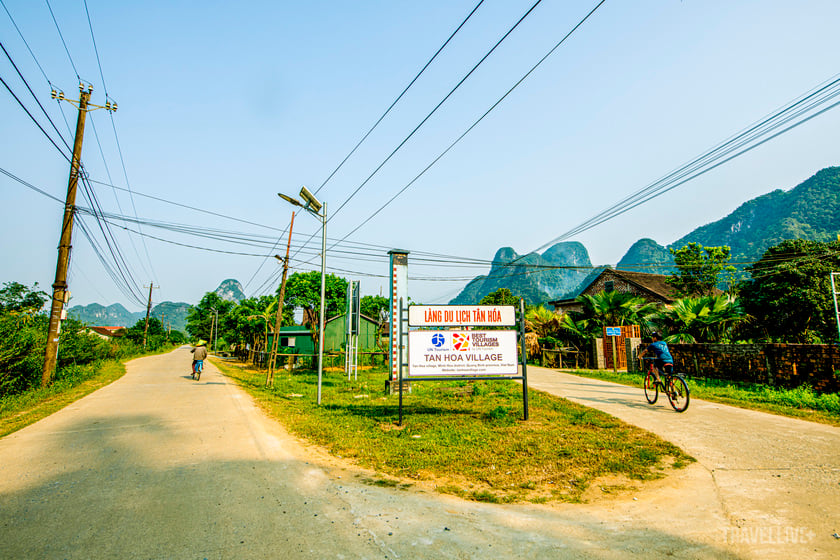
Flood level markers at the edge of the village.
Tan Hoa is also famous for its Tu Lan cave system, which has been chosen as the setting for famous domestic and international films such as: Victor Vu's "The Immortal", Dinh Tuan Vu's "Legend of Quan Tien", and Jordan Vogt-Roberts' "Kong: Skull Island".
I arrived in Tan Hoa on a beautiful morning, with a light backpack and a feeling of excitement. Even though I only had one day, I wanted to fully enjoy every moment, because I knew for sure that this place had something very special about it. I left the crowded streets, left the city behind, to come to a nearly isolated area.
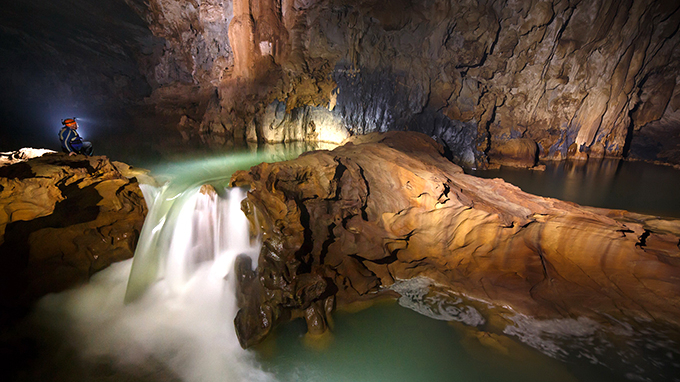
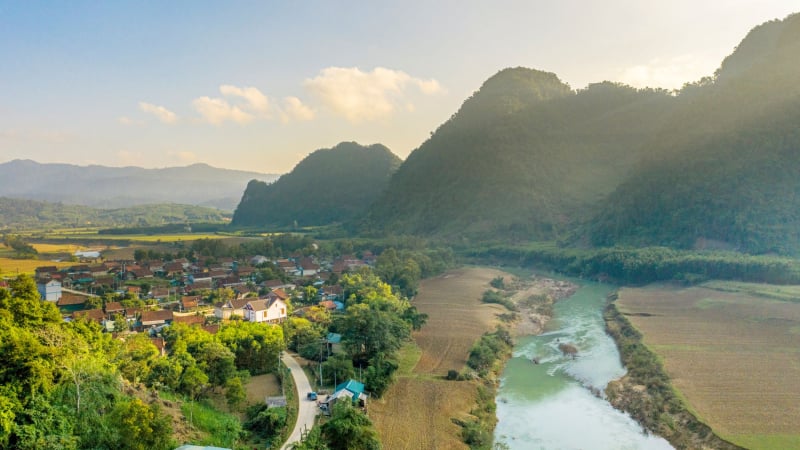
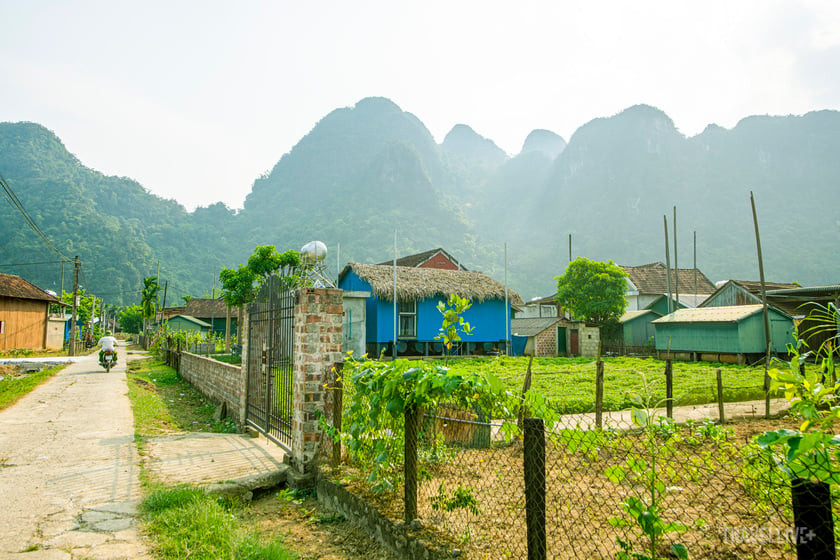
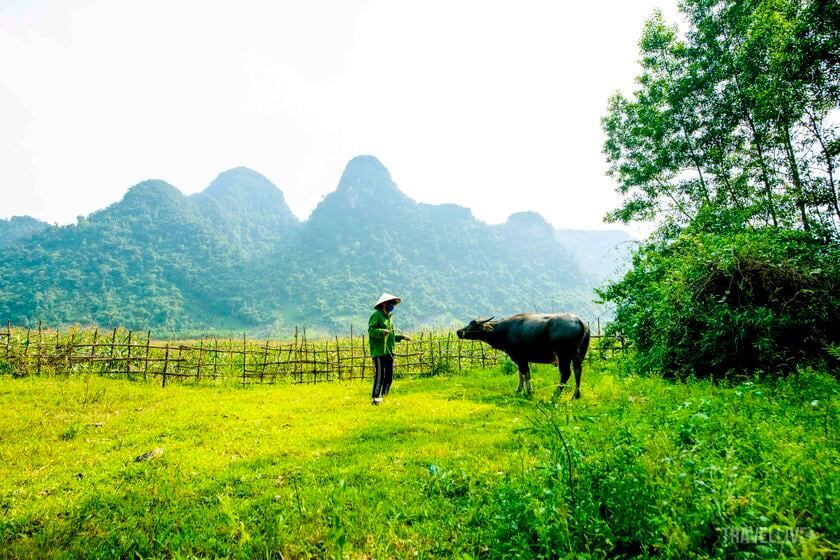
The peaceful countryside of Tan Hoa
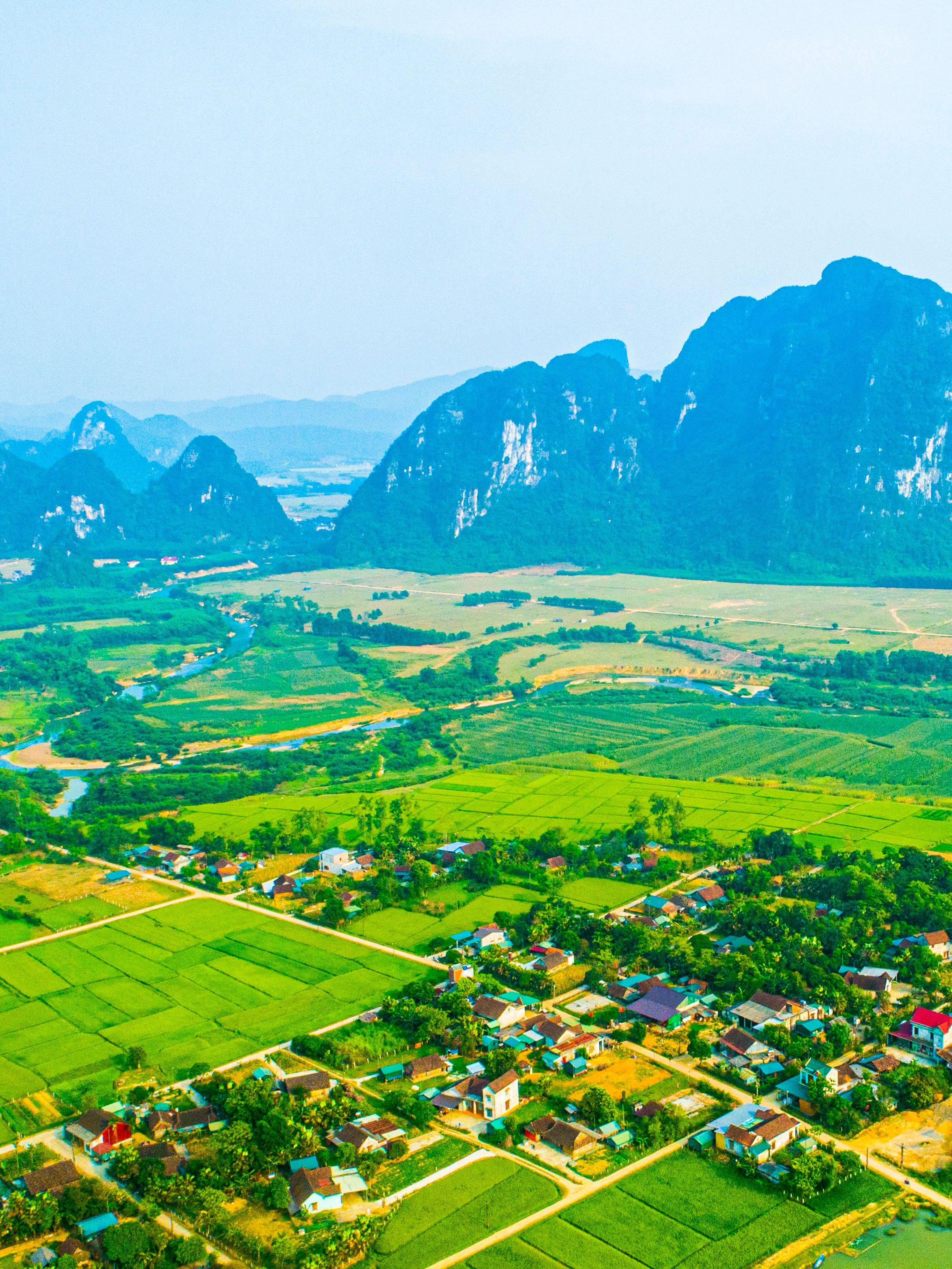
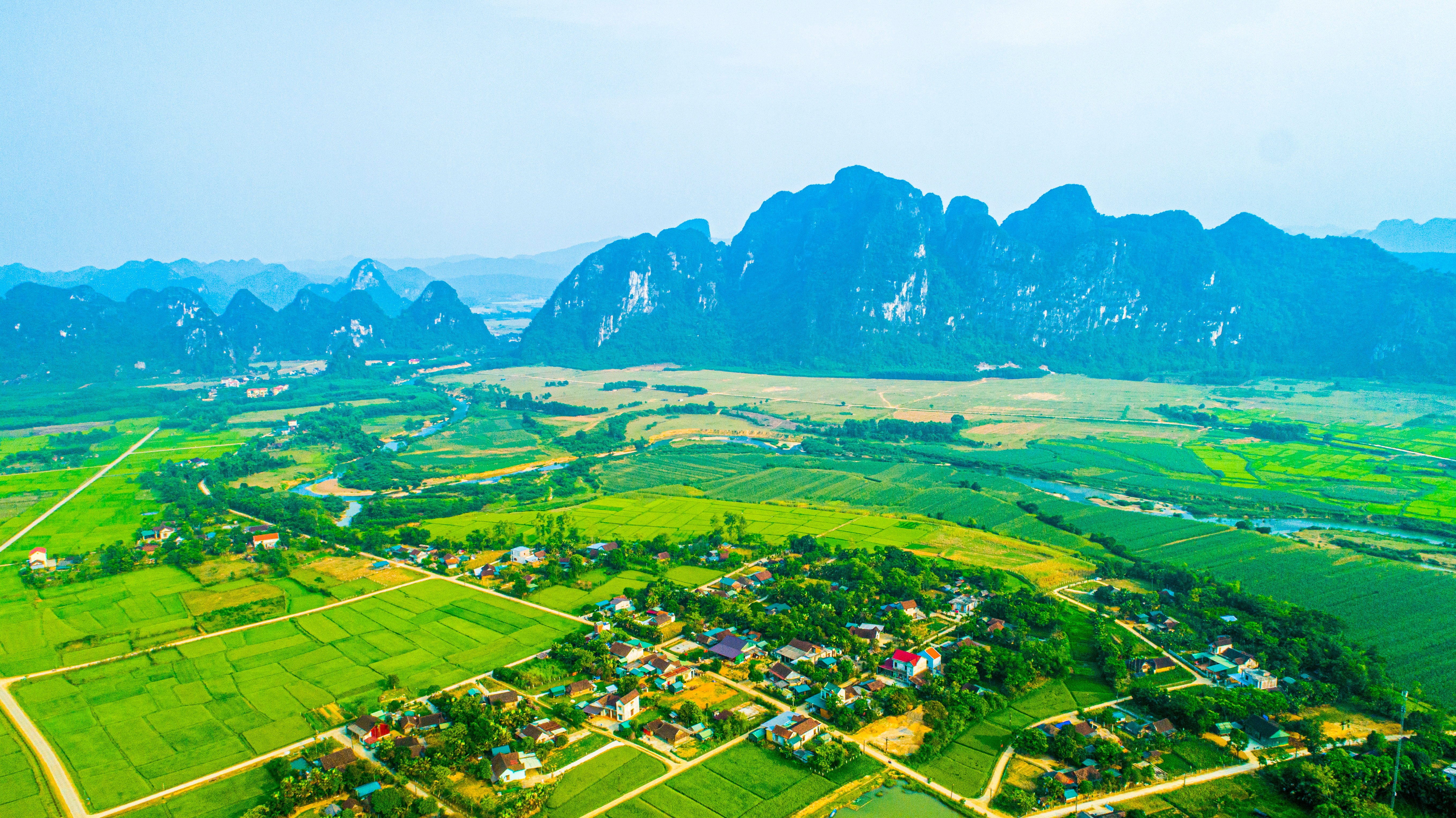
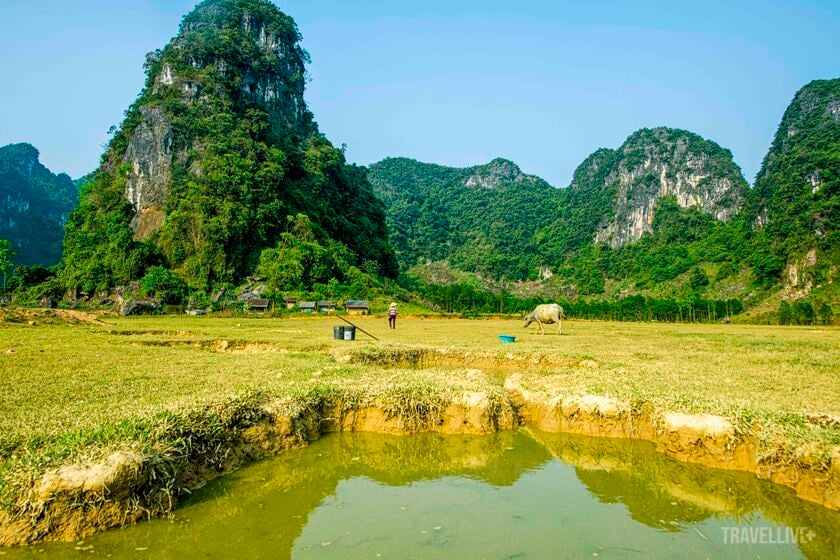
Tan Hoa is nestled amidst towering limestone mountains, where nature has retained its miraculously pristine beauty. The village is small but cozy. Low-lying stilt houses peek out from behind rows of betel nut trees, rice fields stretch endlessly into the distance, and somewhere, the sound of roosters crowing echoes in the midday summer heat. I couldn't believe that just a few hours earlier, I was stuck in the congested traffic of the city. Or that yesterday I was trapped in the hustle and bustle of Hanoi.

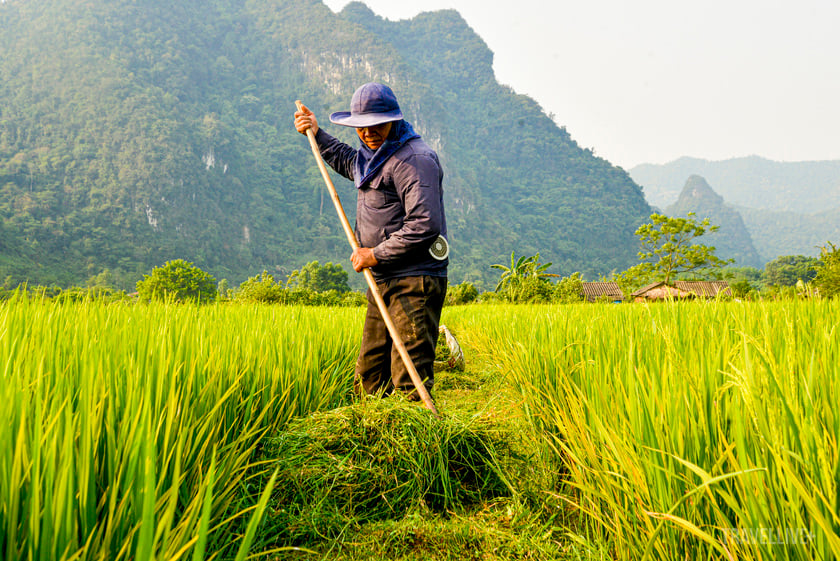
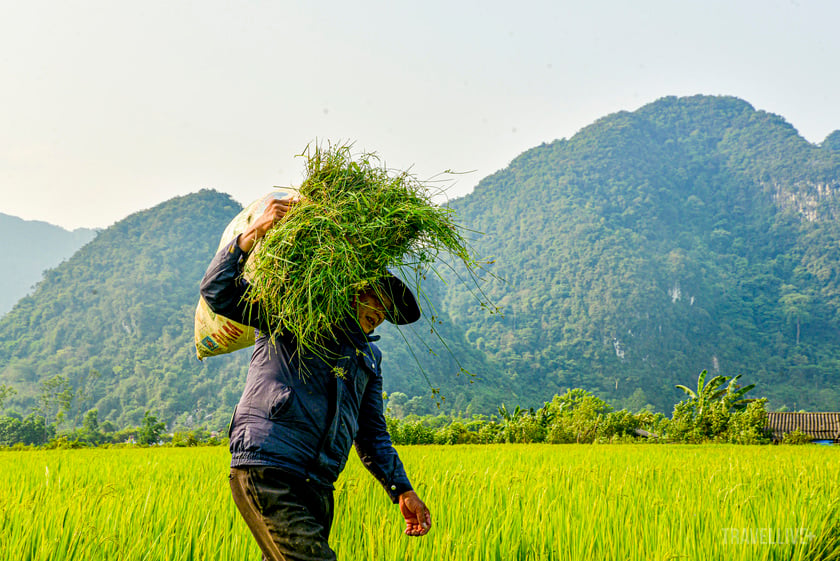
Upon arriving at the village, I realized that this trip was simply to experience the countryside and I wasn't mentally prepared for a trekking adventure to explore the caves. I went to a nearby field to get some fresh air and met Mr. Hien, a cheerful local man and the first person I spoke to: "Have you been to Tu Lan yet?"
I replied, "I'm only here until the afternoon, so I can't leave."

Uncle Hien: "Oh my goodness, that's such a shame! But don't worry, remember to go again next time you come back. Take an ATV ride to the lime garden and then go to Tu Lan, it's beautiful."
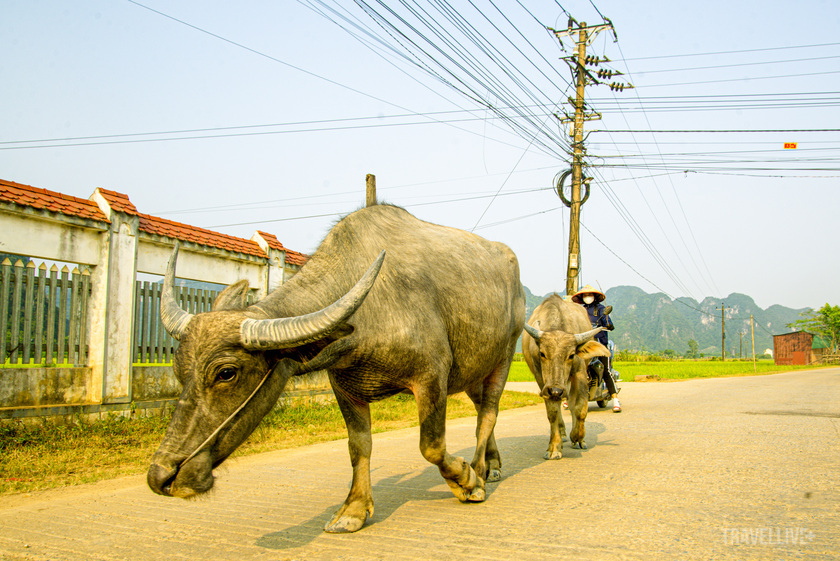
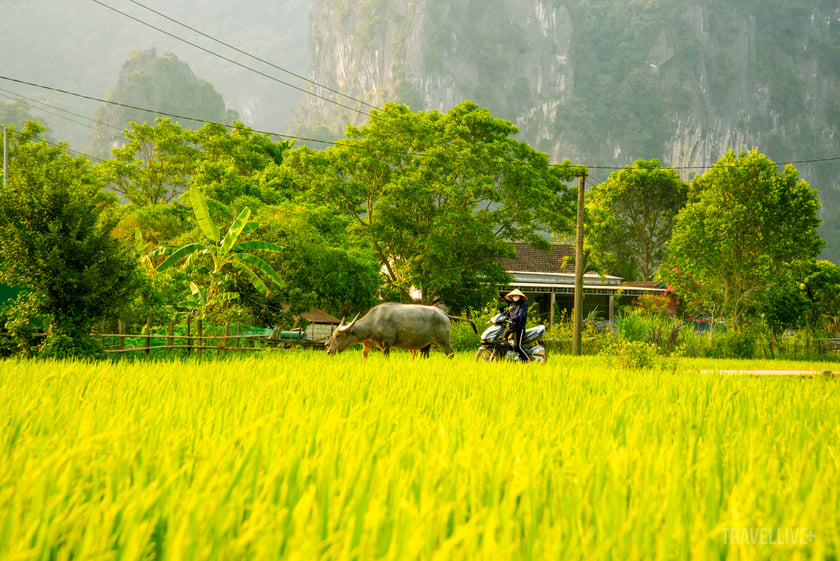
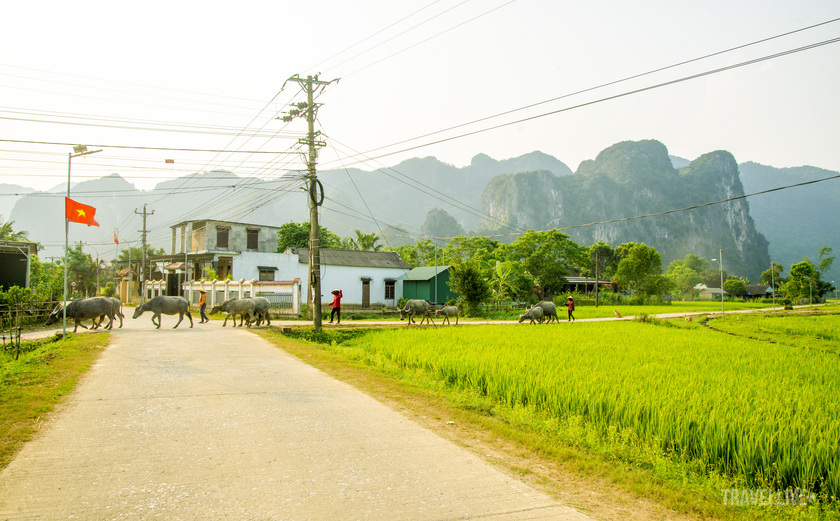
Although I didn't go trekking in Tú Làn, I had time to wander and explore the hidden corners of Tân Hoá, and the opportunity to see just how peaceful Tân Hoá is. I walked along the village paths, where children played in the yards and farmers leisurely led their buffaloes home after working in the fields.
Tan Hoa was once one of the areas most severely affected by natural disasters, with floods becoming almost unavoidable. When Typhoon Yagi swept through central Vietnam, Tan Hoa was no exception. Fields were submerged, and village roads were suddenly transformed into vast stretches of water. But after just a few days, when the water receded, everything returned to normal.
The floating houses remain firmly afloat on the water, and the green fields are once again full of life. The people still smile, still ready to welcome visitors. The people of Tan Hoa have found a unique way to adapt to the harsh natural environment: floating houses. This innovative model allows people to live safely even during major floods. When the water rises, these houses float with the current, ensuring that daily life is not interrupted.
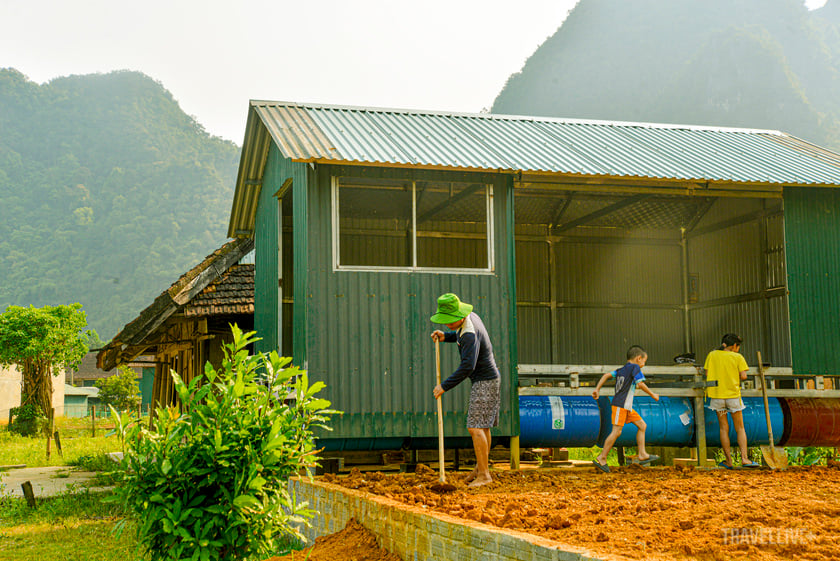
Mr. Dung, a local resident, was tilling the soil while chatting with me: "The water has receded this season, but when the flood season comes, Tan Hoa will turn into the Venice of Vietnam. Every house has a boat; you can't go anywhere without a boat. But the people here are used to it. Now we have floating houses, so when the water rises, the houses float with it, and we just live as usual. There's a certain joy to it."
I listened with both admiration and a sense of lightness in my heart. Life here isn't easy, but people remain optimistic, cheerful, and warm. I felt that upon arriving, all stress and fatigue vanished. Everything here is strangely slow and gentle. I even thought this field was more beautiful than the one in Dali, China, that I'd seen in movies. You don't need to go abroad to experience such wonderful healing.
That day I was lucky enough to have a meal with a family in the village. The meal wasn't fancy, but it captivated me completely. There was fragrant grilled free-range chicken, pickled eggplant, boiled sweet potato leaves, and especially the incredibly delicious Pồi rice made from hot corn.
During the meal, the story of Tu Lan Cave was brought up again. A young man from the village excitedly recounted: "Going to Tu Lan without swimming in the underground river is like not having been there at all. The water is crystal clear and cool; swimming across it is so refreshing. And remember not to shout loudly inside, because there are bats flying all over the cave ceiling."
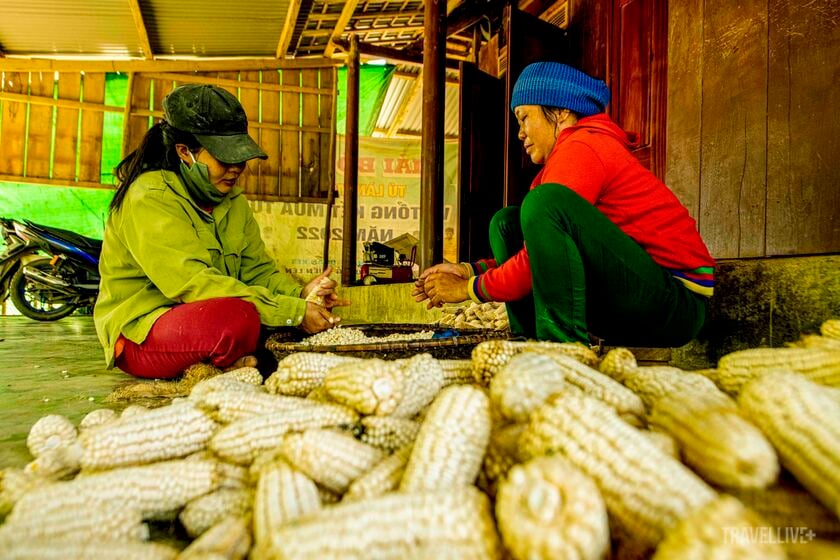
Corn is the main food of the people here.
I listened with mixed feelings of excitement and regret. I imagined swimming across an underground river, camping deep in the forest, and gazing at the sparkling stalactites. But it's okay, the fact that this journey wasn't complete meant I had a reason to return. Before leaving Tan Hoa, we unexpectedly met again: "Remember to come back here next time, don't just go halfway, you have to go all the way."
I laughed, shook his hand, and said confidently, "Absolutely! Next time I'll go to Tu Lan Cave, swim across the underground river, and camp in the middle of the forest. I even managed to go to Va Cave!"
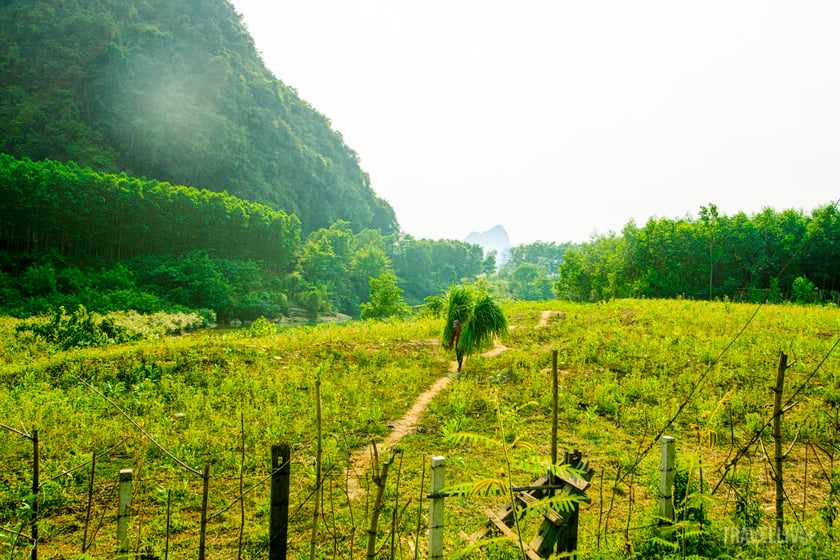
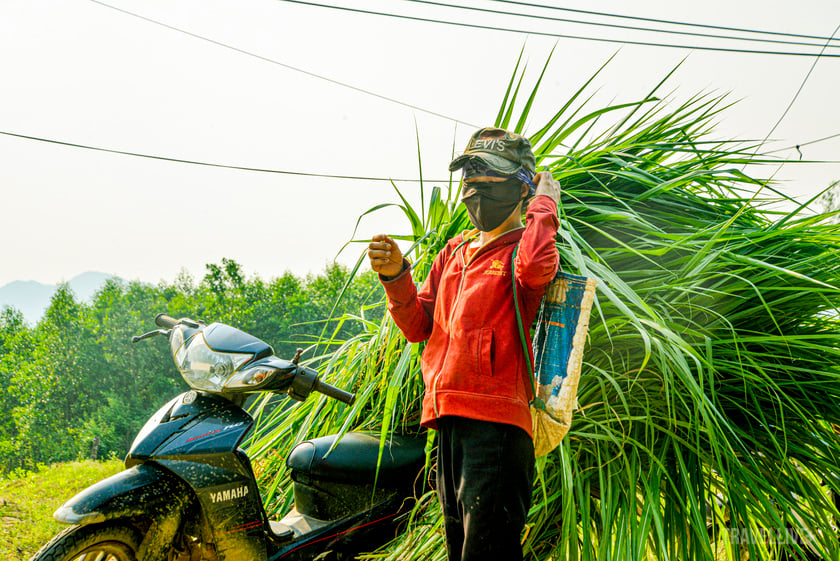
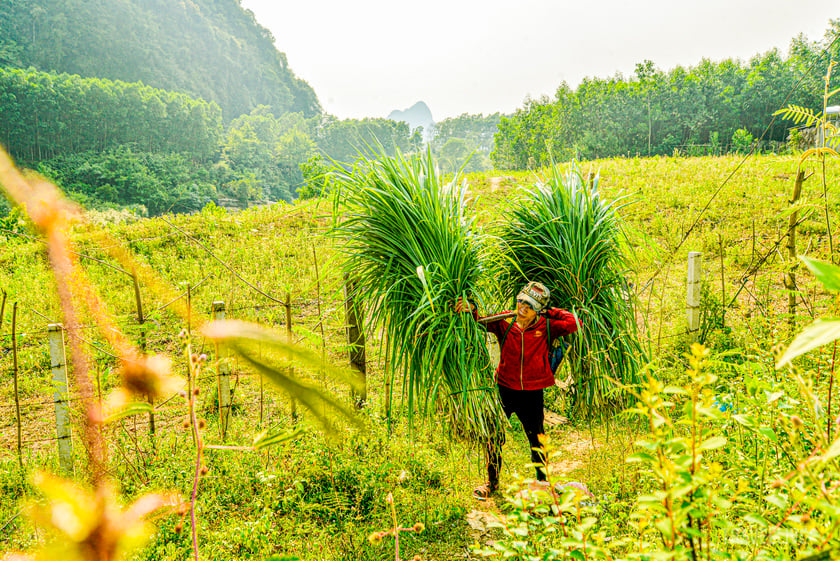
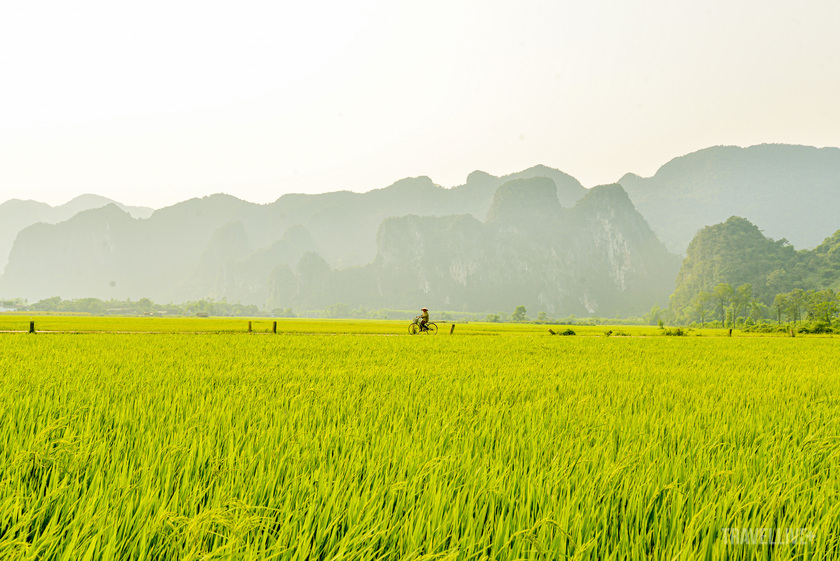
After finishing my meal, I went for a walk around the cornfield, then watched the locals cutting leaves to feed their cows. The rolling mountains surrounding the village are a special feature of Tan Hoa tourist village. Many foreigners come here, and they all rent bicycles and cycle around the village, enjoying themselves and feeling completely immersed in the local life.
At Tu Lan Lodge, a unique resort, the staff, guides, chefs, and receptionists are all from the village. They participate in training courses to become professional staff serving tourists exploring Tu Lan tours.
It was a memorable experience for me in Tan Hoa – a tranquil yet captivating place. Although this trip wasn't perfect, that's precisely why I'm looking forward to returning more than ever.